New Blood Pressure Guidelines 2025: What Changed
Medically reviewed by Medical Advisory Board Last reviewed 2026-08-08
The 2025 ACC/AHA high blood pressure guideline — new categories, targets, and who needs treatment
The 2025 ACC/AHA high blood pressure guideline updated the 2017 version. It keeps stage 1 hypertension at 130/80, sets a universal treatment target below 130/80, introduces the PREVENT risk calculator, and recommends single-pill combination therapy first for stage 2. Here is a plain-English guide to what changed and what your numbers mean.
The 2025 blood pressure guidelines update how doctors diagnose and treat high blood pressure. The American Heart Association and American College of Cardiology released the update in August 2025, along with 11 other groups, revising the 2017 guideline.
The blood pressure categories didn't change, but who gets treated, how they're treated, and how risk is measured did. High blood pressure is also one of the five markers of metabolic syndrome, so these updates matter for metabolic health.
Partner · Opt Health
Want a clinician to work up your metabolic numbers?
Opt Health runs fasting insulin, A1C, a full lipid panel and 50+ other markers, then builds a treatment plan — GLP-1s included where they're appropriate — with a physician who reviews the data with you directly.
See Opt Health's metabolic program →This guide explains what your blood pressure numbers mean now, including the 2025 categories, targets, and treatment rules.
What Changed in the 2025 Blood Pressure Guideline
The 2025 guideline keeps the blood pressure categories but changes treatment and risk assessment. The main updates are: a universal target below 130/80 mm Hg, with encouragement to reach below 120 systolic when safe; a new risk calculator called PREVENT that replaces the older Pooled Cohort Equations; and a preference for single-pill combination drugs as the first step for stage 2 hypertension. The guideline also strengthens the role of home and out-of-office blood pressure readings for diagnosis.
The 2025 Blood Pressure Categories
The categories are unchanged from 2017, so stage 1 hypertension still begins at 130/80 mm Hg. Here is how your numbers are classified.
| Category | Systolic (top) | Diastolic (bottom) | |
|---|---|---|---|
| Normal | Under 120 | and | Under 80 |
| Elevated | 120–129 | and | Under 80 |
| Stage 1 hypertension | 130–139 | or | 80–89 |
| Stage 2 hypertension | 140 or higher | or | 90 or higher |
Readings should be confirmed with proper technique and, when possible, home monitoring — a single high reading in a clinic is not enough to diagnose hypertension.
Who Needs Blood Pressure Treatment Now
Treatment depends on your stage and your heart-disease risk. Everyone with stage 2 hypertension (140/90 or higher) is recommended to start medication, and the guideline now favors a single pill that combines two drug classes to improve control and adherence. For stage 1 hypertension (130–139/80–89), medication is recommended if you already have cardiovascular disease, diabetes, chronic kidney disease, or a PREVENT-estimated 10-year risk of 7.5% or higher. Everyone else with stage 1 starts with lifestyle changes first.
The PREVENT Calculator: A New Way to Estimate Risk
The 2025 guideline uses a new tool called PREVENT to estimate your 10-year heart-disease risk. PREVENT replaces the older Pooled Cohort Equations and adds kidney function, current statin use, and social factors that affect health. This gives a more complete risk picture and is the same calculator the 2026 cholesterol guideline adopted. Because the math changed, some people's risk scores — and therefore their treatment recommendations — will shift compared with the old calculator.
Blood Pressure by Age and in Older Adults
The target below 130/80 applies to most adults regardless of age, but older adults get individualized care. The guideline supports the same target for healthy older adults, while allowing more flexible goals for people who are frail, have limited life expectancy, or live in care facilities. This addresses a common search — "blood pressure guidelines by age" and "for seniors" — where the answer is that age alone does not raise your target, but overall health can adjust it. Pregnancy also follows separate targets.
What the 2025 Blood Pressure Guidelines Mean for You
If your blood pressure was checked before 2025, two things are worth doing. Confirm your numbers with home readings, since the guideline leans harder on out-of-office measurement. And ask your clinician to run the PREVENT calculator, because your treatment recommendation now depends on it — especially if you fall in the stage 1 range. Because high blood pressure travels with insulin resistance and extra weight, improving your metabolic health often lowers your numbers too. The free health assessment is a good starting point.
What to Look For in a Blood Pressure Monitor
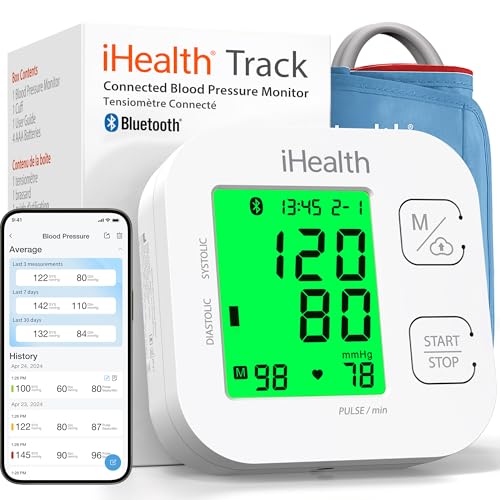
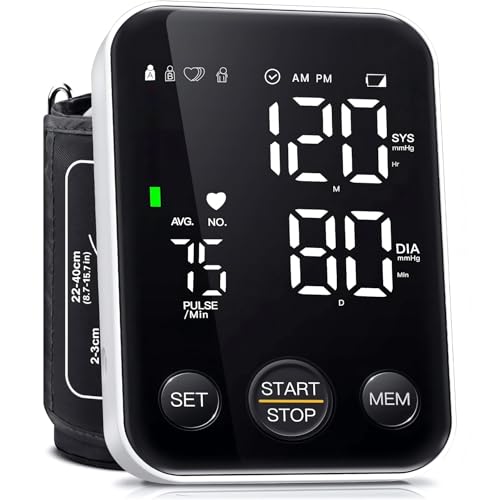
An upper-arm cuff is more accurate than a wrist model. Pick a clinically validated device with a cuff sized to your arm, and take readings seated after five minutes of rest. Models that store readings or sync to an app make it easy to share trends with your doctor.
Frequently Asked Questions
What are the new blood pressure guidelines for 2025?
The 2025 ACC/AHA guideline updated the 2017 version. It keeps stage 1 hypertension at 130/80 mm Hg, sets a universal treatment target below 130/80, introduces the PREVENT risk calculator in place of the older Pooled Cohort Equations, and recommends single-pill combination drugs first for stage 2 hypertension. It also emphasizes home blood pressure monitoring for diagnosis.
What is considered high blood pressure in 2025?
Stage 1 hypertension is 130–139 systolic or 80–89 diastolic. Stage 2 is 140/90 or higher. Readings of 120–129 over under 80 are 'elevated,' and under 120/80 is normal. These categories are unchanged from 2017. A diagnosis should be confirmed with proper technique and, ideally, home monitoring rather than a single clinic reading.
Do blood pressure targets change with age?
For most adults, including healthy older adults, the target is below 130/80 regardless of age. The 2025 guideline allows more flexible goals for people who are frail, have limited life expectancy, or live in care facilities. So age by itself does not raise your target, but your overall health can adjust it. Pregnancy follows separate targets.
What is the PREVENT calculator?
PREVENT is the new risk calculator the 2025 blood pressure guideline uses to estimate your 10-year cardiovascular risk. It replaces the older Pooled Cohort Equations and adds kidney function, statin use, and social factors. Your PREVENT score now helps decide whether stage 1 hypertension needs medication, so the same numbers can lead to a different recommendation than before.
Topic updates
Get the weekly metabolic health roundup
Insulin resistance, blood sugar, visceral fat, GLP-1 plateaus, metabolic syndrome, and weight-loss physiology.
Want your metabolic health handled by a physician who works from your labs? See how Opt Health does it →
Check Where You Stand
Take our free health assessment to understand your metabolic, hormonal, and recovery risk factors — and get personalized recommendations.
Take the Free Assessment →Free · Takes 5 minutes · Instant results
Related Reading
← Back to Clinical Guideline Tracker
-
New Cholesterol Guidelines 2026: Restored LDL Goals and Universal Lp(a) Screening
New cholesterol guidelines 2026: restored LDL goals, universal Lp(a) screening, and what changed from 2018.
-
ADA Diabetes Guidelines 2026: What's New in the Standards of Care
ADA diabetes guidelines 2026: the living guideline, CGM at diagnosis, and GLP-1s in type 1.
-
Obesity Treatment Guidelines: Staging, GLP-1s, and Surgery Thresholds
Obesity treatment guidelines: complication-based staging, GLP-1 medications, and surgery thresholds.
Affiliate disclosure: The Metabolic Journal is reader-supported. Some links above are affiliate or referral links and we may earn a commission at no extra cost to you. As an Amazon Associate we earn from qualifying purchases. Products are chosen on the merits; commissions never influence what we recommend. This is general information, not medical advice — talk to your clinician before acting.