ADA Diabetes Guidelines 2026: What's New
Medically reviewed by Medical Advisory Board Last reviewed 2026-08-08
What changed in the 2026 ADA Standards of Care in Diabetes — the new living guideline
The 2026 ADA Standards of Care in Diabetes is now a living guideline, updated online year-round. Key changes include continuous glucose monitoring at diagnosis, automated insulin delivery for all insulin users, GLP-1 medications supported in type 1 diabetes for the first time, and a 5–7% weight-loss target. Here is a plain-English guide to what changed.
The ADA diabetes guidelines for 2026 changed in two ways: how they are published and what they recommend. In late 2025, the American Diabetes Association released the "Standards of Care in Diabetes, 2026" and shifted to a living-guideline model.
A living guideline is updated online throughout the year, rather than just once a year. This means the official website is always more up to date than any downloaded PDF or printed summary.
Partner · Opt Health
Want a clinician to work up your metabolic numbers?
Opt Health runs fasting insulin, A1C, a full lipid panel and 50+ other markers, then builds a treatment plan — GLP-1s included where they're appropriate — with a physician who reviews the data with you directly.
See Opt Health's metabolic program →This guide covers what is new in the 2026 standards and what the changes mean if you have diabetes, prediabetes, or insulin resistance.
What's New in the 2026 ADA Standards of Care
The 2026 standards expand technology, weight management, and — for the first time — GLP-1 use in type 1 diabetes. The biggest updates are: consider a continuous glucose monitor (CGM) at the time of diagnosis and any time after; make automated insulin delivery (AID) systems available to all adults who need insulin, whether they have type 1 or type 2 diagnosis; support GLP-1 medications in type 1 diabetes for the first time; and set a weight-loss goal of 5–7% of body weight. Nutrition guidance was expanded around Mediterranean-style and lower-carbohydrate eating patterns shown to reduce type 2 risk.
The Living Guideline: Why the Website Beats the PDF
The ADA now updates its standards online in real time rather than once a year. This change was made so recommendations can keep pace with new drug approvals and trial data. The practical effect for you: a downloaded "2026 PDF" can be out of date within months, while the ADA's online version reflects the latest evidence. When you or your clinician want the current recommendation, use the ADA's official Standards of Care site, not a third-party copy.
Technology: CGM at Diagnosis and Insulin Delivery for All
Continuous glucose monitors are now recommended from the moment of diagnosis, not just for people already struggling with control. A CGM shows how food, activity, and sleep move your blood sugar in real time, which helps prevent the glucose spikes that drive long-term complications. The 2026 standards also say automated insulin delivery systems — which pair a CGM with an insulin pump — should be available to every adult who needs insulin. This is a major expansion of access beyond type 1 diabetes.
Weight Loss and GLP-1 Medications Move to Center Stage
The 2026 standards set a clear 5–7% weight-loss target and, for the first time, support GLP-1 drugs in type 1 diabetes. GLP-1 receptor agonists such as semaglutide (Ozempic) and dual GLP-1/GIP drugs such as tirzepatide (Mounjaro) are central to type 2 care because they lower blood sugar and body weight together. For people with type 1 diabetes and obesity, the guideline now lists GLP-1 therapy and metabolic surgery as options — a first. If your weight loss has stalled, see our guide on the GLP-1 plateau.
Diagnosis and Screening in 2026
The core numbers for diagnosing diabetes did not change, but the emphasis on early screening did. Diabetes is still diagnosed at an A1c of 6.5% or higher, with prediabetes in the 5.7–6.4% range. The 2026 standards push earlier and broader screening, especially for people with overweight and one additional risk factor, so that prediabetes is caught while it is still reversible. If you have not been screened, our metabolic testing guide explains which labs to request.
What the 2026 ADA Guidelines Mean for You
If you have diabetes or prediabetes, three updates are worth acting on. Ask about a CGM even if you are newly diagnosed or not on insulin — the guideline now supports it. Treat a 5–7% weight loss as a formal treatment goal, not just general advice. And if you are on insulin, ask whether an automated delivery system is an option for you. Not sure where you stand? The free health assessment maps your risk across blood sugar, weight, and hormones as a starting point.
How to test metabolic markers at home
You don't need a lab appointment to check your own metabolic markers — a few at-home kits mail you a collection kit and return physician-reviewed results online within days:
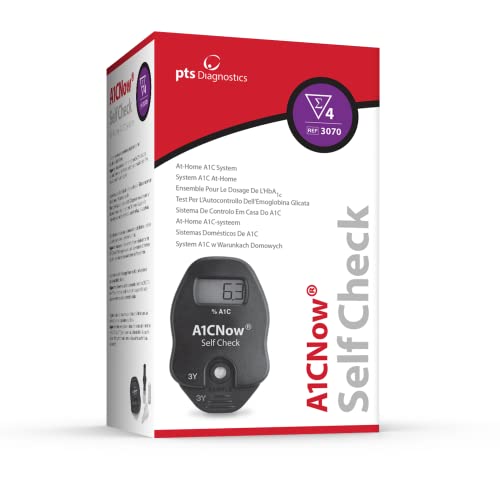
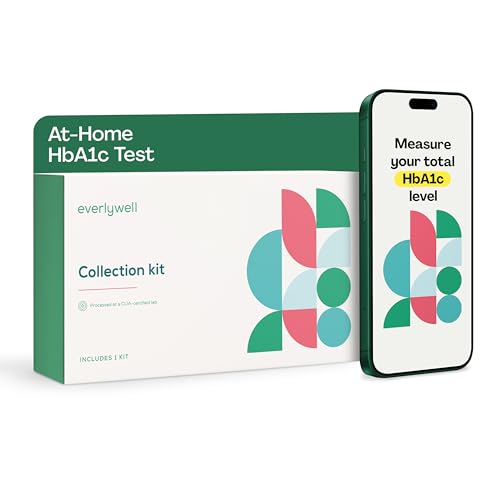
Prefer to order direct? The Everlywell HbA1c Test uses a CLIA-certified lab, physician-reviewed results, and prepaid return shipping.
What to Look For in a Continuous Glucose Monitor (CGM)
Over-the-counter CGMs like Dexcom Stelo and Abbott Lingo now sell without a prescription. Check the wear time (14–15 days per sensor), whether it reads to your phone or needs a separate device, and the monthly cost. For seeing how your own body responds to meals, a month or two is usually enough — you don't need to wear one forever.


What Makes a Good Fiber Supplement
For blood-sugar and cholesterol support you want SOLUBLE fiber — psyllium husk is the best studied. Start with one teaspoon and build up with plenty of water to avoid bloating, and take it 10–15 minutes before carb-heavy meals. Choose an unsweetened, additive-free powder or capsule.


Frequently Asked Questions
What are the new ADA diabetes guidelines for 2026?
The 2026 ADA Standards of Care in Diabetes became a living guideline, updated online year-round. Key changes: recommend a continuous glucose monitor at diagnosis, make automated insulin delivery available to all insulin users, support GLP-1 medications in type 1 diabetes for the first time, and set a 5–7% weight-loss target. Nutrition guidance expanded around Mediterranean and lower-carb eating.
What is a living guideline?
A living guideline is updated online continuously instead of once a year. The 2026 ADA Standards of Care uses this model so recommendations keep pace with new drug approvals and trial data. The practical result is that the ADA's official website is always more current than any downloaded PDF, which can be out of date within months.
Did the diabetes diagnosis criteria change in 2026?
The core thresholds did not change. Diabetes is still diagnosed at an A1c of 6.5% or higher, and prediabetes is an A1c of 5.7–6.4%. What changed is the emphasis on earlier and broader screening, especially for people with overweight plus one additional risk factor, so prediabetes is caught while it can still be reversed.
Where can I find the official 2026 ADA guidelines?
Use the ADA's official Standards of Care site at professional.diabetes.org/standards-of-care. Because the 2026 standards are a living guideline updated year-round, the online version is always the most current source — more reliable than any downloaded PDF or third-party summary.
Topic updates
Get the weekly metabolic health roundup
Insulin resistance, blood sugar, visceral fat, GLP-1 plateaus, metabolic syndrome, and weight-loss physiology.
Want your metabolic health handled by a physician who works from your labs? See how Opt Health does it →
Check Where You Stand
Take our free health assessment to understand your metabolic, hormonal, and recovery risk factors — and get personalized recommendations.
Take the Free Assessment →Free · Takes 5 minutes · Instant results
Related Reading
← Back to Clinical Guideline Tracker
-
New Cholesterol Guidelines 2026: Restored LDL Goals and Universal Lp(a) Screening
New cholesterol guidelines 2026: restored LDL goals, universal Lp(a) screening, and what changed from 2018.
-
New Blood Pressure Guidelines 2025: Categories, Targets, and What Changed
New blood pressure guidelines 2025: categories, the <130/80 target, and the PREVENT calculator.
-
Obesity Treatment Guidelines: Staging, GLP-1s, and Surgery Thresholds
Obesity treatment guidelines: complication-based staging, GLP-1 medications, and surgery thresholds.
Affiliate disclosure: The Metabolic Journal is reader-supported. Some links above are affiliate or referral links and we may earn a commission at no extra cost to you. As an Amazon Associate we earn from qualifying purchases. Products are chosen on the merits; commissions never influence what we recommend. This is general information, not medical advice — talk to your clinician before acting.