Sleep Apnea and VA Disability: What Veterans Should Know
Medically reviewed by Medical Advisory Board Last reviewed 2026-09-13
How sleep apnea claims generally work, and why diagnosis comes first
Sleep apnea is a commonly filed VA disability claim. This guide explains the general claims framework in plain language, for education only, not legal advice.
This page is for general education only. It does not provide legal or claims advice, and this site is not affiliated with the Department of Veterans Affairs. If you need help with an actual claim, work with an accredited Veterans Service Officer (VSO), claims agent, or attorney.
Sleep apnea often appears in VA disability claims. Veterans face several service-related risk factors for the condition, including weight changes during and after service, PTSD, and deployment-related sleep disruption. That overlap leads many veterans to research how a sleep apnea claim actually works.
Partner · Opt Health
Want help fixing your sleep for real?
Opt Health treats sleep as a measurable system — cortisol rhythm, thyroid, testosterone, inflammation — and works the biology behind bad sleep with a physician, not a sleep-hygiene checklist.
See Opt Health's sleep program →This guide explains the general structure of a claim in plain language. It does not predict the outcome of any individual case or replace guidance from an accredited representative who can review your specific service record and medical history.
Why Sleep Apnea Is a Common VA Claim
Sleep apnea appears frequently among VA disability claims because several known risk factors are common during military service. Weight gain during or after service can narrow the airway and raise the risk of obstructive sleep apnea. Research also links PTSD and chronic sleep disruption to a higher likelihood of developing sleep apnea over time.
Deployment itself can disrupt normal sleep patterns for months or years. Irregular shifts, high stress, and interrupted rest are all part of that picture. None of this guarantees that a given veteran's sleep apnea is connected to their service — it simply explains why the condition comes up so often in the claims process.
The General Three-Part Claims Framework
VA disability claims for most conditions, including sleep apnea, generally rest on three elements. Understanding this structure helps explain why diagnosis and documentation matter so much.
- A current diagnosis. The VA needs medical proof that you have sleep apnea now, typically established through a formal sleep study.
- An in-service event, injury, or illness. This can include a documented incident during service, or an existing condition that service made worse.
- A medical nexus. This is a doctor's written opinion connecting your current sleep apnea diagnosis to the in-service event or condition.
All three pieces generally need to be present and documented. Missing any one of them is a common reason claims get delayed or denied, which is exactly why working with an accredited representative early in the process is worth the time.
How Severity and Treatment Generally Factor In
The VA rates sleep apnea based on severity and the treatment a veteran requires, not just the diagnosis itself. Prescribed CPAP use is one factor that generally influences how a claim is rated, along with how the condition affects daily functioning.
This page will not list specific rating percentages or dollar compensation amounts. Those figures can change, and getting one wrong could give a veteran a false sense of what to expect. Always check the current VA rating schedule directly or ask an accredited VSO for the numbers that apply to your situation today.
Step One: Get a Formal Sleep Study
A formal sleep study is the foundation of any sleep apnea claim. Without a current diagnosis, the other two parts of the framework cannot move forward.
A sleep study, whether done in a lab or at home, measures how often breathing stops or slows during sleep. If you are not yet sure whether your symptoms point to sleep apnea, our guide to sleep apnea symptoms walks through the warning signs worth tracking before you schedule a test. For a look at how testing and diagnosis options actually work, see sleep apnea testing and diagnosis.
Step Two: Document the In-Service Connection
Documentation is what turns a possible connection into a supported one. Veterans building a claim should gather any records that show sleep problems, weight changes, or related conditions during service.
- Service treatment records mentioning fatigue, snoring, or trouble sleeping
- A PTSD diagnosis or documented symptoms during or after service
- Records showing significant weight gain during service
- Statements from fellow service members who noticed snoring or breathing pauses
- Personal journals or letters from the time that mention sleep trouble
Even informal records can help build a timeline. The goal is to show that sleep problems were present or that a related condition began during service, not necessarily to prove sleep apnea itself was diagnosed at that time.
Step Three: Get a Nexus Letter
A nexus letter is a written medical opinion linking your current sleep apnea diagnosis to your time in service. This letter usually comes from a treating physician who reviews both your current diagnosis and your service history.
A strong nexus letter explains the medical reasoning, not just the conclusion. What the letter has to contain, the direct, secondary and aggravation routes it can argue, who is qualified to write one, and what it costs are covered in our sleep apnea nexus letter guide. Bring your sleep study results and service records to that appointment so the physician has the full picture.
Putting the Three Steps Together
These three steps map directly onto the three-part framework described earlier. A sleep study establishes the current diagnosis. Service records and personal documentation establish the in-service event. A nexus letter connects the two.
Doing these in order tends to work better than doing them out of sequence. It is hard for a physician to write a meaningful nexus letter without a confirmed diagnosis in hand, and it is hard to know what documentation matters most until you understand what a reviewer will be looking for.
Common Questions Veterans Ask Along the Way
Many veterans wonder whether related conditions like PTSD or weight gain need to be claimed separately or together with sleep apnea. That decision depends on individual circumstances, and it is exactly the kind of question an accredited VSO is trained to answer.
Veterans also often ask how long the process takes from sleep study to a final decision. Timelines vary widely based on individual case complexity and current claims volume, so this page will not offer a specific estimate. An accredited representative can give you a more grounded sense of what to expect for your situation.
Where to Get Real Help With Your Claim
An accredited Veterans Service Officer can guide you through your specific claim at no cost. VSOs work with organizations like veterans' service groups and some state veterans' agencies, and they know the current forms, evidence standards, and rating schedule in detail.
Accredited claims agents and attorneys are another option, particularly for appeals or more complicated cases. Whichever path you choose, confirm accreditation before sharing personal information, since only accredited representatives are authorized to charge fees or formally represent you in most stages of the process.
This page is a starting point for understanding the general process, not a substitute for that guidance. Get properly diagnosed, document your service history, and bring both to an accredited representative who can speak to your specific claim.
What to Look For in a Sleep & Recovery Tracker
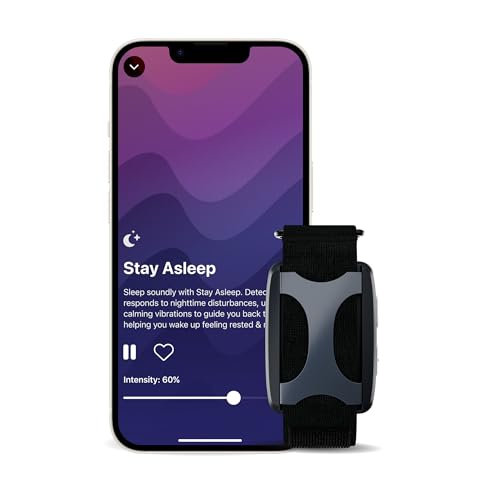
The Oura Ring and Whoop are the most accurate consumer options for sleep stages and HRV; a smartwatch (Apple Watch, Garmin) works too if you'd rather not wear a ring. Prioritize validated HRV and sleep-stage tracking over step counts, check whether it needs a subscription (Whoop does), and pick something comfortable enough to wear every night.

Frequently Asked Questions
Is sleep apnea a common VA disability claim?
Yes, sleep apnea is one of the more frequently filed VA disability claims among veterans. Service-related risk factors like weight changes, PTSD, and deployment-related sleep disruption all raise the likelihood that veterans develop the condition during or after their time in service.
Do I need a sleep study to file a sleep apnea VA claim?
Yes, a formal sleep study is generally required to establish the current diagnosis a VA claim needs. Without documented proof of sleep apnea, the other parts of a claim cannot move forward, so scheduling a sleep study is usually the first practical step.
Can PTSD be connected to a sleep apnea claim?
PTSD and sleep apnea are frequently discussed together because research links chronic sleep disruption and PTSD to a higher risk of developing sleep apnea. Whether and how to connect the two conditions in a specific claim is a case-by-case question best answered by an accredited VSO or claims representative.
What is a nexus letter and do I need one?
A nexus letter is a written opinion from a physician linking a current diagnosis to an in-service event or condition. It is a standard part of the three-part framework the VA generally uses, alongside a current diagnosis and documentation of the in-service connection.
Does CPAP use affect a VA sleep apnea rating?
Prescribed CPAP use is generally one factor the VA considers when rating sleep apnea, along with overall severity. This page does not list specific rating percentages, since those figures can change — check the current VA rating schedule or ask an accredited VSO for numbers that apply today.
Should I hire a lawyer for a sleep apnea VA claim?
Many veterans successfully use a free accredited Veterans Service Officer rather than hiring a lawyer, especially for an initial claim. An accredited claims agent or attorney is often more common for appeals or more complicated cases, and either option should be confirmed as accredited before you share personal information.
Where can I get properly diagnosed before filing a claim?
Reviewing the warning signs in our sleep apnea symptoms guide and then exploring options in our sleep apnea testing and diagnosis guide is a reasonable starting point. A formal sleep study through a physician or sleep specialist is what actually establishes the diagnosis a VA claim requires.
Topic updates
Get the weekly recovery roundup
Sleep, HRV, fatigue, burnout, cortisol rhythm, sleep apnea, overtraining, and stress physiology.
Want your sleep handled by a physician who works from your labs? See how Opt Health does it →
Check Where You Stand
Take our free health assessment to understand your metabolic, hormonal, and recovery risk factors — and get personalized recommendations.
Take the Free Assessment →Free · Takes 5 minutes · Instant results
Related Guides
-
Inspire Sleep Apnea Treatment: How It Works, Cost, and Results
STAR trial results, candidacy criteria, cost, and Medicare coverage.
-
Central Sleep Apnea: Causes, Symptoms, and Treatment Options
CNS vs airway mechanism, ASV vs CPAP, and causes including heart failure.
-
Chronic Fatigue Syndrome Va Disability Rating
How the VA rates ME/CFS disability claims — presumptive conditions and evidence needed.
See more related guides
-
Sleep Apnea Treatment in Children: Why Pediatric OSA Is Treated Differently Than in Adults
Sleep apnea treatment in children: why pediatric OSA is treated differently than in adults.
-
Sleep Apnea Nexus Letter: What the Medical Opinion Has to Contain
Sleep apnea nexus letter: what the medical opinion has to contain, who can write it, and the secondary-connection routes.
-
Zepbound for Sleep Apnea and Nocturnal Airway Events
Zepbound for obstructive sleep apnea: what SURMOUNT-OSA showed, who qualifies, and how it relates to CPAP.
-
Sleep Apnea, Fatigue, Weight Gain, and Metabolic Risk
Connect sleep apnea to fatigue, weight gain, testing, and treatment options.
-
Sleep Apnea Symptoms: Signs You're Not Breathing at Night
OSA warning signs: snoring, witnessed apneas, daytime sleepiness.
Affiliate disclosure: The Metabolic Journal is reader-supported. Some links above are affiliate or referral links and we may earn a commission at no extra cost to you. As an Amazon Associate we earn from qualifying purchases. Products are chosen on the merits; commissions never influence what we recommend. This is general information, not medical advice — talk to your clinician before acting.