Zepbound for Sleep Apnea Reduces Nocturnal Airway Events
Medically reviewed by Medical Advisory Board Last reviewed 2026-09-27
SURMOUNT-OSA clinical trial data confirms tirzepatide reduces apnea events when weight loss addresses upper airway obstruction
Zepbound reduces breathing interruptions in adults with moderate-to-severe obstructive sleep apnea and obesity. Trial participants achieved up to a 29.3 event per hour reduction after 52 weeks of tirzepatide treatment. Insurance coverage hinges on clinical documentation of sleep apnea rather than weight loss alone.
Zepbound for sleep apnea reduces nocturnal breathing interruptions by 25.3 to 29.3 events per hour in adults who have moderate-to-severe disease alongside obesity. At The Metabolic Journal, we analyze metabolic interventions through clinical trial endpoints, tracking how weight reduction translates into functional organ recovery. The approval covers sleep apnea driven by excess weight.
On December 20, 2024, the FDA approved Zepbound (tirzepatide) as the first prescription medication indicated for moderate-to-severe obstructive sleep apnea in adults with obesity. According to Eli Lilly's approval announcement, the decision provides a pharmacological treatment for a disorder long managed with airway pressure devices.
Partner · Opt Health
Want medical weight loss instead of another diet?
Opt Health prescribes and monitors GLP-1 therapy against real labs — insulin, A1C, lipids, thyroid, hormones — so the plan fits your physiology rather than a generic protocol. Medication ships to your door.
See Opt Health's weight-loss program →Evaluating this therapy requires reviewing trial measurements, diagnostic boundaries, and insurance rules. The following sections examine the SURMOUNT-OSA evidence and explain how patients navigate access.
Does Zepbound Work for Sleep Apnea?
Zepbound reduces apnea-hypopnea index scores by an average of 25.3 to 29.3 events per hour in adults who have moderate-to-severe obstructive sleep apnea and obesity. The apnea-hypopnea index measures breathing interruptions per hour of sleep. A diagnostic sleep study records these apneas and hypopneas to establish clinical severity. Higher scores reflect more frequent airway closures and nocturnal oxygen drops.
The SURMOUNT-OSA clinical trial program evaluated tirzepatide in 469 adults with moderate-to-severe obstructive sleep apnea and obesity across two distinct 52-week studies. Study 1 enrolled participants unable or unwilling to use positive airway pressure therapy. Study 2 evaluated participants who maintained consistent baseline positive airway pressure treatment. Participants received tirzepatide at a maximum tolerated dose of 10 mg or 15 mg once weekly, or a matched placebo.
In Study 1, tirzepatide reduced the apnea-hypopnea index by 25.3 events per hour compared to 5.3 events per hour on placebo. In Study 2, tirzepatide combined with positive airway pressure reduced the index by 29.3 events per hour versus 5.5 events per hour on placebo. Tirzepatide participants lost roughly 18 to 20 percent of their body weight, representing approximately 45 to 50 pounds. Between 42 and 50 percent of treated participants achieved disease remission or reached mild disease status after 52 weeks.
| Trial Cohort | Tirzepatide Mean AHI Reduction | Placebo Mean AHI Reduction | Treatment Difference |
|---|---|---|---|
| Study 1: Not on PAP | -25.3 events/hour | -5.3 events/hour | -20.0 events/hour |
| Study 2: On PAP | -29.3 events/hour | -5.5 events/hour | -23.8 events/hour |
The clinical verdict is that Zepbound works for patients whose airway collapse stems from excess body weight, and it is worth pursuing if you meet the diagnostic criteria and have access to insurance coverage. For patients paying cash without coverage, the recurring financial commitment may outweigh the clinical benefit compared to existing mechanical options.
Who Qualifies for Zepbound Sleep Apnea Treatment
Qualification for Zepbound under the sleep apnea indication requires a documented diagnosis of moderate-to-severe obstructive sleep apnea alongside obesity. The FDA label restricts this specific indication to adult patients who meet both clinical criteria simultaneously. Zepbound is not approved for obstructive sleep apnea in individuals without obesity. Patients with mild sleep apnea do not qualify under this label.
This therapy does not serve patients whose airway collapse arises from non-weight factors. For those individuals, weight reduction cannot resolve the mechanical restriction. Patients with mild sleep apnea or normal body weight should investigate non-pharmacological therapies on our sleep apnea hub and explore non-invasive devices on our CPAP alternatives comparison.
Zepbound vs CPAP: What the Trial Compared
The SURMOUNT-OSA trial evaluated tirzepatide alongside positive airway pressure therapy rather than testing the medication as a direct replacement for continuous positive airway pressure machines. Popular discussions frequently misinterpret the FDA approval as an instruction to abandon pneumatic devices. The trial design tested two separate operational groups.
One cohort evaluated patients who were unable or unwilling to tolerate positive airway pressure. The second cohort evaluated patients who continued using positive airway pressure devices during medical weight loss. Participants using continuous positive airway pressure alongside tirzepatide achieved the greatest reduction, lowering their index by 29.3 events per hour. This outcome shows that metabolic weight reduction complements pneumatic splinting rather than automatically superseding it.
Patients currently using a continuous positive airway pressure device should never stop therapy upon receiving a prescription. Any change to your airway pressure therapy is a decision for the clinician managing your sleep apnea. Additional mechanical choices are detailed in our CPAP alternatives guide.
What the Trial Dosed, and Who Sets Yours
Zepbound is a once-weekly injection, and your prescriber sets the dose schedule. In the SURMOUNT-OSA trials, investigators evaluated participants at maximum tolerated doses of 10 mg or 15 mg weekly. Your prescriber sets the dose schedule.
Patients seeking the general escalation protocol can review our Zepbound dosing schedule guide. Adverse events with tirzepatide reflect known GLP-1 class effects, which we examine in detail in our Zepbound side effects guide. The same active molecule is also prescribed under the trade name Mounjaro for type 2 diabetes; see our comparison of Mounjaro vs Zepbound for structural distinctions.
Getting Zepbound Covered for Sleep Apnea
Expect prior authorization, and expect the diagnosis to be what it turns on. Federal statutes prohibit Medicare Part D plans from covering prescription medications prescribed strictly for weight management. The FDA approval for moderate-to-severe obstructive sleep apnea provides an independent clinical indication that opens a Medicare Part D route.
Patients navigating specific payer formularies should consult our detailed breakdowns on Medicare coverage for Zepbound, Humana Zepbound coverage rules, and Kaiser coverage criteria for Zepbound.
Conditions That Would Alter This Clinical Verdict
A direct randomized controlled trial comparing tirzepatide monotherapy against continuous positive airway pressure would alter our clinical evaluation of this treatment. SURMOUNT-OSA tested the drug in people both using and not using airway pressure therapy. It did not pit one against the other.
A trial evaluating tirzepatide in normal-weight individuals with obstructive sleep apnea would also change this assessment. If the molecule reduces airway collapsibility without weight loss, that would demonstrate a direct neurochemical or neuromuscular airway mechanism. Without those specific studies, Zepbound remains an intervention specifically targeted at adiposity-mediated airway restriction.
Next Steps for Patient Evaluation
Patients considering medical treatment for obstructive sleep apnea should assemble their diagnostic sleep records before consulting a physician. Check whether your sleep study put you in the moderate or severe category. Discuss your overall cardiovascular and metabolic health with your doctor to determine whether weight-focused pharmacology fits your needs.
Verify your health plan formulary requirements to confirm prior authorization criteria for the sleep apnea indication. Schedule an appointment with your prescribing physician to review your sleep study results and determine whether starting Zepbound for sleep apnea aligns with your broader treatment plan.
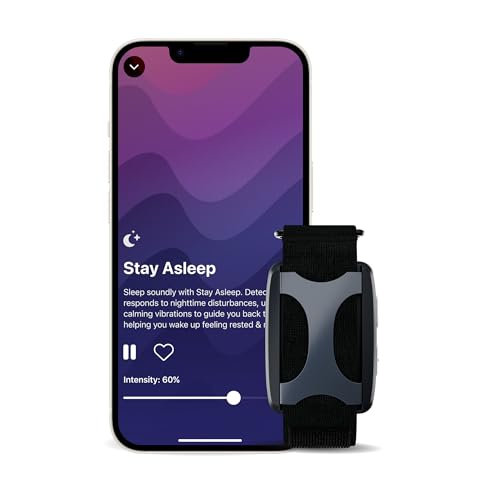
What to Look For in a Sleep & Recovery Tracker
The Oura Ring and Whoop are the most accurate consumer options for sleep stages and HRV; a smartwatch (Apple Watch, Garmin) works too if you'd rather not wear a ring. Prioritize validated HRV and sleep-stage tracking over step counts, check whether it needs a subscription (Whoop does), and pick something comfortable enough to wear every night.

Frequently Asked Questions
How long does it take for Zepbound to work for sleep apnea?
The primary SURMOUNT-OSA clinical trial evaluated participants over 52 weeks of treatment. Measurable reductions in breathing interruptions developed over this one-year period alongside progressive weight reduction.
Is Zepbound worth it for sleep apnea?
Zepbound is worth pursuing for adults with moderate-to-severe obstructive sleep apnea and concurrent obesity who have health insurance coverage. The medication reduced breathing interruptions by up to 29.3 events per hour in clinical trials while helping nearly half of participants reach remission or mild disease. The treatment is not worth the out-of-pocket expense if you must pay full retail pricing without coverage, or if your sleep apnea is mild or unrelated to body weight.
Does Zepbound make you sleep better?
What the trial measured is the number of breathing interruptions per hour of sleep. In the SURMOUNT-OSA trial, participants experienced an average reduction of 25.3 to 29.3 apnea and hypopnea events per hour.
Who should not take Zepbound?
Zepbound is not approved for individuals with obstructive sleep apnea who do not have obesity, nor is it indicated for mild sleep apnea. Side effects are covered in our Zepbound side effects guide.
Is Zepbound a lifetime medication?
Tirzepatide maintains sleep apnea improvements by sustaining metabolic weight reduction. The benefit tracks the weight loss, so stopping treatment is a conversation to have with your prescriber. Any decision to pause or discontinue medication requires close clinical coordination with your prescriber.
Free Guide: The Lab Markers Your Doctor Isn't Testing
Get our evidence-based guide to the biomarkers that catch metabolic and hormonal dysfunction early — with optimal ranges, not just 'normal' ones.
No spam. Unsubscribe anytime.
Want weight loss handled by a physician who works from your labs? See how Opt Health does it →
Check Where You Stand
Take our free health assessment to understand your metabolic, hormonal, and recovery risk factors — and get personalized recommendations.
Take the Free Assessment →Free · Takes 5 minutes · Instant results
Related Guides
-
Zepbound Side Effects
Zepbound side effects: dosing/titration, GI effects, injection-site care, duration/onset timing, and rare serious risks.
-
Zepbound Vials vs Pen
Zepbound vials vs pen: the FDA-labeled administration, dose-strength, and storage differences between the two formats.
-
Does Humana Cover Zepbound
Does Humana cover Zepbound? Medicare Advantage, Part D, the GLP-1 Bridge program, and commercial plans, by pathway.
See more related guides
-
Zepbound Dosing Schedule
Zepbound dosing schedule: the FDA titration steps and SURMOUNT trial dose-response data, without ranking a 'best' dose.
-
Does Florida Blue Cover Zepbound? Prime Therapeutics Prior Authorization and the BMI Threshold Explained
Does Florida Blue cover Zepbound? Prime Therapeutics prior authorization, the BMI threshold, and why Mounjaro doesn't qualify.
-
Can You Take Metformin and Zepbound Together? What the Overlap Means for Side Effects
Metformin and Zepbound together: why prescribers combine them, the overlapping GI side effects, and what changes when you do.
-
Does Kaiser Cover Zepbound? Kaiser's Own Published Clinical Criteria and Step-therapy Ladder, Explained
Does Kaiser cover Zepbound? Kaiser Northwest's published BMI, comorbidity, and step-therapy criteria for tirzepatide, region by region.
-
Does Highmark Cover Zepbound? Two Separate FDA Indications, Two Separate Prior-authorization Paths
Does Highmark cover Zepbound? The two separate FDA indications (weight management vs. obstructive sleep apnea) and their different prior-authorization paths.
Affiliate disclosure: The Metabolic Journal is reader-supported. Some links above are affiliate or referral links and we may earn a commission at no extra cost to you. As an Amazon Associate we earn from qualifying purchases. Products are chosen on the merits; commissions never influence what we recommend. This is general information, not medical advice — talk to your clinician before acting.