CPAP Alternatives: 7 Options for Sleep Apnea Compared (2026)
Medically reviewed by Dr. Michael Teplitsky, MD Last reviewed 2026-09-27
What to try if you can't tolerate the CPAP mask — ranked by evidence and severity fit
For people who can't tolerate CPAP, the realistic alternatives range from oral appliances (mandibular advancement devices) and positional therapy to the Inspire hypoglossal-nerve implant, weight loss, and surgery. Each fits a different apnea severity and cause, and CPAP remains the first-line, most-effective option for moderate-to-severe obstructive sleep apnea.
This article is for informational purposes only and is not medical advice. Sleep apnea is a serious condition — work with a sleep physician before changing treatment.
CPAP is the most effective treatment for moderate-to-severe obstructive sleep apnea (OSA), but adherence remains a real problem. Many people struggle with the mask, pressure, or dryness. The good news is that there are several evidence-backed alternatives. The right choice depends on the severity of your apnea, your anatomy, and what you find intolerable about CPAP. This roundup ranks the realistic options and links to our in-depth guides. For the full menu of treatments, see sleep apnea treatment options compared.
Want help fixing your sleep for real?
Opt Health treats sleep as a measurable system — cortisol rhythm, thyroid, testosterone, inflammation — and works the biology behind bad sleep with a physician, not a sleep-hygiene checklist.
See Opt Health's sleep program →CPAP Alternatives Ranked
The best CPAP alternative depends on apnea severity and cause. Oral appliances suit mild-to-moderate OSA; the Inspire implant suits moderate-to-severe OSA in people who fail CPAP. The table compares each option across severity fit, evidence, and cost.| Option | Best For | Evidence | Typical Cost |
|---|---|---|---|
| Oral appliance (MAD) | Mild-to-moderate OSA, mask-intolerant | Strong for mild-moderate; less effective than CPAP for severe | $1,500-$3,000 (often insurance-covered) |
| Inspire (hypoglossal nerve stimulation) | Moderate-to-severe OSA, CPAP failures | FDA-approved; strong trial + registry data | $30,000+ implant (often covered if eligible) |
| Weight loss | OSA driven by excess weight | Strong; can substantially reduce or resolve OSA | Variable |
| Positional therapy | Positional (supine-only) OSA | Good for the positional subtype only | $50-$300 device |
| BiPAP / APAP | Pressure-intolerant CPAP users | Same efficacy class as CPAP, different comfort | Similar to CPAP |
| Upper-airway surgery (UPPP, MMA) | Specific anatomic obstruction | Variable; MMA strong in selected cases | High; often covered |
| Myofunctional therapy | Mild OSA, adjunct only | Modest; best as an add-on | Low-moderate |
Best Alternative for Mild-to-Moderate Apnea: Oral Appliances
A mandibular advancement device (MAD) is the most-used CPAP alternative for mild-to-moderate OSA. It's a custom dental appliance that holds the lower jaw forward to keep the airway open. Adherence is often better than CPAP because there's no mask, hose, or machine noise. It is less effective than CPAP for severe apnea, so a sleep physician should confirm your severity first with a sleep study.
Best Alternative for Severe Apnea After CPAP Fails: Inspire
Inspire is an FDA-approved implanted device that stimulates the hypoglossal nerve to keep the tongue and airway open during sleep. It's designed specifically for people with moderate-to-severe OSA who can't tolerate CPAP and meet eligibility criteria (including a BMI limit and airway anatomy checks). It requires a minor surgery. See our Inspire sleep apnea guide for how it works, results, and cost.
The Metabolic Angle: Weight Loss and Sleep Apnea
When OSA is driven by excess weight, weight loss can meaningfully reduce or even resolve it — and metabolic health and sleep are tightly linked in both directions. Poor sleep worsens insulin resistance, and excess weight worsens apnea. Addressing the metabolic root cause can improve both. This is where a structured plan helps, not a single device. Review our metabolic health hub for the connection between weight, insulin resistance, and sleep quality.
Tirzepatide (Zepbound) is now an FDA-approved OSA treatment in its own right, not just an indirect weight-loss aid. In December 2024, the FDA approved tirzepatide specifically for moderate-to-severe obstructive sleep apnea in adults with obesity, based on the SURMOUNT-OSA trial, which found a median AHI reduction of roughly 55–63% after a year of weekly injections — comparable in magnitude to some oral-appliance outcomes, though not to CPAP's near-complete elimination of events. The mechanism is straightforward: tirzepatide's substantial weight loss (18–20% of body weight on average in the trial) reduces fat deposits around the tongue base and pharynx, the same anatomical fat that narrows the airway during sleep. It is not positioned as a CPAP replacement for most patients with severe OSA — rather, it's increasingly used alongside CPAP or an oral appliance, sometimes allowing patients to step down to a less intensive device once weight loss has reduced airway fat burden. See our full sleep apnea treatment comparison for eligibility criteria and cost details, and our GLP-1/GIP weight loss guide for the broader mechanism.
The Bottom Line on CPAP Alternatives
There's no single best CPAP alternative — the right one depends on your apnea severity and what you can't tolerate about CPAP. Oral appliances are the go-to for mild-to-moderate OSA; Inspire is the leading option for moderate-to-severe OSA after CPAP fails; weight loss can help when excess weight is the driver; and positional therapy works for the supine-only subtype. Do not simply stop CPAP without a plan — untreated OSA carries real cardiovascular and metabolic risk. Take the free assessment to see whether metabolic factors like weight and insulin resistance are part of your sleep-apnea picture.
Since December 2024 there has also been a drug option: tirzepatide is approved for moderate-to-severe obstructive sleep apnea in adults with obesity, and our guide to Zepbound for sleep apnea covers what the trial showed and who qualifies.
What to Look For in a Sleep & Recovery Tracker
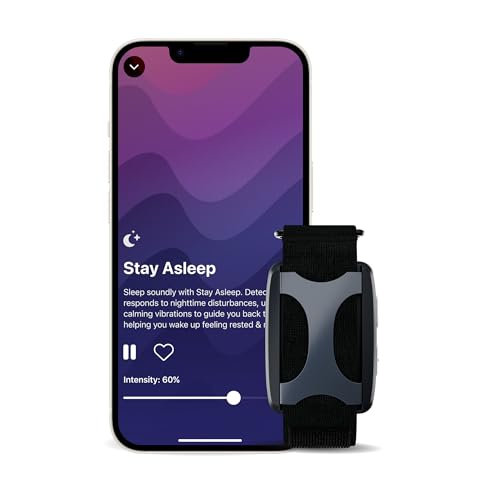
The Oura Ring and Whoop are the most accurate consumer options for sleep stages and HRV; a smartwatch (Apple Watch, Garmin) works too if you'd rather not wear a ring. Prioritize validated HRV and sleep-stage tracking over step counts, check whether it needs a subscription (Whoop does), and pick something comfortable enough to wear every night.

Frequently Asked Questions
What is the best alternative to a CPAP machine?
There's no single best alternative — it depends on severity. For mild-to-moderate obstructive sleep apnea, a custom oral appliance (mandibular advancement device) is the most-used option. For moderate-to-severe apnea in people who can't tolerate CPAP, the Inspire hypoglossal-nerve implant is the leading FDA-approved alternative. Weight loss helps when excess weight drives the apnea.
Can you treat sleep apnea without CPAP?
Yes, for many people. Oral appliances, positional therapy, weight loss, the Inspire implant, and certain surgeries can all treat sleep apnea without CPAP. The best non-CPAP option depends on your apnea severity and cause, so a sleep physician should confirm your diagnosis with a sleep study before switching.
Is there a free or low-cost CPAP alternative?
Positional therapy is the lowest-cost option — devices that stop you sleeping on your back cost $50-$300 and help the positional (supine-only) apnea subtype. Weight loss has no device cost. Oral appliances and the Inspire implant are more expensive but are often partially covered by insurance when medically indicated.
Why do people stop using CPAP?
The most common reasons are mask discomfort, air-pressure intolerance, nasal dryness or congestion, claustrophobia, and machine noise disrupting sleep. Before abandoning CPAP entirely, many of these are fixable — a different mask, a heated humidifier, or switching to APAP/BiPAP. Untreated apnea carries real health risk, so replace CPAP with another treatment rather than nothing.
Is Zepbound approved for mild sleep apnea?
Zepbound's FDA approval for obstructive sleep apnea covers only moderate-to-severe cases in adults with obesity. It is not an approved or studied indication for mild OSA. People with mild OSA typically try positional therapy or an oral appliance first. These are the established treatments for that severity level. Weight loss still supports metabolic health in mild OSA. That general benefit differs from Zepbound's specific FDA-approved indication.
Do these alternatives work for central sleep apnea, or only obstructive?
Only obstructive. Oral appliances, Inspire, positional therapy, and upper-airway surgery all treat obstructive sleep apnea (OSA), where the airway physically collapses or narrows. None of them address central sleep apnea (CSA), where the brain briefly stops sending the signal to breathe and there is no physical blockage to fix. A sleep study (polysomnography) distinguishes the two, and it's a necessary step before trying any alternative above. Using an OSA-focused option for undiagnosed central apnea would not address the actual cause. See our central sleep apnea guide for how CSA is diagnosed and treated, including adaptive servo-ventilation (ASV).
Is there a good CPAP alternative for travel or camping?
For short trips, most CPAP users bring a smaller travel CPAP machine instead of switching treatments. Several manufacturers make battery-powered, carry-on-sized units built for this, which keeps you on your prescribed pressure rather than going untreated for the trip. A machine and power source aren't always practical for backpacking or off-grid travel. In that case, an oral appliance is the most portable of the options above: it needs no power, no water, and no bag. It suits mild-to-moderate OSA best, so check with your sleep physician about severity fit before relying on one for a trip.
Topic updates
Get the weekly recovery roundup
Sleep, HRV, fatigue, burnout, cortisol rhythm, sleep apnea, overtraining, and stress physiology.
Want your sleep handled by a physician who works from your labs? See how Opt Health does it →
Check Where You Stand
Take our free health assessment to understand your metabolic, hormonal, and recovery risk factors — and get personalized recommendations.
Take the Free Assessment →Free · Takes 5 minutes · Instant results
Related Comparisons
-
Oura Ring Alternatives: 5 Smart Rings and Wearables Compared, Including No-subscription Picks
Oura Ring alternatives: Ultrahuman, Samsung Galaxy Ring, RingConn, and more, including no-subscription picks.
-
Whoop Alternatives: 5 Recovery Wearables Compared, Including No-subscription Options
Whoop alternatives: Oura, Apple Watch, Garmin, and Fitbit compared, with no-subscription options.
-
Apple Watch Alternatives: 5 Best Health Trackers Compared, Including Android Picks
Apple Watch alternatives: Garmin, Samsung, Fitbit, Oura, and Whoop for health tracking, including Android.
See more related comparisons
-
Omega-3 Alternatives for Vegans and Vegetarians
Omega-3 alternatives for vegans and vegetarians: algal oil and the plant ALA sources that actually work.
Affiliate disclosure: The Metabolic Journal is reader-supported. Some links above are affiliate or referral links and we may earn a commission at no extra cost to you. As an Amazon Associate we earn from qualifying purchases. Products are chosen on the merits; commissions never influence what we recommend. This is general information, not medical advice — talk to your clinician before acting.