Sleep Apnea Nexus Letter Requirements for VA Claims
Medically reviewed by Medical Advisory Board Last reviewed 2026-09-13
What a medical opinion for a Department of Veterans Affairs sleep apnea claim has to contain so a reviewer can follow the reasoning.
A qualified clinician has to review the service and health records and give a reasoned medical rationale for direct connection, secondary connection under 38 CFR 3.310, or aggravation. VA weighs that reasoning and may also obtain its own medical opinion. You pay a private clinician out of pocket at a price that varies by practice, while accredited Veterans Service Officers help with a claim at no cost.
A sleep apnea nexus letter is a written medical opinion connecting a veteran's current sleep apnea diagnosis to an in-service injury, illness, or event. At The Metabolic Journal, we cover sleep apnea testing and recovery, and readers most often get this letter wrong by treating it as a formality instead of medical evidence. The Department of Veterans Affairs (VA) lists what a claim needs on its evidence page. For the link between a current disability and service, VA usually needs medical records or medical opinions from health care providers. The phrase nexus letter is simply the informal term for this written medical opinion. A generic letter fails because it states a conclusion without the medical reasoning a reviewer can follow. Our companion guide to sleep apnea and VA disability covers the three-part claims framework, the sleep study, and service records.
Partner · Opt Health
Want help fixing your sleep for real?
Opt Health treats sleep as a measurable system — cortisol rhythm, thyroid, testosterone, inflammation — and works the biology behind bad sleep with a physician, not a sleep-hygiene checklist.
See Opt Health's sleep program →What a Sleep Apnea Nexus Letter Has to Contain
A sleep apnea nexus letter states who wrote it, what records they read, the diagnosis, the in-service link, the medical reasoning, and the opinion itself.
- Clinician credentials and background. The opinion should identify the clinician's medical training and clinical background so the reviewer can establish that the author is qualified to offer a medical opinion under 38 CFR 3.159(a)(1).
- Comprehensive record review. The author must explicitly state which records were examined, including military service treatment records, diagnostic sleep studies, and relevant post-service medical documentation.
- Current sleep apnea diagnosis. The clinician must cite a confirmed diagnosis, typically documented through polysomnography or an established diagnostic sleep study, as discussed in our guide to sleep apnea testing and diagnosis.
- Identification of the in-service event or service-connected disability. The letter needs to pinpoint the specific military occurrence or the established service-connected condition that serves as the basis for the connection.
- Detailed medical rationale. The clinician must explain the clinical relationship connecting the in-service event or primary condition to the sleep disorder.
- Opinion phrased against the legal standard. Medical opinions are commonly phrased as whether the condition is at least as likely as not connected to service. That phrasing tracks the reasonable doubt standard in 38 CFR 3.102, which resolves an approximate balance of evidence in the claimant's favor.
- Signature and date. The document must conclude with the evaluating clinician's professional signature and the date of completion.
Direct, Secondary, and Aggravation Claims Framework
You can pursue service connection for sleep apnea by one of three routes in the regulations. Which route you claim decides what the letter has to show.
Direct service connection applies when sleep apnea began during service or resulted from an in-service injury or illness (the link element on VA's evidence page). The medical opinion for a direct claim must demonstrate that symptoms began in service or that a direct chain of clinical events connects the military event to the current diagnosis.
Secondary service connection is governed by 38 CFR 3.310(a), which states that a disability proximately due to or the result of a service-connected disease or injury shall be service connected. In a secondary claim, the letter must demonstrate how an existing, service-connected disability caused the sleep apnea to develop.
Aggravation is governed by 38 CFR 3.310(b), which covers situations where an existing non-service-connected condition increases in severity because of a service-connected condition. The regulation specifies that any increase in severity beyond the natural progression of the condition will be service connected. For an aggravation claim, medical evidence must establish a baseline severity level so the adjudicator can measure the documented increase.
Secondary Service Connection Pathways for Sleep Apnea
You may be claiming sleep apnea as secondary to a condition VA has already service connected. Common conditions discussed in secondary claims include post-traumatic stress disorder (PTSD), depression, asthma, hypertension, gastroesophageal reflux disease (GERD), and tinnitus. The reverse question comes up too. Some veterans ask whether hypertension can be claimed secondary to sleep apnea.
A nexus letter pursuing a secondary connection must state a medical rationale tailored specifically to that pathway for that individual veteran. General statements about health, broad medical summaries, or citations to unrelated cases do not establish a link for a specific claimant.
Whether a rationale exists for a given pathway is the writing clinician's medical judgment for that veteran. If that clinician finds no medical reason connecting the two conditions in your records, the secondary route is closed on that pathway, whatever the regulation allows. The regulations create no automatic connection. The clinician has to review your complete medical history and decide whether a sound medical explanation connects the two diagnoses in your case.
Who Can Write a Nexus Letter for Sleep Apnea
Federal regulations define who is qualified to provide medical opinions for disability claims. Under 38 CFR 3.159(a)(1), competent medical evidence means evidence provided by a person who is qualified through education, training, or experience to offer medical diagnoses, statements, or opinions.
A treating sleep physician is often a natural author for a nexus letter because they already oversee the diagnostic data and understand the patient's ongoing treatment history. That treatment history includes therapies such as continuous positive airway pressure (CPAP), which we cover in our review of sleep apnea treatments. However, any qualified medical professional who possesses the requisite clinical training and conducts a thorough review of the veteran's records can author the opinion.
A letter from someone without medical qualifications, or from a clinician who did not review your service and medical records, does not carry the same weight as one that meets that definition.
Private Nexus Letters and VA Medical Opinions
A private nexus letter is optional evidence you choose to obtain and submit yourself. It is distinct from the medical examinations and opinions arranged directly by the government.
Under 38 CFR 3.159(c)(4), VA provides a medical examination or obtains a medical opinion when it determines one is necessary to decide the claim. That generally happens when the record holds three things:
- competent evidence of a current diagnosed disability;
- evidence of an in-service event or disease;
- evidence indicating the condition may be associated with service or with another service-connected disability.
These government-arranged evaluations are commonly referred to as compensation and pension examinations.
A private nexus letter does not guarantee an approved claim, nor does a VA-arranged examination automatically override a private opinion. Adjudicators weigh all competent medical evidence in your record. A private letter adds a second clinical opinion to the record for the adjudicator to weigh alongside any VA examination report.
Sleep Apnea Nexus Letter Cost and Free Options
If you obtain a private nexus letter, you generally pay for the evaluation out of pocket. Fees for these private medical reviews vary widely based on the clinician's practice policies and the volume of records requiring analysis. Because pricing across private medical providers is unstandardized and privately set, no specific dollar figures are published here.
Medical examinations and opinions VA orders under 38 CFR 3.159(c)(4) cost the veteran nothing.
Free assistance with preparing and submitting claims is available through accredited Veterans Service Officers (VSOs), covered in our VA disability guide. These representatives help gather evidence at no charge. Accredited claims agents and attorneys can also provide representation, though they may charge fees. Only accredited representatives are authorized to charge fees or formally represent a veteran before VA.
Annotated Structure of a Nexus Letter
A nexus letter runs in the order an adjudicator reads a claim: who wrote it, what they read, the diagnosis, the in-service link, the reasoning, the opinion, and the signature. Each section below says what that part has to do. It is a structure rather than a fill-in-the-blank template.
- Clinician credentials. States the medical provider's specialty, clinical experience, and qualifications to establish competence under 38 CFR 3.159(a)(1).
- Records evaluated. Details the specific medical records reviewed, including military service records, diagnostic test results, and post-service clinical notes.
- Clinical diagnosis. Cites the confirmed diagnosis of sleep apnea and references diagnostic sleep studies, noting observed symptoms like those detailed in our guide to sleep apnea symptoms.
- Factual basis. Identifies the documented in-service event or the established primary service-connected disability that forms the foundation of the claim.
- Medical rationale. Explains the clinical reasoning that connects the military event or primary disability to the current diagnosis.
- Professional opinion statement. Expresses the clinician's conclusion regarding the relationship between the conditions, using standard evidentiary phrasing such as at least as likely as not.
- Signature and date. Closes with the clinician's signature, professional title, and date of completion.
Action Steps Before Requesting a Medical Opinion
Before you ask for a nexus letter, get the clinician everything they need to review. Missing records or unconfirmed diagnoses can lead to an incomplete opinion that fails to support a claim.
Confirm that a current diagnosis of sleep apnea is documented by an objective sleep study. A nexus letter is an interpretation of medical evidence and cannot serve as a replacement for diagnostic testing.
Then gather complete copies of your service and medical records. This includes military service treatment records. It also includes post-service civilian medical files and all sleep study reports. With a complete file in hand, the clinician can state in the letter exactly which records they reviewed.
Before paying for private evaluations, consult an accredited Veterans Service Officer. They can say whether your records already meet the three-part test that leads VA to order its own examination, or whether a private sleep apnea nexus letter is worth obtaining for your claim.
What to Look For in a Sleep & Recovery Tracker
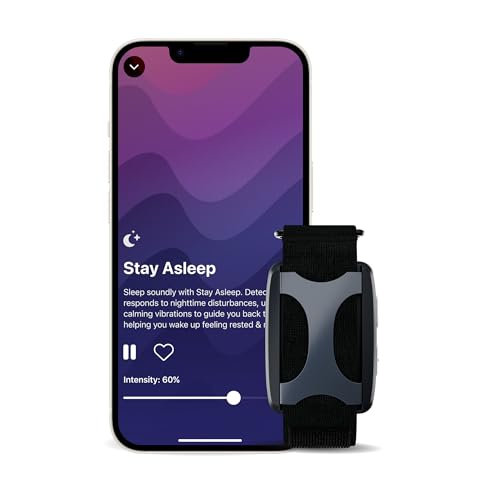
The Oura Ring and Whoop are the most accurate consumer options for sleep stages and HRV; a smartwatch (Apple Watch, Garmin) works too if you'd rather not wear a ring. Prioritize validated HRV and sleep-stage tracking over step counts, check whether it needs a subscription (Whoop does), and pick something comfortable enough to wear every night.

Frequently Asked Questions
How can I get a nexus letter for sleep apnea?
You can obtain a nexus letter for sleep apnea by asking a qualified treating physician, such as your sleep specialist, or by consulting an independent clinician who evaluates medical records. The clinician must conduct a comprehensive review of your service and medical records and author a detailed medical rationale explaining the connection. Before paying for an outside evaluation, speak with an accredited Veterans Service Officer to determine if your existing records already meet the evidentiary standard.
Is a nexus letter required for sleep apnea?
No, the VA does not legally require a document titled a nexus letter. The regulations do require evidence showing a link between your current sleep apnea and your military service. This link can be established through VA-arranged medical examinations, military service treatment records, or private medical opinions submitted by the claimant.
Can you provide an example of a nexus letter for sleep apnea?
No sample letter or fill-in-the-blank template appears here, because the letter has to state the medical rationale for one veteran's records, which a template cannot supply. Instead, our annotated structure section says what each part of the letter has to do. Those parts are the clinician's qualifications, the records reviewed, the diagnosis, the in-service event or primary condition, the medical rationale, the opinion statement, and the signature and date.
Who can write a nexus letter for sleep apnea?
Under 38 CFR 3.159(a)(1), any healthcare professional qualified through education, training, or experience to provide medical diagnoses and opinions can author a nexus letter. A treating sleep physician is often a practical author. They already hold your diagnostic sleep studies.
How much does a sleep apnea nexus letter cost?
The cost of a private sleep apnea nexus letter varies by medical provider, and no standardized or regulated fee exists. Costs depend on the clinician's independent rates and the volume of medical records requiring review. In contrast, examinations arranged directly by the VA are provided at no charge. Accredited Veterans Service Officers assist with claims without charging fees.
Can sleep apnea be claimed as secondary to PTSD with a nexus letter?
Yes. 38 CFR 3.310(a) allows a claim for sleep apnea as secondary to service-connected post-traumatic stress disorder, and a nexus letter is one way to supply the link that claim needs. The nexus letter must explain how the veteran's service-connected PTSD proximately caused or aggravated the sleep apnea. Whether a valid medical rationale exists depends entirely on the clinician's professional judgment after reviewing the veteran's specific medical records.
Topic updates
Get the weekly recovery roundup
Sleep, HRV, fatigue, burnout, cortisol rhythm, sleep apnea, overtraining, and stress physiology.
Want your sleep handled by a physician who works from your labs? See how Opt Health does it →
Check Where You Stand
Take our free health assessment to understand your metabolic, hormonal, and recovery risk factors — and get personalized recommendations.
Take the Free Assessment →Free · Takes 5 minutes · Instant results
Related Guides
-
Inspire Sleep Apnea Treatment: How It Works, Cost, and Results
STAR trial results, candidacy criteria, cost, and Medicare coverage.
-
Central Sleep Apnea: Causes, Symptoms, and Treatment Options
CNS vs airway mechanism, ASV vs CPAP, and causes including heart failure.
-
Sleep Apnea Treatment in Children: Why Pediatric OSA Is Treated Differently Than in Adults
Sleep apnea treatment in children: why pediatric OSA is treated differently than in adults.
See more related guides
-
Sleep Apnea VA Disability: How Claims Generally Work for Veterans
How sleep apnea VA disability claims generally work for veterans — education only, not legal advice.
-
Sleep Apnea, Fatigue, Weight Gain, and Metabolic Risk
Connect sleep apnea to fatigue, weight gain, testing, and treatment options.
-
Sleep Apnea Symptoms: Signs You're Not Breathing at Night
OSA warning signs: snoring, witnessed apneas, daytime sleepiness.
-
Sleep Apnea in Children
Pediatric sleep apnea symptoms by age, from infant breathing pauses to school-age hyperactivity.
-
Sleep Apnea Treatment Options Compared
CPAP, oral appliances, positional therapy, surgery — compared.
Affiliate disclosure: The Metabolic Journal is reader-supported. Some links above are affiliate or referral links and we may earn a commission at no extra cost to you. As an Amazon Associate we earn from qualifying purchases. Products are chosen on the merits; commissions never influence what we recommend. This is general information, not medical advice — talk to your clinician before acting.