Exercises for Sleep Apnea: Evidence, Numbers, and Limits
Medically reviewed by Dr. Michael Teplitsky, MD Last reviewed 2026-10-26
Clinical trial results, recomputed outcomes, and therapeutic limitations of physical training
Exercises for sleep apnea lowered the apnea-hypopnea index in clinical trials, moving moderate averages toward mild without reaching the normal range. Across the trials we recomputed, group-mean apnea-hypopnea index fell by 24 to 50 percent, which makes exercise an adjunct for mild to moderate disease; severe cases call for clinician-directed treatment.
Exercises for sleep apnea lower the apnea-hypopnea index on average, but they do not eliminate breathing events or cure the condition. Across published clinical trials, targeted throat exercises and structured aerobic programs lowered the apnea-hypopnea index enough to shift moderate obstructive sleep apnea toward the mild range. In the 2015 Camacho meta-analysis of myofunctional therapy, the mean apnea-hypopnea index fell from 24.5 to 12.3 events per hour, while an earlier randomized trial by Guimarães showed a decrease from 22.4 to 13.7 events per hour after three months of daily practice.
At The Metabolic Journal, we recomputed the published outcomes to determine what these changes mean for clinical categories. The numbers suggest that physical and oropharyngeal training functions as a supplemental treatment for mild to moderate obstructive sleep apnea. Severe disease calls for clinician-directed treatment.
Want help fixing your sleep for real?
Opt Health treats sleep as a measurable system — cortisol rhythm, thyroid, testosterone, inflammation — and works the biology behind bad sleep with a physician, not a sleep-hygiene checklist.
See Opt Health's sleep program →Because average trial outcomes remained within mild or moderate categories rather than dropping below 5 events per hour, exercise functions as a supportive therapy rather than a standalone curative intervention. Patients considering non-device options can also review our comparison of CPAP alternatives.
What the Trials Found
Clinical trials investigating exercises for sleep apnea reported lower mean AHI after exercise than before in every exercise group and pooled analysis described below. A systematic review and meta-analysis published by Camacho and colleagues in Sleep 2015 examined nine adult studies encompassing 120 patients undergoing myofunctional therapy. Their analysis found that the mean apnea-hypopnea index decreased from 24.5 to 12.3 events per hour, representing an average reduction of approximately 50 percent in adults. In addition, lowest oxygen saturation increased from 83.9 percent to 86.6 percent, objective snoring recorded on polysomnography dropped from 14.05 percent to 3.87 percent of total sleep time, and Epworth Sleepiness Scale scores fell from 14.8 to 8.2 points. The authors concluded that myofunctional therapy can serve as an adjunct to other sleep apnea treatments.
A broader meta-analysis published in Expert Review of Respiratory Medicine 2022 reviewed 15 studies with 237 patients practicing myofunctional therapy. Across this cohort, the mean apnea-hypopnea index declined from 28.0 to 18.6 events per hour. The lowest recorded oxygen saturation rose from 83.18 percent to 85.13 percent, and daytime sleepiness measured by the Epworth Sleepiness Scale decreased from 12.71 to 8.78 points. In this pool the mean AHI after therapy was still 18.6 events per hour.
Controlled experimental designs mirror these meta-analytic findings. In a randomized controlled trial published in the American Journal of Respiratory and Critical Care Medicine 2009, Guimarães and colleagues evaluated 31 patients with moderate obstructive sleep apnea. The intervention group completed approximately 30 minutes of daily oropharyngeal exercises targeting the tongue, soft palate, and lateral pharyngeal wall over three months. Among the 16 exercising participants, the apnea-hypopnea index decreased from 22.4 to 13.7 events per hour, daytime sleepiness dropped from 14 to 8 points, and neck circumference, snoring frequency, snoring intensity, and sleep quality scores all improved significantly without significant changes in body mass index or abdominal circumference. The 15 participants assigned to sham therapy experienced no significant changes.
General physical conditioning produces parallel improvements in nocturnal respiration. A randomized trial published in Sleep 2011 by Kline and colleagues evaluated 43 sedentary, overweight or obese adults with untreated obstructive sleep apnea having an index of 15 or greater. Participants assigned to the exercise group completed 150 minutes per week of moderate-intensity aerobic training alongside resistance training twice weekly for 12 weeks. Their mean index decreased from 32.2 to 24.6 events per hour, the oxygen desaturation index and the amount of N3 (deep) sleep changed significantly, without significant body weight loss. Conversely, control participants performing low-intensity stretching saw their mean index rise from 24.4 to 28.9 events per hour. A systematic review in Respiratory Medicine 2016 by Aiello and colleagues found that exercise as the sole intervention was associated with a lower AHI and lower Epworth scores across eight articles and 182 adults.
| Study | Who | Mean AHI Before | Mean AHI After |
|---|---|---|---|
| Camacho et al. 2015 | 120 adults across 9 studies | 24.5 | 12.3 |
| Expert Review 2022 | 237 patients across 15 studies | 28.0 | 18.6 |
| Guimarães et al. 2009 | 16 exercising adults with moderate OSA | 22.4 | 13.7 |
| Kline et al. 2011 (Exercise) | 27 exercising adults with moderate or severe OSA | 32.2 | 24.6 |
| Kline et al. 2011 (Stretching) | 16 control adults with stretching regimen | 24.4 | 28.9 |
In every exercise group and pooled analysis above, the mean AHI was lower after exercise than before (the stretching control rose), and none reached the normal range.
What the Numbers Mean
A mathematical reduction in breathing disturbances does not equate to complete disease resolution. In our internal analysis at The Metabolic Journal, we recomputed percent change and severity band from the published group means. The trials supplied the inputs and we did not run them, and the table below lets you check each row.
| Study Cohort | Percent Change | Severity Band Shift |
|---|---|---|
| Camacho 2015 adult pool | -49.8% | Moderate (24.5) to Mild (12.3) |
| Expert Review 2022 pool | -33.6% | Moderate (28.0) to Moderate (18.6) |
| Guimarães 2009 exercise arm | -38.8% | Moderate (22.4) to Mild (13.7) |
| Kline 2011 exercise arm | -23.6% | Severe (32.2) to Moderate (24.6) |
| Kline 2011 stretching control | +18.4% | Moderate (24.4) to Moderate (28.9) |
Crucially, no group mean in any of these trials reached the normal threshold of fewer than 5 events per hour. A 50 percent reduction produces fundamentally different medical outcomes depending on baseline severity. For an individual starting at an index of 20 events per hour, a 50 percent reduction lowers the measurement to 10 events per hour, which places the patient in the mild category. For an individual starting at 40 events per hour, that same 50 percent reduction results in 20 events per hour, leaving the individual in the moderate category. At a starting index of 60 events per hour, a 50 percent decrease leaves the index at 30 events per hour, which sits directly on the border between moderate and severe disease.
Examining these numbers requires understanding that pooled study collections combine diverse trial structures. Many papers included within the meta-analyses utilized uncontrolled before-and-after designs, and reporting group averages obscures significant differences in how individual patients respond to intervention. You can evaluate other medical pathways by visiting our guide on sleep apnea treatments.
Throat Exercises and Aerobic Exercise Compared
Targeted oropharyngeal regimens and full-body aerobic conditioning both improved sleep apnea outcomes in clinical trials. In the Guimarães randomized trial, participants completed targeted actions engaging the tongue, soft palate, and lateral pharyngeal walls, which lowered AHI, reduced neck circumference, and lessened snoring intensity without significant changes in body mass index or abdominal circumference.
Conversely, the aerobic and resistance protocol used in the Kline trial included 150 minutes per week of moderate-intensity aerobic activity alongside twice-weekly resistance training. This regimen lowered the apnea-hypopnea index and changed oxygen desaturations and N3 sleep significantly, yet it also operated without significant overall weight loss. Both trials reported AHI reductions without significant weight loss (Kline) or significant BMI change (Guimarães).
However, acute exertion does not confer immediate protection against airway collapse during sleep. A randomized crossover study published in 2025 evaluated 22 adults with sleep apnea who completed a single 40-minute treadmill session. While that isolated workout lowered systolic blood pressure, it did not change respiratory sleep parameters. In the trials, the benefit came from sustained programs. To understand baseline diagnostic criteria, visit our resource on sleep apnea symptoms.
What We Still Do Not Know
Significant gaps remain in scientific understanding regarding exercise for sleep apnea. Medical researchers have not determined the best specific set of throat exercises for sleep apnea, as protocols differ between trials. Furthermore, current literature does not document how long respiratory improvements persist after an individual ceases daily training routines, nor has research established long-term outcomes.
Trial data for severe sleep apnea also remains heavily constrained. Trial data in severe sleep apnea are limited beyond the Kline exercise group, whose baseline AHI averaged 32.2 events per hour. Readers can also review our guide on central sleep apnea.
Evidence in pediatric cohorts presents similar boundaries. A meta-analysis published in Sleep Medicine 2020 examined ten studies encompassing 241 children who practiced myofunctional therapy. In that pediatric population, the mean index fell from 4.32 to 2.48 events per hour, representing a 43 percent decrease. The investigators noted that myofunctional exercises serve as an adjunct for mild to moderate pediatric sleep apnea. Children's sleep apnea needs a pediatric clinician; explore detailed options in our guide on sleep apnea treatment in children.
Our Takeaway
Exercises for sleep apnea provide modest, measurable improvements in nighttime breathing pauses, but they are not a CPAP substitute. In the published trials, throat exercises and aerobic plus resistance training lowered average AHI, though not to the normal range. However, because no trial group achieved an average index in the healthy range below 5 events per hour, exercise must be understood as an adjunct tool rather than a standalone cure.
Patients diagnosed with severe sleep apnea, individuals who experience low oxygen, and anyone struggling with daytime sleepiness while driving must prioritize clinician-directed medical treatments. Patients can compare non-device therapies in our review of CPAP alternatives and evaluate other clinical options under sleep apnea treatments.
Sleep apnea is diagnosed by a sleep study and treated under a clinician. Consult a licensed clinician for diagnosis and to choose treatment.
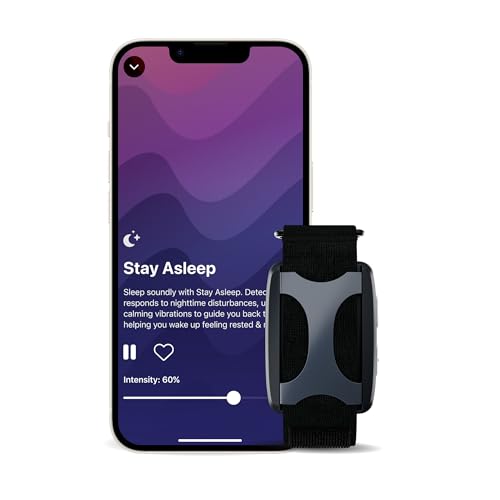
What to Look For in a Sleep & Recovery Tracker
The Oura Ring and Whoop are the most accurate consumer options for sleep stages and HRV; a smartwatch (Apple Watch, Garmin) works too if you'd rather not wear a ring. Prioritize validated HRV and sleep-stage tracking over step counts, check whether it needs a subscription (Whoop does), and pick something comfortable enough to wear every night.

Frequently Asked Questions
Do exercises for sleep apnea work?
Exercises for sleep apnea lower the apnea-hypopnea index on average, moving moderate sleep apnea toward mild in clinical trials, but they did not normalize scores in any group mean. They serve as an adjunct for mild to moderate obstructive sleep apnea; severe sleep apnea calls for clinician-directed treatment.
Can throat exercises stop snoring?
Throat exercises reduced snoring in clinical trials, but published evidence does not show that they stop snoring completely. In a 2015 meta-analysis, objective snoring fell from 14.05 percent to 3.87 percent of total sleep time, and a 2009 randomized trial found significant reductions in snoring frequency and intensity after three months of daily oropharyngeal exercises.
Can exercise cure sleep apnea?
Exercise does not cure sleep apnea. While clinical trials show that throat exercises and aerobic training reduce the frequency of breathing pauses, no trial group achieved an average apnea-hypopnea index in the normal range below 5 events per hour. For more details on clinical resolution, read our guide on whether sleep apnea can be cured.
Do exercises replace CPAP?
Exercises do not replace continuous positive airway pressure. Clinical trials evaluated targeted exercises as an adjunct therapy for mild to moderate obstructive sleep apnea, whereas severe sleep apnea requires medical evaluation and clinician-directed treatment.
How long until throat exercises work?
In clinical trials reporting measurable improvements, one randomized trial ran 3 months and another 12 weeks. A randomized trial of daily oropharyngeal exercises evaluated patients over three months, and a randomized trial of combined aerobic activity and resistance training lasted 12 weeks. Clinical literature does not document immediate results or guarantee specific timelines.
Topic updates
Get the weekly recovery roundup
Sleep, HRV, fatigue, burnout, cortisol rhythm, sleep apnea, overtraining, and stress physiology.
Want your sleep handled by a physician who works from your labs? See how Opt Health does it →
Check Where You Stand
Take our free health assessment to understand your metabolic, hormonal, and recovery risk factors — and get personalized recommendations.
Take the Free Assessment →Free · Takes 5 minutes · Instant results
Related Guides
-
Grip Strength by Age: What Pooled Norms and Weakness Cut-offs Show
Grip strength by age: pooled British medians, the EWGSOP2 weakness cut-offs, and what the PURE study linked to grip.
-
Triglyceride Levels Chart: Normal, Borderline, High and Very High, What Causes High Triglycerides and How to Lower Them
Triglyceride levels chart: normal, borderline, high and very high, what causes high triglycerides and how to lower them.
-
Triglycerides vs Cholesterol: What Each Is, How They Differ on a Lipid Panel, and Why One Can Be High While the Other Looks Normal
Triglycerides vs cholesterol: what each is, how they differ on a lipid panel, and why one can be high while the other looks normal.
See more related guides
-
Intermittent Fasting: What the Trials Show, Common Schedules, and Who Should Not Fast
Intermittent fasting: what the trials show, common schedules, and who should not fast.
-
Intermittent Fasting for Women: What the Evidence Covers, Periods, Midlife, and a Cautious Way to Start
Intermittent fasting for women: what the evidence covers, periods, midlife, and a cautious way to start.
-
How to Lower LDL Cholesterol: the Diet Levers and Their Measured LDL Effects, Retest Timing, and When Statins or Ezetimibe Come In
How to lower LDL cholesterol: the diet levers and their measured LDL effects, retest timing, and when statins or ezetimibe come in.
-
Atorvastatin vs Rosuvastatin: LDL Lowering by Dose, LODESTAR Outcomes, Side Effects, Kidney Dosing and Interactions
Atorvastatin vs rosuvastatin: LDL lowering by dose, LODESTAR outcomes, side effects, kidney dosing and interactions.
-
How to Lower Blood Pressure: the Measured mmHg Drops From DASH, Sodium, Weight, Exercise and Alcohol, and When a Reading Is an Emergency
How to lower blood pressure: the measured mmHg drops from DASH, sodium, weight, exercise and alcohol, and when a reading is an emergency.
Affiliate disclosure: The Metabolic Journal is reader-supported. Some links above are affiliate or referral links and we may earn a commission at no extra cost to you. As an Amazon Associate we earn from qualifying purchases. Products are chosen on the merits; commissions never influence what we recommend. This is general information, not medical advice — talk to your clinician before acting.