Can Sleep Apnea Be Cured or Only Controlled with Therapy
Medically reviewed by Medical Advisory Board Last reviewed 2026-09-30
Why the sources describe control rather than a guaranteed cure, and which options do the work
Treatment completely relieves symptoms and problems from sleep apnea in most cases, but the sources used here stop short of promising a cure. A person with mild obstructive sleep apnea linked to excess body weight may find that targeted lifestyle modifications help relieve their symptoms. Many others need a CPAP machine.
Understanding whether sleep apnea is curable requires separating obstructive sleep apnea from central sleep apnea. In obstructive sleep apnea (OSA), the upper airway is blocked repeatedly during sleep. In central sleep apnea, the brain does not send the signals needed to breathe. Which option fits depends on what is causing your sleep apnea. To check whether your nighttime signs indicate an airway blockage, review our guide to sleep apnea symptoms.
Partner · Opt Health
Want help fixing your sleep for real?
Opt Health treats sleep as a measurable system — cortisol rhythm, thyroid, testosterone, inflammation — and works the biology behind bad sleep with a physician, not a sleep-hygiene checklist.
See Opt Health's sleep program →Can Sleep Apnea Be Cured
MedlinePlus says that in most cases treatment completely relieves symptoms and problems from sleep apnea, yet the sources used here stop short of promising a cure.
MedlinePlus notes that surgery may not completely cure OSA and may have long-term side effects. MedlinePlus says surgery is often a last resort if other treatments did not work and you have severe symptoms.
MedlinePlus says untreated OSA may lead to or worsen heart arrhythmias, heart failure, heart attack, high blood pressure, and stroke. Evaluating your severity using an apnea-hypopnea index score explains what your sleep study result means. Explore our detailed breakdown of sleep apnea treatments to compare the primary clinical therapies.
Physical Causes That Decide Airway Collapse
Data published by the National Heart, Lung, and Blood Institute (NHLBI) lists the causes and risk factors for sleep apnea. The right option depends on the cause. Excess weight can add fat deposits around the neck that can block the upper airway. NHLBI says maintaining a healthy weight can help prevent or treat sleep apnea caused by obesity.
NHLBI says lifestyle factors can be changed, while age and family history cannot. Risk increases with advancing age, family history, and specific anatomical features such as an enlarged tongue, a thick neck circumference, or large tonsils. Hormone conditions also raise risk. NHLBI documentation connects sleep apnea risk to polycystic ovary syndrome (PCOS), low thyroid hormone levels, elevated insulin, and excess growth hormone.
A separate condition called central sleep apnea originates from a distinct mechanism. As outlined in NHLBI guidelines, central sleep apnea occurs when the brain does not send the signals needed to breathe. Health conditions that affect how the brain controls the airways and chest muscles cause this form of apnea.
Clinical Treatment Hierarchy and Evidence
Clinical treatments for obstructive sleep apnea span behavioral adjustments, mechanical pressure devices, dental appliances, muscle training, medications, and surgical modifications. The right option depends on the cause, and your clinician can help you choose.
| Option | Target Patient Profile | Clinical Purpose and Reported Evidence |
|---|---|---|
| Lifestyle Modifications | Mild sleep apnea | May help relieve symptoms in mild sleep apnea; includes losing excess weight, avoiding sleeping on your back, and avoiding alcohol before bed. |
| Continuous Positive Airway Pressure (CPAP) | Many people with OSA need a CPAP machine | PAP machines are the most common treatment; CPAP devices work well to treat OSA in most people. |
| Custom Oral Appliances | People who do not want or cannot tolerate CPAP | Reposition the lower jaw or hold the tongue forward; custom fabricated by a dentist or orthodontist. |
| Orofacial Myofunctional Therapy | Adults and children | Mouth and facial muscle exercises that NHLBI says may also be an effective treatment. |
| Injected Weight-Loss Medication | Moderate to severe OSA accompanied by clinical obesity | Weight-loss medicine injected under the skin (tirzepatide/Zepbound, approved December 2024); the provider also recommends physical activity and a healthy eating plan. |
| Upper Airway Surgery | People with severe symptoms when other treatments did not work | Modifies soft tissues, advances the jaw, or stimulates throat muscles; may not completely cure the disorder. |
Guidance from the National Health Service (NHS) confirms that lifestyle changes may be all that is needed for mild sleep apnea. Patients are advised to lose excess weight, quit smoking, and cut down on alcohol consumption. However, the NHS stresses that many individuals still need a CPAP machine.
For individuals who cannot tolerate positive airway pressure, oral devices are an option, and MedlinePlus says dental devices may help some people. The NHLBI notes that dentists or orthodontists custom fit mandibular repositioning mouthpieces and tongue-retaining devices. Specialized mouth and facial muscle exercises, known as orofacial therapy, may also be an effective treatment in children and adults, according to the NHLBI. Review our comparison of CPAP alternatives to explore other options, or read our guide on sleep apnea treatment in children for pediatric-specific protocols.
Weight Loss and Medical Injections
Weight reduction can treat or prevent obstructive sleep apnea caused by obesity. None of the sources here promises that weight loss cures it. NHLBI says obesity can add fat deposits in the neck that can block the upper airway.For mild sleep apnea, MedlinePlus lists losing excess weight among the lifestyle changes that may help relieve symptoms.
In December 2024, the Food and Drug Administration (FDA) approved a prescription weight-loss medication, tirzepatide, for people with moderate to severe obstructive sleep apnea and obesity. It is injected under the skin, and the provider will also recommend physical activity and a healthy eating plan. It may cause serious side effects in some cases. NHLBI says to tell your provider about any personal or family history of depression, thyroid tumors, kidney disease, or diabetic retinopathy. Learn more about clinical indications in our dedicated guide to tirzepatide for sleep apnea.
When behavioral changes and medical therapies fail to produce adequate results, weight-loss surgery represents another clinical pathway. The NHLBI lists bariatric surgery as an option for patients if obesity contributes to their sleep apnea and other treatments do not work.
Surgical Interventions and Anatomical Corrections
Surgical intervention provides structural alteration of the airway when other treatments did not work and you have severe symptoms. NHLBI and MedlinePlus list several procedures. Common structural operations include removing large tonsils and adenoids, removing tissue from the mouth and throat, and performing jaw advancement surgery to bring the upper or lower jaw forward. MedlinePlus also lists surgery that creates an opening in the windpipe to bypass a blocked airway.
Another surgical approach involves hypoglossal nerve stimulation. The NHS names hypoglossal nerve stimulation, and the NHLBI describes it as a device implanted under the skin of the chest. The device is connected to a nerve in the mouth, and MedlinePlus describes it as stimulating throat muscles. Read our complete guide to hypoglossal nerve stimulation implants to review surgical eligibility criteria.
MedlinePlus warns that surgery may not completely cure obstructive sleep apnea and may have long-term side effects.
Managing CPAP Therapy and Side Effects
MedlinePlus says CPAP devices work well to treat OSA in most people. According to the NHLBI treatment guidelines, positive airway pressure (PAP) machines often work best when paired with healthy lifestyle changes. The NHS says CPAP works best if you use it every night. MedlinePlus notes that it can take time to get used to CPAP, and good follow-up and support from a sleep center helps.
NHLBI says PAP side effects may include congestion, dry eyes or mouth, nosebleeds, and a runny nose. If CPAP is uncomfortable, the NHS says to tell your doctor.
The NHLBI says that if stomach discomfort or abdominal bloating occurs during PAP therapy, you should stop using the machine and contact your healthcare provider. If you suspect your breathing patterns have changed, explore our overview of taking a sleep apnea home test.
Clinical Monitoring and Follow-Up Care
MedlinePlus lists when to contact a provider. You should seek clinical attention if you feel very tired and sleepy during the day, if you or your family notice symptoms, or if your existing treatment stops improving your symptoms. Developing new symptoms is also a reason to contact a provider.
Who this is not for: central sleep apnea is a different condition, in which the brain does not send the signals needed to breathe. The options for obstructive sleep apnea do not describe it.
What would change our answer: a source that states sleep apnea can be permanently cured. The sources used here say treatment relieves symptoms in most cases, and that surgery may not completely cure OSA.
Ask your clinician which option fits the cause of your sleep apnea, and tell your provider if symptoms do not improve with treatment or new symptoms develop.
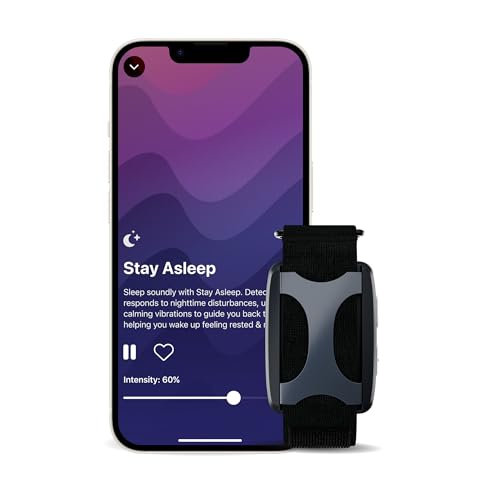
What to Look For in a Sleep & Recovery Tracker
The Oura Ring and Whoop are the most accurate consumer options for sleep stages and HRV; a smartwatch (Apple Watch, Garmin) works too if you'd rather not wear a ring. Prioritize validated HRV and sleep-stage tracking over step counts, check whether it needs a subscription (Whoop does), and pick something comfortable enough to wear every night.

Frequently Asked Questions
Can sleep apnea be cured?
The sources used here stop short of promising a cure, but MedlinePlus says treatment completely relieves symptoms and problems from sleep apnea in most cases. Lifestyle changes may help relieve symptoms in mild sleep apnea, and the NHS says many people need a CPAP machine.
Can sleep apnea be reversed with weight loss?
Weight loss can treat or prevent obstructive sleep apnea caused by obesity, but it does not guarantee a complete cure. The National Heart, Lung, and Blood Institute says maintaining a healthy weight can help prevent or treat sleep apnea caused by obesity, and MedlinePlus says losing excess weight may help relieve symptoms in mild sleep apnea. Age and family history cannot be changed, and none of the sources promises that weight loss cures it.
Does sleep apnea go away on its own?
The sources used here do not say sleep apnea goes away on its own. MedlinePlus says untreated OSA may lead to or worsen heart arrhythmias, heart failure, heart attack, high blood pressure, and stroke.
Is sleep apnea curable without CPAP?
Obstructive sleep apnea can sometimes be managed without CPAP through alternative clinical treatments. The NHLBI says oral devices are for people who do not want or cannot tolerate CPAP, and that orofacial therapy may also be effective. Lifestyle changes may help relieve symptoms in mild sleep apnea. None of the sources here promises that these options cure sleep apnea, so talk to your provider before changing your treatment.
Can surgery cure sleep apnea?
MedlinePlus warns that surgery may not completely cure OSA and may have long-term side effects. Options include tonsil removal, jaw advancement and hypoglossal nerve stimulation, and MedlinePlus says surgery is often a last resort if other treatments did not work and you have severe symptoms.
Topic updates
Get the weekly recovery roundup
Sleep, HRV, fatigue, burnout, cortisol rhythm, sleep apnea, overtraining, and stress physiology.
Want your sleep handled by a physician who works from your labs? See how Opt Health does it →
Check Where You Stand
Take our free health assessment to understand your metabolic, hormonal, and recovery risk factors — and get personalized recommendations.
Take the Free Assessment →Free · Takes 5 minutes · Instant results
Related Guides
-
Can Wegovy Cause Dizziness
Can Wegovy cause dizziness? The dehydration and insulin/sulfonylurea-interaction mechanisms, and when to seek care.
-
Can Constipation Cause Weight Gain? Retained Stool and Water vs. Real Fat Gain, and the Test That Tells Them Apart
Can constipation cause weight gain? Retained stool and water vs. real fat gain, and the bowel-movement test that tells them apart.
Affiliate disclosure: The Metabolic Journal is reader-supported. Some links above are affiliate or referral links and we may earn a commission at no extra cost to you. As an Amazon Associate we earn from qualifying purchases. Products are chosen on the merits; commissions never influence what we recommend. This is general information, not medical advice — talk to your clinician before acting.