Sleep Apnea AHI Score Severity Bands and Clinical Meaning
Medically reviewed by Medical Advisory Board Last reviewed 2026-09-30
What mild, moderate and severe mean on a sleep study result, and what to ask your specialist
Your sleep apnea AHI score tracks how many times breathing stops or drops per hour of sleep, with NHS criteria categorizing 5 to 14 as mild, 15 to 30 as moderate, and over 30 as severe. Your specialist also considers your symptoms and other conditions that can cause sleep apnea. Treatment pathways range from lifestyle modifications to positive airway pressure devices, oral appliances, or surgery.
Your sleep apnea apnoea-hypopnoea index (AHI) score measures how often your breathing stops or drops during an average hour of sleep. The National Health Service (NHS) groups these results into three established severity bands: 5 to 14 events per hour indicate mild sleep apnoea, 15 to 30 events indicate moderate sleep apnoea, and more than 30 events indicate severe sleep apnoea.
Your AHI score is only one input. Your specialist also considers your symptoms, a sleep diary, and other conditions that can cause sleep apnea. Whether you completed a home sleep test or an overnight in-lab evaluation, understanding your sleep apnea levels clarifies which therapies warrant discussion.
Partner · Opt Health
Want help fixing your sleep for real?
Opt Health treats sleep as a measurable system — cortisol rhythm, thyroid, testosterone, inflammation — and works the biology behind bad sleep with a physician, not a sleep-hygiene checklist.
See Opt Health's sleep program →Untreated sleep apnea can mean poor-quality sleep, trouble concentrating, and a higher risk of stroke and heart attack. To explore symptoms and clinical context in depth, see our overview of sleep apnea symptoms and our guide on sleep apnea recovery.
What the AHI Score Means
Your sleep apnea AHI score measures how often your breathing stops or drops per hour of sleep, which the NHS categorizes into three severity bands: 5 to 14 events for mild, 15 to 30 for moderate, and over 30 for severe.
| Severity Band | Sleep Apnea Events per Hour (AHI) |
|---|---|
| Mild | 5 to 14 |
| Moderate | 15 to 30 |
| Severe | Over 30 |
An AHI of 18 falls in the moderate band. The NHS says lifestyle changes may be all you need if your sleep apnoea is mild.
How Sleep Studies Calculate Your Score
According to the NHS, sleep tests can show whether you have sleep apnoea and how severe it is, based on how often your breathing stops while you sleep (your AHI score). If a general practitioner suspects you have sleep apnoea, they may refer you to a specialist sleep clinic. The NHS says you may be given devices that check breathing and heartbeat overnight, and you can usually do this at home, but sometimes you may need to stay in the clinic overnight.
MedlinePlus notes that a sleep study is needed to confirm obstructive sleep apnea and can be done at home or in a sleep lab. Other tests that may be done include pulse oximetry, arterial blood gas analyses, electrocardiograms (ECG), echocardiograms, and thyroid function studies.
The National Heart, Lung, and Blood Institute (NHLBI) explains that maintaining a sleep diary helps your medical provider evaluate your results. Logging your total sleep duration, sleep quality, and daytime drowsiness gives the sleep specialist more to work with. To understand how portable diagnostic equipment functions, read our detailed guide on sleep apnea home tests.
What the AHI Score Does Not Reveal
An AHI score records the frequency of breathing disruptions. It does not say which type of sleep apnea you have. The National Heart, Lung, and Blood Institute identifies two main forms of sleep apnea. Obstructive sleep apnea (OSA) happens when the upper airway is blocked repeatedly during sleep. Central sleep apnea occurs when the brain does not send the signals needed to breathe. For a comprehensive breakdown of neurological breathing disruptions, see our guide on central sleep apnea.
The numerical score also leaves out contributing medical factors that clinicians must investigate. The NHLBI notes that providers check for other conditions that can cause sleep apnea, such as polycystic ovary syndrome (PCOS) or altered thyroid hormone levels. Providers also ask about medicines such as opioids that could affect sleep or breathing. Recent travel to altitudes over 6,000 feet can cause sleep apnea symptoms for a few weeks.
The score does not capture symptoms such as daytime tiredness, trouble concentrating and mood swings, which the NHS lists for sleep apnoea.
Treatment Pathways by Severity Level
The NHS and NHLBI describe several treatment options, and your sleep specialist can help you choose among them. The options are lifestyle changes, PAP machines, oral devices, orofacial therapy, surgery and medicine.
- Lifestyle modifications: The NHS says lifestyle changes may be all you need if your sleep apnoea is mild. Recommended habits include regular physical activity, establishing consistent sleeping routines, maintaining a healthy body weight, limiting alcohol and caffeine intake, quitting smoking, and sleeping on your side rather than your back.
- Positive airway pressure devices: The NHLBI notes that positive airway pressure (PAP) machines are the most common treatment for sleep apnea. Continuous positive airway pressure (CPAP) delivers constant pressure. Bilevel positive airway pressure (BPAP) uses a different pressure when you breathe in and out. Auto-adjusting positive airway pressure (APAP) adjusts the pressure automatically. Compare these technologies in our guide on sleep apnea treatments and review CPAP alternatives.
- Oral appliances and orofacial therapy: Oral devices are an option if you do not want or cannot tolerate CPAP. NHLBI also lists orofacial therapy as a treatment option.
- Surgical procedures: Surgical approaches include hypoglossal nerve stimulation, tonsillectomy, tissue removal, jaw advancement, and weight-loss surgery. To read more about nerve stimulation, see our review of hypoglossal nerve stimulation for sleep apnea.
- Prescription medication: In December 2024, the Food and Drug Administration (FDA) approved tirzepatide (Zepbound) for moderate to severe obstructive sleep apnea in people with obesity. Review eligibility criteria in our guide to tirzepatide for sleep apnea.
For what the sources say about cure versus control, see our guide on whether sleep apnea can be cured.
Health Risks of an Untreated High Score
NHLBI says sleep apnea can stop the body getting enough oxygen.
NHLBI lists poor-quality sleep and trouble concentrating, making decisions and remembering. The NHS lists several serious health risks associated with untreated sleep apnoea, including high blood pressure, type 2 diabetes, heart disease, depression or mood changes, a higher chance of stroke, and a higher chance of a serious accident caused by tiredness. The NHLBI emphasizes that untreated disease carries an increased risk of heart attacks and strokes.
If you are documenting symptoms for health coverage or disability evaluations, see our resource on sleep apnea VA disability.
Questions to Bring to Your Sleep Specialist
Bring these questions to your sleep specialist appointment.
- Did my test detect obstructive events, central events, or a combination of both types?
- What does my AHI band mean for me?
- Do I need any other tests, such as an ECG or a blood test for thyroid hormone levels?
- Could underlying health conditions, such as thyroid irregularities, or my current medications be contributing to these events?
- Given my specific symptoms and score, do you recommend starting with lifestyle modifications, an oral appliance, or a positive airway pressure trial?
- How will we assess whether treatment is successfully resolving my daytime fatigue and cognitive symptoms?
Ask your sleep specialist to go through your full report with you.
What to Look For in a Sleep & Recovery Tracker
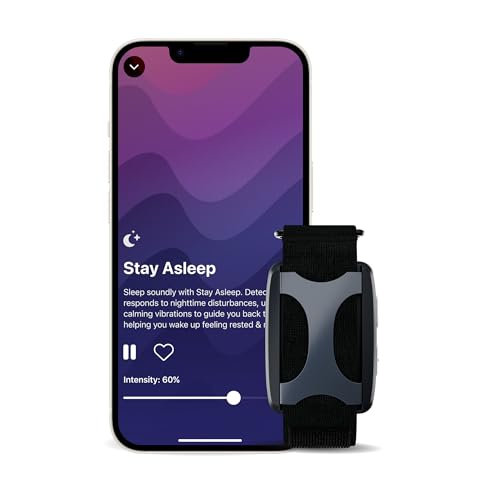
The Oura Ring and Whoop are the most accurate consumer options for sleep stages and HRV; a smartwatch (Apple Watch, Garmin) works too if you'd rather not wear a ring. Prioritize validated HRV and sleep-stage tracking over step counts, check whether it needs a subscription (Whoop does), and pick something comfortable enough to wear every night.

Frequently Asked Questions
What is a normal AHI score?
The NHS bands start at 5 events per hour for mild sleep apnoea, and the sources used here do not define a normal range beyond that threshold. If your test records fewer than 5 breathing pauses per hour, review the full report with your sleep specialist to confirm whether lingering symptoms like daytime sleepiness or loud snoring warrant further medical evaluation.
What is a severe AHI score?
A severe AHI score is anything over 30 breathing pauses per hour according to NHS criteria. Your sleep specialist can explain what a severe score means for you and which treatments to discuss.
Does a high AHI always mean I need a CPAP machine?
A high AHI does not automatically mean you must use a continuous positive airway pressure (CPAP) machine, although positive airway pressure is the most common treatment for sleep apnea. If you do not want or cannot tolerate CPAP, your physician may discuss bilevel positive airway pressure (BPAP), auto-adjusting devices (APAP), oral appliances, surgery, or prescription medication such as tirzepatide if you have moderate to severe sleep apnea alongside obesity.
Can I get my AHI from a home sleep test?
Yes, you can receive an AHI score from a home sleep test provided through your physician or a specialist sleep clinic. The NHS says the devices check breathing and heartbeat overnight, and you can usually do this at home, but sometimes you may need to stay in the clinic overnight.
Can my AHI change over time?
The sources used here do not say how an AHI score changes over time. The NHS and NHLBI name lifestyle changes, such as losing weight, limiting alcohol and sleeping on your side rather than your back, as ways to help treat sleep apnea, and your sleep specialist can advise you on your own result.
Topic updates
Get the weekly recovery roundup
Sleep, HRV, fatigue, burnout, cortisol rhythm, sleep apnea, overtraining, and stress physiology.
Want your sleep handled by a physician who works from your labs? See how Opt Health does it →
Check Where You Stand
Take our free health assessment to understand your metabolic, hormonal, and recovery risk factors — and get personalized recommendations.
Take the Free Assessment →Free · Takes 5 minutes · Instant results
Related Guides
-
Metabolic Health Score Calculator
Calculate your metabolic health score using AHA/NHLBI criteria.
Affiliate disclosure: The Metabolic Journal is reader-supported. Some links above are affiliate or referral links and we may earn a commission at no extra cost to you. As an Amazon Associate we earn from qualifying purchases. Products are chosen on the merits; commissions never influence what we recommend. This is general information, not medical advice — talk to your clinician before acting.