Sleep Apnea Home Test: Yes, Many People Can Test at Home
Medically reviewed by Medical Advisory Board Last reviewed 2026-09-30
Overnight home monitors measure breathing and heartbeat to detect obstructive sleep apnea under clinician guidance
A sleep apnea home test uses portable monitors to track breathing and heartbeat overnight. MedlinePlus and the NHS confirm that many people can complete diagnostic sleep studies at home, though a medical provider must evaluate your symptoms to determine whether an in-home test or an overnight clinic study is appropriate. Results identify the presence and severity of sleep apnea to guide clinical treatment.
You can test for obstructive sleep apnea (OSA) at home using portable diagnostic equipment if a doctor or healthcare provider determines you are an appropriate candidate. According to MedlinePlus, confirming obstructive sleep apnea requires a sleep study, which can take place either in your home or in a specialized sleep laboratory.
The National Health Service (NHS) notes that you may be given devices worn overnight that check things like breathing and heartbeat, and you can usually do this at home. Sometimes you may need to stay in the clinic overnight, the NHS says. A clinician determines which testing environment matches your situation, reviews your health history, and interprets the resulting data to plan your treatment. To explore long-term management strategies, see our guide on whether sleep apnea can be cured.
Partner · Opt Health
Want help fixing your sleep for real?
Opt Health treats sleep as a measurable system — cortisol rhythm, thyroid, testosterone, inflammation — and works the biology behind bad sleep with a physician, not a sleep-hygiene checklist.
See Opt Health's sleep program →Home Sleep Testing for Sleep Apnea
Yes, many people can test for sleep apnea at home, and a provider decides whether a home test or a clinic stay fits you. MedlinePlus states that a sleep study is needed to confirm obstructive sleep apnea, and it can be done at home or in a sleep lab. When a general practitioner (GP) suspects sleep apnea based on your symptoms, they may refer you to a specialist sleep clinic. You may be given devices that check breathing and heartbeat overnight.
The NHS says you can usually do this at home, but sometimes you may need to stay in the clinic overnight. Our overview of central sleep apnea explains how brain signaling failures differ from physical airway collapse.
What a Sleep Apnea Home Test Kit Measures
According to the NHS, the devices in a sleep apnea home test check things like breathing and heartbeat while you sleep.
The National Heart, Lung, and Blood Institute (NHLBI) notes that sleep studies can help diagnose which type of sleep apnea you have and how serious it is.
Understanding Diagnostic Results and the Apnea-Hypopnea Index
Diagnostic results from an overnight sleep study indicate whether you have sleep apnea and quantify the condition using the apnea-hypopnea index (AHI). The NHS bases the AHI score on how often your breathing stops while you sleep.
The NHS defines three clinical severity tiers based on the recorded score:
- Mild sleep apnea: an AHI score between 5 and 14 events per hour.
- Moderate sleep apnea: an AHI score between 15 and 30 events per hour.
- Severe sleep apnea: an AHI score exceeding 30 events per hour.
Alongside the numerical score, the study helps clinicians differentiate between obstructive sleep apnea, where the upper airway is blocked, and central sleep apnea, where the brain does not send the signals needed to breathe. For a deeper breakdown of what these numbers mean for your health, read our detailed guide on the sleep apnea AHI score.
Symptoms and Risk Factors That Warrant Testing
Loud snoring interrupted by silent pauses, choking sounds, and daytime tiredness are signs worth raising with a GP. According to MedlinePlus, loud snoring that begins soon after falling asleep and gets interrupted by gasps or snorts is a symptom of obstructive sleep apnea. Most people who have the condition do not realize their breathing stops during the night. A partner or family member usually observes the gasping or paused breathing first.
The NHS advises seeing a GP if your breathing stops and starts while you sleep, if you make gasping, snorting or choking noises, or if you are always very tired in the day. The signs below draw on the NHS and MedlinePlus:
- Breathing that stops and starts while you are asleep.
- Making gasping, choking, or snorting noises during the night.
- Waking up frequently or feeling unrefreshed in the morning.
- Daytime sleepiness, irritability, or forgetfulness.
- Falling asleep during the day at work or while driving.
- Suffering from morning headaches or difficult-to-treat high blood pressure.
Not everyone who snores has obstructive sleep apnea, so a sleep study is needed to confirm it. Physical and medical risk factors also influence your likelihood of airway collapse. MedlinePlus highlights that a neck circumference of 17 inches (43 centimeters) or more in men, or 16 inches (41 centimeters) or more in women, increases risk. A short lower jaw, large tonsils, a thick neck, or an enlarged tongue are also listed as risk factors. The NHLBI points to advancing age, obesity, and family medical history as additional risk factors, and MedlinePlus says sleeping on your back can narrow the airway. Endocrine disruptions like polycystic ovary syndrome (PCOS), low thyroid hormone levels, elevated growth hormone, and high insulin are also listed as risk factors. Review our complete guide to sleep apnea symptoms for more information.
Additional Diagnostic Checks Clinicians May Order
Providers may also order tests for other conditions that can cause sleep apnea. During your initial medical evaluation, your healthcare provider examines your mouth, throat, and neck. They also review daytime sleepiness and bedtime habits.
The NHLBI notes that providers may order blood tests for thyroid hormone levels, because thyroid conditions can cause sleep apnea. Providers may also check for PCOS. MedlinePlus states that additional diagnostic testing may include an electrocardiogram (ECG), an echocardiogram, arterial blood gas analysis, and pulse oximetry. Your doctor will also ask whether you take opioid medications or have recently traveled to altitudes above 6,000 feet, because opioids could affect sleep or breathing, and travel at that altitude can cause sleep apnea symptoms for a few weeks.
Preparing for Your Sleep Apnea Test at Home
Proper preparation for a sleep apnea test at home involves tracking your sleep patterns, documenting symptoms, and carefully following the equipment instructions provided by the sleep clinic.
Key steps to prepare for your home sleep study include:
- Keep a detailed sleep diary: The NHLBI says a sleep diary can help your provider. It records how long and how well you sleep and how sleepy you feel in the day.
- Collect partner observations: Ask a bed partner or family member to describe your snoring volume, breathing pauses, or nighttime choking episodes so you can share these details with your provider.
- Prepare your medication list: Bring an accurate record of the medicines you take to your doctor, noting any opioid pain medications.
- Follow sensor placement guides: Follow the clinic's instructions for wearing the devices overnight.
If you experience insomnia alongside sleep-related breathing difficulties, read our analysis on sleep apnea vs insomnia to understand how clinicians evaluate overlapping sleep disorders.
Next Steps After a Positive Test Result
After a positive result on an overnight sleep study, your provider will talk through treatment options with you. Obstructive sleep apnea is a serious medical condition when left untreated. MedlinePlus warns that untreated obstructive sleep apnea can trigger or worsen high blood pressure, heart failure, irregular heart rhythms (arrhythmias), heart attacks, and strokes.
Treatments named by MedlinePlus include:
- Continuous positive airway pressure (CPAP): MedlinePlus lists CPAP as a treatment.
- Lifestyle changes: MedlinePlus lists lifestyle changes, including avoiding sleeping on your back.
- Oral devices: MedlinePlus lists oral devices.
- Surgical procedures: MedlinePlus lists surgery.
- Prescription medications: In December 2024, tirzepatide (Zepbound) received approval as a treatment option for moderate to severe obstructive sleep apnea.
Explore our complete comparison of sleep apnea treatments to learn how each therapy functions.
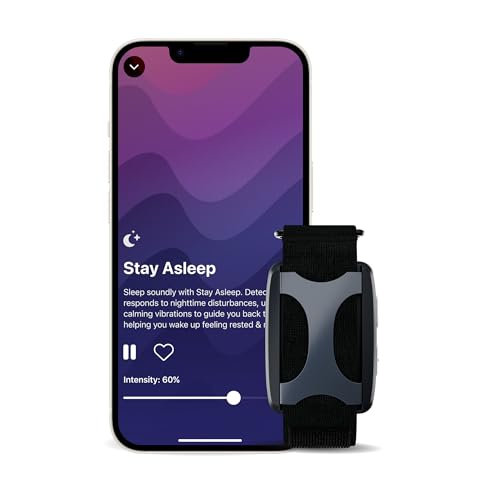
What to Look For in a Sleep & Recovery Tracker
The Oura Ring and Whoop are the most accurate consumer options for sleep stages and HRV; a smartwatch (Apple Watch, Garmin) works too if you'd rather not wear a ring. Prioritize validated HRV and sleep-stage tracking over step counts, check whether it needs a subscription (Whoop does), and pick something comfortable enough to wear every night.

Frequently Asked Questions
Can I test for sleep apnea at home?
Yes, you can test for obstructive sleep apnea at home if a healthcare provider determines that an in-home evaluation matches your health profile. MedlinePlus confirms that sleep studies can take place in your home or in an overnight sleep lab. The NHS notes that you may be given devices that check things like breathing and heartbeat while you sleep. You can usually do this at home, though sometimes you may need to stay in the clinic overnight.
How is sleep apnea diagnosed?
Sleep apnea is diagnosed through a clinical medical evaluation combined with an overnight sleep study that monitors your breathing and heartbeat. A healthcare provider reviews your symptom history, risk factors, family history, and bedtime habits while examining your mouth, neck, and throat. Doctors may also order blood tests to check thyroid function, screen for conditions like PCOS, or run other tests such as an ECG or an echocardiogram.
Do I need to see a sleep specialist first?
In the NHS pathway, a GP who suspects sleep apnoea may refer you to a specialist sleep clinic. The NHLBI says your provider asks about symptoms, risk factors and family history, then will ask you to see a sleep specialist or go to a center for a sleep study.
Can you have sleep apnea without snoring?
MedlinePlus confirms that not everyone who snores has obstructive sleep apnea, but the sources used here do not say whether sleep apnea can occur without snoring. If you experience chronic daytime sleepiness, morning headaches, or unrefreshing sleep without loud snoring, consult a healthcare provider for an individualized medical evaluation.
What happens if my home test is positive?
If your home sleep study is positive, your clinician will review your apnea-hypopnea index (AHI) score to establish whether your sleep apnea is mild, moderate, or severe. Your doctor will then recommend targeted therapies, which may include continuous positive airway pressure (CPAP) therapy, lifestyle modifications, oral appliances, surgical options, or medications like tirzepatide (Zepbound).
Topic updates
Get the weekly recovery roundup
Sleep, HRV, fatigue, burnout, cortisol rhythm, sleep apnea, overtraining, and stress physiology.
Want your sleep handled by a physician who works from your labs? See how Opt Health does it →
Check Where You Stand
Take our free health assessment to understand your metabolic, hormonal, and recovery risk factors — and get personalized recommendations.
Take the Free Assessment →Free · Takes 5 minutes · Instant results
Related Guides
-
How a Resting Metabolic Rate Test Measures Calorie Burn
What a resting metabolic rate (RMR) test measures via indirect calorimetry, how it's administered, and how it differs from a smart-scale metabolic-age estimate.
Affiliate disclosure: The Metabolic Journal is reader-supported. Some links above are affiliate or referral links and we may earn a commission at no extra cost to you. As an Amazon Associate we earn from qualifying purchases. Products are chosen on the merits; commissions never influence what we recommend. This is general information, not medical advice — talk to your clinician before acting.