Sleep Apnea vs Insomnia: How to Tell Them Apart (2026)
Medically reviewed by Medical Advisory Board Last reviewed 2026-07-13
Two very different sleep disorders that both leave you exhausted — and can occur together
Sleep apnea is a breathing disorder where the airway repeatedly narrows or closes during sleep, causing oxygen drops the sleeper rarely notices. Insomnia is a difficulty falling or staying asleep despite adequate opportunity, with no breathing disruption at all. Up to 40-50% of people with sleep apnea also have insomnia symptoms, a combination called COMISA.
This article is for informational purposes only and is not medical advice. A formal sleep study is required to diagnose sleep apnea; consult a physician or sleep specialist for evaluation and treatment.
Sleep apnea and insomnia are two of the most common sleep disorders. Both produce the same daytime complaint, exhaustion, which is why people frequently confuse them. The core difference is mechanical: sleep apnea is a breathing problem that happens during sleep, and the person is often unaware that it's occurring. Insomnia, by contrast, is difficulty initiating or maintaining sleep, and the person is fully aware of it. The two are not mutually exclusive, a large share of people have both at once. For symptom-level detail on each, see our sleep apnea symptoms and poor sleep quality guides.
Partner · Opt Health
Want help fixing your sleep for real?
Opt Health treats sleep as a measurable system — cortisol rhythm, thyroid, testosterone, inflammation — and works the biology behind bad sleep with a physician, not a sleep-hygiene checklist.
See Opt Health's sleep program →Sleep Apnea vs Insomnia at a Glance
The table below compares the two conditions across the dimensions that actually distinguish them — mechanism, what a bed partner notices, and how each is diagnosed and treated.| Dimension | Sleep Apnea | Insomnia |
|---|---|---|
| Core mechanism | Airway repeatedly narrows or closes, cutting off or reducing airflow | Brain/nervous-system arousal prevents falling or staying asleep; no breathing disruption |
| Awareness | Usually unaware of individual events; may wake gasping or choking | Fully aware — lying awake, watching the clock |
| Bed-partner clues | Loud snoring, witnessed pauses in breathing, gasping | Tossing, turning, getting up, no unusual breathing sounds |
| Diagnosis | Overnight sleep study (polysomnography) or home sleep apnea test, measuring the apnea-hypopnea index (AHI) | Clinical history + sleep diary; sometimes actigraphy; a sleep study is not required unless apnea is also suspected |
| Daytime symptom pattern | Sleepiness despite feeling like you slept through the night | Fatigue plus frustration/anxiety about not sleeping |
| First-line treatment | CPAP, oral appliance, positional therapy, weight loss, or surgery — see our sleep apnea treatment comparison | Cognitive behavioral therapy for insomnia (CBT-I) — the guideline first-line treatment, ahead of medication |
| Can they occur together? | Yes — comorbid insomnia and sleep apnea (COMISA) affects an estimated 40-50% of sleep apnea patients | |
How Sleep Apnea Actually Disrupts Sleep
Obstructive sleep apnea happens when the soft tissue at the back of the throat collapses during sleep, partially or fully blocking airflow. Each blockage triggers a brief arousal — often too short to remember — as the brain restores muscle tone to reopen the airway. Someone with moderate-to-severe apnea can experience 15-30+ of these events per hour without ever feeling like they woke up, which is why sleep apnea is so often undiagnosed: the sleeper reports feeling like they slept fine, just woke up exhausted.
How Insomnia Actually Disrupts Sleep
Insomnia is a disorder of the nervous system's arousal regulation, not the airway. People with insomnia are typically hyperaroused at bedtime — racing thoughts, physical tension, or conditioned anxiety about sleep itself ("I won't be able to fall asleep tonight either") that keeps the brain from downshifting into sleep. Chronic insomnia is often self-perpetuating: the frustration of lying awake becomes its own arousal trigger, which is exactly what CBT-I is designed to interrupt through sleep restriction, stimulus control, and cognitive restructuring rather than medication.
When You Have Both: COMISA
Comorbid insomnia and sleep apnea, or COMISA, is common enough that sleep specialists treat it as its own clinical pattern rather than two coincidental diagnoses. In COMISA, apnea-related arousals can trigger the hyperarousal that sustains insomnia, while insomnia-related anxiety about sleep can make CPAP adherence harder (mask anxiety compounds sleep-onset anxiety). Effective treatment usually addresses both at once — CBT-I to lower arousal and improve sleep consolidation, alongside apnea treatment (CPAP or an alternative) to resolve the breathing component. Treating only one side of COMISA is a common reason people feel their CPAP "isn't working" even when the AHI numbers on the device look good.
The Bottom Line: Which Do You Have?
Use these signals as a starting point, then get a professional evaluation:
- Loud snoring, witnessed breathing pauses, waking up gasping: sleep apnea is likely — ask about a sleep study.
- Lying awake unable to fall asleep, or waking at 3am and staying awake: insomnia is likely — CBT-I is the guideline-recommended first step.
- Both patterns, or CPAP that doesn't resolve daytime fatigue: ask your sleep specialist about COMISA — treating only the breathing component may not be enough.
Take the free assessment to map your sleep, energy, and metabolic symptoms before deciding which specialist or test to pursue first.
What to Look For in a Sleep & Recovery Tracker
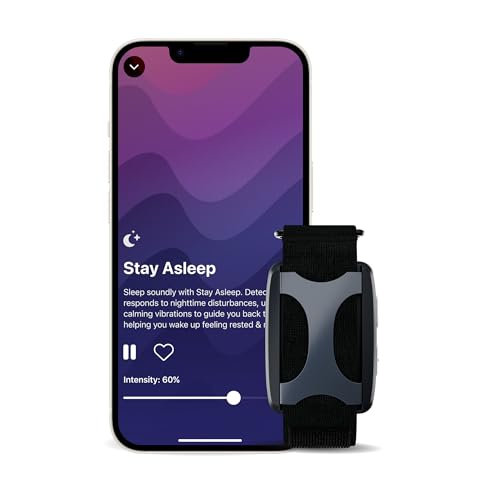
The Oura Ring and Whoop are the most accurate consumer options for sleep stages and HRV; a smartwatch (Apple Watch, Garmin) works too if you'd rather not wear a ring. Prioritize validated HRV and sleep-stage tracking over step counts, check whether it needs a subscription (Whoop does), and pick something comfortable enough to wear every night.

Frequently Asked Questions
Can insomnia be a symptom of sleep apnea?
Yes. Frequent apnea-related arousals can create the hyperarousal pattern that sustains insomnia, and difficulty falling back asleep after a choking or gasping arousal is common. This combination is called comorbid insomnia and sleep apnea (COMISA) and affects an estimated 40-50% of people diagnosed with sleep apnea.
How do doctors tell sleep apnea and insomnia apart?
Sleep apnea is confirmed with a sleep study (polysomnography or a home sleep apnea test) that measures breathing pauses and oxygen drops using the apnea-hypopnea index. Insomnia is diagnosed clinically from your sleep history and a sleep diary, without needing a sleep study unless apnea is also suspected.
Which is worse, sleep apnea or insomnia?
Neither is uniformly "worse" — they carry different risks. Untreated moderate-to-severe sleep apnea raises cardiovascular and metabolic disease risk through repeated oxygen drops. Chronic insomnia is more strongly linked to mood disorders, cognitive impairment, and reduced quality of life. Severity within each condition varies widely, so risk should be assessed individually rather than assumed from the diagnosis alone.
Can you have both sleep apnea and insomnia at the same time?
Yes, this is common enough to have its own name — COMISA (comorbid insomnia and sleep apnea). Effective treatment typically addresses both: CBT-I for the insomnia component and CPAP or an alternative for the breathing component, since treating only one often leaves daytime fatigue unresolved.
Does CPAP help with insomnia?
CPAP treats the breathing component of sleep apnea, and for people with COMISA it can improve sleep quality, but it does not directly treat insomnia's hyperarousal mechanism. Many sleep specialists add CBT-I alongside CPAP for COMISA patients rather than relying on CPAP alone to resolve both conditions.
Topic updates
Get the weekly recovery roundup
Sleep, HRV, fatigue, burnout, cortisol rhythm, sleep apnea, overtraining, and stress physiology.
Want your sleep handled by a physician who works from your labs? See how Opt Health does it →
Check Where You Stand
Take our free health assessment to understand your metabolic, hormonal, and recovery risk factors — and get personalized recommendations.
Take the Free Assessment →Free · Takes 5 minutes · Instant results
Related Comparisons
-
Sleep Apnea Treatment Options Compared
CPAP, oral appliances, positional therapy, surgery — compared.
-
Sleep Apnea, Fatigue, Weight Gain, and Metabolic Risk
Connect sleep apnea to fatigue, weight gain, testing, and treatment options.
-
Sleep Apnea Symptoms: Signs You're Not Breathing at Night
OSA warning signs: snoring, witnessed apneas, daytime sleepiness.
See more related comparisons
-
Sleep Apnea in Children
Pediatric sleep apnea symptoms by age, from infant breathing pauses to school-age hyperactivity.
-
Inspire Sleep Apnea Treatment: How It Works, Cost, and Results
STAR trial results, candidacy criteria, cost, and Medicare coverage.
-
Central Sleep Apnea: Causes, Symptoms, and Treatment Options
CNS vs airway mechanism, ASV vs CPAP, and causes including heart failure.
-
Sleep Apnea Treatment in Children: Why Pediatric OSA Is Treated Differently Than in Adults
Sleep apnea treatment in children: why pediatric OSA is treated differently than in adults.
-
Sleep Apnea VA Disability: How Claims Generally Work for Veterans
How sleep apnea VA disability claims generally work for veterans — education only, not legal advice.
Affiliate disclosure: The Metabolic Journal is reader-supported. Some links above are affiliate or referral links and we may earn a commission at no extra cost to you. As an Amazon Associate we earn from qualifying purchases. Products are chosen on the merits; commissions never influence what we recommend. This is general information, not medical advice — talk to your clinician before acting.