Sleep Apnea Symptoms in Children: Signs by Age Group
Medically reviewed by Medical Advisory Board Last reviewed 2026-08-19
How pediatric sleep apnea shows up differently at every age, from infants to teens
Sleep apnea symptoms in children change by age, from breathing pauses and poor feeding in infants to loud snoring and hyperactivity in toddlers and school kids.
Pediatric sleep apnea rarely looks like the adult version most people imagine. Most children with obstructive sleep apnea (OSA) snore loudly.
But many also show hyperactivity or trouble focusing, instead of falling asleep during the day. This pattern leads to frequent misdiagnosis as attention-deficit/hyperactivity disorder (ADHD).
Partner · Opt Health
Want help fixing your sleep for real?
Opt Health treats sleep as a measurable system — cortisol rhythm, thyroid, testosterone, inflammation — and works the biology behind bad sleep with a physician, not a sleep-hygiene checklist.
See Opt Health's sleep program →Symptoms also change with age. An infant with sleep apnea presents very differently than a toddler with enlarged tonsils. A teenager's symptoms can look closer to the adult pattern instead.
Our overview of sleep apnea symptoms covers the adult pattern in full. This guide focuses instead on what to watch for at each stage of childhood.
If you notice these signs in a school-age child, start by reading the symptom breakdown below. Then, for treatment planning, turn to our guide to sleep apnea treatment in children. It explains what happens next, including when surgery is recommended instead of CPAP.
Why Pediatric Symptoms Differ From Adult Symptoms
Adult sleep apnea often announces itself through daytime sleepiness. A tired adult falls asleep in meetings or while driving. Children rarely react to poor sleep the same way.
A sleep-deprived child's nervous system tends to respond with the opposite effect: more activity, not less. Hyperactivity, irritability, and trouble concentrating are the pediatric equivalent of adult daytime fatigue. Pediatric sleep specialists often see these signs mistaken for ADHD before anyone connects them to disrupted breathing at night.
Several other signs are more common in children than in adults. Bedwetting past the age it's expected can signal disrupted sleep. Mouth breathing, both during sleep and while awake, often points to a blocked airway.
Some children also sleep with the neck stretched back, called hyperextension. This unconscious position can open the airway slightly and make breathing easier. Parents sometimes notice it without realizing what it means.
Sleep Apnea Symptoms in Infants Under 1 Year
Sleep apnea in infants calls for prompt medical evaluation, not home monitoring. Pauses in breathing during sleep are a main warning sign in this age group. Noisy or labored breathing and trouble feeding well are warning signs too.
Poor weight gain despite normal feeding attempts is another red flag. So is unusual sweating during sleep or a bluish tint around the lips during a breathing pause. These signs call for a same-day call to the pediatrician, not a wait-and-see approach.
Infant sleep apnea often differs physiologically from the toddler and school-age versions. Babies are more likely to have a central component.
This means the brain briefly fails to signal the breathing muscles, rather than a purely physical airway blockage. That distinction affects both diagnosis and treatment.
Do not try to diagnose or manage suspected sleep apnea in an infant on your own. Call your pediatrician promptly for breathing pauses, unusual breathing noise, or a baby who tires quickly during feeds.
Sleep Apnea Symptoms in Toddlers and Preschoolers (Ages 1-5)
Loud, habitual snoring is the most noticeable sign of sleep apnea in toddlers and preschoolers. Parents also commonly witness actual pauses in breathing, followed by a gasp or snort as breathing restarts. Restless sleep and frequent position changes often go along with it.
Mouth breathing, both at night and during the day, is common in this age group. Enlarged tonsils and adenoids are the leading cause of sleep apnea at this age. They physically narrow the airway during sleep.
These symptoms can appear at any point between ages one and five, sometimes building gradually as tonsils and adenoids grow. If your toddler or preschooler shows several signs together, a pediatrician visit is the right next step.
Sleep Apnea Symptoms in School-Age Children and Teens
School-age children and teenagers show a mix of younger pediatric signs and adult-style symptoms. Snoring, mouth breathing, and behavior changes still appear, but daytime sleepiness becomes more noticeable as children get older. Teenagers, including teen girls, can present closer to the adult pattern described in our sleep apnea symptoms overview.
Treatment options also expand at this age. Surgery, orthodontic approaches, and CPAP are all possible, depending on the underlying cause.
Our guide to sleep apnea treatment in children covers how doctors choose between these options. It also explains what to expect from each treatment.
Normal Childhood Sleep vs. a Symptom Pattern
Not every restless night points to sleep apnea. Children move more during sleep than adults. Occasional snoring during a cold or allergy season is common and usually temporary.
A few patterns suggest something more persistent. Snoring most nights, not just during illness, is one signal. Snoring paired with pauses, gasping, or very restless sleep is another.
Consistency is the clearest difference between the two. A single loud night after a stuffy nose rarely means much on its own. The same pattern repeating for weeks is worth mentioning to a pediatrician.
When to See a Doctor
Pediatric sleep apnea is both diagnosable and treatable, so recognizing symptoms should lead to evaluation, not worry. Bring your child to a pediatrician for loud snoring several nights a week. Witnessed pauses in breathing and daytime behavior changes, like hyperactivity or trouble focusing, are also reasons to go.
A pediatrician can examine your child's tonsils and adenoids and ask about sleep patterns. They can refer you to a pediatric ENT or sleep specialist if needed. A sleep study, called polysomnography, is the standard way to confirm a diagnosis and measure its severity.
Once you have a diagnosis, or a strong suspicion, move to our guide to sleep apnea treatment in children. It explains what typically happens next, including why surgery usually comes before CPAP in kids.
What to Look For in a Sleep & Recovery Tracker
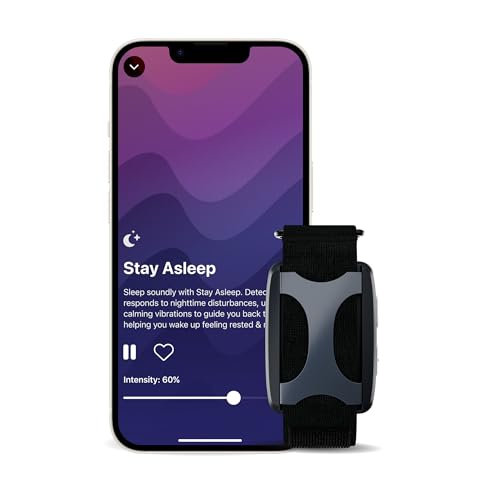
The Oura Ring and Whoop are the most accurate consumer options for sleep stages and HRV; a smartwatch (Apple Watch, Garmin) works too if you'd rather not wear a ring. Prioritize validated HRV and sleep-stage tracking over step counts, check whether it needs a subscription (Whoop does), and pick something comfortable enough to wear every night.

Frequently Asked Questions
What are the first signs of sleep apnea in a baby?
The first signs of sleep apnea in a baby are breathing pauses during sleep and noisy or labored breathing. Trouble feeding well is another early sign. Poor weight gain despite normal feeding attempts can also appear. Infant symptoms need prompt evaluation by a pediatrician rather than home monitoring.
Can a 1, 2, or 3-year-old have sleep apnea?
Yes, sleep apnea is common in toddlers between ages one and five. Enlarged tonsils and adenoids are the most frequent cause at this age. Loud snoring, witnessed breathing pauses, restless sleep, and mouth breathing are the typical signs to watch for.
Is sleep apnea in children often mistaken for ADHD?
Yes, this happens often. Children with sleep apnea tend to show hyperactivity, irritability, and trouble concentrating instead of the daytime sleepiness adults typically show. These behavioral symptoms can resemble attention-deficit/hyperactivity disorder until a doctor connects them to disrupted sleep.
Do teen girls show different sleep apnea symptoms than younger children?
Teen girls with sleep apnea often show a symptom pattern closer to adults than younger children do. Daytime sleepiness, mood changes, and fatigue tend to be more prominent, alongside snoring and mouth breathing. Our sleep apnea symptoms overview covers the adult-pattern signs in more detail.
What causes sleep apnea in children?
Enlarged tonsils and adenoids are the most common cause of sleep apnea in toddlers and school-age children. Infants are more likely to have a central component involving the brain's breathing signal, rather than a purely physical blockage. Obesity, craniofacial differences, and neuromuscular conditions can also contribute at any age.
How is pediatric sleep apnea diagnosed?
A sleep study, called polysomnography, is the standard way to diagnose sleep apnea in children. It records breathing, oxygen levels, and brain activity overnight, often in a pediatric sleep lab. Some cases move straight to a surgical referral when enlarged tonsils and a strong symptom history are both present. This decision is always the treating doctor's call.
Does sleep apnea in children get better on its own?
Sleep apnea in children does not reliably resolve without treatment. Tonsils and adenoids can shrink somewhat as a child grows, but that isn't a treatment plan. Waiting without evaluation risks ongoing sleep disruption and daytime effects on mood and learning. A pediatrician can help you decide whether to monitor or move toward treatment.
Should I wake my child if I notice a breathing pause?
You do not need to wake your child for a brief pause followed by normal breathing. This can be part of the normal pattern of pediatric sleep apnea. Watch for a repeated pattern instead, and describe what you see to a pediatrician. Call your pediatrician promptly if pauses seem long, frequent, or come with gasping or bluish skin color.
Topic updates
Get the weekly recovery roundup
Sleep, HRV, fatigue, burnout, cortisol rhythm, sleep apnea, overtraining, and stress physiology.
Want your sleep handled by a physician who works from your labs? See how Opt Health does it →
Check Where You Stand
Take our free health assessment to understand your metabolic, hormonal, and recovery risk factors — and get personalized recommendations.
Take the Free Assessment →Free · Takes 5 minutes · Instant results
Related Reading
-
Sleep Apnea Treatment in Children: Why Pediatric OSA Is Treated Differently Than in Adults
Sleep apnea treatment in children: why pediatric OSA is treated differently than in adults.
-
Sleep Apnea Symptoms: Signs You're Not Breathing at Night
OSA warning signs: snoring, witnessed apneas, daytime sleepiness.
-
Sleep Apnea, Fatigue, Weight Gain, and Metabolic Risk
Connect sleep apnea to fatigue, weight gain, testing, and treatment options.
See more related reading
-
Sleep Apnea Treatment Options Compared
CPAP, oral appliances, positional therapy, surgery — compared.
-
Sleep Apnea vs Insomnia: How to Tell Two Very Different Sleep Disorders Apart
Sleep apnea vs insomnia: how to tell two very different sleep disorders apart, and what COMISA means.
-
Inspire Sleep Apnea Treatment: How It Works, Cost, and Results
STAR trial results, candidacy criteria, cost, and Medicare coverage.
-
Central Sleep Apnea: Causes, Symptoms, and Treatment Options
CNS vs airway mechanism, ASV vs CPAP, and causes including heart failure.
-
Sleep Apnea VA Disability: How Claims Generally Work for Veterans
How sleep apnea VA disability claims generally work for veterans — education only, not legal advice.
Affiliate disclosure: The Metabolic Journal is reader-supported. Some links above are affiliate or referral links and we may earn a commission at no extra cost to you. As an Amazon Associate we earn from qualifying purchases. Products are chosen on the merits; commissions never influence what we recommend. This is general information, not medical advice — talk to your clinician before acting.