7-Day Insulin Resistance Meal Plan (With Grocery List)
Medically reviewed by Medical Advisory Board Last reviewed 2026-07-01
A structured week of meals built around protein, fiber, and food order to help stabilize blood sugar.
A 7-day insulin resistance meal plan built on protein-forward breakfasts, fiber-first meals, and smart food order — plus a full grocery list.
This article is for informational purposes only and is not medical advice. Consult a physician for medical guidance.
An effective insulin resistance meal plan is built on a repeatable framework, not a rigid menu: a protein- and fiber-forward breakfast, a lunch and dinner built around a lean protein plus non-starchy vegetables plus a controlled portion of slow-digesting carbohydrate, and consistent meal timing that avoids long stretches of grazing. This page turns that framework into a full 7-day plan with a matching grocery list, so you can see what it looks like in practice rather than just in principle.
Partner · Opt Health
Want insulin resistance treated, not just named?
Opt Health tests fasting insulin and HOMA-IR — the markers most panels skip — and treats the resistance itself with a physician-built plan rather than waiting for glucose to drift into the diabetic range.
Read Opt Health on insulin resistance →The plan below is a template you can adapt, not a prescription. Individual calorie and carbohydrate needs vary based on body size, activity level, medications, and other health conditions. To learn more about the underlying dietary principles and why they work, see our guides to the insulin resistance diet and reversing insulin resistance. If you take insulin or a glucose-lowering medication, review any meal plan with your physician or a registered dietitian first, since changes in carbohydrate intake can affect dosing needs.
The Meal-Building Framework Behind This Plan
Every day in this plan follows the same structure, which is more important than any single recipe:
- Protein at every meal (20–35g). Protein blunts the post-meal glucose and insulin spike compared with a carbohydrate-only meal and supports satiety, which makes the rest of the plan easier to sustain.
- Fiber-first, non-starchy vegetables filling half the plate. Fiber slows gastric emptying and glucose absorption; aiming for 25–35g of fiber a day is a reasonable general target for most adults.
- A controlled portion of slow-digesting carbohydrate (legumes, intact whole grains, starchy vegetables) rather than refined grains or added sugars, sized to roughly a cupped handful per meal as a starting point.
- Healthy fat in modest amounts (olive oil, nuts, avocado, fatty fish) to support satiety without displacing protein.
- Consistent meal timing — three structured meals rather than frequent grazing — which gives insulin levels a chance to fall between meals instead of staying elevated most of the day.
This framework is the same one detailed in our insulin resistance diet guide; this page simply applies it to a concrete week so you can shop and cook from it directly.
The 7-Day Meal Plan
| Day | Breakfast | Lunch | Dinner |
|---|---|---|---|
| Mon | 3-egg veggie omelet + avocado | Grilled chicken salad, olive oil vinaigrette, ½ cup quinoa | Baked salmon, roasted broccoli, ½ cup lentils |
| Tue | Greek yogurt, chia seeds, berries, walnuts | Turkey and vegetable stir-fry over cauliflower rice | Lean beef chili with black beans, side salad |
| Wed | Cottage cheese with flaxseed and sliced apple | Tuna salad (olive-oil mayo) over greens, chickpeas | Grilled chicken thighs, roasted Brussels sprouts, ½ cup farro |
| Thu | Veggie egg muffins + side of berries | Leftover chili, side salad | Baked cod, sautéed spinach, ½ cup wild rice |
| Fri | Protein smoothie: whey/plant protein, spinach, flax, berries | Grilled shrimp bowl, cauliflower rice, black beans | Turkey burger (no bun), side salad, roasted sweet potato (small) |
| Sat | Omelet with smoked salmon and greens | Chicken and vegetable soup, side of lentils | Grilled steak, roasted asparagus, ½ cup quinoa |
| Sun | Greek yogurt parfait with nuts and berries | Leftover steak salad | Baked chicken, roasted mixed vegetables, ½ cup chickpea pasta |
Portions should be adjusted to your own calorie needs, and the starchy-carbohydrate sides (quinoa, lentils, farro, rice, sweet potato) can be scaled up or down based on activity level and how your blood sugar responds — this is where a continuous glucose monitor or simple post-meal check-ins can be informative.
Grocery List for the Week
A single shopping trip can cover most of this plan. Organize by category to make the store trip faster:
- Proteins: eggs, Greek yogurt, cottage cheese, chicken breast and thighs, ground turkey, lean ground beef, salmon, cod, shrimp, canned tuna, smoked salmon, whey or plant protein powder, steak.
- Legumes & whole grains: black beans, chickpeas, lentils, quinoa, farro, wild rice, chickpea pasta.
- Non-starchy vegetables: spinach, mixed greens, broccoli, Brussels sprouts, asparagus, cauliflower, bell peppers, cucumbers, tomatoes.
- Starchy vegetables (limited): one or two sweet potatoes.
- Fruit: berries (fresh or frozen), one or two apples.
- Fats & extras: olive oil, avocado, walnuts, almonds, chia seeds, ground flaxseed.
- Pantry staples: canned diced tomatoes, low-sodium broth, spices, vinegar for dressings.
Batching proteins and grains earlier in the week (for example, cooking a large batch of chicken, lentils, and quinoa on Sunday) makes the weekday meals faster to assemble and reduces the temptation to substitute a lower-quality convenience option.
Meal Timing and Food Order Matter as Much as What You Eat
Two habits amplify the effect of the meals above without changing a single ingredient. The first is food order: eating vegetables and protein before higher-carbohydrate foods in the same meal has been shown in small clinical studies to blunt the post-meal glucose spike compared with eating the same foods in the reverse order or all at once. Simply eating the salad or vegetables first, then protein, then any starch or grain last, is a free adjustment that works with any of the meals above.
The second is consistent meal timing. Spacing meals several hours apart, rather than grazing throughout the day, allows insulin levels to fall between meals instead of staying persistently elevated — one of the mechanisms thought to worsen insulin resistance over time. Many people also find that avoiding food for 2–3 hours before bed helps morning glucose readings, since the body's insulin sensitivity is naturally lower in the evening for most people. Neither habit requires eliminating a food group; both are structural changes to when and in what order you eat the plan above.
Adjusting the Plan to Your Needs
This plan is a starting template, and it should flex to fit your body, preferences, and any existing conditions. If you are also using supplements as part of a broader plan, see our overview of insulin resistance supplements for what has reasonable evidence and what does not. If you are unsure whether your carbohydrate tolerance matches the portions above, tracking blood glucose response for a week or two — with a glucometer or continuous glucose monitor — can help you personalize portion sizes without guesswork.
People managing diabetes medication, pregnancy, kidney disease, disordered eating history, or other conditions that affect nutrition needs should build a meal plan with a physician or registered dietitian rather than following a generic template, since carbohydrate reduction can require medication adjustments to avoid low blood sugar.
How to test metabolic markers at home
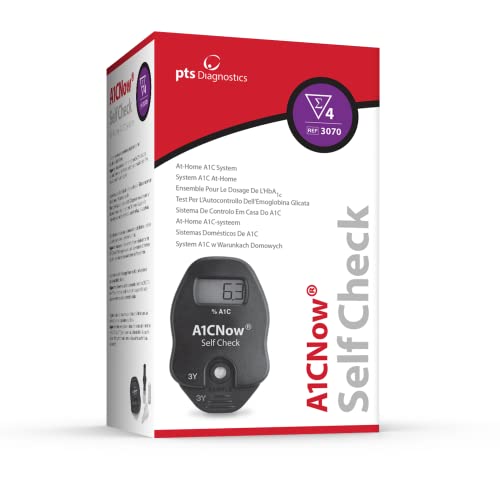
You don't need a lab appointment to check your own metabolic markers — a few at-home kits mail you a collection kit and return physician-reviewed results online within days:
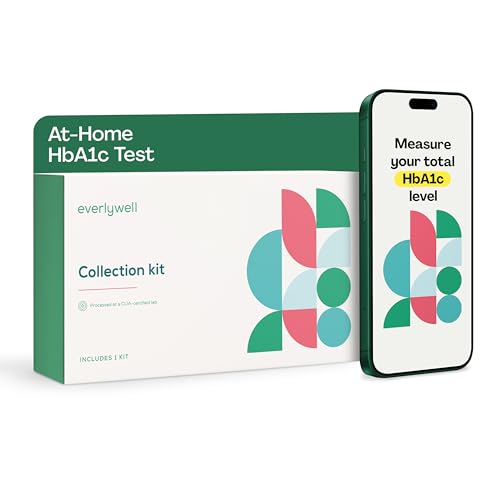
Prefer to order direct? The Everlywell HbA1c Test uses a CLIA-certified lab, physician-reviewed results, and prepaid return shipping.
What to Look For in a Continuous Glucose Monitor (CGM)
Over-the-counter CGMs like Dexcom Stelo and Abbott Lingo now sell without a prescription. Check the wear time (14–15 days per sensor), whether it reads to your phone or needs a separate device, and the monthly cost. For seeing how your own body responds to meals, a month or two is usually enough — you don't need to wear one forever.


What Makes a Good Fiber Supplement
For blood-sugar and cholesterol support you want SOLUBLE fiber — psyllium husk is the best studied. Start with one teaspoon and build up with plenty of water to avoid bloating, and take it 10–15 minutes before carb-heavy meals. Choose an unsweetened, additive-free powder or capsule.


Frequently Asked Questions
How many carbs should I eat per meal with insulin resistance?
There is no single number that fits everyone, but many clinicians suggest starting with roughly 30–45 grams of carbohydrate per meal, prioritizing fiber-rich and slow-digesting sources like legumes, intact whole grains, and vegetables over refined carbohydrates and added sugar. Individual tolerance varies with activity level, body size, and medication use, so tracking your own glucose response is the most reliable way to fine-tune portions.
Can I follow this meal plan if I have Type 2 diabetes?
The general framework — protein at every meal, fiber-forward vegetables, controlled slow-digesting carbohydrates, and consistent meal timing — is broadly consistent with dietary guidance for Type 2 diabetes. However, anyone on insulin or a glucose-lowering medication should review specific portions and timing with their physician or a registered dietitian first, since reducing carbohydrate intake can change medication dosing needs and raise the risk of low blood sugar if not adjusted.
Does eating order really affect blood sugar?
Yes. Small clinical studies have found that eating vegetables and protein before carbohydrate-rich foods in the same meal produces a lower post-meal glucose and insulin spike than eating the same foods in reverse order. It is a simple, no-cost adjustment that can be applied to any meal, including the ones in this plan.
Do I need to eliminate all carbohydrates to improve insulin resistance?
No. Most evidence-based approaches to insulin resistance focus on carbohydrate quality and portion, not elimination — favoring fiber-rich, slow-digesting sources like legumes, vegetables, and intact whole grains over refined grains and added sugar, rather than removing carbohydrates entirely. For more on the underlying dietary principles, see our guide to the insulin resistance diet.
How long before I see results from a meal plan like this?
Some markers can shift within weeks — post-meal glucose readings and energy levels often improve within two to four weeks of consistent changes — while lab markers like HOMA-IR, A1C, or fasting insulin typically need eight to twelve weeks or longer to show a meaningful change. Consistency matters more than perfection; occasional deviations are normal and do not undo the overall pattern.
Is keto or a very low-carb diet better than this meal plan for insulin resistance?
Not clearly, based on the best head-to-head evidence available. A secondary analysis of the DIETFITS randomized trial found that a ketogenic-style low-carb diet and an ultra-low-fat diet produced a similar roughly 30% reduction in HOMA-IR from baseline that persisted at 12 months, with no statistically significant difference between the two approaches. Ketogenic diets can also raise LDL cholesterol in some people, which is worth monitoring if you try one. The framework on this page — protein-forward meals, fiber-first vegetables, and a controlled (not eliminated) portion of slow-digesting carbohydrate — is easier for most people to sustain long-term than strict ketogenic carbohydrate restriction, and sustainability is what ultimately determines whether any diet actually improves insulin resistance. If you're already doing well on keto, the evidence doesn't say you need to switch; if you're deciding between approaches, either can work if you can stick with it.
Does this meal plan work for PCOS-related insulin resistance?
Yes — the core framework (protein at every meal, fiber-forward vegetables, controlled slow-digesting carbohydrates, consistent meal timing) applies just as well to PCOS-related insulin resistance as to insulin resistance from other causes, since the underlying mechanism is the same reduced insulin sensitivity. Myo-inositol is one of the more well-studied supplements specifically for PCOS-related insulin resistance if you want to pair this plan with one; see our insulin resistance supplements guide for dosing. For PCOS-specific dietary nuances beyond this general framework, see our insulin resistance diet guide.
Topic updates
Get the weekly metabolic health roundup
Insulin resistance, blood sugar, visceral fat, GLP-1 plateaus, metabolic syndrome, and weight-loss physiology.
Want insulin resistance handled by a physician who works from your labs? See how Opt Health does it →
Check Where You Stand
Take our free health assessment to understand your metabolic, hormonal, and recovery risk factors — and get personalized recommendations.
Take the Free Assessment →Free · Takes 5 minutes · Instant results
Related Guides
-
Metabolic Syndrome vs Insulin Resistance — How the Two Terms Differ
Metabolic syndrome vs insulin resistance: the mechanism-vs-diagnosis distinction, and where PCOS overlaps.
-
How to Reverse Insulin Resistance Naturally
Evidence-based dietary and lifestyle interventions (3-16 week timeline).
-
Insulin Resistance Diet: What to Eat, Foods to Avoid, and a 7-Day Meal Plan
What to eat, foods to avoid, and a 7-day meal plan for insulin resistance.
See more related guides
-
Insulin Resistance Supplements: Evidence-based Rankings for Berberine, Magnesium, and Inositol
Evidence-based rankings: berberine, magnesium, inositol, ALA, and chromium.
-
Insulin Resistance vs Prediabetes: Key Differences and the Progression Timeline
Continuum diagram, diagnostic thresholds, and the reversal window.
-
Exercise for Insulin Resistance: the Evidence-based Workout Plan
GLUT4 mechanism, resistance training protocol, HIIT vs steady-state, yoga.
-
Insulin Resistance in Pets
Insulin resistance in dogs and horses — equine metabolic syndrome and canine diabetes explained.
-
How Insulin Resistance Causes Fatty Liver Disease (MASLD)
How insulin resistance drives fatty liver disease (MASLD), the 2023 diagnostic criteria, and the tests that catch it early.
Affiliate disclosure: The Metabolic Journal is reader-supported. Some links above are affiliate or referral links and we may earn a commission at no extra cost to you. As an Amazon Associate we earn from qualifying purchases. Products are chosen on the merits; commissions never influence what we recommend. This is general information, not medical advice — talk to your clinician before acting.