Insulin Resistance in Pets: Dogs and Horses Explained
Medically reviewed by Medical Advisory Board Last reviewed 2026-07-01
How insulin resistance shows up in dogs and horses, and how it differs from the human condition.
Insulin resistance in pets differs by species: equine metabolic syndrome in horses, diabetes in dogs. Not veterinary advice — see a vet for diagnosis.
This article is for informational purposes only and is not medical advice. Consult a physician for medical guidance.
Insulin resistance can affect companion animals, but it presents differently across species. Horses, dogs, and humans each have a distinct pattern. In horses, insulin resistance is a defining feature of equine metabolic syndrome (EMS) and a major risk factor for laminitis. Dogs are different: most diabetic dogs have an insulin-deficient, Type 1-like disease, rather than the insulin-resistant, Type 2-like pattern common in humans and cats.
Partner · Opt Health
Want insulin resistance treated, not just named?
Opt Health tests fasting insulin and HOMA-IR — the markers most panels skip — and treats the resistance itself with a physician-built plan rather than waiting for glucose to drift into the diabetic range.
Read Opt Health on insulin resistance →This page offers pet owners a brief, general-education overview of the term "insulin resistance" in a veterinary context and explains how it relates to the human condition discussed throughout this site. It is not veterinary medical advice. Only a licensed veterinarian can diagnose or manage an animal's metabolic or endocrine condition, and testing, reference ranges, and treatment differ substantially by species.
Equine Metabolic Syndrome: Insulin Resistance in Horses
Equine metabolic syndrome is the closest animal parallel to human insulin resistance. Affected horses and ponies typically show a cluster of findings that will sound familiar from human metabolic syndrome discussions: regional adiposity (a cresty neck and fat pads near the tailhead), insulin dysregulation, and a markedly elevated risk of laminitis — a painful, potentially career- or life-ending inflammation of the tissue connecting the hoof wall to the coffin bone. Certain breeds, including ponies, Morgans, and some warmbloods, appear predisposed, suggesting a genetic component layered on top of diet and management factors.
Veterinarians typically assess EMS using a resting insulin measurement or a dynamic test such as an oral sugar test, which challenges the horse with a sugar solution and tracks the insulin response. These tests are conceptually similar to the fasting insulin and glucose-challenge testing used in human medicine — see our overview of insulin resistance testing for the human equivalent — but the reference values, protocols, and interpretation are species-specific and should never be extrapolated from human ranges.
Management in horses centers on diet (restricting non-structural carbohydrates, i.e., sugars and starches from grain and lush pasture), weight reduction, and controlled exercise where laminitis risk allows it. This mirrors the lifestyle-first approach used in human insulin resistance management, but doses, feed formulations, and monitoring must come from an equine veterinarian.
Diabetes in Dogs: A Different Pattern Than Humans
Canine diabetes is usually not a story about insulin resistance the way human Type 2 diabetes is. The great majority of diabetic dogs have an insulin-deficient disease — their pancreas produces too little insulin, often due to immune-mediated destruction of beta cells, chronic pancreatitis, or breed-related susceptibility (Samoyeds, Miniature Schnauzers, and several terrier breeds are frequently cited as higher-risk). This pattern behaves clinically more like human Type 1 diabetes than Type 2, and it is why diabetic dogs almost always require lifelong insulin injections rather than the oral insulin-sensitizing medications used in many human Type 2 cases.
True insulin-resistant states do occur in dogs, but they are typically secondary to another condition rather than a standalone metabolic disorder — most notably hyperadrenocorticism (Cushing's disease), which floods the body with cortisol and blunts insulin's effect, or progesterone-driven insulin resistance during the diestrus phase in unspayed female dogs. Obesity can also worsen insulin sensitivity in dogs, but it is rarely the sole driver of diabetes the way it can be in humans or cats.
Cats, notably, are the outlier among common pets: feline diabetes much more closely resembles human Type 2 diabetes, with obesity-driven insulin resistance as a central mechanism. If you are researching a diabetic cat rather than a dog, the human-parallel discussion on this site is more directly relevant, though species-specific veterinary guidance is still essential.
How Animal Insulin Resistance Differs From the Human Condition
It is tempting to map animal findings directly onto human physiology, but several differences make that unreliable:
- Different reference ranges and assays. Insulin and glucose testing in horses and dogs uses species-validated assays and cutoffs; a "normal" or "high" value in a horse has no direct numerical equivalent in a human lab report.
- Different dominant disease patterns. Human Type 2 diabetes and metabolic syndrome center on insulin resistance; canine diabetes is predominantly insulin-deficient; equine disease centers on insulin dysregulation tied to laminitis risk rather than cardiovascular outcomes.
- Different consequences. The primary danger of unmanaged insulin dysregulation in horses is laminitis, a musculoskeletal emergency; in humans, the primary long-term concerns are cardiovascular disease, kidney disease, and progression to overt Type 2 diabetes (see our insulin resistance overview).
- Different management tools. Human insulin-sensitizing medications, GLP-1 therapies, and structured nutrition plans are not simply transferable to animals; veterinary treatment protocols are distinct and dosed for the species in question.
If you are a pet owner concerned about your animal's weight, energy, thirst, or urination changes, the appropriate next step is a veterinary visit, not extrapolation from human health content — including anything else on this site, which is written for human metabolic health.
When to Contact a Veterinarian
Contact a veterinarian promptly if you notice signs that can accompany metabolic or endocrine disease in a pet, including increased thirst or urination, unexplained weight loss or gain, lethargy, a pot-bellied appearance, recurrent infections, or — in horses and ponies — any sign of foot soreness, reluctance to move, or a bounding digital pulse, which can indicate laminitis and requires urgent care. Early diagnosis materially changes outcomes in both species: EMS-related laminitis risk can be reduced substantially with diet and management changes, and canine diabetes is very manageable with consistent insulin therapy and monitoring once diagnosed.
This page is intended only to help pet owners understand terminology they may encounter and how it relates to the human-focused content elsewhere on this site. It does not replace, and should not delay, a veterinary evaluation.
How to test metabolic markers at home
You don't need a lab appointment to check your own metabolic markers — a few at-home kits mail you a collection kit and return physician-reviewed results online within days:
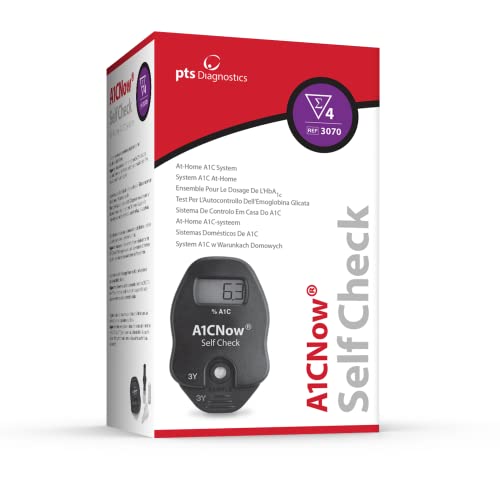

Prefer to order direct? The Everlywell HbA1c Test uses a CLIA-certified lab, physician-reviewed results, and prepaid return shipping.
What to Look For in a Continuous Glucose Monitor (CGM)
Over-the-counter CGMs like Dexcom Stelo and Abbott Lingo now sell without a prescription. Check the wear time (14–15 days per sensor), whether it reads to your phone or needs a separate device, and the monthly cost. For seeing how your own body responds to meals, a month or two is usually enough — you don't need to wear one forever.


What Makes a Good Fiber Supplement
For blood-sugar and cholesterol support you want SOLUBLE fiber — psyllium husk is the best studied. Start with one teaspoon and build up with plenty of water to avoid bloating, and take it 10–15 minutes before carb-heavy meals. Choose an unsweetened, additive-free powder or capsule.


Frequently Asked Questions
Is equine metabolic syndrome the same as diabetes in horses?
Not exactly. Equine metabolic syndrome (EMS) is a cluster of findings — obesity, insulin dysregulation, and laminitis risk — rather than a diabetes diagnosis in the human sense. Horses can have insulin dysregulation without ever developing the kind of chronic high blood glucose seen in human or canine diabetes, though severe, long-standing cases can eventually impair glucose control. A veterinarian distinguishes EMS from other endocrine conditions, such as pituitary pars intermedia dysfunction (PPID), which can look similar but requires different management.
Do dogs get insulin resistance like humans do?
It is uncommon as a primary condition. Most diabetic dogs have an insulin-deficient disease similar to human Type 1 diabetes rather than the insulin-resistant pattern typical of human Type 2 diabetes. True insulin resistance in dogs is usually secondary to another condition, such as Cushing's disease or, in unspayed females, the diestrus phase of the reproductive cycle.
Can I use a human insulin resistance calculator or test to check my pet?
No. Tools such as HOMA-IR and the reference ranges used in human labs are calibrated to human insulin and glucose assays and are not valid for animals. Horses and dogs require species-specific tests, such as an equine oral sugar test, interpreted by a veterinarian against species-specific reference ranges.
Which pets are most likely to develop insulin-related metabolic problems?
Certain pony and horse breeds, along with some warmbloods, are predisposed to equine metabolic syndrome, especially when overweight or on rich pasture. In dogs, insulin resistance is more often tied to unrelated conditions like Cushing's disease or intact female hormonal cycles rather than breed alone. Cats are the exception among common pets — obesity-driven, Type-2-like insulin resistance is a recognized and common cause of feline diabetes.
Topic updates
Get the weekly metabolic health roundup
Insulin resistance, blood sugar, visceral fat, GLP-1 plateaus, metabolic syndrome, and weight-loss physiology.
Want insulin resistance handled by a physician who works from your labs? See how Opt Health does it →
Check Where You Stand
Take our free health assessment to understand your metabolic, hormonal, and recovery risk factors — and get personalized recommendations.
Take the Free Assessment →Free · Takes 5 minutes · Instant results
Related Guides
-
Metabolic Syndrome vs Insulin Resistance — How the Two Terms Differ
Metabolic syndrome vs insulin resistance: the mechanism-vs-diagnosis distinction, and where PCOS overlaps.
-
How to Reverse Insulin Resistance Naturally
Evidence-based dietary and lifestyle interventions (3-16 week timeline).
-
Insulin Resistance Diet: What to Eat, Foods to Avoid, and a 7-Day Meal Plan
What to eat, foods to avoid, and a 7-day meal plan for insulin resistance.
See more related guides
-
Insulin Resistance Supplements: Evidence-based Rankings for Berberine, Magnesium, and Inositol
Evidence-based rankings: berberine, magnesium, inositol, ALA, and chromium.
-
Insulin Resistance vs Prediabetes: Key Differences and the Progression Timeline
Continuum diagram, diagnostic thresholds, and the reversal window.
-
Exercise for Insulin Resistance: the Evidence-based Workout Plan
GLUT4 mechanism, resistance training protocol, HIIT vs steady-state, yoga.
-
Insulin Resistance Meal Plan
A structured 7-day insulin resistance meal plan with grocery list.
-
How Insulin Resistance Causes Fatty Liver Disease (MASLD)
How insulin resistance drives fatty liver disease (MASLD), the 2023 diagnostic criteria, and the tests that catch it early.
Affiliate disclosure: The Metabolic Journal is reader-supported. Some links above are affiliate or referral links and we may earn a commission at no extra cost to you. As an Amazon Associate we earn from qualifying purchases. Products are chosen on the merits; commissions never influence what we recommend. This is general information, not medical advice — talk to your clinician before acting.