How Insulin Resistance Causes Fatty Liver Disease
Medically reviewed by Dr. Michael Teplitsky, MD Last reviewed 2026-10-02
MASLD, the liver disease renamed in 2023, often causes no symptoms until a routine blood panel catches it
Insulin resistance is the main driver behind most cases of fatty liver disease, renamed metabolic dysfunction-associated steatotic liver disease (MASLD) in 2023. High insulin pushes the liver to store more fat than it can clear, and the process usually causes no symptoms until fibrosis has already started.
Insulin resistance drives most cases of fatty liver disease, more so than diet or alcohol on their own. When cells no longer respond normally to insulin, the liver turns more of the incoming sugar and fat into stored triglycerides. These fat droplets accumulate inside liver cells faster than the organ can clear them. As of the 2017 to 2020 cycle of the National Health and Nutrition Examination Survey (NHANES), an estimated 61.9 million U.S. adults had the condition, and most did not know it.
In 2023, a 236-member panel of liver specialists from 56 countries voted to retire the old name, nonalcoholic fatty liver disease (NAFLD). That label described what the disease wasn't, rather than what caused it. Its replacement, metabolic dysfunction-associated steatotic liver disease (MASLD), puts the real driver front and center: insulin resistance and the metabolic dysfunction behind it.
Want insulin resistance treated, not just named?
Opt Health tests fasting insulin and HOMA-IR — the markers most panels skip — and treats the resistance itself with a physician-built plan rather than waiting for glucose to drift into the diabetic range.
Read Opt Health on insulin resistance →How Insulin Resistance Fills the Liver With Fat
Two separate insulin-resistance pathways load the liver with fat at the same time. First, resistant fat cells leak more free fatty acids into the bloodstream than normal, and the liver pulls a large share of that overflow in and stores it. Second, the high insulin levels that come with insulin resistance directly push the liver to manufacture new fat from excess blood sugar, a process called de novo lipogenesis.
A healthy liver can export some of that fat as part of normal lipid transport. Under sustained insulin resistance, fat arrives faster than the liver can package and ship it out, so triglycerides accumulate inside liver cells. Once fat makes up more than about 5% of liver weight, the organ meets the threshold for hepatic steatosis, the fatty-liver finding on imaging.
Diet and insulin resistance are not the only inputs researchers are looking at. A newer line of research on microplastics and fatty liver disease has found a polyethylene link worth watching, though it's an emerging area rather than an established risk factor on the level of the insulin-driven mechanism above.
The Diagnostic Criteria Behind the MASLD Label
Under the 2023 consensus criteria, a MASLD diagnosis needs fat visible in the liver on imaging or biopsy, plus at least one of five cardiometabolic risk factors. Those five factors are an elevated body mass index or waist circumference, prediabetes or type 2 diabetes, high blood pressure, high triglycerides, and low HDL cholesterol.
The National Institute of Diabetes and Digestive and Kidney Diseases (NIDDK) lists this same steatosis-plus-risk-factor pattern as the standard diagnostic path. In practice, that means a person does not need a diabetes diagnosis to qualify. A high waist circumference or a borderline triglyceride reading, paired with fat visible on an ultrasound, is enough to meet the criteria. That's a deliberate design choice: it catches the disease at the metabolic-risk stage, before blood sugar itself has moved out of range.
The Tests That Catch It Before Symptoms Appear
A standard liver panel is usually the first clue, even though it wasn't ordered to look for fat. Elevated alanine aminotransferase (ALT) or aspartate aminotransferase (AST) on routine bloodwork is often the earliest signal. Our liver function test guide breaks down what each marker on that panel measures and what a mild elevation usually means.
From there, three tools narrow the picture. A liver ultrasound confirms whether fat is present. The Fibrosis-4 (FIB-4) index estimates how much scarring (fibrosis) has developed. It's a formula built from age, AST, ALT, and platelet count, using labs a person may already have on file. Elastography, sold under brand names like FibroScan, measures liver stiffness directly and is the more precise follow-up when FIB-4 comes back elevated. None of these require a biopsy for an initial read, which is part of why screening has become more practical over the past several years.
Because insulin resistance sits upstream of the whole process, testing for it directly is worth doing alongside the liver panel. Our insulin resistance testing guide covers fasting insulin and HOMA-IR, the two markers most likely to flag the underlying driver before liver enzymes ever move.
The high ferritin page covers why fatty liver is one of the common causes of a raised ferritin.
Why It Rarely Causes Symptoms Early On
Fatty liver disease usually produces no symptoms at all in its early stages, which is the main reason most of the 61.9 million affected U.S. adults don't know they have it. A minority notice vague fatigue or a dull ache under the right ribs, but both signs are easy to miss or attribute to something else.
Left unaddressed, a subset of cases progress from simple fat accumulation to steatohepatitis (liver inflammation, sometimes labeled MASH), then to fibrosis, and eventually to cirrhosis. That progression typically takes years. That timeline is part of why catching the disease at the silent, fat-only stage matters: the interventions that work best start before scarring sets in. Researchers are still working out which biological signals predict who progresses fastest — see our coverage of a liver protein called EFHD1 linked to disease progression for one recent example.
What Reverses Early-Stage Fatty Liver Disease
Weight loss is the one intervention with the most consistent evidence behind it, and the NIDDK's treatment guidance lists it as the primary recommendation, ahead of any medication. Because the mechanism runs through insulin resistance, the same levers that improve insulin sensitivity elsewhere in the body tend to reduce liver fat too.
- Losing visceral fat specifically, since visceral fat is the source of much of the free-fatty-acid overflow the liver absorbs, more so than total body weight on its own. Our visceral fat guide covers why waist circumference tracks this better than a bathroom scale.
- Cutting refined carbohydrate and added sugar intake, which lowers the excess blood sugar the liver would otherwise convert directly into new fat through de novo lipogenesis.
- Resistance and aerobic exercise, both of which improve insulin sensitivity independent of weight change, meaning a person can see liver-fat improvement before the scale moves much at all.
Our guide to reversing insulin resistance covers the same dietary and exercise levers in more detail, along with a realistic timeline. Anyone with elevated liver enzymes, a MASLD diagnosis, or a family history of liver disease should work with a doctor before starting a treatment plan. That visit should confirm the diagnosis and rule out other causes of liver fat, such as heavy alcohol use or viral hepatitis.
How to test metabolic markers at home
You don't need a lab appointment to check your own metabolic markers — a few at-home kits mail you a collection kit and return physician-reviewed results online within days:
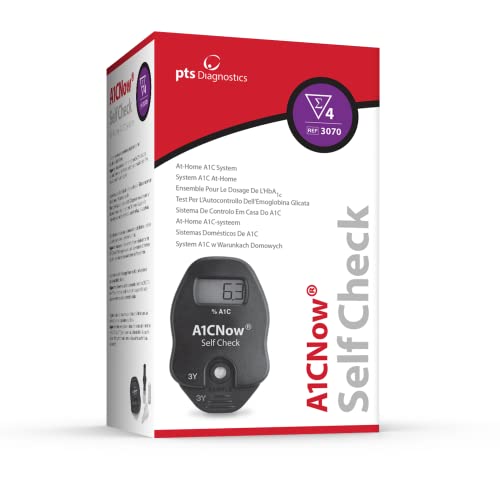
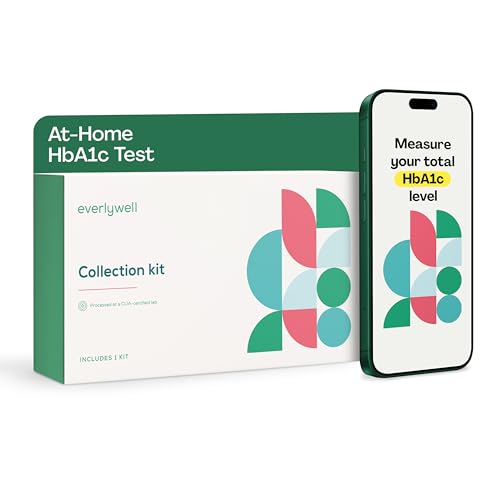
Prefer to order direct? The Everlywell HbA1c Test uses a CLIA-certified lab, physician-reviewed results, and prepaid return shipping.
What to Look For in a Continuous Glucose Monitor (CGM)
Over-the-counter CGMs like Dexcom Stelo and Abbott Lingo now sell without a prescription. Check the wear time (14–15 days per sensor), whether it reads to your phone or needs a separate device, and the monthly cost. For seeing how your own body responds to meals, a month or two is usually enough — you don't need to wear one forever.


What Makes a Good Fiber Supplement
For blood-sugar and cholesterol support you want SOLUBLE fiber — psyllium husk is the best studied. Start with one teaspoon and build up with plenty of water to avoid bloating, and take it 10–15 minutes before carb-heavy meals. Choose an unsweetened, additive-free powder or capsule.


Frequently Asked Questions
What is the difference between NAFLD and MASLD?
They describe the same underlying disease. A 236-member international panel voted in 2023 to replace the name nonalcoholic fatty liver disease (NAFLD) with metabolic dysfunction-associated steatotic liver disease (MASLD). The old name defined the condition by what it wasn't (alcohol-related) instead of what causes it. The diagnostic criteria changed at the same time to require at least one cardiometabolic risk factor alongside liver fat. That change put insulin resistance and metabolic health at the center of the diagnosis, rather than treating either as incidental.
Is fatty liver disease reversible?
The fat-accumulation stage is reversible for most people. Weight loss, reduced refined-carbohydrate intake, and regular exercise all lower liver fat by improving the underlying insulin resistance. Imaging can show measurable improvement within months of sustained change. Once the disease progresses to advanced fibrosis or cirrhosis, though, that scarring responds much more slowly and some of it does not fully reverse. That's why catching MASLD at the fat-only stage matters more than treating it later.
Can you have fatty liver disease at a normal weight?
Yes. The MASLD diagnostic criteria only require one of five cardiometabolic risk factors alongside liver fat. A normal-weight person can still have insulin resistance, high triglycerides, or high blood pressure driving the same fat accumulation. Visceral fat around the organs, which doesn't always show up as a high body mass index, is often the source of the problem in these cases.
Does fatty liver disease always lead to cirrhosis?
No. Most people with MASLD stay at the simple fat-accumulation stage indefinitely and never develop scarring. A smaller share progresses to steatohepatitis (liver inflammation, sometimes labeled MASH) and then to fibrosis, and only a minority of that group eventually reaches cirrhosis. The FIB-4 index and elastography exist specifically to identify who is on that progression path early, since the interventions that work best are started before fibrosis develops.
Which lab test first flags fatty liver disease?
An elevated ALT or AST on a routine metabolic or liver panel is usually the first signal, often noticed on bloodwork ordered for an unrelated reason. From there, an ultrasound confirms whether fat is present. The FIB-4 index, calculated from age, AST, ALT, and platelet count, estimates how much scarring may already exist, using labs a person may already have on file.
Topic updates
Get the weekly metabolic health roundup
Insulin resistance, blood sugar, visceral fat, GLP-1 plateaus, metabolic syndrome, and weight-loss physiology.
Want insulin resistance handled by a physician who works from your labs? See how Opt Health does it →
Check Where You Stand
Take our free health assessment to understand your metabolic, hormonal, and recovery risk factors — and get personalized recommendations.
Take the Free Assessment →Free · Takes 5 minutes · Instant results
Related Guides
-
Metabolic Syndrome vs Insulin Resistance — How the Two Terms Differ
Metabolic syndrome vs insulin resistance: the mechanism-vs-diagnosis distinction, and where PCOS overlaps.
-
How to Reverse Insulin Resistance Naturally
Evidence-based dietary and lifestyle interventions (3-16 week timeline).
-
Insulin Resistance Diet: What to Eat, Foods to Avoid, and a 7-Day Meal Plan
What to eat, foods to avoid, and a 7-day meal plan for insulin resistance.
See more related guides
-
Insulin Resistance Supplements: Evidence-based Rankings for Berberine, Magnesium, and Inositol
Evidence-based rankings: berberine, magnesium, inositol, ALA, and chromium.
-
Insulin Resistance vs Prediabetes: Key Differences and the Progression Timeline
Continuum diagram, diagnostic thresholds, and the reversal window.
-
Exercise for Insulin Resistance: the Evidence-based Workout Plan
GLUT4 mechanism, resistance training protocol, HIIT vs steady-state, yoga.
-
Insulin Resistance in Pets
Insulin resistance in dogs and horses — equine metabolic syndrome and canine diabetes explained.
-
Insulin Resistance Meal Plan
A structured 7-day insulin resistance meal plan with grocery list.
Affiliate disclosure: The Metabolic Journal is reader-supported. Some links above are affiliate or referral links and we may earn a commission at no extra cost to you. As an Amazon Associate we earn from qualifying purchases. Products are chosen on the merits; commissions never influence what we recommend. This is general information, not medical advice — talk to your clinician before acting.