High Blood Sugar Symptoms and When to Seek Medical Care
Medically reviewed by Medical Advisory Board Last reviewed 2026-09-30
Symptoms listed by MedlinePlus and the NHS, what causes high blood sugar, and when to get medical help
Common symptoms of high blood sugar include thirst, frequent urination, tiredness or weakness, headaches, blurred vision, and weight loss. Symptoms usually come on gradually. High blood sugar most often affects people with diabetes, though certain medicines, severe illness, or problems with the pancreas or adrenal glands can cause it in people without diabetes. High blood sugar that stays high for a long time can cause nerve damage, eye damage, heart disease and stroke.
Common high blood sugar symptoms include feeling unusually thirsty, urinating more frequently than normal, experiencing persistent tiredness or weakness, having headaches, and noticing blurred vision. Every guide we write starts from the source text, and this one starts from MedlinePlus and the NHS. The NHS notes that symptoms usually come on gradually and may only start when blood sugar gets very high.
Known clinically as hyperglycemia, elevated blood glucose occurs most frequently in people diagnosed with diabetes whose bodies either lack adequate insulin or cannot use insulin effectively. Individuals without diabetes can also experience high glucose due to pancreatic disorders, adrenal conditions, severe illness, or certain medicines.
Partner · Opt Health
Want a clinician to work up your metabolic numbers?
Opt Health runs fasting insulin, A1C, a full lipid panel and 50+ other markers, then builds a treatment plan — GLP-1s included where they're appropriate — with a physician who reviews the data with you directly.
See Opt Health's metabolic program →The NHS says blood sugar that stays high for a long time or gets very high can cause permanent nerve damage, permanent eye damage, heart disease and stroke. Very high blood glucose can cause diabetic ketoacidosis (DKA), which the NHS describes as life-threatening.
Symptoms of High Blood Sugar
High blood sugar symptoms include thirst, frequent urination, tiredness or weakness, headaches, and blurred vision; the NHS also lists losing weight. Clinical guidance published by MedlinePlus lists these as symptoms of hyperglycemia. In addition, the National Health Service (NHS) notes that symptoms of high blood sugar usually come on gradually and may only start when your blood sugar level gets very high.
| Symptom | Listed by |
|---|---|
| Thirst | MedlinePlus, NHS |
| Frequent urination | MedlinePlus, NHS |
| Tiredness or weakness | MedlinePlus, NHS |
| Headaches | MedlinePlus |
| Blurred vision | MedlinePlus, NHS |
| Losing weight | NHS |
When high blood sugar is linked to undiagnosed type 2 diabetes, the NHS lists further symptoms, which may develop gradually. According to NHS diagnostic guidance, individuals may experience cuts or wounds that take longer to heal, unexplained weight loss, and localized itching around the penis or vagina, or recurring thrush. Not everyone gets symptoms, according to the NHS.
Causes of Elevated Blood Glucose
Hyperglycemia means high blood glucose. MedlinePlus says it most often affects people with diabetes, whose bodies do not make enough insulin or cannot use it properly. In people with diagnosed diabetes, maintaining glucose stability requires balancing nutrition, physical exertion, and medication. MedlinePlus notes that in people with diabetes, blood glucose rises if you eat too much or the wrong foods, do not take medicines correctly, or do not get enough physical activity.
The NHS lists several causes of high blood sugar in people with diabetes. These include being unwell, feeling stressed, eating too much sugary or starchy food, being less active, and missing doses of diabetes medicine. The NHS also lists diabetes medicine not working well, certain medicines such as steroids, and a recent operation.
Less commonly, people without diabetes experience elevated blood glucose due to secondary medical conditions. MedlinePlus notes that non-diabetic hyperglycemia can arise from underlying problems affecting the pancreas, conditions involving the adrenal glands, the use of certain medications, or severe illnesses. For individuals exploring broader glycemic patterns, reviewing our guides on insulin resistance and how food affects blood sugar provides further physiological context.
Blood Sugar Numbers and Diagnostic Thresholds
According to the National Institute of Diabetes and Digestive and Kidney Diseases (NIDDK), a fasting plasma glucose test result of 126 mg/dL (milligrams per deciliter) or higher indicates diabetes. Additionally, an A1C test result of 6.5 percent or higher, or a random plasma glucose measurement of 200 mg/dL or higher with symptoms, meets the criteria for diagnosis.
For individuals already diagnosed with diabetes, the NHS outlines key numeric benchmarks to determine when blood sugar has risen beyond target ranges. These guidelines identify high blood sugar when a hemoglobin A1c (HbA1c) level reaches 48 mmol/mol (6.5 percent) or higher, or when fasting glucose exceeds 7 mmol/L (millimoles per liter). Home measurements taken upon waking or before eating that exceed 7 mmol/L, or readings taken at least 90 minutes after eating that exceed 11 mmol/L, also indicate elevated levels.
| Test Type | Target or Diagnostic Threshold | Source Guidance |
|---|---|---|
| Fasting plasma glucose | 126 mg/dL or higher (NIDDK); over 7 mmol/L for people with diabetes (NHS) | NIDDK and NHS clinical criteria |
| Random plasma glucose | 200 mg/dL or higher with symptoms | NIDDK diagnostic standard |
| Post-meal home test (90+ minutes) | Over 11 mmol/L | NHS guidance for diabetes management |
| Hemoglobin A1c (HbA1c) | 6.5% or higher (48 mmol/mol or higher) | NIDDK and NHS thresholds |
The NHS says these numbers are a guide and that levels may differ by age and diabetes type. You can compare these values on our blood sugar levels chart. Testing details are in our A1C test guide, and early warning patterns are in our overview of prediabetes symptoms.
When High Blood Sugar Symptoms Become an Emergency
Severe high blood sugar symptoms become an emergency when the body lacks sufficient insulin to process glucose, resulting in diabetic ketoacidosis (DKA). MedlinePlus explains that with not enough insulin, the liver breaks down fat for fuel and makes acids called ketones, which can build up to dangerous levels.
DKA symptoms may include trouble breathing, nausea or vomiting, abdominal pain, confusion, and feeling very tired or sleepy. The NHS describes diabetic ketoacidosis as life-threatening.
If you have an at-home ketone test, MedlinePlus advises checking every 4 to 6 hours when blood glucose is very high or you have these symptoms. The NHS similarly notes that your clinical care team may instruct you to test blood or urine for ketones, since a high ketone level is a sign of DKA.
If home ketone testing reveals moderate or high ketone levels, or if you lack an at-home test while experiencing DKA symptoms, contact your healthcare provider immediately or seek emergency medical help. Severe hyperglycemia accompanied by ketoacidosis needs hospital treatment, often IV fluids and insulin.
What to Do for Elevated Blood Sugar
The NHS advises individuals with diabetes to take prescribed diabetes medicine as advised, avoid too much sugary or starchy food, manage stress, exercise regularly, and lose weight if overweight.
The NHS also says to follow your diabetes care team's sick day rules. The NHS says not to skip or change medicine doses unless your doctor or care team advises it.
The NHS recommends speaking to your GP (general practitioner) or diabetes care team if you have implemented recommended steps to lower your blood sugar but readings remain high, or you still have symptoms. MedlinePlus says that if you do not have diabetes and have these symptoms, you should see your provider to find out the cause.
Complications of Prolonged High Blood Sugar
Blood sugar that stays high for a long time or gets very high can cause permanent nerve damage, permanent eye damage, heart disease, stroke and diabetic ketoacidosis, according to the NHS. The NHS clarifies that it is not usually a serious problem if blood sugar is occasionally slightly elevated for a brief period.
The NHS notes that blood sugar that stays high can cause permanent nerve damage in the hands and feet (peripheral neuropathy). It can also cause permanent eye damage and sight problems (diabetic retinopathy).
For related patterns, see our guide to glucose spikes and the opposite extremes detailed in our overviews of hypoglycemia and blood sugar crashes.
Diagnostic Testing and Glucose Monitoring Methods
MedlinePlus notes that people with diabetes check blood glucose with a meter or a continuous glucose monitoring (CGM) system, and that blood tests can also check if glucose is too high.
NIDDK lists fasting plasma glucose, A1C and random plasma glucose with symptoms as diabetes tests; the ranges are in the section above.
Readers comparing continuous wearable sensors to standard testing can review our analysis of the best CGM for metabolic health, or explore related postprandial patterns in our article on fatigue after eating with normal blood sugar.
Clinical Evaluation and Next Steps
If you have symptoms of high blood sugar and have not been diagnosed with diabetes, the NHS says to speak to your GP. If you have DKA symptoms such as trouble breathing, nausea or vomiting, abdominal pain, or confusion, and your ketones are moderate or high or you do not have a test, MedlinePlus says to contact your provider right away or get emergency medical help.
Blood tests can check whether glucose is too high, so ask your clinician if you have symptoms that do not go away.
How to test metabolic markers at home
You don't need a lab appointment to check your own metabolic markers — a few at-home kits mail you a collection kit and return physician-reviewed results online within days:
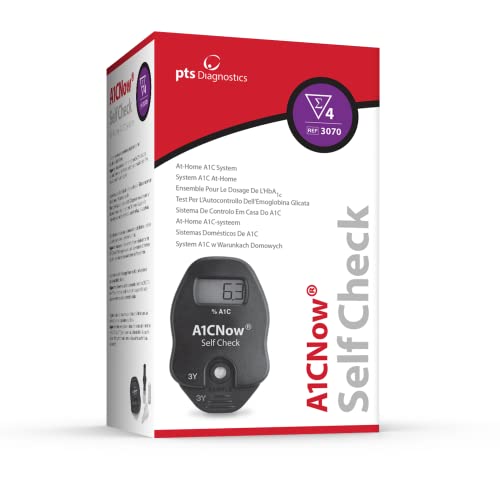
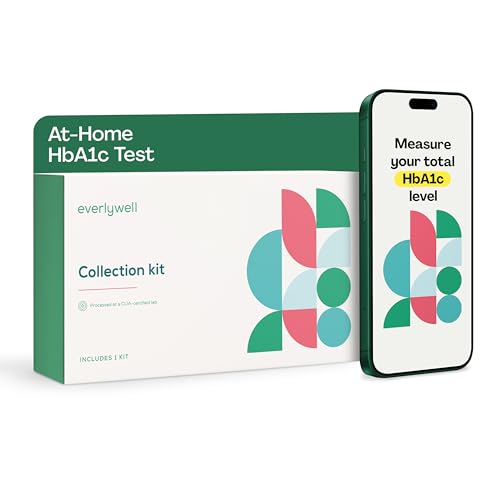
Prefer to order direct? The Everlywell HbA1c Test uses a CLIA-certified lab, physician-reviewed results, and prepaid return shipping.
What to Look For in a Continuous Glucose Monitor (CGM)
Over-the-counter CGMs like Dexcom Stelo and Abbott Lingo now sell without a prescription. Check the wear time (14–15 days per sensor), whether it reads to your phone or needs a separate device, and the monthly cost. For seeing how your own body responds to meals, a month or two is usually enough — you don't need to wear one forever.


What Makes a Good Fiber Supplement
For blood-sugar and cholesterol support you want SOLUBLE fiber — psyllium husk is the best studied. Start with one teaspoon and build up with plenty of water to avoid bloating, and take it 10–15 minutes before carb-heavy meals. Choose an unsweetened, additive-free powder or capsule.


Frequently Asked Questions
What are the symptoms of high blood sugar?
Common symptoms of high blood sugar include feeling very thirsty, urinating often, tiredness or weakness, headaches, and blurred vision, according to MedlinePlus. The NHS adds that losing weight is also a common symptom. It notes that symptoms usually develop gradually and may only appear once blood sugar reaches very high levels. When high glucose is caused by undiagnosed type 2 diabetes, individuals may also experience slow-healing cuts, itching around the genitals, or recurring thrush.
What causes high blood sugar if you do not have diabetes?
In people who do not have diabetes, high blood sugar is less common but can occur due to medical conditions affecting the pancreas or adrenal glands, severe illnesses, or the use of certain medications, according to MedlinePlus. MedlinePlus advises anyone without a diabetes diagnosis who experiences symptoms of elevated glucose to see a healthcare provider to determine the underlying medical cause.
What should I do if my blood sugar is high?
If you have diabetes and notice high blood sugar, the NHS advises taking your prescribed diabetes medicine as directed, avoiding excessive sugary or starchy food, managing stress, exercising regularly, and following your care team's sick day rules. Never skip or change your medication doses without clinical guidance. Contact your doctor or care team if your blood sugar stays high despite following these steps, or see a provider promptly if you have symptoms but no diabetes diagnosis.
Can you have high blood sugar with no symptoms?
Yes, you can have high blood sugar without noticeable symptoms. The NHS states that symptoms usually come on gradually and may only start when blood sugar gets very high. Similarly, the NHS notes that not everyone with type 2 diabetes develops symptoms, and they may develop gradually.
When is high blood sugar an emergency?
High blood sugar is an emergency when it leads to diabetic ketoacidosis (DKA), a life-threatening complication where, with not enough insulin, the liver breaks down fat and makes acids called ketones that can build up to dangerous levels. MedlinePlus notes that DKA symptoms may include trouble breathing, nausea or vomiting, abdominal pain, confusion, and feeling very tired or sleepy. If an at-home ketone test shows moderate or high ketones, or you do not have a test, contact your provider right away or get emergency medical help.
Topic updates
Get the weekly metabolic health roundup
Insulin resistance, blood sugar, visceral fat, GLP-1 plateaus, metabolic syndrome, and weight-loss physiology.
Want your metabolic health handled by a physician who works from your labs? See how Opt Health does it →
Check Where You Stand
Take our free health assessment to understand your metabolic, hormonal, and recovery risk factors — and get personalized recommendations.
Take the Free Assessment →Free · Takes 5 minutes · Instant results
Related Reading
-
Blood Sugar Crash: Why It Happens and How to Stop It
Reactive hypoglycemia: causes, symptoms, and how to stabilize glucose.
-
Fatigue After Eating Normal Blood Sugar
Tired after eating with normal blood sugar: the vagal, reactive-hypoglycemia, and meal-composition mechanisms.
-
How Food Affects Blood Sugar
How food changes blood sugar: normal thresholds, glycemic index/load, and the fiber/protein/fat pairing mechanism.
See more related reading
-
Low-carb Snacks for Blood Sugar
Low-carb snacks and dips that keep blood sugar steady, with the meal-sequencing research behind the picks.
-
Blood Sugar and Skin Aging
How glycation and insulin resistance accelerate visible skin aging, and what the evidence says about reversing it.
-
Gum Disease and Blood Sugar: the Two-way Link
The bidirectional link between gum disease and blood sugar, and what periodontal treatment does to A1C.
-
High Blood Pressure VA Disability Rating: Tiers, Rules, and Evidence
How the VA rates hypertension as a service-connected disability under Diagnostic Code 7101, the tiers, and PACT Act presumptive connection.
-
High Cholesterol Symptoms: Why It's Usually Silent, and the Visible Signs (Xanthelasma, Xanthomas) That Do Appear
Why high cholesterol is usually silent, plus xanthelasma, xanthomas, and when to get tested.
Affiliate disclosure: The Metabolic Journal is reader-supported. Some links above are affiliate or referral links and we may earn a commission at no extra cost to you. As an Amazon Associate we earn from qualifying purchases. Products are chosen on the merits; commissions never influence what we recommend. This is general information, not medical advice — talk to your clinician before acting.