Blood Sugar, Nutrition & Immune Function: The Evidence
Medically reviewed by Medical Advisory Board Last reviewed 2026-08-10
How stable blood sugar and whole-food nutrition relate to immune resilience — and an honest look at vitamin C, D, zinc, turmeric, echinacea, garlic, chicken soup, and fasting
Chronic high blood sugar is linked to weaker immune responses in well-documented research, which is part of why a lower-carb, blood-sugar-stable eating pattern is worth considering for immune resilience. This guide separates what's well-established (vitamin D and zinc status, refined sugar's effect on white blood cells) from what's merely suggestive (curcumin, garlic, fasting) and what's weak or mostly folklore (echinacea, chicken soup as a cure) — without recommending doses or specific products.
Your immune system relies on the same blood glucose and insulin signaling that regulates the rest of your metabolism. This connection is well documented, but it's rarely explained clearly, leaving room for vague claims about foods and supplements that "boost immunity." Nothing you eat can turn up your immune system like a dial. But chronic blood sugar patterns and long-term nutrient status measurably affect how well it functions.
This guide looks at that relationship: how stable blood sugar affects immune cells, which micronutrients are backed by real evidence, and how popular remedies, turmeric, echinacea, garlic, and chicken soup, actually hold up under scrutiny. If the blood sugar side is new to you, our insulin resistance guide and metabolic health hub explain the underlying biology in more depth.
Partner · Opt Health
Want a clinician to work up your metabolic numbers?
Opt Health runs fasting insulin, A1C, a full lipid panel and 50+ other markers, then builds a treatment plan — GLP-1s included where they're appropriate — with a physician who reviews the data with you directly.
See Opt Health's metabolic program →None of this replaces medical care during an active illness. It's a guide to eating and supplement patterns that have genuine evidence behind them, with an honest assessment of how strong that evidence is.
How Blood Sugar Patterns Affect Immune Function
Elevated blood sugar impairs several immune cell functions in ways that are well documented in laboratory and clinical research. High glucose reduces how effectively neutrophils — the white blood cells that respond first to infection — can engulf and destroy bacteria, a process called phagocytosis. This is part of why people with poorly controlled diabetes face higher rates of infection and slower wound healing.
The mechanism runs through more than glucose alone. Chronically elevated insulin and insulin resistance are also associated with a low-grade, persistent inflammatory state — the kind measured by markers like C-reactive protein (CRP). That background inflammation is not the same as a healthy, responsive immune system fighting off a specific threat. It's closer to a system running hot at baseline, which can blunt its ability to mount a sharp, targeted response when one is actually needed.
This is the real basis for eating patterns that stabilize blood sugar — lower-carbohydrate, whole-food-based diets that avoid the frequent glucose spikes refined carbohydrates cause. The evidence supports this as one input among many, not a guarantee against catching a cold. Genetics, sleep, stress, vaccination status, and exposure all matter too.
Vitamin C, Vitamin D, and Zinc: The Three With the Strongest Evidence
Three micronutrients have the most consistent research behind an immune role: vitamin C, vitamin D, and zinc. Each supports immune cells through a distinct, well-characterized mechanism, though the strength of evidence for supplementing with them varies by nutrient and by whether you're already deficient.
Vitamin D has the most robust deficiency-outcome link of the three. Vitamin D receptors sit on immune cells throughout the body, and deficiency is consistently associated with worse outcomes in respiratory infections in observational research. The National Institutes of Health Office of Dietary Supplements notes this immune role explicitly. Whether correcting a deficiency through supplementation actually prevents infections in people who weren't deficient to begin with is less settled — large trials in vitamin D-replete populations haven't shown a clear benefit. See our vitamin D blood test guide for what counts as deficient and how testing works.
Zinc plays a documented, mechanistic role in immune cell development and signaling — a genuine deficiency measurably impairs immune function. Some clinical trials on zinc lozenges suggest a modest reduction in cold duration when started early in an illness, though results are inconsistent across studies. Zinc can also interact with certain antibiotics and other medications, and intranasal zinc products have been linked to lasting loss of smell, so this is worth discussing with a doctor or pharmacist rather than starting on your own, especially if you take other medications regularly.
Vitamin C's reputation outpaces its evidence somewhat. Regular supplementation has not been shown to prevent colds in the general population. Some trials find a modest reduction in cold duration and severity with consistent daily intake, with a more pronounced effect in people under significant physical stress, such as endurance athletes. It remains essential for immune cell function at a basic biological level — the question is whether supplementing above what a varied diet provides adds a meaningful benefit for most people.
For all three, food sources — citrus, peppers, and berries for vitamin C; fatty fish and fortified foods for vitamin D; shellfish, meat, seeds, and legumes for zinc — are a reasonable first approach. If you're considering a supplement, particularly at doses above general daily intake recommendations, check with a doctor first, especially if you take other medications or have a kidney, thyroid, or calcium-related condition.
Turmeric, Echinacea, and Garlic: Sorting Evidence From Marketing
These three show up constantly in immune-support marketing, but their evidence quality is genuinely different from each other and worth separating out.
Turmeric (curcumin) has real anti-inflammatory activity in laboratory and animal studies, which is why it draws interest. The catch is bioavailability: curcumin is poorly absorbed on its own when taken orally, and most human trials to date have studied it for joint pain or general inflammation markers rather than infection prevention or immune response specifically. It's reasonable to view turmeric as a food with anti-inflammatory potential, not a proven immune treatment.
Echinacea has the weakest and most inconsistent evidence of the three, despite being one of the most widely sold cold remedies. Systematic reviews of the clinical trial evidence, including Cochrane reviews, have found the results mixed at best — some trials show a small preventive effect, others show none, and quality and species of echinacea used varies widely between studies. If you find it doesn't do much for you, that lines up with the state of the evidence, not just your individual response.
Garlic sits in between. A small number of trials suggest that garlic supplements, particularly those standardized for allicin content, may modestly reduce the number of colds people catch over a season. The studies involved are limited in size and number, and the National Center for Complementary and Integrative Health describes the evidence as insufficient to draw firm conclusions. Garlic as a food is a reasonable, low-risk addition to meals regardless of the immune question.
Whole Foods vs. Refined Carbohydrates and Sugar
What you eat around an infection matters less than the pattern you eat most days. Whole foods — vegetables, fruit, nuts, seeds, legumes, and quality protein — supply the vitamins, minerals, fiber, and plant compounds immune cells rely on, in combinations that isolated supplements don't fully replicate.
Fiber in particular feeds the gut microbiome, which produces short-chain fatty acids that help regulate immune activity in the gut lining, where a large share of the body's immune tissue actually sits. A diet built mostly around refined starch and added sugar tends to crowd out this fiber and micronutrient intake, on top of driving the blood sugar spikes discussed earlier.
There's also a well-documented, short-term effect: a large dose of refined sugar has been shown in older laboratory studies to temporarily reduce the ability of neutrophils to engulf bacteria, an effect that shows up within an hour or two of intake and fades over the following hours. One high-sugar meal is not going to make you sick. But a diet pattern dominated by refined carbohydrates keeps that effect in near-constant rotation, on top of the longer-term inflammation linked to insulin resistance. Our insulin resistance diet guide covers the specifics of building meals that avoid this pattern.
Does Chicken Soup or Bone Broth Actually Help?
Mostly, chicken soup and bone broth help because they're warm, hydrating, and comforting — not because of a proven medicinal effect. Warm fluids loosen mucus and soothe a sore throat, and staying hydrated matters during any illness, especially with fever or congestion. That alone justifies a bowl of soup when you're sick.
There is a small amount of real evidence beyond comfort. A frequently cited laboratory study found that chicken soup mildly inhibited the movement of certain white blood cells (neutrophils) in a test tube — a mechanism that could plausibly ease some upper-respiratory inflammation. That's a modest, mechanistic finding from a lab dish, not proof that soup shortens a cold in a real person. Bone broth's specific nutrient content — collagen, minerals, small amounts of amino acids — has no strong clinical evidence tying it to faster recovery from illness.
The honest summary: chicken soup and bone broth are a reasonable, low-risk comfort measure with hydration and symptom-easing benefits, and a thin layer of mechanistic evidence on top. They are not a treatment in the way that phrase gets used in marketing.
Fasting and Immune Function: Promising, But Mostly Unproven in Humans
Fasting affects immune cells through mechanisms that are genuinely interesting but not yet fully proven at the level of human health outcomes. The two areas that generate the most research interest are autophagy and immune cell renewal.
Autophagy is the process by which cells break down and recycle their own damaged components, including in immune cells. Periods without food trigger autophagy, and the mechanisms behind it were significant enough to earn a Nobel Prize in Physiology or Medicine in 2016. What's well established is that autophagy happens and matters at a cellular level; what's far less established is the size and clinical significance of any immune benefit from a specific fasting protocol in an otherwise healthy person.
Immune cell renewal is the more striking but more preliminary finding. Animal research — notably a widely cited study out of the University of Southern California — found that cycles of extended fasting appeared to trigger regeneration of blood-forming stem cells in mice, effectively renewing part of the immune system. This is a real and active research area, but it was conducted in mice under extended fasting protocols quite different from typical human practices like time-restricted eating. It has not been established that shorter, common human fasting patterns produce the same effect.
Fasting also isn't appropriate for everyone, including people who are pregnant, underweight, managing diabetes with insulin or sulfonylureas, or with a history of disordered eating. If you're curious about fasting for reasons beyond immune function — blood sugar and weight — that's covered in more depth on our insulin resistance page. Talk to a doctor before starting an extended fast, especially with any underlying condition.
A Note on Over-the-Counter Medication During Illness
Whether to take an over-the-counter pain and fever reducer during an illness is a personal decision best made with a doctor or pharmacist, not a nutrition question. Common options include acetaminophen and NSAIDs like ibuprofen, and each carries its own considerations around dosing, existing health conditions, and interactions with other medications.
This guide won't recommend a specific product or dose — that depends on your age, weight, other medications, and health history in ways a general article can't account for safely. If you're managing a fever or pain during illness, read the label, stay within it, and check with a pharmacist or doctor if you're unsure, take other medications regularly, or have liver, kidney, or stomach conditions that make certain options riskier.
Building a Blood-Sugar-Stable Plate for Immune Support
The most evidence-backed approach here isn't a supplement stack — it's a consistent eating pattern that keeps blood sugar stable and supplies real nutrient variety. That means built-around vegetables, quality protein, and healthy fats, with refined starch and added sugar as the occasional exception rather than the daily default.
| Evidence tier | What falls here | Practical takeaway |
|---|---|---|
| Well-established | Vitamin D deficiency and worse respiratory infection outcomes; zinc's role in immune cell function; chronic high blood sugar impairing neutrophil activity | Worth knowing your status (vitamin D testing, a varied diet for zinc) and prioritizing blood sugar stability |
| Suggestive, not conclusive | Vitamin C for cold duration (not prevention); curcumin's anti-inflammatory potential; garlic and cold frequency; fasting and immune cell renewal (mouse data) | Reasonable to include as food or consider as a supplement, without expecting a guaranteed effect |
| Weak or mixed | Echinacea for cold prevention or treatment | Evidence doesn't reliably support a real effect; low-risk if you want to try it, but temper expectations |
| Folk remedy / comfort measure | Chicken soup and bone broth as a "cure" | Genuinely helpful for hydration and comfort; not a treatment beyond that, aside from a small mechanistic finding |
None of this replaces medical care for a serious or prolonged illness. It's a framework for the daily nutrition decisions that plausibly support a well-functioning immune system over time, graded by how strong the underlying evidence actually is.
How to test metabolic markers at home
You don't need a lab appointment to check your own metabolic markers — a few at-home kits mail you a collection kit and return physician-reviewed results online within days:
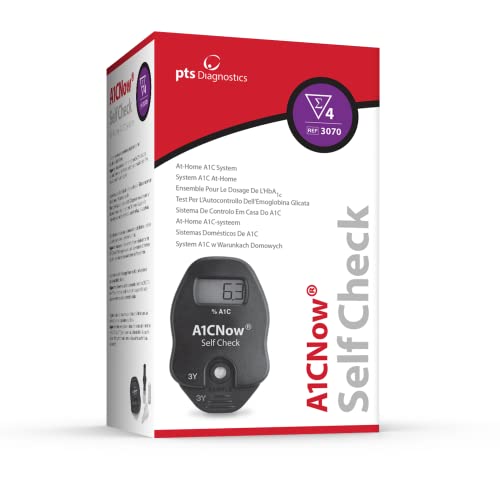
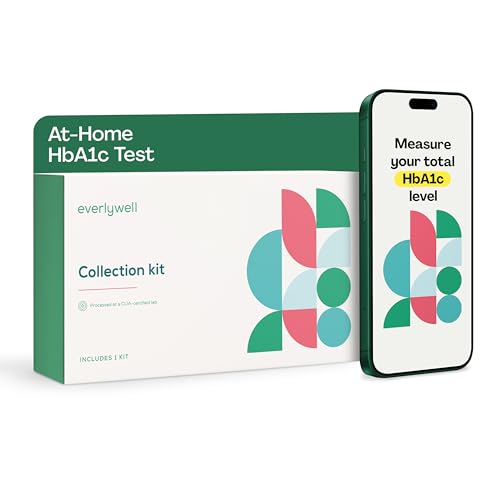
Prefer to order direct? The Everlywell HbA1c Test uses a CLIA-certified lab, physician-reviewed results, and prepaid return shipping.
What to Look For in a Continuous Glucose Monitor (CGM)
Over-the-counter CGMs like Dexcom Stelo and Abbott Lingo now sell without a prescription. Check the wear time (14–15 days per sensor), whether it reads to your phone or needs a separate device, and the monthly cost. For seeing how your own body responds to meals, a month or two is usually enough — you don't need to wear one forever.


What Makes a Good Fiber Supplement
For blood-sugar and cholesterol support you want SOLUBLE fiber — psyllium husk is the best studied. Start with one teaspoon and build up with plenty of water to avoid bloating, and take it 10–15 minutes before carb-heavy meals. Choose an unsweetened, additive-free powder or capsule.


Frequently Asked Questions
Does a low-carb diet boost your immune system?
There's no evidence that a low-carb diet directly "boosts" immune function above normal. What's better supported is that stable blood sugar and reduced chronic inflammation — which a lower-carb, whole-food eating pattern can support — create better conditions for normal immune function, since chronically high blood sugar is linked to impaired white blood cell activity. It's a supportive factor, not a guarantee against getting sick.
What vitamins are most important for immune function?
Vitamin D and zinc have the strongest evidence: vitamin D deficiency is consistently linked to worse respiratory infection outcomes, and zinc plays a documented role in immune cell development. Vitamin C is essential for immune function but hasn't been shown to prevent colds in the general population, though it may modestly shorten their duration. Check with a doctor before supplementing at doses above general daily recommendations, especially if you take other medications.
Does zinc actually help you get over a cold faster?
Some clinical trials on zinc lozenges suggest a modest reduction in cold duration when started within the first day or two of symptoms, though results are inconsistent across studies. Zinc can interact with certain antibiotics, and intranasal zinc products have been linked to lasting loss of smell, so it's worth discussing zinc supplementation with a doctor or pharmacist rather than starting on your own, particularly if you take other medications.
Is echinacea effective for colds?
The evidence for echinacea is genuinely mixed and weaker than its popularity suggests. Systematic reviews of clinical trials, including Cochrane reviews, have found inconsistent results — some trials show a small preventive effect, others show none — with results varying by the species and preparation of echinacea used. It's low-risk to try, but the research doesn't support strong claims about it treating or preventing colds.
Does fasting boost your immune system?
Fasting triggers real biological processes relevant to immune function, particularly autophagy — cellular recycling that was significant enough to earn a 2016 Nobel Prize for the mechanisms behind it. Animal research, including studies in mice, has found that extended fasting cycles can trigger regeneration of blood-forming stem cells. This hasn't been established at the same scale in humans under typical fasting patterns, so treat it as a promising research area rather than a proven immune benefit. Fasting isn't appropriate for everyone — check with a doctor first if you have a health condition or take glucose-lowering medication.
Should I take Tylenol or ibuprofen when I have a fever?
Whether and which over-the-counter medication to take for a fever is a personal decision best made with a doctor or pharmacist, based on your health history, other medications, and the specific situation. This isn't something a general nutrition guide can safely recommend a dose for — read the label, stay within it, and ask a pharmacist if you're unsure or manage a liver, kidney, or stomach condition.
Topic updates
Get the weekly metabolic health roundup
Insulin resistance, blood sugar, visceral fat, GLP-1 plateaus, metabolic syndrome, and weight-loss physiology.
Want your metabolic health handled by a physician who works from your labs? See how Opt Health does it →
Check Where You Stand
Take our free health assessment to understand your metabolic, hormonal, and recovery risk factors — and get personalized recommendations.
Take the Free Assessment →Free · Takes 5 minutes · Instant results
Related Guides
-
Low-carb Vegan Diet: Is It Possible, and How to Do It Right
Combining a low-carb approach with a vegan diet: protein sources, nutrient gaps, and a realistic food list.
-
Low-carb Diets and Kidney Health
Low-carb diets and kidney health: the evidence split between healthy kidneys and existing kidney disease, plus the kidney-stone risk.
-
Low-carb Diet for Beginners: What to Eat and How to Start
A practical low-carb starter guide: the meal-building framework, substitutes for bread and pasta, first-week side effects, and who should not start alone.
See more related guides
-
Low-carb Diets and Cholesterol: What Actually Changes on a Lipid Panel
How a low-carb or ketogenic diet changes LDL, HDL, and triglycerides, and the lean mass hyper-responder phenotype research.
-
Low-carb Snacks for Blood Sugar
Low-carb snacks and dips that keep blood sugar steady, with the meal-sequencing research behind the picks.
-
Talking to Your Doctor About Low Carb
How to bring up a low-carb diet with your doctor: what to ask, what to mention, and who should loop a doctor in first.
-
How Many Carbs Is Low Carb
Carb-gram thresholds for keto, moderate, and liberal low-carb approaches, and how net carbs are actually counted.
-
Insulin Resistance Diet: What to Eat, Foods to Avoid, and a 7-Day Meal Plan
What to eat, foods to avoid, and a 7-day meal plan for insulin resistance.
Affiliate disclosure: The Metabolic Journal is reader-supported. Some links above are affiliate or referral links and we may earn a commission at no extra cost to you. As an Amazon Associate we earn from qualifying purchases. Products are chosen on the merits; commissions never influence what we recommend. This is general information, not medical advice — talk to your clinician before acting.