How to Lower A1C Naturally through Weight, Diet, and Movement
Medically reviewed by Medical Advisory Board Last reviewed 2026-10-04
Lifestyle habits from federal guidelines that help manage blood glucose and long-term levels
Lowering A1C naturally involves losing 5% to 7% of starting weight, getting at least 150 minutes of moderate activity each week, choosing healthier foods and drinks, and sleeping 7 to 8 hours per night. Because the A1C test reflects average blood glucose over the last 3 months, these changes take months to show up on laboratory tests. Medication decisions should always be discussed with a doctor.
To lower A1C naturally, the National Institute of Diabetes and Digestive and Kidney Diseases (NIDDK) points to four daily lifestyle levers: losing 5% to 7% of starting weight, getting at least 150 minutes of moderate physical activity each week, making specific adjustments to food and drink choices, and getting adequate sleep. At The Metabolic Journal, we summarize what NIDDK says about managing blood glucose.
Because the A1C test reflects average blood glucose levels over the last 3 months, lifestyle changes take months to show up on blood tests. For people managing prediabetes, these habits provide a non-pharmacological starting point alongside medical guidance.
Partner · Opt Health
Want a clinician to work up your metabolic numbers?
Opt Health runs fasting insulin, A1C, a full lipid panel and 50+ other markers, then builds a treatment plan — GLP-1s included where they're appropriate — with a physician who reviews the data with you directly.
See Opt Health's metabolic program →Lifestyle Steps NIDDK Lists for Blood Glucose
NIDDK describes four key lifestyle levers to help manage blood glucose levels and reduce diabetes risk. These steps focus on weight reduction, regular physical activity, nutritious eating patterns, and adequate nightly rest.
- Weight loss: Losing 5% to 7% of starting weight can help prevent or delay diabetes.
- Physical activity: Getting at least 150 minutes of moderate-intensity activity each week helps manage glucose in your blood.
- Dietary choices: Eating smaller portions and drinking water instead of sweetened beverages reduces calorie and sugar intake.
- Sleep: Sleeping 7 to 8 hours each night supports healthy weight management.
Readers exploring lifestyle modifications can learn more in our guides on how to reverse prediabetes and how to reverse insulin resistance.
What the A1C Test Measures
The A1C test gives your average levels of blood glucose over the last 3 months. Clinical ranges established by NIDDK define three categories:
- Normal: An A1C below 5.7%.
- Prediabetes: An A1C of 5.7% to 6.4%.
- Diabetes: An A1C of 6.5% or above.
Because the test captures a 3-month average, changes in your daily routine will not show up immediately on laboratory reports. You can compare this test to other metabolic markers in our guide on fasting insulin vs A1C.
Weight Management and Physical Activity
Losing 5% to 7% of starting weight may help you prevent or delay diabetes. According to NIDDK, losing 5% to 7% of current weight may also help prevent or improve some health problems and manage glucose and blood pressure.
For movement, NIDDK advises getting at least 30 minutes of physical activity 5 days a week. Specifically, adults should try for at least 150 minutes of moderate-intensity activity each week, aiming for about 30 minutes on most days. Guidelines from NIDDK physical activity guidance also suggest strength training twice a week and balance activities two or three times a week.
Physical activity often lowers the level of glucose in your blood. This lower blood glucose may last for hours or days after activity.
Eating Patterns and Sleep Habits
Healthy eating for blood glucose management emphasizes smaller portions to cut calories and help lose weight. NIDDK recommends choosing foods with less fat and drinking water instead of sweetened beverages.
Federal guidance recommends limiting foods high in saturated fat and sodium, as well as sugary foods such as cookies and cakes. Sweet drinks to limit include soda, juice, flavored coffee, and sports drinks. Instead, choose drinks with little or no added sugar, such as water, low-fat or non-fat milk, unsweetened tea, coffee, or sparkling water, and include nutrients such as vitamins, calcium, fiber, and healthy fats. You can read more about planning meals in our prediabetes diet guide.
Sleep habits also affect blood glucose. Getting 7 to 8 hours of sleep each night supports healthy weight management, while sleeping too much or too little may raise blood glucose levels.
When A1C Results Can Mislead
Hemoglobin variants can interfere with measuring A1C accurately. When these variants are present, the test may provide an inaccurate reading of your blood glucose levels.
If your A1C results and blood glucose levels do not match, your doctor should consider that the A1C test may not be a reliable test for you. In such cases, your healthcare provider can evaluate alternative ways to check your glucose.
When Lifestyle Steps Need Medical Support
About 1 in 3 Americans has prediabetes, based on Centers for Disease Control and Prevention (CDC) statistics cited by NIDDK. While lifestyle modifications help many individuals manage their risk, lifestyle steps alone may not always be enough.
Metformin is a diabetes medicine to discuss with your doctor if lifestyle changes do not sufficiently manage your blood glucose. Any decision to start or change medication belongs in consultation with a licensed clinician.
Schedule a visit with your doctor to review your A1C laboratory results and choose the right management approach for your health.
How to test metabolic markers at home
You don't need a lab appointment to check your own metabolic markers — a few at-home kits mail you a collection kit and return physician-reviewed results online within days:
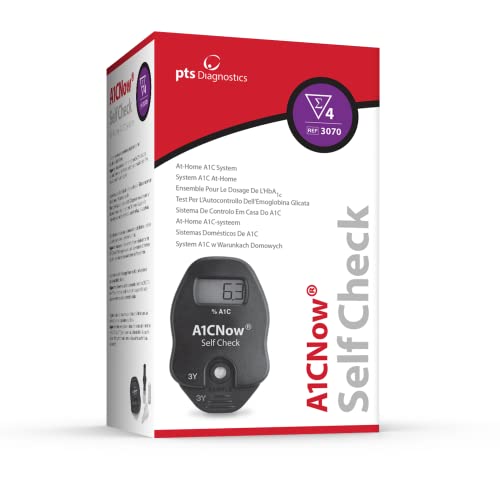
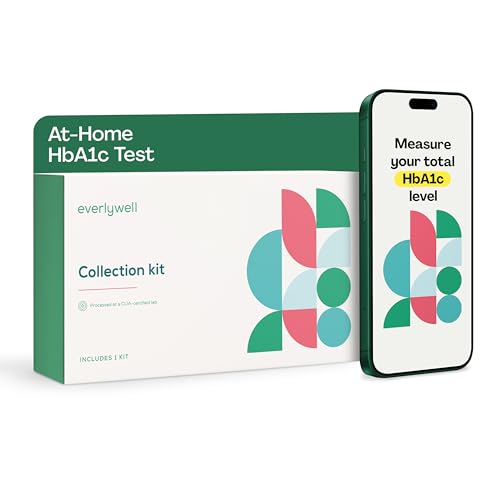
Prefer to order direct? The Everlywell HbA1c Test uses a CLIA-certified lab, physician-reviewed results, and prepaid return shipping.
What to Look For in a Continuous Glucose Monitor (CGM)
Over-the-counter CGMs like Dexcom Stelo and Abbott Lingo now sell without a prescription. Check the wear time (14–15 days per sensor), whether it reads to your phone or needs a separate device, and the monthly cost. For seeing how your own body responds to meals, a month or two is usually enough — you don't need to wear one forever.


What Makes a Good Fiber Supplement
For blood-sugar and cholesterol support you want SOLUBLE fiber — psyllium husk is the best studied. Start with one teaspoon and build up with plenty of water to avoid bloating, and take it 10–15 minutes before carb-heavy meals. Choose an unsweetened, additive-free powder or capsule.


Frequently Asked Questions
How can I lower my A1C naturally?
You can lower your blood glucose naturally by losing 5% to 7% of your starting weight, getting at least 150 minutes of moderate-intensity physical activity weekly, eating smaller portions, limiting sugary foods and drinks, and sleeping 7 to 8 hours each night.
How long does it take to lower A1C?
It takes months to see changes in your A1C because the test measures your average blood glucose levels over the last 3 months.
What A1C level is prediabetes?
Prediabetes is an A1C level from 5.7% to 6.4%. An A1C below 5.7% is normal, while 6.5% or above indicates diabetes.
Does exercise lower A1C?
Physical activity often lowers the level of glucose in your blood, and this lower glucose level may last for hours or days after activity. Because A1C reflects the average over the last 3 months, any change shows up over months.
Can I lower A1C without medication?
NIDDK says you may be able to prevent or delay diabetes by losing 5% to 7% of your starting weight. However, lifestyle changes are not always sufficient, and metformin is a diabetes medicine to discuss with your doctor if needed.
Topic updates
Get the weekly metabolic health roundup
Insulin resistance, blood sugar, visceral fat, GLP-1 plateaus, metabolic syndrome, and weight-loss physiology.
Want your metabolic health handled by a physician who works from your labs? See how Opt Health does it →
Check Where You Stand
Take our free health assessment to understand your metabolic, hormonal, and recovery risk factors — and get personalized recommendations.
Take the Free Assessment →Free · Takes 5 minutes · Instant results
Related Guides
-
How to Lower LDL Cholesterol: the Diet Levers and Their Measured LDL Effects, Retest Timing, and When Statins or Ezetimibe Come In
How to lower LDL cholesterol: the diet levers and their measured LDL effects, retest timing, and when statins or ezetimibe come in.
-
How to Lower Blood Pressure: the Measured mmHg Drops From DASH, Sodium, Weight, Exercise and Alcohol, and When a Reading Is an Emergency
How to lower blood pressure: the measured mmHg drops from DASH, sodium, weight, exercise and alcohol, and when a reading is an emergency.
Affiliate disclosure: The Metabolic Journal is reader-supported. Some links above are affiliate or referral links and we may earn a commission at no extra cost to you. As an Amazon Associate we earn from qualifying purchases. Products are chosen on the merits; commissions never influence what we recommend. This is general information, not medical advice — talk to your clinician before acting.