Fasting Insulin vs A1C: Which Catches Resistance Earlier?
Medically reviewed by Medical Advisory Board Last reviewed 2026-07-06
Two metabolic tests, two different timelines — why a normal A1C doesn't rule out a problem
Fasting insulin and A1C are both used to assess metabolic health, but they measure different things at different disease stages. Fasting insulin can flag insulin resistance years before A1C rises, while A1C reflects average blood glucose over three months and remains the standard diagnostic test for diabetes.
People are often told their labs are "normal" based on A1C alone, even while underlying insulin resistance has been building for years. Understanding the difference between what fasting insulin and A1C actually measure — and when each becomes abnormal — explains why. For a deeper look at each marker individually, see our guides to fasting insulin and the A1C test.
Partner · Opt Health
Want a clinician to work up your metabolic numbers?
Opt Health runs fasting insulin, A1C, a full lipid panel and 50+ other markers, then builds a treatment plan — GLP-1s included where they're appropriate — with a physician who reviews the data with you directly.
See Opt Health's metabolic program →Fasting Insulin vs A1C: Side-by-Side
| Factor | Fasting Insulin | A1C (HbA1c) |
|---|---|---|
| What it measures | Current insulin level after an overnight fast | Average blood glucose over the prior ~3 months (via glycated hemoglobin) |
| Optimal range | <7 μIU/mL | <5.4% |
| Standard reference range | 2.6-24.9 μIU/mL (wide, often unhelpful) | <5.7% normal, 5.7-6.4% prediabetes, ≥6.5% diabetes |
| When it becomes abnormal | Often years before glucose or A1C move — insulin rises first to compensate | Rises only after significant, sustained glucose elevation |
| Best used for | Early detection of insulin resistance in people with normal glucose | Diagnosing and monitoring diabetes; standard of care for that purpose |
| Fasting required | Yes — 8-12 hours | No |
| Standard of care status | Not part of routine diabetes screening in most guidelines | Recommended screening/diagnostic test (ADA, WHO) |
Why Fasting Insulin Rises First
Insulin resistance develops gradually: as cells become less responsive to insulin's signal, the pancreas compensates by secreting more insulin to keep blood glucose in the normal range. This compensation can work for years — glucose and A1C stay normal while fasting insulin climbs quietly in the background. By the time A1C crosses into the prediabetes range, the pancreas is often already struggling to keep up, meaning A1C tends to flag the problem closer to its later stages rather than its earliest ones. This is the core rationale for checking fasting insulin (or calculating HOMA-IR, which combines fasting insulin and glucose) even when A1C looks fine.
Why A1C Still Matters
A1C's strength is exactly what fasting insulin lacks: it's a well-validated, guideline-endorsed test with clear diagnostic cutoffs for prediabetes and diabetes, and it reflects a 3-month average rather than a single moment. There's no equivalent consensus reference range for "optimal" fasting insulin the way there is for A1C, which is why fasting insulin is used more for early risk-flagging in a functional or preventive context than for formal diagnosis. If A1C is already elevated, the insulin resistance stage has typically progressed well beyond what fasting insulin alone would have caught early.
Should You Get Both?
For anyone with risk factors — family history of type 2 diabetes, PCOS, central weight gain, or metabolic syndrome symptoms — checking both together gives a more complete picture than either alone: fasting insulin (or HOMA-IR) to catch early compensatory changes, and A1C to confirm whether glucose control has already been affected. See our insulin resistance testing guide for the full panel typically used together, and the insulin resistance overview for what elevated results mean and next steps.
How to test metabolic markers at home
You don't need a lab appointment to check your own metabolic markers — a few at-home kits mail you a collection kit and return physician-reviewed results online within days:
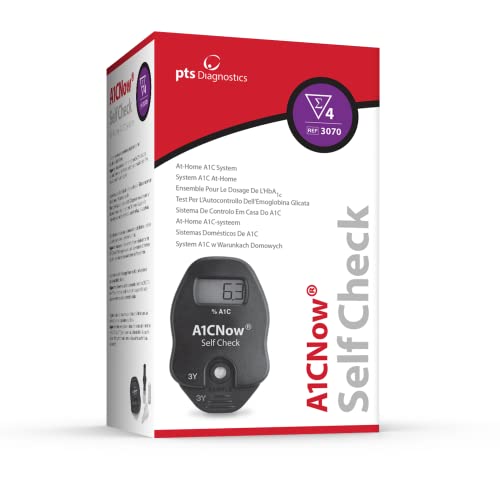
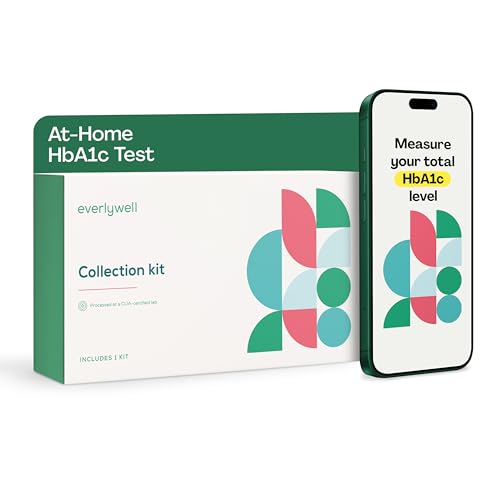
Prefer to order direct? The Everlywell HbA1c Test uses a CLIA-certified lab, physician-reviewed results, and prepaid return shipping.
What to Look For in a Continuous Glucose Monitor (CGM)
Over-the-counter CGMs like Dexcom Stelo and Abbott Lingo now sell without a prescription. Check the wear time (14–15 days per sensor), whether it reads to your phone or needs a separate device, and the monthly cost. For seeing how your own body responds to meals, a month or two is usually enough — you don't need to wear one forever.


What Makes a Good Fiber Supplement
For blood-sugar and cholesterol support you want SOLUBLE fiber — psyllium husk is the best studied. Start with one teaspoon and build up with plenty of water to avoid bloating, and take it 10–15 minutes before carb-heavy meals. Choose an unsweetened, additive-free powder or capsule.


Frequently Asked Questions
Can A1C be normal with insulin resistance?
Yes, and this is common. Insulin resistance can be present for years while the pancreas compensates by producing more insulin, keeping blood glucose — and therefore A1C — in the normal range. Fasting insulin or HOMA-IR is more likely to flag this compensatory phase than A1C, which typically doesn't rise until compensation starts to fail.
Is fasting insulin a standard test doctors order?
Not routinely. Most standard diabetes screening protocols rely on fasting glucose and A1C, which have established diagnostic cutoffs endorsed by major guidelines. Fasting insulin is more commonly ordered by physicians taking a preventive or functional-medicine approach, or when someone has risk factors but normal glucose and A1C.
What is a good fasting insulin level?
Standard lab reference ranges for fasting insulin are wide (roughly 2.6-24.9 μIU/mL) and include many people who already have some degree of insulin resistance. A tighter, research-informed optimal range is under 7 μIU/mL, with levels above 10 μIU/mL generally considered a sign of developing insulin resistance even when glucose and A1C are normal.
Which test should I ask for first — fasting insulin or A1C?
A1C is the standard, guideline-backed starting point most physicians will order or already have on file. If you have risk factors for insulin resistance (PCOS, central weight gain, family history of type 2 diabetes, fatigue after meals) but your A1C comes back normal, ask specifically about adding fasting insulin or HOMA-IR rather than assuming a normal A1C rules out a metabolic problem.
Topic updates
Get the weekly lab marker roundup
Blood test interpretation, optimal ranges, fasting insulin, A1C, thyroid panels, testosterone, cortisol, and nutrient markers.
Want your metabolic health handled by a physician who works from your labs? See how Opt Health does it →
Check Where You Stand
Take our free health assessment to understand your metabolic, hormonal, and recovery risk factors — and get personalized recommendations.
Take the Free Assessment →Free · Takes 5 minutes · Instant results
Related Comparisons
← Back to Testing & Biomarkers
-
Fasting Insulin Levels: What's Optimal and Why It Matters
Optimal <7 μIU/mL vs standard 'normal' <25 — why the gap matters.
-
How to Test for Insulin Resistance: Labs That Matter
Fasting insulin, HOMA-IR, and triglyceride-to-HDL ratio.
-
A1C Test: Levels Chart, What's Normal vs Prediabetes, and How to Lower It
A1C test: levels chart, prediabetes range, and evidence-based ways to lower it.
Affiliate disclosure: The Metabolic Journal is reader-supported. Some links above are affiliate or referral links and we may earn a commission at no extra cost to you. As an Amazon Associate we earn from qualifying purchases. Products are chosen on the merits; commissions never influence what we recommend. This is general information, not medical advice — talk to your clinician before acting.