Adults Should Cap Sodium at 2,300 mg a Day
Medically reviewed by Medical Advisory Board Last reviewed 2026-09-05
The average adult eats about 3,300 mg, roughly 1,000 mg over the federal guideline
Federal dietary guidelines cap sodium at 2,300 milligrams a day for most adults, with the American Heart Association setting an ideal target of 1,500 milligrams for extra cardiovascular benefit. Average U.S. intake runs about 3,266 milligrams a day, and more than 70% of that comes from packaged and restaurant food rather than the salt shaker. Salt and sodium are related but not identical: table salt is about 40% sodium by weight, so a teaspoon of salt supplies roughly 2,300 milligrams of sodium.
Federal dietary guidelines cap sodium at 2,300 milligrams a day for most adults, and the American Heart Association sets an ideal target of 1,500 milligrams for extra cardiovascular benefit. In the guides we publish here, we've found readers confuse the salt shaker with the actual sodium math. Most sodium comes from packaged and restaurant food rather than what gets added at the table.
According to CDC survey data, the average American adult consumes about 3,266 milligrams of sodium a day, roughly 1,000 milligrams above the general guideline. Closing that gap depends less on how much salt you add to your own cooking and more on which packaged foods end up in your cart.
Partner · Opt Health
Want a clinician to work up your metabolic numbers?
Opt Health runs fasting insulin, A1C, a full lipid panel and 50+ other markers, then builds a treatment plan — GLP-1s included where they're appropriate — with a physician who reviews the data with you directly.
See Opt Health's metabolic program →Salt and Sodium Are Not the Same Thing
Table salt is sodium chloride, and sodium makes up about 40% of its weight, so a level teaspoon of salt, about 6 grams, supplies roughly 2,300 milligrams of sodium. Nutrition labels, medical guidelines, and research studies track sodium specifically, because sodium is the mineral your kidneys, blood vessels, and nerves actually respond to. "Low-sodium" and "low-salt" get used interchangeably in everyday conversation, but the number that matters on a Nutrition Facts label is always the sodium figure, per the FDA's sodium guidance.
How Much Sodium You Should Eat a Day
Current federal dietary guidelines set 2,300 milligrams a day as the general limit for adults. The American Heart Association goes further, recommending an ideal limit of 1,500 milligrams a day for most adults, with a specific note that even cutting back by 1,000 milligrams from a typical American diet measurably improves blood pressure, according to the American Heart Association. The CDC specifically flags Black adults, adults 51 and older, and anyone with hypertension, diabetes, or chronic kidney disease as groups where the stricter 1,500-milligram target applies, per the agency's sodium reduction guidance.
Where the Sodium in Your Diet Comes From
More than 70% of the sodium in a typical American diet comes from packaged, processed, and restaurant food. Salt added during home cooking or at the table makes up a much smaller share, according to the American Heart Association's sodium data. Bread, deli meat, pizza, soup, and sandwiches are consistently among the largest single contributors, not because any one serving tastes especially salty, but because people eat them often and in large portions. Checking the Nutrition Facts label on packaged items you eat regularly closes more of the gap to 2,300 milligrams than switching to unsalted cooking at home.
How to Read a Label for Sodium
The Percent Daily Value (%DV) column on a Nutrition Facts label gives a fast way to judge any single food without doing the milligram math yourself. The FDA's own rule of thumb: 5% DV or less of sodium per serving counts as low, and 20% DV or more counts as high, based on a 2,300-milligram daily value, per the FDA's own guidance on reading the label. A frozen dinner listing 35% DV for sodium is supplying more than a third of a full day's general limit in one meal.
Two details trip people up on the same label. First, the %DV is calculated against the 2,300-milligram general cap rather than the 1,500-milligram target, so anyone following the stricter AHA number should read a 20% DV item as an even bigger share of their personal budget than the label implies. Second, the whole label describes one serving, and many packages, a can of soup or a bag of chips, contain two or three servings, so the sodium total for what you actually eat can run two or three times the number printed at the top of the label.
Why the Salt-Guideline Debate Exists
Cutting sodium lowers blood pressure by a measurable but modest amount, and the size of that effect depends heavily on whether someone already has high blood pressure. Meta-analyses summarized in the American Journal of Hypertension put the average reduction at about 5.7/2.9 mmHg in people with hypertension, against roughly 1.1/0 mmHg in people with normal blood pressure to start. That is a real effect in the group with high blood pressure and a small one in everyone else.
The debate researchers and clinicians actually have is narrower than "salt is bad" versus "salt is fine." It's whether pushing sodium intake down to the strictest targets produces a clear reduction in heart attacks, strokes, and deaths, on top of the blood pressure change, or whether the evidence for that harder outcome stays too thin to say for sure at the population level. Multiple reviews describe the cardiovascular-event data as still underpowered to settle that question. Competing sodium guidelines disagree over that gap in the harder outcomes. They don't disagree about whether sodium affects blood pressure at all.
Sodium and Specific Health Conditions
Guidelines treat sodium differently depending on what else is going on with a person's health. Hypertension is where the blood pressure benefit of cutting sodium is largest and most consistent across studies. Chronic kidney disease changes the picture because damaged kidneys struggle to clear excess sodium, which can raise blood pressure and worsen fluid retention, so sodium intake is a standard part of nephrology care plans. Heart failure carries a similar pattern: excess sodium contributes to the fluid buildup that heart failure guidelines specifically monitor. None of this is a substitute for what a treating clinician says about your own labs and diagnosis. It's the pattern the published guidelines describe across these conditions generally.
Sodium Needs Change on a Low-Carb or Keto Diet
Cutting carbohydrate intake sharply lowers insulin, and insulin normally signals the kidneys to hold onto sodium. A lower-carb or ketogenic diet can push more sodium out through urine than a typical mixed diet does. Researchers Stephen Phinney and Jeff Volek, who study low-carbohydrate diets, put a rough figure on it: an extra 1 to 2 grams of sodium a day on top of what food already supplies, commonly taken as 1 to 2 cups of broth or bouillon, according to a scoping review published in Frontiers in Nutrition. The review itself flags that this number comes from clinical experience rather than a dedicated outcome trial. It's a separate, diet-specific situation and applies during carbohydrate restriction specifically, apart from the general 2,300-milligram guideline discussed above for a typical mixed diet.
Both High and Very Low Sodium Carry Research Debate
Sodium's relationship with cardiovascular risk isn't a straight line where less is always better. A large international study measuring sodium excretion directly found the lowest rate of death and cardiovascular events among people excreting between 3 and 6 grams of sodium a day, with risk rising at both higher and lower levels, a pattern researchers call a J-shaped or U-shaped curve, according to the analysis in the New England Journal of Medicine. A pooled analysis of 23 separate studies covering more than 375,000 people found the same U-shaped pattern. Researchers still debate how much of the very-low-sodium end of that curve reflects people who already had health problems cutting sodium on medical advice, rather than sodium restriction itself causing harm, which is part of why guidelines haven't converged on the aggressive end of the restriction range for the general population.
Who This Is Not For
The 2,300-milligram general guideline and the 1,500-milligram AHA target aren't a fit for everyone equally. Someone newly starting a ketogenic or very-low-carb diet needs extra sodium during the adjustment period, for the reason described above, rather than a lower intake. Someone with heart failure, late-stage kidney disease, or another condition where a clinician has already set a specific sodium target should follow that number rather than either guideline figure on this page. General population guidelines are a starting point. A target your own clinician has already set for your specific diagnosis takes precedence over either one.
Potassium's Role in the Sodium Equation
Sodium doesn't act alone on blood pressure. Higher potassium intake measurably blunts sodium's effect on blood pressure, which is a big part of why the National Heart, Lung, and Blood Institute's DASH eating plan pairs sodium reduction with more fruits, vegetables, and low-fat dairy rather than treating sodium as the only variable. The DASH-Sodium trial, run by NHLBI, found that combining the potassium-rich DASH pattern with lower sodium produced a bigger blood pressure improvement than either change made alone. For more on how sodium, potassium, and the other five electrolytes work together, see our electrolytes explainer.
What Would Change This Answer
A diagnosis of hypertension, chronic kidney disease, or heart failure moves someone from the general 2,300-milligram guideline toward the stricter targets clinicians use for those conditions. Age past 51 and being Black are the two demographic factors the CDC specifically names as raising the stakes of excess sodium, independent of any diagnosis. Outside those factors, the evidence supports the general 2,300-milligram cap as a reasonable target without requiring the stricter 1,500-milligram number.
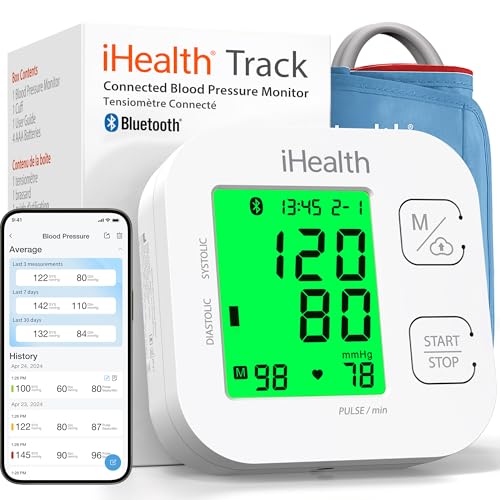
Track your blood pressure at home
Frequently Asked Questions
How much salt should I eat per day?
Federal guidelines cap sodium, the nutrient actually tracked on labels and in research, at 2,300 milligrams a day for most adults. That translates to roughly one teaspoon of table salt, since salt is about 40% sodium by weight. The American Heart Association sets a stricter ideal target of 1,500 milligrams for extra cardiovascular benefit.
What is the difference between salt and sodium?
Salt is a compound, sodium chloride, that is about 40% sodium and 60% chloride by weight. Sodium is the specific mineral that nutrition labels, dietary guidelines, and blood pressure research track. A teaspoon of salt supplies about 2,300 milligrams of sodium.
Does cutting salt lower blood pressure?
Yes, though the size of the effect depends on starting blood pressure. Meta-analyses put the average reduction at about 5.7/2.9 mmHg in people with hypertension and a smaller 1.1/0 mmHg in people with normal blood pressure to start.
Where does most dietary sodium come from?
More than 70% of sodium in a typical American diet comes from packaged, processed, and restaurant food rather than salt added during home cooking. Bread, deli meat, pizza, soup, and sandwiches are among the most common contributors.
Who should follow the stricter 1,500 mg sodium target?
The CDC specifically names Black adults, adults 51 and older, and anyone with hypertension, diabetes, or chronic kidney disease as the groups where the stricter 1,500-milligram target is recommended over the general 2,300-milligram cap.
Do you need more salt on a keto or low-carb diet?
Often yes, at least during the first weeks. Cutting carbohydrates lowers insulin, which normally tells the kidneys to hold onto sodium, so a low-carb or ketogenic diet can push out more sodium than usual. Researchers Phinney and Volek put a rough figure on it: an extra 1 to 2 grams of sodium a day on top of food during that adjustment period, above the general 2,300-milligram guideline for a typical mixed diet.
Is very low sodium intake harmful?
Large studies measuring sodium excretion directly find the lowest risk of death and cardiovascular events between 3 and 6 grams of sodium a day, with risk rising at both the high and the very low end, a U-shaped pattern. Researchers still debate how much of the low-sodium-end risk reflects people who already had health problems, rather than low sodium itself causing harm.
Topic updates
Get the weekly metabolic health roundup
Insulin resistance, blood sugar, visceral fat, GLP-1 plateaus, metabolic syndrome, and weight-loss physiology.
Want your metabolic health handled by a physician who works from your labs? See how Opt Health does it →
Check Where You Stand
Take our free health assessment to understand your metabolic, hormonal, and recovery risk factors — and get personalized recommendations.
Take the Free Assessment →Free · Takes 5 minutes · Instant results
Related Guides
-
What Is Insulin Resistance? Causes, Symptoms & How to Reverse It
What insulin resistance is, how to test for it, and how to reverse it.
-
Hyperinsulinemia
Chronically high insulin: symptoms, causes, how it differs from insulin resistance, and how to reverse it.
-
Metabolic Syndrome — Diagnosis, Risks, and Treatment
The five diagnostic criteria and what they mean for your health.
See more related guides
-
Metabolic Syndrome vs Insulin Resistance — How the Two Terms Differ
Metabolic syndrome vs insulin resistance: the mechanism-vs-diagnosis distinction, and where PCOS overlaps.
-
Insulin Resistance Symptoms: 12 Warning Signs
12 clinical warning signs, from acanthosis nigricans to post-meal fatigue.
-
Blood Sugar Crash: Why It Happens and How to Stop It
Reactive hypoglycemia: causes, symptoms, and how to stabilize glucose.
-
Glucose Spikes After Eating: Causes and What to Do
Why blood sugar spikes after eating and what to do about it.
-
Fatigue After Eating: Why Food Makes You Tired
Post-meal fatigue explained — insulin, glucose, and the gut-brain axis.
Affiliate disclosure: The Metabolic Journal is reader-supported. Some links above are affiliate or referral links and we may earn a commission at no extra cost to you. As an Amazon Associate we earn from qualifying purchases. Products are chosen on the merits; commissions never influence what we recommend. This is general information, not medical advice — talk to your clinician before acting.