Berberine vs Metformin: Which Lowers Blood Sugar Better?
Medically reviewed by Medical Advisory Board Last reviewed 2026-08-08
A supplement and a first-line drug, compared on the evidence
Berberine and metformin both improve blood sugar and insulin sensitivity, and small head-to-head studies show surprisingly similar glycemic effects. But metformin is an FDA-approved, heavily studied prescription drug, while berberine is a supplement with less long-term data. This guide compares mechanism, evidence, side effects, and who each fits.
Berberine vs. metformin is a legitimate comparison, not just hype. Unlike the "nature's Ozempic" label, both genuinely improve insulin sensitivity and lower blood sugar. A few small trials have even found similar glycemic results. The key differences are the depth of evidence, regulation, and safety track record.
If you're exploring these because of prediabetes or PCOS, also read our guides on insulin resistance and how to reverse it.
Partner · Opt Health
Want a clinician to work up your metabolic numbers?
Opt Health runs fasting insulin, A1C, a full lipid panel and 50+ other markers, then builds a treatment plan — GLP-1s included where they're appropriate — with a physician who reviews the data with you directly.
See Opt Health's metabolic program →Berberine vs Metformin: Comparison Table
| Factor | Berberine | Metformin |
|---|---|---|
| Type | Plant alkaloid supplement | Prescription biguanide drug |
| Primary mechanism | Activates AMPK; improves insulin sensitivity | Reduces liver glucose output; activates AMPK |
| Blood sugar effect | Lowers fasting glucose and HbA1c (small trials) | Lowers fasting glucose and HbA1c (large trials) |
| Evidence base | Smaller, shorter studies | Decades of data; first-line for Type 2 diabetes |
| Regulation | Supplement (quality varies by brand) | FDA-approved; standardized dosing |
| Common side effects | GI upset, cramping, diarrhea | GI upset, diarrhea; rare B12 depletion |
| Dosing | ~500 mg, 2–3x daily with meals | 500–2,000 mg daily (often extended-release) |
| Access & cost | OTC, low cost | Prescription, very low cost (generic) |
How They Work
Both turn on AMPK, an enzyme that acts like a cellular fuel gauge. When AMPK is active, cells take up and use glucose more efficiently and store less fat. Metformin adds a second, well-documented effect: it tells the liver to release less glucose into the blood, which is why it is so reliable for fasting blood sugar.
Berberine reaches AMPK through a slightly different route, and it also influences the gut microbiome. The net effect on blood sugar is real but generally studied over shorter periods than metformin.
When Berberine Fits
Berberine may suit you if:
- You have early insulin resistance or prediabetes and prefer a supplement alongside diet and exercise.
- You cannot tolerate metformin or do not have a prescription.
- You want microbiome and lipid support as a bonus.
Choose a third-party-tested brand — see our evidence-based supplement rankings for the studied clinical dose and quality/interaction notes — and recheck your baseline HbA1c and fasting insulin after 8–12 weeks to confirm it is helping. If you're already changing your diet and exercise and wondering whether metformin adds anything on top of that, see our insulin resistance reversal guide, which covers how lifestyle change and medication compare head to head.
When Metformin Fits
Metformin is usually the better choice if:
- You have diagnosed Type 2 diabetes or PCOS — it is first-line and well-proven.
- You want the most reliable, best-studied blood-sugar effect.
- You value standardized dosing and clinical monitoring.
The Verdict
For proven, reliable blood-sugar control, metformin wins on evidence. Berberine is a credible option for milder cases or when a prescription is not an option, and the head-to-head data is closer than most supplements ever get. Do not combine them without medical advice — stacking two glucose-lowering agents raises hypoglycemia risk. Want to know your true insulin status first? Try our insulin resistance calculator or book a consultation.
How to test metabolic markers at home
You don't need a lab appointment to check your own metabolic markers — a few at-home kits mail you a collection kit and return physician-reviewed results online within days:
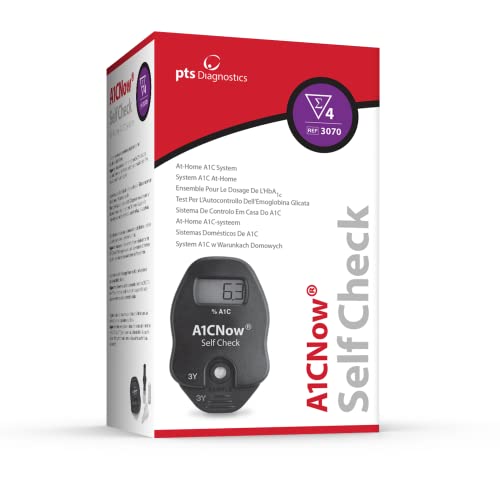
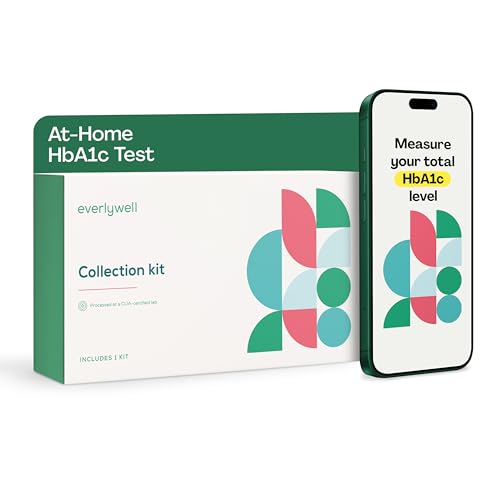
Prefer to order direct? The Everlywell HbA1c Test uses a CLIA-certified lab, physician-reviewed results, and prepaid return shipping.
What to Look For in a Continuous Glucose Monitor (CGM)
Over-the-counter CGMs like Dexcom Stelo and Abbott Lingo now sell without a prescription. Check the wear time (14–15 days per sensor), whether it reads to your phone or needs a separate device, and the monthly cost. For seeing how your own body responds to meals, a month or two is usually enough — you don't need to wear one forever.


What Makes a Good Fiber Supplement
For blood-sugar and cholesterol support you want SOLUBLE fiber — psyllium husk is the best studied. Start with one teaspoon and build up with plenty of water to avoid bloating, and take it 10–15 minutes before carb-heavy meals. Choose an unsweetened, additive-free powder or capsule.


Frequently Asked Questions
Is berberine as effective as metformin?
In a few small, short head-to-head studies, berberine produced glycemic improvements similar to metformin. However, metformin has decades of large, long-term trials behind it and is the first-line drug for Type 2 diabetes. Berberine's evidence is thinner and supplement quality varies. For mild insulin resistance, berberine can help; for diagnosed diabetes, metformin is the better-validated choice. See our evidence-based supplement rankings for the underlying study comparing the two head-to-head.
Can I take berberine and metformin together?
Only with medical guidance. Taken alone, berberine's hypoglycemia risk is low — it works mainly by improving insulin sensitivity rather than triggering extra insulin release. The real risk appears when it's combined with metformin, insulin, or a sulfonylurea, where the glucose-lowering effects stack, so combining berberine and metformin increases the risk of hypoglycemia and stomach upset. Some clinicians do use them together in specific cases, but this should be monitored. Always review your full medication and supplement list with your doctor first.
Which has fewer side effects, berberine or metformin?
Both most commonly cause GI side effects like diarrhea and cramping, often dose-related — metformin's GI symptoms are often most noticeable during the first few weeks and tend to ease as the body adjusts, especially on the extended-release form; see our Ozempic vs metformin comparison for more on that timeline. Metformin can rarely lower vitamin B12 over time, so periodic testing is wise. Berberine's main concern is drug interactions — it affects the CYP3A4 liver enzyme that processes many medications, including statins and anticoagulants, so see our evidence-based supplement rankings for the specific interaction notes. Neither is clearly gentler — it depends on the person.
Is berberine or metformin better for PCOS?
Metformin is commonly used for PCOS-related insulin resistance and has more clinical support. Some studies suggest berberine may improve insulin sensitivity and metabolic markers in PCOS as well, sometimes with favorable effects on weight and lipids. Discuss with your clinician — for many people with PCOS, metformin remains the standard, with berberine as a possible alternative or adjunct.
Can I stop metformin and switch to berberine alone once my blood sugar improves?
Not on your own — that decision belongs to the prescriber who is managing your diabetes or prediabetes, not something to decide from an improved lab result alone. Metformin's long track record includes benefits beyond glucose lowering (cardiovascular data, PCOS management) that a supplement switch could quietly give up, and stopping abruptly can let blood sugar drift back up before you notice. If you want to explore reducing or replacing metformin with berberine, bring that specific goal to your doctor and taper under supervision with follow-up labs, rather than switching independently. If you're also weighing berberine against a GLP-1 like Ozempic, our berberine vs Ozempic comparison covers whether the two can be combined.
Which is better if I also want to lose weight — berberine or metformin?
Neither is a meaningful weight-loss tool on its own. Metformin is generally weight-neutral to mildly weight-reducing — a few pounds at most. Berberine's weight effects are similarly modest and inconsistent across studies, sometimes showing a small reduction and sometimes none. If real weight loss is your main goal, see our berberine vs Ozempic comparison for how these compare to a GLP-1.
What if berberine doesn't lower my blood sugar enough — should I switch to metformin?
That's a reasonable next step, but it's a conversation for your doctor, not a call to make from home glucose readings alone. Metformin has decades of large-scale trial data and is the first-line, best-validated option for Type 2 diabetes, so it's a sound fallback if berberine hasn't moved your labs after a full 8–12 week trial. Bring your fasting insulin and HbA1c results to that appointment so your prescriber can judge whether metformin, a dose adjustment, or another approach fits best.
Is metformin or berberine safe if I have kidney problems?
This is a conversation for your prescriber, not a DIY decision. Metformin is cleared by the kidneys, which is why kidney markers like creatinine and eGFR are routinely checked before and during treatment — see our kidney function test guide. Berberine doesn't have the same established kidney-dosing guidance, so reduced kidney function is a reason to get personalized input rather than assume either option is automatically fine. Share your latest kidney labs with your doctor before starting either one.
Does metformin cause lactic acidosis, and is it safe to drink alcohol while taking it?
Metformin-associated lactic acidosis is rare, and when it happens it is almost always tied to reduced clearance of the drug rather than the drug acting on its own. The named risk factors are kidney disease, dehydration or acute illness that impairs kidney function, heavy or binge alcohol use, and recent IV contrast dye containing iodine (a common reason metformin is paused around a CT scan). Anyone with kidney disease, a drinking pattern that includes binge episodes, or an upcoming contrast-imaging study should flag it to their prescriber before continuing metformin, since the risk concentrates in these groups rather than in typical daily use.
Is berberine or metformin safe during pregnancy or while breastfeeding?
Metformin has a more established, though still individualized, track record in pregnancy — it is used off-label in some PCOS and gestational-diabetes cases under a doctor's direction. Berberine lacks reliable pregnancy and breastfeeding safety data and is generally discouraged during pregnancy. Either way, this decision belongs with your OB or prescriber, not a self-directed choice — bring both options to that conversation rather than assuming either is automatically fine.
Is berberine or metformin safe if I have liver disease?
This is a conversation for your prescriber, not a DIY decision. Liver impairment changes the risk calculus for both: metformin isn't cleared by the liver the way it is by the kidneys, but significant hepatic impairment is still treated as a caution because it can compound lactic-acidosis risk, so ALT and AST are markers worth reviewing with your doctor before starting. Berberine carries its own liver-specific concern — it's processed through the CYP3A4 liver enzyme and can affect how the liver handles other medications, so pre-existing liver disease is a reason to get personalized input rather than assume either option is automatically fine. Share your latest liver labs with your doctor before starting either one.
Can I take berberine, metformin, and inositol together?
This is a three-way stacking question that goes beyond the simpler berberine-and-metformin combination covered above, and it needs the same caution plus one more layer. Myo-inositol is a separate insulin-sensitizing supplement, most studied in PCOS, that works through a different pathway than either berberine or metformin. Small studies have combined metformin with inositol, and separately berberine with metformin, without flagging a specific interaction beyond the general glucose-lowering stacking effect — but a formal three-way combination isn't well studied on its own. If you're considering all three, the practical approach is the same as any glucose-lowering stack: tell your prescriber every supplement and medication you're taking, start one change at a time so you can tell what's actually working, and watch for hypoglycemia symptoms (shakiness, sweating, confusion) as you add each one.
Does the form of berberine (HCl, phytosome, liposomal, dihydroberberine) change how it compares to metformin?
It can affect absorption more than it changes the underlying comparison to metformin. Standard berberine HCl has notoriously poor oral bioavailability — most of an oral dose is not absorbed intact — which is part of why it's typically dosed multiple times a day. Berberine phytosome (berberine bound to phosphatidylcholine) and liposomal formulations are designed to improve absorption, and dihydroberberine (a reduced, more bioavailable precursor form) has shown higher blood levels than standard berberine HCl in small pharmacokinetic studies. None of these formulation differences have been directly compared to metformin head-to-head, so they don't change the core verdict on this page — metformin still has the deeper, longer-run evidence base — but a poorly absorbed, cheap berberine HCl product is more likely to underperform the glycemic effects described here than a formulation designed for better uptake. If you're comparing products, check the specific form and dose against what a study actually used, not just the word "berberine" on the label.
Is metformin or berberine better for longevity or anti-aging?
Neither has proven anti-aging effects in humans, and it's important not to overstate either one based on early research. Metformin's longevity reputation comes mainly from observational data (some studies found diabetics on metformin outliving non-diabetics without it) and its shared AMPK-activation mechanism with calorie restriction, which is why it's the subject of the ongoing TAME (Targeting Aging with Metformin) trial — a study designed specifically to test, not confirm, whether metformin slows aging in non-diabetics. Berberine activates AMPK through a similar pathway and is sometimes marketed on that overlap, but it has essentially no dedicated human longevity trial data of its own. Until TAME or similar trials report results, treat any anti-aging claim for either one as a hypothesis under investigation, not an established benefit — the evidence on this page for blood sugar and insulin sensitivity is a separate, much better-supported question from the longevity one.
Topic updates
Get the weekly metabolic health roundup
Insulin resistance, blood sugar, visceral fat, GLP-1 plateaus, metabolic syndrome, and weight-loss physiology.
Want your metabolic health handled by a physician who works from your labs? See how Opt Health does it →
Check Where You Stand
Take our free health assessment to understand your metabolic, hormonal, and recovery risk factors — and get personalized recommendations.
Take the Free Assessment →Free · Takes 5 minutes · Instant results
Related Comparisons
-
Berberine vs Ozempic: Is Berberine Really 'Nature's Ozempic'?
Berberine vs Ozempic: why 'nature's Ozempic' is a stretch, and what each actually does.
-
Ozempic vs Metformin: Weight Loss and Blood Sugar Compared
Ozempic vs metformin: weight loss, blood sugar, cost, and when to use each (or both).
-
Metformin Alternatives: 6 Prescription and Natural Options Compared
Metformin alternatives ranked: GLP-1s, SGLT2 inhibitors, pioglitazone, berberine, inositol, lifestyle.
See more related comparisons
-
Zepbound vs Metformin: Dual-agonist Weight Loss vs Cheap First-line Glucose Control, Compared
Zepbound vs metformin: mechanism, SURMOUNT-1 weight-loss data, cost, and when each (or a combination) fits.
-
Can You Take Metformin and Zepbound Together? What the Overlap Means for Side Effects
Metformin and Zepbound together: why prescribers combine them, the overlapping GI side effects, and what changes when you do.
Affiliate disclosure: The Metabolic Journal is reader-supported. Some links above are affiliate or referral links and we may earn a commission at no extra cost to you. As an Amazon Associate we earn from qualifying purchases. Products are chosen on the merits; commissions never influence what we recommend. This is general information, not medical advice — talk to your clinician before acting.