Berberine vs Ozempic: Is It Really 'Nature's Ozempic'?
Medically reviewed by Medical Advisory Board Last reviewed 2026-09-05
What the 'natural Ozempic' label gets wrong about berberine
Berberine has been called "nature's Ozempic," but the two work through completely different mechanisms and deliver very different results. Ozempic (semaglutide) is a prescription GLP-1 drug with strong weight-loss data. Berberine is a plant supplement that mainly improves blood sugar and offers only modest weight effects. This guide compares them honestly.
"Berberine vs. Ozempic" blew up on social media after berberine was nicknamed "nature's Ozempic." It's a catchy label, but a misleading one. The two are not the same kind of thing, and they do not produce the same results. Ozempic (semaglutide) is a prescription GLP-1 receptor agonist, while berberine is a plant alkaloid sold as a supplement.
This page sets realistic expectations for both. For a complete look at the drug side, see our GLP-1 peptides guide and how GLP-1s drive weight loss.
Partner · Opt Health
Want medical weight loss instead of another diet?
Opt Health prescribes and monitors GLP-1 therapy against real labs — insulin, A1C, lipids, thyroid, hormones — so the plan fits your physiology rather than a generic protocol. Medication ships to your door.
See Opt Health's weight-loss program →Berberine vs Ozempic: Side-by-Side
| Factor | Berberine | Ozempic (semaglutide) |
|---|---|---|
| What it is | Plant alkaloid supplement (OTC) | Prescription GLP-1 receptor agonist |
| Main mechanism | Activates AMPK; improves insulin sensitivity | Mimics GLP-1: cuts appetite, slows digestion, boosts insulin |
| Typical weight loss | Modest (often a few pounds in studies) | Substantial (often 10%+ of body weight) |
| Blood sugar effect | Lowers fasting glucose and HbA1c in trials | Strongly lowers glucose and HbA1c |
| How it's taken | Oral capsule, 2–3x daily with meals | Weekly subcutaneous injection |
| Access | No prescription needed | Prescription only |
| Cost | Low ($15–40/month) | High (often ~$1,000/month without coverage) |
| Regulation | Supplement — not FDA-approved for weight loss | FDA-approved (diabetes; CV risk) |
Why 'Nature's Ozempic' Is a Stretch
The nickname suggests berberine is a natural copy of semaglutide. It is not. Ozempic activates the GLP-1 receptor, which directly reduces appetite and "food noise." Berberine does not touch the GLP-1 system in any meaningful way. It mainly switches on an energy-sensing enzyme called AMPK, which helps cells use glucose better. That improves insulin sensitivity, but it is a much gentler effect on weight.
Berberine's strongest, best-supported benefit is glycemic control — not dramatic fat loss. Treating it as a drug-strength weight-loss tool sets you up for disappointment.
When Berberine Is a Reasonable Choice
Berberine may help if:
- You have early insulin resistance or prediabetes and want a low-cost supplement to support lifestyle changes.
- You cannot or do not want to use a prescription drug.
- Your main goal is steadier blood sugar, not large weight loss.
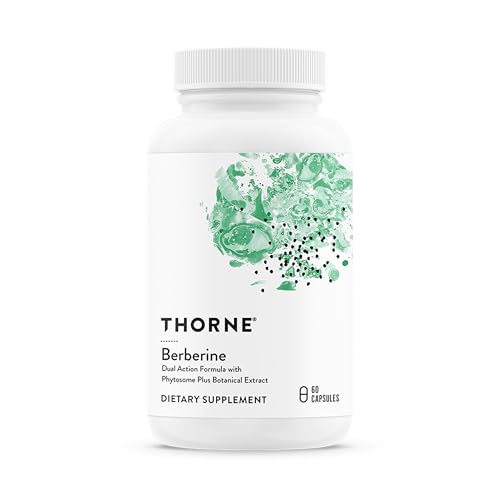
Check with your doctor first — berberine can interact with medications (it affects the same liver enzymes as many drugs) and can cause GI upset. If you're already on insulin or another glucose-lowering medication, see the interaction guidance in our insulin resistance supplements guide before adding berberine. Test your numbers with a fasting insulin and HbA1c panel to see if it is actually working — our A1C guide also covers the standard 500 mg, 2–3x-daily dosing protocol used in clinical trials.

When Ozempic Is the Better Tool
Ozempic (or a GLP-1) makes more sense if:
- You have Type 2 diabetes or significant obesity and need real, measurable results.
- Appetite and cravings are the main barrier — GLP-1s target exactly that.
- You have a clinician to manage dosing, side effects, and monitoring.
Also worth knowing before starting: how alcohol interacts with Ozempic.
The Verdict
Berberine is a blood-sugar supplement, not a natural Ozempic. If you want modest metabolic support and low cost, berberine is reasonable. If you need substantial weight loss, a GLP-1 like Ozempic is in a different league — but it requires a prescription and medical supervision. They can even be complementary in a broader plan. Not sure where you stand? Our free metabolic assessment can help you and a clinician decide the right path. And if you're weighing what happens after stopping either option, see our Ozempic weight regain guide.
What to Look For in a Body-Composition Scale
A bioimpedance scale trends body fat and muscle rather than just weight — useful when the number stalls but your composition is improving. The absolute body-fat % isn't lab-accurate, so use it for TRENDS at a consistent time of day. Choose one that syncs to an app so you can watch the trend line.


Frequently Asked Questions
Is berberine really 'nature's Ozempic'?
No. The nickname is marketing, not science. Ozempic (semaglutide) works by activating the GLP-1 receptor to suppress appetite, while berberine works mainly by activating the AMPK enzyme to improve insulin sensitivity. Berberine can modestly improve blood sugar and produce small weight changes, but it does not match the appetite suppression or weight-loss results of GLP-1 drugs.
Can berberine help you lose weight like Ozempic?
Not to the same degree. In studies, berberine produces modest weight loss — usually a few pounds — mostly tied to better blood sugar control. Ozempic and other GLP-1 drugs commonly produce double-digit percentage weight loss. Berberine is best viewed as a metabolic support supplement, not a weight-loss drug substitute.
Is it safe to take berberine and Ozempic together?
Possibly, but only under medical guidance. Both can lower blood sugar, so combining them raises the risk of hypoglycemia, especially if you take other diabetes medications. Berberine also affects liver enzymes that process many drugs. Always tell your doctor about every supplement before combining anything with a prescription like Ozempic.
Which is cheaper, berberine or Ozempic?
Berberine is far cheaper — typically $15–40 per month over the counter. Ozempic can cost around $1,000 per month without insurance, though coverage for diabetes often lowers that significantly. Cost alone is not a good reason to choose berberine if your goal is substantial weight loss, because the results are very different. For exact out-of-pocket cost by insurance plan, and how compounded semaglutide pricing compares, see our Ozempic insurance coverage guide.
How long does it take for berberine to work?
Berberine typically takes 4 to 12 weeks of consistent use to show a measurable change in blood sugar markers like fasting glucose or A1C. Clinical trials showing meaningful glucose improvement generally ran 8 to 13 weeks, with effects building gradually rather than appearing within days. Because berberine has a short half-life, it is usually taken 2–3 times daily with meals for a steady effect, and skipping doses slows the timeline further.
Is berberine safe to take during pregnancy or while breastfeeding?
Berberine is not established as safe during pregnancy or while breastfeeding — human safety data is limited, and the general clinical guidance is to avoid it in both situations. If you become pregnant or are trying to conceive while taking berberine, stop it and talk with your clinician about alternatives for managing blood sugar. Semaglutide (Ozempic) is also not recommended during pregnancy; prescribing guidance advises stopping it well before a planned pregnancy given how long it stays active in the body. Either way, blood sugar management in pregnancy is a conversation for your OB or a maternal-fetal medicine specialist, not something to handle with an unsupervised supplement or off-label drug use.
Why don't doctors recommend berberine over a prescription GLP-1 like Ozempic?
Berberine hasn't gone through the FDA approval process that Ozempic has. Its potency and purity also aren't standardized between supplement brands the way a prescription drug's are. It interacts with medications that share the same liver enzymes, which matters for anyone managing several health conditions under a doctor's care. Those regulatory and interaction gaps explain the hesitation more than the blood-sugar evidence itself, which is real but modest. Bring up berberine with your doctor rather than assuming it's off the table.
What are the side effects and drug interactions of berberine?
Berberine's main side effect is gastrointestinal upset: cramping, diarrhea, or nausea, especially when starting a full dose. It also interacts with medications that use the same liver enzymes as many prescription drugs, including some diabetes and cholesterol medications. If you already take insulin or another glucose-lowering drug, combining it with berberine raises your risk of low blood sugar. Check with your doctor before adding berberine to any prescription you're already on, and see our insulin resistance supplements guide for interaction guidance specific to glucose-lowering medications.
Topic updates
Get the weekly metabolic health roundup
Insulin resistance, blood sugar, visceral fat, GLP-1 plateaus, metabolic syndrome, and weight-loss physiology.
Want weight loss handled by a physician who works from your labs? See how Opt Health does it →
Check Where You Stand
Take our free health assessment to understand your metabolic, hormonal, and recovery risk factors — and get personalized recommendations.
Take the Free Assessment →Free · Takes 5 minutes · Instant results
Related Comparisons
-
Ozempic vs Wegovy: Same Drug (Semaglutide), Different Use and Dose
Ozempic vs Wegovy: both are semaglutide — the real differences in approval, dose, and coverage.
-
Foundayo vs Ozempic: Obesity-approved Pill vs Diabetes-branded Weekly Shot Compared
Foundayo vs Ozempic: obesity-approved daily pill vs diabetes-branded weekly shot — approval pathway explained.
-
Berberine vs Metformin: Which Lowers Blood Sugar Better?
Berberine vs metformin: mechanism, evidence, side effects, and which lowers blood sugar better.
See more related comparisons
-
Ozempic vs Metformin: Weight Loss and Blood Sugar Compared
Ozempic vs metformin: weight loss, blood sugar, cost, and when to use each (or both).
-
Ozempic vs Mounjaro: Semaglutide vs Tirzepatide — Which GLP-1 Produces More Weight Loss?
Ozempic vs Mounjaro: semaglutide vs tirzepatide — mechanism, weight loss trials, and how to choose.
-
Zepbound vs Ozempic: On-label Weight-loss Approval vs Off-label Diabetes Drug Compared
Zepbound vs Ozempic: on-label weight-loss approval vs off-label diabetes drug compared.
-
Ozempic Alternatives: 7 Options Compared (Prescription, Compounded & Natural)
Ozempic alternatives ranked: other GLP-1 drugs, compounded options, metformin, berberine, and lifestyle-first care.
-
Compounded Semaglutide vs Ozempic: Cost, Safety, and Legality
Compounded semaglutide vs Ozempic: same molecule, different regulation, price, and quality assurance.
Affiliate disclosure: The Metabolic Journal is reader-supported. Some links above are affiliate or referral links and we may earn a commission at no extra cost to you. As an Amazon Associate we earn from qualifying purchases. Products are chosen on the merits; commissions never influence what we recommend. This is general information, not medical advice — talk to your clinician before acting.