PCOS vs Thyroid Symptoms: How to Tell Them Apart
Medically reviewed by Medical Advisory Board Last reviewed 2026-08-05
Two of the most commonly confused hormonal conditions -- and why testing both is often the fastest path to an answer
PCOS and thyroid disease (especially hypothyroidism) share several symptoms -- irregular periods, weight gain, fatigue, and hair changes -- which makes them easy to confuse. PCOS is driven by insulin resistance and androgen excess; thyroid disease is driven by too little or too much thyroid hormone. They use different labs to diagnose, and a standard PCOS workup already includes a TSH test specifically to rule thyroid disease out first.
This article is for informational purposes only and is not medical advice. Both conditions require clinical evaluation and lab testing to diagnose -- consult a doctor for testing and treatment.
PCOS (polycystic ovary syndrome) and thyroid disease, particularly hypothyroidism, are two of the hormonal conditions most commonly confused in women, and for good reason. Both can cause irregular periods, weight gain, fatigue, and hair thinning. This overlap is common enough that clinicians routinely rule out thyroid dysfunction before diagnosing PCOS, in line with the Rotterdam criteria's exclusion requirement.
Partner · Opt Health
Want a clinician who takes perimenopause seriously?
Opt Health's women's program runs full hormone and thyroid panels and treats the symptoms most primary-care visits wave off — sleep, mood, energy, cycle changes, libido — with physicians trained in hormone medicine.
See Opt Health's women's program →For the complete symptom checklist and the mechanism behind each condition, see our PCOS symptoms guide and thyroid symptoms guide.
PCOS vs Thyroid Symptoms at a Glance
Both conditions can cause cycle and weight changes, but the driving mechanism and the rest of the symptom picture point in different directions once you look closely.| Factor | PCOS | Hypothyroidism |
|---|---|---|
| Core mechanism | Insulin resistance driving excess androgen production, disrupting ovulation | Insufficient thyroid hormone slowing metabolism body-wide |
| Periods | Irregular, unpredictable, or absent (anovulation) | Can be heavier or more frequent, or in some cases irregular -- less predictably absent than PCOS |
| Skin/hair | Acne, excess facial/body hair growth (hirsutism), androgenic scalp thinning | Dry skin, brittle nails, diffuse hair thinning (not androgen-pattern), outer-eyebrow thinning |
| Temperature/energy | Not a defining feature | Cold intolerance is a hallmark; fatigue is more pronounced and constant |
| Weight pattern | Central/abdominal weight gain, difficulty losing weight | Generalized weight gain or difficulty losing, from a slowed metabolic rate |
| Diagnosis | Rotterdam criteria + androgen labs + pelvic ultrasound | TSH, free T4 (+/- free T3, TPO antibodies for Hashimoto's) |
| Bowel habits | Not typically affected | Constipation from slowed GI motility is common |
Why the Symptoms Overlap So Much
Both conditions ultimately disrupt the same downstream systems -- menstrual regulation, metabolic rate, and skin/hair turnover -- through completely different upstream mechanisms. PCOS starts with insulin resistance, which drives the ovaries to overproduce androgens and suppresses SHBG (the protein that normally binds excess testosterone). Hypothyroidism starts with a gland that isn't producing enough T3/T4, which slows every metabolically active tissue in the body. Because fatigue, weight change, and cycle irregularity can result from either pathway, symptoms alone rarely settle which one (or both) is present.
The two conditions also aren't mutually exclusive -- autoimmune thyroid disease (Hashimoto's) is somewhat more common in people with PCOS than in the general population, so having one does not rule out having both simultaneously.
The Symptoms That Actually Point One Way or the Other
A few clues are more diagnostically useful than the overlapping ones:
- Androgen symptoms (acne, hirsutism, androgenic hair thinning at the crown) point toward PCOS -- these aren't features of thyroid disease.
- Cold intolerance and constipation point toward hypothyroidism -- these aren't features of PCOS.
- Complete absence of periods for 3+ months is more characteristic of PCOS-driven anovulation than of thyroid disease, though severe untreated hypothyroidism can also disrupt cycles.
- Diffuse, non-patterned hair thinning across the whole scalp (rather than concentrated at the crown/part) leans thyroid; androgenic pattern loss leans PCOS.
None of these are diagnostic on their own -- they narrow which lab panel to prioritize first, not replace testing. See our thyroid panel guide for what a full thyroid workup includes.
How Each Is Actually Diagnosed
PCOS is diagnosed using the Rotterdam criteria (two of three: irregular ovulation, clinical or lab evidence of excess androgens, polycystic ovarian morphology on ultrasound), and -- critically -- thyroid disease, high prolactin, and non-classic congenital adrenal hyperplasia must be excluded first, since any of those three can produce a similar clinical picture. That exclusion step is exactly why a TSH test is a standard part of any real PCOS workup.
Hypothyroidism is diagnosed primarily with TSH -- elevated TSH with low free T4 confirms overt hypothyroidism. TSH alone can miss subclinical cases or poor T4-to-T3 conversion, which is why a fuller panel (free T3, TPO antibodies) is often warranted when TSH is borderline but symptoms persist. See our thyroid symptoms guide for the full panel breakdown and normal ranges.
Can You Have Both PCOS and Thyroid Disease?
Yes, and it's not a rare coincidence -- several studies have found a higher prevalence of autoimmune thyroiditis (Hashimoto's) among people with PCOS compared to the general population, though the exact mechanism connecting the two isn't fully settled. Practically, this means a TSH result in the 'normal' range doesn't rule out a PCOS diagnosis, and a PCOS diagnosis doesn't mean thyroid symptoms should be assumed to be PCOS-related without checking labs. If symptoms don't fully resolve with PCOS-directed treatment (metformin, inositol, lifestyle intervention), revisiting thyroid labs is a reasonable next step rather than assuming the PCOS treatment simply needs more time.
The Bottom Line
If your pattern is irregular or absent periods plus acne, excess hair growth, or scalp thinning at the crown, PCOS is the stronger lead and androgen labs plus a pelvic ultrasound are the next step. If your pattern is fatigue, cold intolerance, constipation, and diffuse hair thinning, hypothyroidism is the stronger lead and a TSH/free T4 panel is the next step. Because the two conditions can coexist and a real PCOS workup already screens for thyroid disease, the most efficient path for anyone with an ambiguous mix of these symptoms is simply to test both rather than guess. Take the free assessment to map your symptoms across metabolic and hormonal domains before your next appointment.
How to test metabolic markers at home
You don't need a lab appointment to check your own metabolic markers — a few at-home kits mail you a collection kit and return physician-reviewed results online within days:
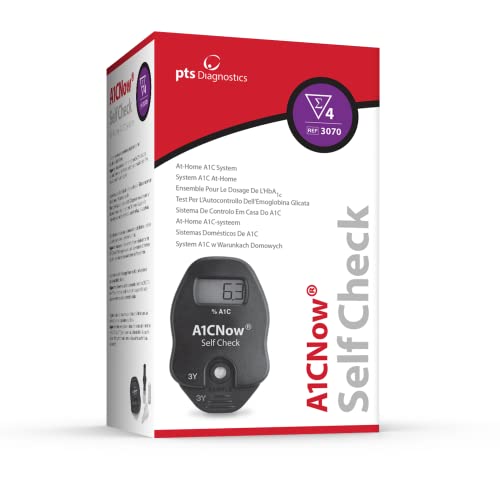
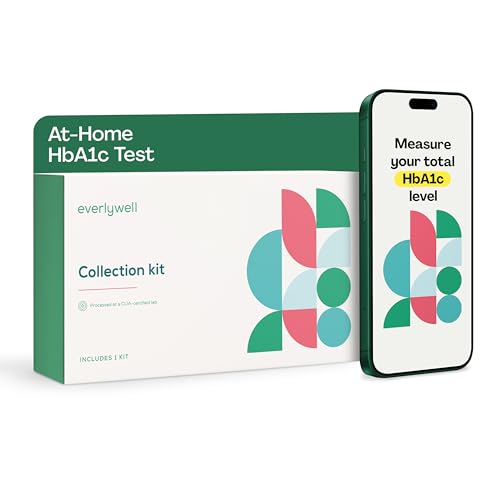
Prefer to order direct? The Everlywell HbA1c Test uses a CLIA-certified lab, physician-reviewed results, and prepaid return shipping.
What to Look For in a Continuous Glucose Monitor (CGM)
Over-the-counter CGMs like Dexcom Stelo and Abbott Lingo now sell without a prescription. Check the wear time (14–15 days per sensor), whether it reads to your phone or needs a separate device, and the monthly cost. For seeing how your own body responds to meals, a month or two is usually enough — you don't need to wear one forever.


What Makes a Good Fiber Supplement
For blood-sugar and cholesterol support you want SOLUBLE fiber — psyllium husk is the best studied. Start with one teaspoon and build up with plenty of water to avoid bloating, and take it 10–15 minutes before carb-heavy meals. Choose an unsweetened, additive-free powder or capsule.


Frequently Asked Questions
Is a thyroid test part of a normal PCOS workup?
Yes. The Rotterdam criteria used to diagnose PCOS specifically require excluding other conditions that mimic it first, and thyroid disease is one of the standard exclusions (along with high prolactin and non-classic congenital adrenal hyperplasia). A TSH test is a routine, inexpensive part of a proper PCOS evaluation.
Can hypothyroidism cause symptoms that look like PCOS?
Yes -- both can cause irregular periods, weight gain, and fatigue, which is exactly why thyroid disease must be ruled out before diagnosing PCOS. The symptoms that don't overlap (cold intolerance and constipation for hypothyroidism; acne and excess hair growth for PCOS) are the more useful clues, but lab testing is what actually distinguishes them.
Can you have PCOS and thyroid disease at the same time?
Yes. Research has found a higher rate of autoimmune thyroiditis (Hashimoto's) among people with PCOS than in the general population. Having one condition doesn't rule out the other, so if symptoms don't fully improve on PCOS-directed treatment, rechecking thyroid labs is worth doing rather than assuming the treatment just needs more time.
Which is more likely to cause weight gain, PCOS or thyroid disease?
Both can, but through different mechanisms. PCOS-related weight gain is typically central/abdominal and driven by insulin resistance. Hypothyroidism-related weight gain is more generalized and driven by a slowed basal metabolic rate (a 15-40% reduction in overt hypothyroidism). Neither pattern is diagnostic on its own -- labs are needed to confirm which condition, if either, is the actual driver.
Topic updates
Get the weekly hormone optimization roundup
Testosterone, thyroid, cortisol, estrogen, menopause, perimenopause, libido, and hormone testing.
Want your hormones handled by a physician who works from your labs? See how Opt Health does it →
Check Where You Stand
Take our free health assessment to understand your metabolic, hormonal, and recovery risk factors — and get personalized recommendations.
Take the Free Assessment →Free · Takes 5 minutes · Instant results
Related Comparisons
-
Sleep Apnea, Fatigue, Weight Gain, and Metabolic Risk
Connect sleep apnea to fatigue, weight gain, testing, and treatment options.
-
Chronic Fatigue: Causes Beyond Just Sleep
Causes of persistent fatigue beyond sleep — iron, thyroid, inflammation.
-
Sleep Apnea Symptoms: Signs You're Not Breathing at Night
OSA warning signs: snoring, witnessed apneas, daytime sleepiness.
See more related comparisons
-
Sleep Apnea in Children
Pediatric sleep apnea symptoms by age, from infant breathing pauses to school-age hyperactivity.
-
Waking Up Tired Every Day? Here's Why
Why 7-8 hours isn't enough when sleep quality is poor.
-
Sleep Inertia: Why You Feel Groggy When You Wake Up
Morning grogginess — circadian, cortisol, and sleep-stage causes.
-
Afternoon Energy Crash: Causes and How to Prevent It
The 2-4 PM slump: blood sugar, cortisol, and circadian factors.
-
Chronic Fatigue Syndrome (ME/CFS): What We Know
ME/CFS: diagnostic criteria, current research, and management.
Affiliate disclosure: The Metabolic Journal is reader-supported. Some links above are affiliate or referral links and we may earn a commission at no extra cost to you. As an Amazon Associate we earn from qualifying purchases. Products are chosen on the merits; commissions never influence what we recommend. This is general information, not medical advice — talk to your clinician before acting.