How Circadian Rhythm Affects Hormones and Blood Sugar
Medically reviewed by Dr. Michael Teplitsky, MD Last reviewed 2026-10-06
Laboratory studies tie clock disruption to higher after-meal glucose, and trials of light and meal timing are small
The circadian rhythm coordinates daily release of melatonin and cortisol. Controlled laboratory studies link circadian misalignment to increased blood glucose and altered insulin response. Clinical trials testing light and meal timing for hormone conditions remain small and limited to specialized settings.
Your circadian rhythm is your body's natural 24-hour clock. At The Metabolic Journal, we evaluate each biological clock claim against trials that measured hormone levels and metabolic markers. NIGMS states that the suprachiasmatic nucleus controls melatonin based on light received by the eyes.
Cleveland Clinic reports that cortisol peaks in the morning before waking and reaches lower levels at night. Laboratory trials show that circadian misalignment increases blood glucose. None of the sources on this page tested a light, meal, or bedtime routine as treatment for a hormone problem outside the laboratory.
Want help fixing your sleep for real?
Opt Health treats sleep as a measurable system — cortisol rhythm, thyroid, testosterone, inflammation — and works the biology behind bad sleep with a physician, not a sleep-hygiene checklist.
See Opt Health's sleep program →How the Circadian Rhythm Shapes Cortisol, Melatonin and Blood Sugar
The circadian rhythm is the body's roughly 24-hour clock, run by a master clock in the brain (the suprachiasmatic nucleus) that NIGMS says controls melatonin according to the light the eyes receive. Cleveland Clinic describes cortisol as peaking in the morning right before waking and low in the evening. Laboratory studies of circadian misalignment found higher glucose after meals. For resetting, NHLBI and the AHA scientific statement point to morning light, avoiding light at night, and regular meal and sleep timing, and the trials here are small and short.
NIGMS notes that light and dark exert the strongest influence on circadian rhythms, alongside food intake and stress. In a laboratory trial by Scheer and colleagues (PNAS, 2009), circadian misalignment increased glucose (+6%, P < 0.001). A laboratory study by Morris and colleagues (PNAS, 2015) found postprandial glucose was 17% higher at 8:00 PM than at 8:00 AM. General rest patterns are covered in the guide to sleep and recovery.
What the Circadian Rhythm Is and What Sets It
NIGMS states that circadian rhythms include physical, mental, and behavioral changes an organism experiences over a 24-hour cycle. Sleep Foundation reports that these 24-hour cycles help govern essential bodily functions, especially the sleep-wake cycle, by syncing internal processes with the day-night cycle. A master clock coordinates all biological clocks in an organism.
NIGMS explains that the human master clock is a large group of nerve cells forming the suprachiasmatic nucleus (SCN). Sleep Foundation notes that light and darkness are the most important and powerful zeitgebers. NIGMS states that light and dark have the biggest influence, while food intake, stress, physical activity, social environment, and temperature also affect rhythms.
Rhythms influence sleep patterns, hormone release, appetite, digestion, and body temperature per NIGMS. Cleveland Clinic lists food intake, stress, physical activity, temperature, travel, overnight work shifts, medications, mental health conditions, brain conditions, and poor sleep habits as factors altering the rhythm. Adults need seven to nine hours of sleep per night.
Melatonin and Cortisol Across the Day
NIGMS states that the SCN controls production of the hormone melatonin based on the amount of light the eyes receive. Sleep Foundation reports that the brain begins producing melatonin as the sun sets in the evening, inducing sleepiness. The master clock tells the brain to make more melatonin at night.
Cleveland Clinic reports that most people have lower cortisol levels in the evening when going to sleep. Peak cortisol levels occur in the morning right before waking up. Cleveland Clinic states that cortisol helps control the sleep-wake cycle, regulates glucose use, decreases inflammation, and manages blood pressure.
In an experimental study by Scheer and Buijs (Journal of Clinical Endocrinology & Metabolism, 1999), 14 healthy men were exposed to darkness or 800 lux light for one hour on consecutive mornings. The abstract reports that light exposure resulted in a +/- 35% further increase in cortisol levels in the early morning, with an effect 20 and 40 minutes after waking and no effect in the evening. The trial measured saliva cortisol in 14 men without clinical outcomes.
The guide to cortisol and sleep covers sleep interactions with cortisol. The resource on cortisol levels covers clinical cortisol testing. The resource comparing high versus low cortisol symptoms outlines symptom differences. The symptom guide on sleep inertia covers morning grogginess after waking.
Circadian Misalignment, Glucose and Insulin
In a 10-day laboratory protocol with a 28-hour day, Scheer and colleagues (2009) evaluated 10 adults whose eating and sleeping occurred across varying circadian phases. Circadian misalignment decreased leptin (-17%, P < 0.001), increased glucose (+6%, P < 0.001), and increased mean arterial pressure (+3%, P = 0.001). The protocol simulated schedules common to shift work and travel.
Morris and colleagues (2015) conducted two 8-day laboratory protocols in healthy adults to measure glucose tolerance. Postprandial glucose was 17% higher at 8:00 PM than at 8:00 AM independent of the behavioral cycle. A 12-hour behavioral inversion increased postprandial glucose by 6%.
The evening glucose elevation went with 27% lower early-phase insulin. Misalignment produced late-phase insulin 14% higher despite elevated glucose, reflecting presumably decreased insulin sensitivity. The authors stated these findings provide a mechanism to help explain increased diabetes risk in shift workers.
In a parallel design by Leproult and colleagues (Diabetes, 2014), 26 healthy adults completed 3 baseline days with 10-hour bedtimes followed by 8 days of sleep restricted to 5 hours. One group kept regular bedtimes while the other had bedtimes delayed by 8.5 hours on 4 of the 8 restricted days. Total sleep duration was nearly identical between both groups.
Insulin sensitivity decreased and inflammation increased after sleep restriction in both groups. In male participants exposed to misalignment, the reduction in insulin sensitivity and the increase in inflammation both doubled compared with men keeping regular nocturnal bedtimes. NIGMS states that continually shifting circadian rhythms can increase risks of obesity, diabetes, mood disorders, heart problems, and cancer.
The biomarker page on fasting glucose covers baseline glucose measurements. The symptom guide on glucose spikes covers postprandial blood sugar surges. The guide to insulin resistance symptoms covers physical signs of altered insulin function.
Morning Light Exposure and Sunlight
The AHA scientific statement (Circulation, 2025) discusses behavioral strategies to improve circadian health, including morning bright light exposure, avoidance of light at night, and appropriately timed sleep, meals, and exercise. NHLBI reports that light therapy may help adjust how much melatonin the body makes to reset the sleep-wake cycle in circadian rhythm disorders. To move sleep earlier, NHLBI states to use a light box in the morning upon waking.
To move sleep later, NHLBI states to use the light box late in the afternoon or early in the evening. Side effects of light therapy listed by NHLBI include agitation, eye strain, headaches, migraines, and nausea. NHLBI's treatment page gives no light intensity or number of minutes.
Cleveland Clinic suggests going outside when it is light out to boost wakefulness. Cleveland Clinic also advises limiting screen time before bedtime because blue light can disrupt the ability to fall asleep. Sleep Foundation says to open the curtains in the morning and, on a tired day, to spend a few moments outside. It quotes Dr. Lulu Guo, MD, saying that changing the amount and times of sunlight exposure can send signals to the master clock.
In two crossover trials by Versteeg and colleagues (Journal of Biological Rhythms, 2017), 8 healthy lean men and 8 obese men with type 2 diabetes were exposed to 4,000 lux bright light or 10 lux dim light for 5 hours starting at 07:30. A 600-kcal meal was consumed 1 hour after light onset. Bright light did not alter glucose in healthy men, but increased fasting and postprandial triglycerides.
In men with type 2 diabetes, bright light increased fasting and postprandial glucose alongside postprandial triglycerides. The authors tested these responses under controlled 5-hour acute conditions. In an inpatient study in PLOS ONE (2016), 19 healthy adults under dim light (<20 lux) received morning or evening blue-enriched light.
Both groups showed higher insulin total area and HOMA-IR compared with dim light, while only the evening group showed a higher glucose peak, as the abstract reports. In a trial by Wilson and colleagues (PNAS, 2022), healthy adults slept under moderate illumination (100 lx). A single night of illumination during sleep elevated morning-after insulin resistance relative to dim rest (<3 lx).
Meal Timing and Sleep Timing Evidence
In a 5-week crossover trial by Sutton and colleagues (Cell Metabolism, 2018), men with prediabetes followed early time-restricted feeding with a 6-hour window and dinner before 3:00 PM, or a 12-hour control window. Early time-restricted feeding improved insulin sensitivity, beta cell responsiveness, blood pressure, oxidative stress, and appetite compared with control. The authors stated that these improvements occurred independent of weight loss.
Morris and colleagues (2015) found that postprandial glucose was 17% higher at 8:00 PM than at 8:00 AM independent of the behavioral cycle. Early-phase insulin fell by 27 percent during the evening test. Leproult and colleagues (2014) showed that delaying bedtimes on 4 of 8 nights doubled the reduction in insulin sensitivity in men.
NHLBI lists a regular meal schedule and a regular bedtime routine among lifestyle changes for circadian rhythm disorders. The AHA scientific statement names appropriately timed sleep and meals as strategies to improve circadian health. All cited metabolic trials evaluated short-term interventions in small cohorts.
How to Reset a Circadian Rhythm: What the Sources Say
NHLBI lists managing light exposure, keeping a regular meal schedule, and maintaining a regular bedtime routine as lifestyle changes for circadian rhythm disorders. The AHA scientific statement discusses morning bright light exposure and avoidance of light at night alongside appropriately timed sleep, meals, and exercise. Cleveland Clinic advises avoiding caffeine, nicotine, and alcohol in the evenings.
Sleep Foundation reports that strategically timed exposure to light and darkness represents a common treatment for disrupted circadian rhythms. Sleep Foundation states that melatonin supplements can induce sleepiness at appropriate times under certain circumstances. NHLBI lists headaches, eye strain, and nausea as possible side effects of light therapy.
The studies that measured glucose with a clock manipulation lasted days to 5 weeks and enrolled 8 to 26 people each. None of the sources on this page tested a light, meal, or bedtime routine as treatment for a hormone problem outside the laboratory. A randomized trial evaluating hormone outcomes outside laboratory conditions would alter this evidence base.
The guide to poor sleep quality covers broken sleep patterns. The guide to electromagnetic fields and sleep covers electromagnetic fields, a topic separate from the body clock.
How to test metabolic markers at home
You don't need a lab appointment to check your own metabolic markers — a few at-home kits mail you a collection kit and return physician-reviewed results online within days:
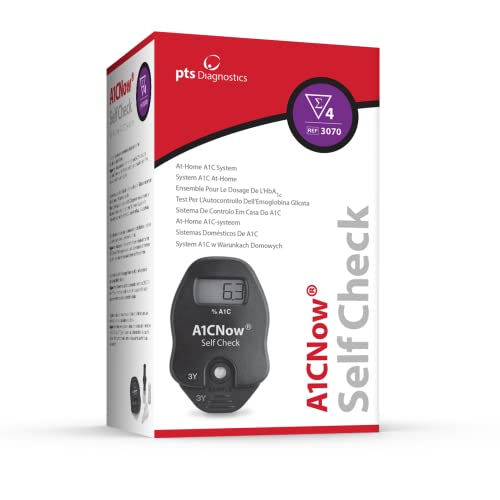
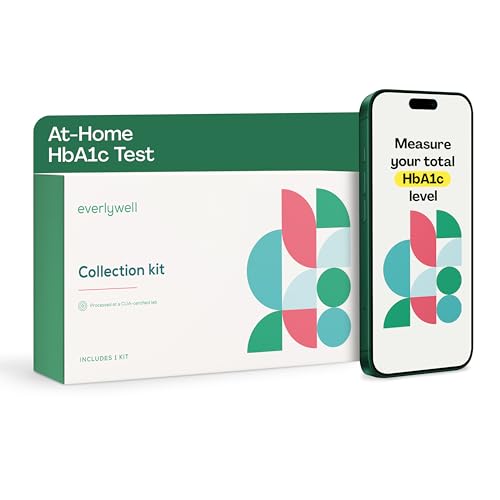
Prefer to order direct? The Everlywell HbA1c Test uses a CLIA-certified lab, physician-reviewed results, and prepaid return shipping.
What to Look For in a Continuous Glucose Monitor (CGM)
Over-the-counter CGMs like Dexcom Stelo and Abbott Lingo now sell without a prescription. Check the wear time (14–15 days per sensor), whether it reads to your phone or needs a separate device, and the monthly cost. For seeing how your own body responds to meals, a month or two is usually enough — you don't need to wear one forever.


What Makes a Good Fiber Supplement
For blood-sugar and cholesterol support you want SOLUBLE fiber — psyllium husk is the best studied. Start with one teaspoon and build up with plenty of water to avoid bloating, and take it 10–15 minutes before carb-heavy meals. Choose an unsweetened, additive-free powder or capsule.


Frequently Asked Questions
What controls the circadian rhythm?
A master clock in the brain called the suprachiasmatic nucleus coordinates biological clocks throughout the body per NIGMS. Light and darkness serve as the strongest environmental signals according to NIGMS and Sleep Foundation. Cleveland Clinic notes that food intake, physical activity, stress, and temperature also influence circadian timing.
How does circadian rhythm affect hormones?
NIGMS states that the suprachiasmatic nucleus controls melatonin release based on the amount of light entering the eyes. Melatonin levels rise in the evening to induce sleepiness. Cleveland Clinic reports that cortisol reaches its lowest levels in the evening and peaks in the morning right before waking to help regulate the sleep-wake cycle.
How do you fix a circadian rhythm?
NHLBI lists managing light exposure, maintaining a regular meal schedule, and following a regular bedtime routine as lifestyle steps for circadian rhythm disorders. The AHA scientific statement discusses morning bright light exposure, avoiding evening light, and appropriately timing sleep, meals, and exercise. Clinical trials testing these behavioral levers remain small and short.
Does morning sunlight help your circadian rhythm?
Sleep Foundation quotes Dr. Lulu Guo, MD, saying that changing the amount and times of sunlight exposure can send signals to the master clock. The AHA scientific statement discusses morning bright light exposure to support circadian health. In a laboratory trial by Scheer and Buijs, morning light produced a +/- 35% further increase in cortisol levels in 14 healthy men. A trial by Versteeg found morning bright light increased glucose and triglycerides in men with type 2 diabetes. NHLBI's treatment page gives no light intensity or number of minutes.
Does circadian rhythm affect blood sugar?
Laboratory studies found that circadian misalignment alters blood glucose regulation. In a protocol by Scheer and colleagues, misalignment increased blood glucose by 6%. Morris and colleagues observed 17% higher after-meal glucose at 8:00 PM compared with 8:00 AM independent of the behavioral schedule. In a trial by Leproult and colleagues, delayed bedtimes doubled the reduction in insulin sensitivity in sleep-restricted men.
Does meal timing matter for the body clock?
Meal timing influences metabolic markers in controlled human trials. In a 5-week trial by Sutton and colleagues, men with prediabetes who consumed meals within a 6-hour early window showed improved insulin sensitivity and blood pressure. NHLBI lists a regular meal schedule among lifestyle steps for circadian rhythm disorders. None of the sources on this page tested meal timing as a hormone treatment outside laboratory conditions.
Topic updates
Get the weekly recovery roundup
Sleep, HRV, fatigue, burnout, cortisol rhythm, sleep apnea, overtraining, and stress physiology.
Want your sleep handled by a physician who works from your labs? See how Opt Health does it →
Check Where You Stand
Take our free health assessment to understand your metabolic, hormonal, and recovery risk factors — and get personalized recommendations.
Take the Free Assessment →Free · Takes 5 minutes · Instant results
Related Guides
-
Low Heart Rate (Bradycardia): Thresholds, When It Is Normal, Red Flags for 911, Causes, Tests and Pacemakers
Low heart rate (bradycardia): thresholds, when it is normal, red flags for 911, causes, tests and pacemakers.
-
Sleep Apnea, Fatigue, Weight Gain, and Metabolic Risk
Connect sleep apnea to fatigue, weight gain, testing, and treatment options.
-
Chronic Fatigue: Causes Beyond Just Sleep
Causes of persistent fatigue beyond sleep — iron, thyroid, inflammation.
See more related guides
-
Sleep Apnea Symptoms: Signs You're Not Breathing at Night
OSA warning signs: snoring, witnessed apneas, daytime sleepiness.
-
Sleep Apnea in Children
Pediatric sleep apnea symptoms by age, from infant breathing pauses to school-age hyperactivity.
-
Waking Up Tired Every Day? Here's Why
Why 7-8 hours isn't enough when sleep quality is poor.
-
Sleep Inertia: Why You Feel Groggy When You Wake Up
Morning grogginess — circadian, cortisol, and sleep-stage causes.
-
Afternoon Energy Crash: Causes and How to Prevent It
The 2-4 PM slump: blood sugar, cortisol, and circadian factors.
Affiliate disclosure: The Metabolic Journal is reader-supported. Some links above are affiliate or referral links and we may earn a commission at no extra cost to you. As an Amazon Associate we earn from qualifying purchases. Products are chosen on the merits; commissions never influence what we recommend. This is general information, not medical advice — talk to your clinician before acting.