Fasting Glucose Levels: Normal Range, Highs, and Next Steps
Medically reviewed by Dr. Michael Teplitsky, MD Last reviewed 2026-10-04
What your fasting blood sugar number indicates about prediabetes and metabolic health
A normal fasting glucose level is 99 mg/dL or below, while 100 to 125 mg/dL indicates prediabetes and 126 mg/dL or higher suggests diabetes. This test measures blood sugar after an 8-hour fast and helps doctors identify metabolic issues early. Elevated results usually require a confirmatory test alongside an A1C evaluation.
A normal fasting glucose level is 99 milligrams per deciliter (mg/dL) or lower after at least 8 hours without food or drink. At The Metabolic Journal, we examine blood sugar markers and lab cutoffs so you can interpret your test results with clarity. A fasting glucose reading of 100 to 125 mg/dL places you in the prediabetes range, while a result of 126 mg/dL or higher points to diabetes.
Your doctor uses this test to see how well your body manages circulating blood sugar when you are not eating. When you fast overnight, your liver releases glucose into your bloodstream while your pancreas produces insulin to move that sugar into cells for fuel. If your body resists insulin or produces too little of it, sugar accumulates in the blood and raises your fasting number.
Want to know what your markers actually mean?
Opt Health publishes a guide to the 55+ biomarkers they test and what each one tells you — the same panel they run before building a treatment plan.
Read Opt Health's biomarker guide →Because blood glucose fluctuates throughout the day, a single reading represents one snapshot in time. A reading of 100 mg/dL or above is an early warning sign rather than an immediate diagnosis, and doctors typically order a second test to confirm any abnormal result.
Fasting Glucose Ranges
A fasting glucose reading of 99 mg/dL or lower is normal, 100 to 125 mg/dL indicates prediabetes, and 126 mg/dL or higher indicates diabetes. These diagnostic cutoffs come from the American Diabetes Association (ADA) standards outlined by the National Institute of Diabetes and Digestive and Kidney Diseases (NIDDK).
| Result (mg/dL) | Category | What Usually Happens Next |
|---|---|---|
| 99 or lower | Normal fasting glucose | Routine screening at your next annual checkup |
| 100 to 125 | Prediabetes (impaired fasting glucose) | Lifestyle changes, repeat fasting test, or an A1C test |
| 126 or higher | Diabetes range | A second test on a different day to confirm diagnosis |
The boundary between a normal result and prediabetes is 100 mg/dL. If your lab result shows exactly 100 mg/dL, you have crossed from the normal group into the prediabetes category. Clinicians call this impaired fasting glucose. It means your body is having trouble clearing glucose from your blood after an overnight fast, even though the levels have not reached the threshold for diabetes.
A result of 126 mg/dL or higher requires clinical verification. NIDDK notes that a doctor usually uses a second test to confirm diabetes. Your clinician will order a repeat test or an alternate diagnostic panel to ensure the result was not a temporary spike.
How the Fasting Glucose Test Works
The fasting plasma glucose (FPG) test measures the concentration of sugar in your blood after you avoid all food and drink except water for at least 8 hours. On lab requisitions, you might see this test listed under different names, such as fasting blood glucose (FBG), fasting blood sugar (FBS), or fasting plasma glucose.
To prepare for the test, schedule your appointment for the early morning. You must consume nothing overnight, though drinking plain water is allowed and recommended to avoid dehydration. Eating a late-night snack, drinking coffee with milk, or drinking juice will cause sugar to enter your bloodstream, which produces an artificially elevated reading.
According to MedlinePlus blood glucose test guidelines, doctors use fasting glucose tests for several distinct clinical purposes:
- Screening adults for prediabetes and type 2 diabetes during routine physical exams
- Monitoring individuals who have already received a diagnosis of prediabetes or diabetes
- Checking for underlying conditions that affect the pancreas or adrenal glands
- Evaluating side effects from prescription medications known to raise blood sugar levels
Because the test captures your blood sugar at a single point in time, one reading is a snapshot, which is why a second test is used to confirm a diagnosis.
Comparison of Common Blood Sugar Tests
Clinicians use fasting glucose alongside the hemoglobin A1C test and the oral glucose tolerance test (OGTT) to assess your metabolic health. Each test provides different information about how your body handles carbohydrates and manages energy storage.
| Test Type | Fasting Required | Measurement Window | Prediabetes Range | Diabetes Range |
|---|---|---|---|---|
| Fasting Plasma Glucose (FPG) | Yes (at least 8 hours) | Single point in time | 100 to 125 mg/dL | 126 mg/dL or higher |
| Hemoglobin A1C | No | Average over past 2 to 3 months | 5.7% to 6.4% | 6.5% or higher |
| Oral Glucose Tolerance Test (OGTT) | Yes (fast, drink sugar, wait 2 hours) | 2 hours after a sugar drink | 140 to 199 mg/dL | 200 mg/dL or higher |
| Random Blood Glucose | No | Any time of day | Not used for prediabetes | 200 mg/dL or higher with symptoms |
The A1C test measures the percentage of hemoglobin proteins in your red blood cells that are coated with sugar. Because red blood cells survive for roughly three months, A1C reflects your average blood sugar levels over the preceding three months. You do not need to fast before an A1C test. However, NIDDK notes that A1C tests can produce misleading results in people with certain anemias, red blood cell disorders, or during the second and third trimesters of pregnancy. In those cases a different test may be the better choice, so ask your clinician which one fits you.
The oral glucose tolerance test requires you to fast overnight, drink a sweet liquid containing a set amount of glucose, and have your blood drawn two hours later. This test shows how rapidly your tissues clear sugar from circulation after a meal. You can see how these numbers fit into daily targets by reviewing our guide on blood sugar levels.
A random blood glucose test can be conducted at any hour regardless of when you last ate. Doctors use random testing primarily when a person presents with severe symptoms of high blood sugar and starting treatment cannot wait for an overnight fast.
Reasons for Elevated Fasting Glucose
Fasting glucose levels rise when the liver outputs excess sugar into the bloodstream or when muscle and fat tissues fail to clear glucose efficiently. MedlinePlus notes that elevated results can stem from diabetes, disorders of the pancreas, conditions affecting the adrenal glands, or side effects from specific medical treatments.
In many cases, the earliest driver of rising fasting glucose is insulin resistance. When cells become less responsive to insulin, the pancreas compensates by secreting higher volumes of the hormone to keep glucose levels inside the normal range. Because of this compensatory mechanism, a person can have significant insulin resistance and elevated fasting insulin while their fasting glucose still appears normal. To understand this progression, read our overview of insulin resistance vs prediabetes and explore how to measure fasting insulin.
Prescription drugs can also alter glucose metabolism. MedlinePlus lists side effects of certain medicines among the causes of abnormal glucose results, so tell your clinician about every medicine and supplement you take.
Low fasting glucose (hypoglycemia) is the opposite problem. Abnormally low blood sugar occurs most often as a complication of diabetes medications, especially injected insulin or drugs that stimulate insulin release. In people without diabetes, low fasting glucose is far less common, so a low result without diabetes is worth raising with a clinician.
Next Steps for Blood Sugar Results
A single high fasting glucose result requires confirmation through follow-up testing before you accept a formal diagnosis. If your test returns between 100 and 125 mg/dL, schedule a discussion with your healthcare provider to review your lifestyle patterns and consider additional blood work, such as an A1C test.
A result in the prediabetes range indicates that your metabolic system is strained, but it also provides a window of opportunity to intervene. You can read our practical steps on how to reverse prediabetes through nutrition modifications, daily physical activity, and sleep hygiene. Taking action early can help bring fasting glucose back into the normal range below 100 mg/dL.
If your fasting glucose reaches 126 mg/dL or higher, consult your clinician promptly. Your doctor will likely schedule a repeat test on a separate morning to determine whether the high level is consistent. Be sure to report any physical changes you have noticed, especially symptoms like persistent thirst, unexplained weight loss, blurred vision, or frequent urination. You can review common signs in our guide to high blood sugar symptoms.
If you need personalized medical advice, you can connect with a qualified physician through our doctor consultation directory. Schedule your repeat fasting glucose test in the morning and review both your fasting glucose and A1C results with your doctor.
How to test metabolic markers at home
You don't need a lab appointment to check your own metabolic markers — a few at-home kits mail you a collection kit and return physician-reviewed results online within days:
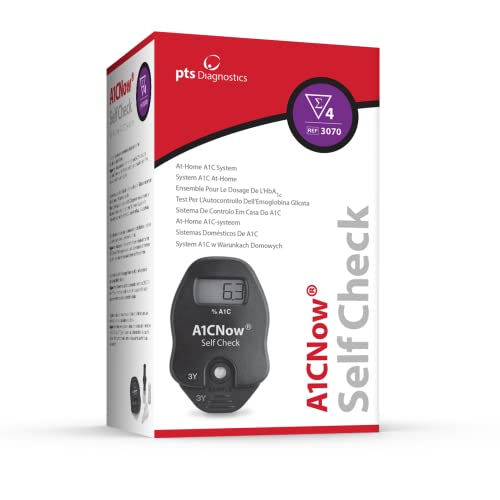
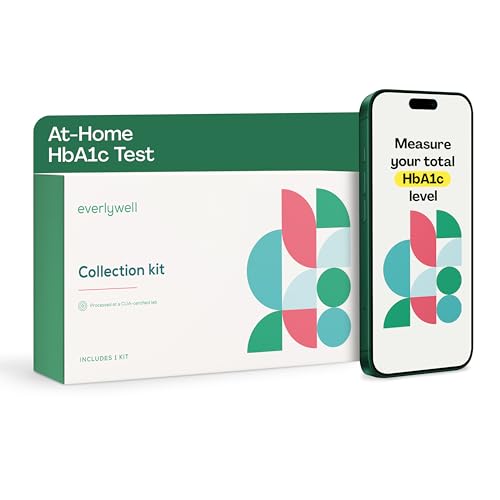
Prefer to order direct? The Everlywell HbA1c Test uses a CLIA-certified lab, physician-reviewed results, and prepaid return shipping.
What to Look For in a Continuous Glucose Monitor (CGM)
Over-the-counter CGMs like Dexcom Stelo and Abbott Lingo now sell without a prescription. Check the wear time (14–15 days per sensor), whether it reads to your phone or needs a separate device, and the monthly cost. For seeing how your own body responds to meals, a month or two is usually enough — you don't need to wear one forever.


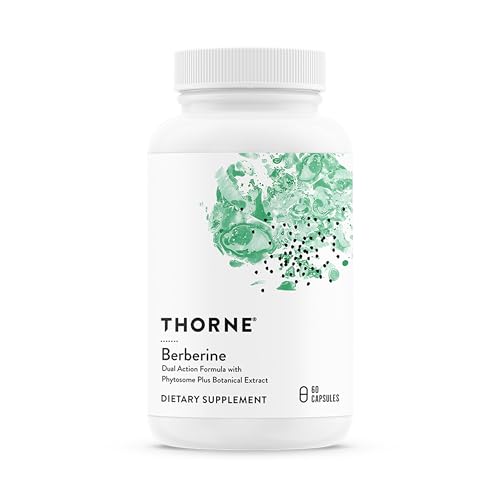
What Makes a Good Berberine Supplement
Berberine is studied for blood-sugar and lipid support, usually at 500 mg two to three times a day with meals (it clears quickly, so doses are split). It can interact with medications — especially diabetes drugs — so clear it with your doctor first. Look for standardized berberine HCl, third-party tested; dihydroberberine is a newer, better-absorbed form.

Frequently Asked Questions
What is a normal fasting glucose level?
A normal fasting glucose level is 99 mg/dL or below after fasting for at least 8 hours. Levels between 100 and 125 mg/dL indicate prediabetes, while 126 mg/dL or higher indicates diabetes.
Is a fasting glucose of 100 bad?
A fasting glucose reading of 100 mg/dL is the exact lower cutoff for prediabetes under American Diabetes Association guidelines. While not diabetes, it signals that your body is having more difficulty clearing glucose from your blood, and your doctor will likely recommend dietary changes and follow-up screening.
How long do you have to fast for a fasting glucose test?
You must fast for at least 8 hours before a fasting glucose test. Most laboratories advise having your blood drawn first thing in the morning so the overnight fasting period occurs while you sleep.
Can I drink water before a fasting glucose test?
Yes, you can drink plain water before your test. Water does not contain carbohydrates or calories, so it will not raise your blood sugar, and staying hydrated makes the blood draw easier.
What is the difference between fasting glucose and A1C?
Fasting glucose measures your blood sugar at one exact moment after an 8-hour fast, while an A1C test measures your average blood sugar levels over the past 2 to 3 months without requiring fasting.
Does one high fasting glucose mean I have diabetes?
No, a single elevated fasting glucose test does not automatically mean you have diabetes. Diagnostic guidelines from NIDDK recommend repeating the test on a separate day or running an A1C test to confirm the diagnosis.
Topic updates
Get the weekly lab marker roundup
Blood test interpretation, optimal ranges, fasting insulin, A1C, thyroid panels, testosterone, cortisol, and nutrient markers.
Want biomarkers handled by a physician who works from your labs? See how Opt Health does it →
Check Where You Stand
Take our free health assessment to understand your metabolic, hormonal, and recovery risk factors — and get personalized recommendations.
Take the Free Assessment →Free · Takes 5 minutes · Instant results
Related Reading
← Back to Testing & Biomarkers
-
Fasting Insulin Levels: What's Optimal and Why It Matters
Optimal <7 μIU/mL vs standard 'normal' <25 — why the gap matters.
-
Fasting Insulin vs A1C: Which Test Catches Insulin Resistance Earlier
Fasting insulin vs A1C: why fasting insulin can flag insulin resistance years before A1C moves.
Affiliate disclosure: The Metabolic Journal is reader-supported. Some links above are affiliate or referral links and we may earn a commission at no extra cost to you. As an Amazon Associate we earn from qualifying purchases. Products are chosen on the merits; commissions never influence what we recommend. This is general information, not medical advice — talk to your clinician before acting.