Melatonin Dosage for Sleep Starts Lower Than Most Bottles
Medically reviewed by Dr. Michael Teplitsky, MD Last reviewed 2026-10-21
Doses and timing for jet lag, insomnia, a late body clock and older adults.
Sleep trials used 0.5 to 5 mg of melatonin, and higher doses did not work better. Timing matters as much as dose for jet lag and a late body clock, and product labels are often wrong.
The usual melatonin dosage for adults is 0.5 to 5 mg, taken 1 to 2 hours before bed. At The Metabolic Journal, the mistake we see readers make most often is reaching for the highest-strength bottle on the shelf, when the trials behind melatonin used far smaller doses.
For jet lag, the Cochrane review of travel trials found that 0.5 mg and 5 mg worked about equally well. Higher doses were not clearly better. Taking melatonin at the wrong hour can make jet lag worse, so the clock matters as much as the milligrams.
Want help fixing your sleep for real?
Opt Health treats sleep as a measurable system — cortisol rhythm, thyroid, testosterone, inflammation — and works the biology behind bad sleep with a physician, not a sleep-hygiene checklist.
See Opt Health's sleep program →How Much Melatonin to Take
The right melatonin dose depends on the sleep problem, and the doses used in studies sit between 0.5 mg and 5 mg for most adults. The American Academy of Sleep Medicine (AASM) 2017 insomnia guideline reviewed 2 mg prolonged-release tablets in adults over 55. The UK's National Health Service (NHS) prescribes that same 2 mg tablet for short-term insomnia, and 3 mg for jet lag.
For a body clock that runs late, the AASM 2015 circadian guideline weakly supports timed melatonin, based on adult trials of 5 mg. The National Center for Complementary and Integrative Health (NCCIH) describes a 2018 trial that paired a fixed bedtime with a dose 1 hour earlier. People fell asleep 34 minutes sooner on average.
| Sleep problem | Dose used in studies or prescribed | When to take it |
|---|---|---|
| Trouble falling asleep (insomnia) | 2 mg prolonged-release | 1 to 2 hours before bed |
| Jet lag | 0.5 to 5 mg fast-release (NHS: 3 mg, up to 6 mg, for up to 5 days) | At bedtime at your destination, between 8 pm and 4 am |
| Late body clock (delayed sleep-wake phase disorder) | 5 mg in adult trials | Early evening, 7 to 9 pm in the trials |
| Adults over 55 | 2 mg prolonged-release | 1 to 2 hours before bed |
| Children | Set by a pediatric clinician | As that clinician directs |
Melatonin is a weak sleeping aid. In the AASM review, 2 mg cut the time to fall asleep by about 9 minutes. The panel set 10 minutes as the smallest change that matters, so the guideline suggests against melatonin for chronic insomnia.
Children are a separate case. The AASM 2022 advisory asks parents to talk with a pediatric clinician first, because schedule and habit changes often fix a child's sleep without any pill.
When to Take Melatonin for the Best Effect
Take melatonin 30 minutes to 2 hours before your target bedtime for ordinary sleep onset, and earlier in the evening for a late body clock. The NHS gives its 2 mg slow-release tablet 1 to 2 hours before bed. A 2023 review of melatonin in older adults suggests 30 to 60 minutes before bed, so the drowsiness lands at night instead of the next morning.
Jet lag runs on a different rule. Take the dose at local bedtime after you land, on the first nights there. The Cochrane authors warn that a dose taken early in the day can cause daytime sleepiness and slow your adjustment to the new time zone.
For delayed sleep-wake phase disorder (DSWPD), where you cannot fall asleep until very late, the adult trials gave 5 mg between 7 and 9 pm.
How Long Melatonin Takes to Work
Immediate-release melatonin reaches its peak blood level about 50 minutes after you swallow it. That figure comes from a 2015 pharmacokinetic review of 22 studies, which also found a half-life of about 45 minutes. Across studies, the peak arrived anywhere from 15 to 210 minutes after the dose.
Only about 15% of an oral dose reaches the bloodstream. Food, caffeine, smoking, birth control pills and age all shifted these numbers. Two people on the same 3 mg tablet can end up with different blood levels.
The clock-shifting effect takes longer than one night. Jet lag courses on the NHS run up to 5 days, and the delayed-phase trials ran about 4 weeks before reporting results.
5 mg vs 10 mg Melatonin Dosage
A 5 mg dose is enough for most adults who use melatonin, and 10 mg has no trial evidence of working better. In the Cochrane jet lag data, 5 mg helped people fall asleep faster than 0.5 mg, but doses above 5 mg were not clearly more effective. The NHS caps even long-term, specialist-supervised use at 10 mg once a day.
Older adults have extra reason to stay low. The 2023 older-adult review found peak melatonin levels up to 240% higher than in people under 45 on the same dose. NCCIH adds that melatonin may stay active longer in older people and cause daytime drowsiness.
The label number is also less exact than it looks. A 2023 study in the Journal of the American Medical Association (JAMA) found 22 of 25 melatonin gummies mislabeled, with actual content from 74% to 347% of the stated dose. At that range, a gummy sold as 5 mg could hold anywhere from about 3.7 mg to 17 mg.
Tablets are not automatically better. A 2017 Canadian study by Erland and Saxena tested 31 supplements and found content from 83% below to 478% above the label.
One chewable product varied by 465% between batches. Doubling the label dose from 5 mg to 10 mg may not double what you swallow.
What Too Much Melatonin Feels Like
Too much melatonin usually shows up as next-day drowsiness, headache, nausea, dizziness or irritability. Those are the common effects the NHS side-effect list names, along with vivid dreams and night sweats. Serious effects such as fainting, confusion or bleeding that will not stop affect fewer than 1 in 1,000 people and need medical help.
The NHS says one or two extra tablets are unlikely to harm an adult. In poison center reports on children and teens summarized by NCCIH, 82.8% of those who took melatonin had no symptoms.
Children 5 and under account for most pediatric melatonin ingestions reported to poison centers. A 2022 Centers for Disease Control and Prevention (CDC) report counted pediatric melatonin ingestions rising from 8,337 in 2012 to 52,563 in 2021, with 287 children needing intensive care. Store gummies like medicine, out of reach and out of sight.
Who Should Ask Before Taking Melatonin
Some people should skip melatonin or ask a clinician before the first dose. NCCIH advises medical supervision for anyone with epilepsy or on blood thinners such as warfarin. The NHS generally does not recommend melatonin in pregnancy, and the AASM advises against it for sleep problems in older people with dementia.
Fluvoxamine, an antidepressant, can raise melatonin levels 2.8 to 12 times, per the older-adult review. If you take it, a standard dose behaves like a much larger one.
Insomnia that lasts 3 nights a week for 3 months or more needs a different first step. The American College of Physicians (ACP) recommends cognitive behavioral therapy for insomnia (CBT-I) before any sleep aid. Our insomnia guide covers how CBT-I works, and the wider sleep and recovery hub covers the other causes.
Our answer would change if the long-term heart signal reported at the American Heart Association (AHA) 2025 meeting holds up in peer-reviewed data. That finding, and every other safety question, sits in our melatonin side effects guide.
If you want a non-hormone option, compare magnesium for sleep or read ashwagandha vs melatonin. For a stronger over-the-counter pill, Unisom vs melatonin lays out the tradeoffs. Start with the lowest melatonin dosage in the table above, 0.5 to 2 mg, and keep a one-week sleep diary before you raise it.
What to Look For in a Sleep & Recovery Tracker
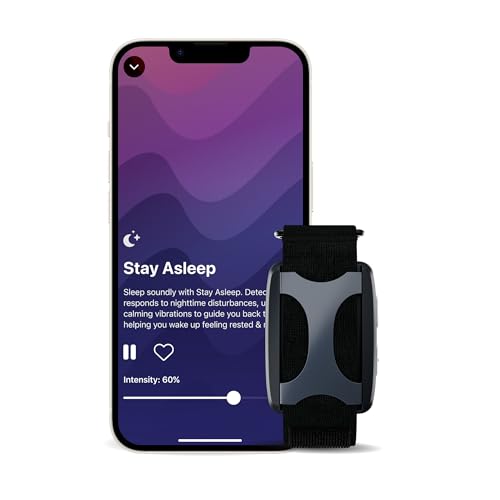
The Oura Ring and Whoop are the most accurate consumer options for sleep stages and HRV; a smartwatch (Apple Watch, Garmin) works too if you'd rather not wear a ring. Prioritize validated HRV and sleep-stage tracking over step counts, check whether it needs a subscription (Whoop does), and pick something comfortable enough to wear every night.

What Makes a Good Magnesium Supplement
Form matters more than dose: magnesium glycinate and citrate absorb well and are gentle on the stomach, while cheap magnesium oxide is poorly absorbed. A typical supplemental dose is 200–400 mg of elemental magnesium (check the label — it's usually lower than the pill weight). Take it in the evening if you're using it for sleep, and pick a third-party-tested brand.


Frequently Asked Questions
Is it better to take 5mg or 10mg of melatonin?
5 mg is the better choice for most adults. Jet lag trials found no clear gain above 5 mg. Trials in adults over 55 used 2 mg.
What happens if I take 20 mg of melatonin?
No sleep trial in our sources tested 20 mg, and the NHS caps prescribing at 10 mg a day. The NHS also says one or two extra tablets are unlikely to harm an adult. Get medical advice if you feel faint, confused or very unwell, and treat any dose a child swallows as a reason to call a poison center.
Will 5mg of melatonin knock me out?
No, 5 mg of melatonin does not knock most people out the way a sleeping pill can. Melatonin signals that it is night. In AASM trial data, 2 mg shortened the time to fall asleep by about 9 minutes.
Is 10mg too much melatonin?
10 mg is more than most adults need, and it is the most the NHS prescribes even under specialist care. Because gummy labels ran up to 347% of the stated dose in the 2023 JAMA test, a 10 mg gummy could deliver far more than 10 mg.
How fast will 10 mg of melatonin make you sleep?
Plan on about an hour, since immediate-release melatonin peaks about 50 minutes after a dose. Across the studies in the 2015 review, the peak took anywhere from 15 to 210 minutes.
What are the signs of too much melatonin?
The signs are next-day sleepiness, headache, nausea, dizziness, irritability and vivid dreams. Drop to a lower dose the next night and take it 30 to 60 minutes before bed.
How much melatonin can I take while pregnant?
No safe pregnancy dose has been set. NCCIH says research in pregnancy is lacking, and the NHS generally does not recommend melatonin while pregnant. Ask your obstetric clinician before taking any.
Can I take melatonin every night?
Short courses of nightly melatonin are common, and the NHS usually prescribes it for 1 to 4 weeks, up to 13 weeks. Long-term nightly safety has not been shown, so talk to a clinician before you take it for months.
Topic updates
Get the weekly recovery roundup
Sleep, HRV, fatigue, burnout, cortisol rhythm, sleep apnea, overtraining, and stress physiology.
Want your sleep handled by a physician who works from your labs? See how Opt Health does it →
Check Where You Stand
Take our free health assessment to understand your metabolic, hormonal, and recovery risk factors — and get personalized recommendations.
Take the Free Assessment →Free · Takes 5 minutes · Instant results
Related Guides
-
Melatonin Side Effects and the Heart Failure Study
Melatonin side effects, interactions, and the heart failure study.
-
Ashwagandha vs Melatonin for Sleep: What Each Is, the Evidence, Safety Limits, and Taking Them Together.
Ashwagandha vs melatonin for sleep: what each is, the evidence, safety limits, and taking them together.
-
Unisom vs Melatonin: Which Is Stronger for Sleep
Doxylamine vs melatonin: strength, grogginess, and nightly use.
Affiliate disclosure: The Metabolic Journal is reader-supported. Some links above are affiliate or referral links and we may earn a commission at no extra cost to you. As an Amazon Associate we earn from qualifying purchases. Products are chosen on the merits; commissions never influence what we recommend. This is general information, not medical advice — talk to your clinician before acting.