Insomnia Treatment Starts with CBT-I Before Sleeping Pills
Medically reviewed by Dr. Michael Teplitsky, MD Last reviewed 2026-10-21
A treatment plan for chronic insomnia built from US sleep and physician guidelines and the trials behind them.
Cognitive behavioral therapy for insomnia is the first-line treatment in ACP and AASM guidelines, and sleep medication is a second step with modest effects. Persistent insomnia should be checked for sleep apnea, depression and menopause-related causes.
The best treatment for insomnia is cognitive behavioral therapy for insomnia (CBT-I), which guidelines rank ahead of sleeping pills. At The Metabolic Journal, every guide we write starts from the study behind each claim.
Medication comes second, for people who cannot do CBT-I or still sleep badly after it. Insomnia that keeps coming back should also be checked for sleep apnea, depression and hormone shifts, which each need their own treatment.
Want help fixing your sleep for real?
Opt Health treats sleep as a measurable system — cortisol rhythm, thyroid, testosterone, inflammation — and works the biology behind bad sleep with a physician, not a sleep-hygiene checklist.
See Opt Health's sleep program →The Best Treatment for Insomnia
CBT-I is the first-line insomnia treatment for adults, and medication is the second step. The American College of Physicians (ACP) said so in its 2016 guideline. Every adult with chronic insomnia should be offered CBT-I first, and a medicine comes up only if CBT-I alone fails.
The American Academy of Sleep Medicine (AASM) behavioral guideline from 2021 gave multicomponent CBT-I its only strong recommendation. The AASM pharmacologic guideline from 2017 rated every sleep drug it reviewed as a weak recommendation.
That 2017 guideline reserves pills mainly for people who cannot do CBT-I or still have symptoms after it, plus short-term use alongside it. The numbers show why. In the AASM summary table, zolpidem 10 mg cut the time to fall asleep by 5 to 12 minutes more than a placebo.
A 2016 telephone CBT-I trial tested six phone sessions in midlife women with hot flashes. The trial came from the Menopause Strategies: Finding Lasting Answers for Symptoms and Health (MsFLASH) network. At 8 weeks, 70% of the CBT-I group no longer had clinical insomnia, against 24% of the comparison group.
CBT-I is the pick for almost everyone with insomnia lasting three months or longer. Check with a doctor first if you have untreated sleep apnea, bipolar disorder or epilepsy. The US Department of Veterans Affairs (VA) Insomnia Coach program flags all three.
Shift workers are a poor fit for the standard plan, because it depends on a fixed wake time. If you work shifts, ask a behavioral sleep medicine clinician to adapt the plan to your rotation.
Our answer would change if a medicine kept people sleeping well after they stopped taking it. No drug in the AASM review earned more than a weak rating.
What CBT-I Involves
CBT-I is a structured program, usually 4 to 8 sessions, that retrains when and how you sleep. The AASM guideline lists these parts:
- Stimulus control: go to bed only when drowsy, and leave the bed when you cannot sleep. Use the bed only for sleep and sex, get up at the same time every morning, and skip daytime naps.
- Sleep restriction: your time in bed is cut to the hours you sleep now, taken from a sleep diary, then widened as your sleep fills that window.
- Cognitive work: a therapist helps you test the worried thoughts about sleep that keep you awake.
- Relaxation training: practice that lowers arousal at bedtime.
- Sleep education: caffeine, alcohol and bedroom habits, taught inside the program.
Sleep hygiene tips on their own do not count as CBT-I. The 2021 AASM guideline advised against sleep hygiene as a stand-alone treatment because it did little by itself.
Sleep restriction is meant to build sleep drive and pull broken sleep into one block. Say your diary shows six hours of sleep across eight hours in bed. Your starting window is then about six hours, and it widens as you sleep through it.
You can get CBT-I three ways:
- In person: a behavioral sleep medicine clinician, listed by region in the Society of Behavioral Sleep Medicine directory.
- By phone: the format the MsFLASH trial used, six sessions over 8 weeks.
- By app: the VA's Insomnia Coach, a weekly CBT-I plan with a built-in sleep diary, made for anyone.
When Insomnia Medication Makes Sense
Insomnia medication makes sense when CBT-I is not possible, has not worked, or needs a short-term partner. The AASM pharmacologic guideline sorts its weak recommendations by the kind of insomnia each drug was tested on:
| Insomnia type | Suggested for (weak) | Suggested against (weak) |
|---|---|---|
| Trouble falling asleep | Zaleplon, triazolam, ramelteon, eszopiclone, zolpidem, temazepam | Trazodone, diphenhydramine, melatonin, valerian, L-tryptophan, tiagabine |
| Trouble staying asleep | Suvorexant, low-dose doxepin, eszopiclone, zolpidem, temazepam | Same list as above |
Low-dose doxepin (3 or 6 mg) added 26 to 32 minutes of total sleep over placebo in the trials behind that table. That is about half an hour a night at most.
Zolpidem, eszopiclone and zaleplon carry a US Food and Drug Administration (FDA) boxed warning, posted in April 2019. The warning covers sleepwalking, sleep driving and other activity while not fully awake. The FDA says doctors should not prescribe these drugs to anyone who has had one of those episodes after taking any of them.
Several common choices land on the suggested-against side. Trazodone and over-the-counter diphenhydramine are compared in trazodone vs Ambien and Unisom vs melatonin. If you use melatonin anyway, read melatonin dosage and melatonin side effects first, and see magnesium for sleep for the supplement evidence.
How Doctors Define Chronic Insomnia
Doctors diagnose chronic insomnia when poor sleep happens at least three nights a week for three months and hurts your days. The National Heart, Lung, and Blood Institute (NHLBI) uses the same line. So do both diagnostic manuals, according to a 2019 review in the Australian Journal of General Practice.
Those manuals are the Diagnostic and Statistical Manual of Mental Disorders, Fifth Edition (DSM-5), and the International Classification of Sleep Disorders, Third Edition (ICSD-3). Shorter spells are labeled short-term insomnia. NHLBI says short-term insomnia usually follows stress or a change in schedule or surroundings, and lasts days or weeks.
The complaint can take three forms: trouble falling asleep, trouble staying asleep, or waking earlier than you want. The same review puts insomnia disorder at 11.3% of Australian adults, with 30 to 36% reporting some symptoms.
Sleep-Onset vs Sleep-Maintenance Insomnia
Sleep-onset insomnia means you lie awake at the start of the night. Sleep-maintenance insomnia means you fall asleep, then wake and cannot get back. A sleep diary kept for one to two weeks shows which one you have, and NHLBI suggests keeping one before you see your doctor.
The type changes the medicine list. Ramelteon and zaleplon were tested for falling asleep, while suvorexant and low-dose doxepin were tested for staying asleep.
Maintenance insomnia also widens the list of causes. Night sweats, a full bladder, alcohol wearing off and breathing pauses can all wake you during the night. If your diary shows the same waking hour, start with waking up at 3am.
Causes to Rule Out Before Insomnia Treatment
Insomnia that keeps returning should be checked for sleep apnea, depression and hormone changes, because each one needs its own treatment alongside CBT-I. Each comes with clues you can spot at home:
- Sleep apnea: NHLBI lists loud snoring, gasping during sleep, waking often to urinate and daytime sleepiness. A sleep study confirms it. See sleep apnea vs insomnia and the sleep apnea hub.
- Depression: a 2023 BMC Psychiatry analysis of a large US survey found 54.9% of people with a major depressive episode woke too early. MedlinePlus says depression symptoms last most of the day, nearly every day, for at least two weeks.
- Menopause: in the Wisconsin Sleep Cohort, postmenopausal women had 2.6 times the odds of sleep-disordered breathing. A 2017 meta-analysis found hormone therapy improved sleep only in women with hot flashes or night sweats. See perimenopause insomnia and progesterone for sleep.
- Stress hormones: cortisol and sleep explains how stress hormones affect your nights.
If one of these clues fits you, see your doctor before you start sleep restriction. The VA's Insomnia Coach program gives the same advice for anyone with sleep apnea, bipolar disorder or epilepsy.
Insomnia Guides by Situation
Most insomnia questions fit one of five situations, and each has its own guide. Pick the one that matches your nights:
- Waking in the small hours: waking up at 3am.
- Midlife and night sweats: perimenopause insomnia and progesterone for sleep.
- Weighing a sleep aid: melatonin dosage, Unisom vs melatonin and trazodone vs Ambien.
- Sleeping but waking unrefreshed: poor sleep quality.
- Snoring or gasping: sleep apnea vs insomnia.
The sleep and recovery hub covers fatigue, heart rate variability and recovery beyond insomnia. To start insomnia treatment tonight, take the sleep score check, then begin a two-week sleep diary to bring to your doctor or a CBT-I clinician.
What to Look For in a Sleep & Recovery Tracker
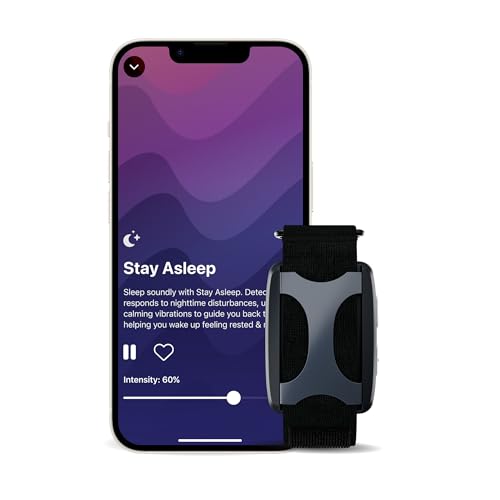
The Oura Ring and Whoop are the most accurate consumer options for sleep stages and HRV; a smartwatch (Apple Watch, Garmin) works too if you'd rather not wear a ring. Prioritize validated HRV and sleep-stage tracking over step counts, check whether it needs a subscription (Whoop does), and pick something comfortable enough to wear every night.

What Makes a Good Magnesium Supplement
Form matters more than dose: magnesium glycinate and citrate absorb well and are gentle on the stomach, while cheap magnesium oxide is poorly absorbed. A typical supplemental dose is 200–400 mg of elemental magnesium (check the label — it's usually lower than the pill weight). Take it in the evening if you're using it for sleep, and pick a third-party-tested brand.


Frequently Asked Questions
What is the best way to cure insomnia?
CBT-I is the best-supported way to treat chronic insomnia, and both ACP and AASM rank it first. In the MsFLASH trial the benefit held at 24 weeks, with 84% of the CBT-I group free of clinical insomnia against 43% of controls.
Can insomnia be cured permanently?
Many people stop meeting the criteria for insomnia after CBT-I, and in the MsFLASH trial the gains held 24 weeks after enrollment. Insomnia can come back during stress, illness or menopause, and the same CBT-I rules apply again when it does.
Does insomnia medication work?
Insomnia medication works modestly. In the AASM review, zolpidem cut the time to fall asleep by 5 to 12 minutes more than placebo, and every drug reviewed earned only a weak recommendation.
How to go to sleep fast?
No method puts you to sleep on command, but leaving the bed when you are frustrated helps. The AASM Sleep Education advice is to get up after about 15 to 20 minutes awake, do something calm, skip the clock and return when sleepy.
What to drink to stop insomnia?
No drink is a recommended insomnia treatment, and alcohol makes nights worse. A 2013 review in Alcoholism: Clinical and Experimental Research found alcohol helps you fall asleep but disrupts the second half of the night.
Why is my body not letting me sleep?
Short spells usually follow stress or a change in schedule, according to NHLBI. Insomnia lasting three months or longer can come from apnea, depression or hormone changes, and CBT-I retrains the link between your bed and sleep when no other cause fits.
Is sleep hygiene enough to treat insomnia?
Sleep hygiene alone is not enough for chronic insomnia. The 2021 AASM guideline advised against it as a stand-alone treatment, though good habits stay part of full CBT-I.
Does chronic insomnia go away on its own?
Guidelines treat chronic insomnia rather than wait for it to pass. NHLBI links long-term insomnia to higher risk of high blood pressure, heart disease and diabetes, so a diary and a doctor visit are worth it.
What is severe insomnia?
The ACP, AASM and NHLBI definitions set no separate cutoff for severe insomnia. Trials grade severity with the Insomnia Severity Index (ISI), a short questionnaire, and the MsFLASH trial enrolled women with moderate insomnia on that scale. Poor sleep on three or more nights a week for three months, with harm to your days, counts as chronic insomnia. ACP and AASM treat it with CBT-I first.
How to calm down insomnia?
Get out of bed once you feel frustrated, about 15 to 20 minutes for most people, and do something quiet until you feel sleepy. The 2021 AASM guideline also gives relaxation training a conditional recommendation on its own, and full CBT-I adds work on the worried thoughts that keep you awake.
Topic updates
Get the weekly recovery roundup
Sleep, HRV, fatigue, burnout, cortisol rhythm, sleep apnea, overtraining, and stress physiology.
Want your sleep handled by a physician who works from your labs? See how Opt Health does it →
Check Where You Stand
Take our free health assessment to understand your metabolic, hormonal, and recovery risk factors — and get personalized recommendations.
Take the Free Assessment →Free · Takes 5 minutes · Instant results
Related Reading
-
Sleep Apnea vs Insomnia: How to Tell Two Very Different Sleep Disorders Apart
Sleep apnea vs insomnia: how to tell two very different sleep disorders apart, and what COMISA means.
-
Perimenopause Insomnia: What Helps You Sleep Again
Why sleep breaks down in perimenopause and what helps.
Affiliate disclosure: The Metabolic Journal is reader-supported. Some links above are affiliate or referral links and we may earn a commission at no extra cost to you. As an Amazon Associate we earn from qualifying purchases. Products are chosen on the merits; commissions never influence what we recommend. This is general information, not medical advice — talk to your clinician before acting.