Why Do I Wake Up at 3am and Can't Get Back to Sleep
Medically reviewed by Dr. Michael Teplitsky, MD Last reviewed 2026-10-21
A clue table that matches each common cause of early-morning waking to a first step.
Waking at 3am usually starts as a normal break between sleep cycles that stress, alcohol, a full bladder, night sweats, sleep apnea or depression turn into full wakefulness. Treat the trigger and use CBT-I stimulus control rules to fall back asleep.
You wake up at 3am because a normal break between sleep cycles turns into full wakefulness. At The Metabolic Journal, every guide we write starts from the study behind each claim, so each trigger below links to its source.
Stress, evening alcohol, a full bladder, night sweats, sleep apnea and depression are the usual triggers. The fix is to treat whichever trigger fits and use a few rules from insomnia therapy to get back to sleep.
Want help fixing your sleep for real?
Opt Health treats sleep as a measurable system — cortisol rhythm, thyroid, testosterone, inflammation — and works the biology behind bad sleep with a physician, not a sleep-hygiene checklist.
See Opt Health's sleep program →Why You Keep Waking Up at 3am
You keep waking up at 3am because something turns a brief, normal waking into one you cannot sleep through. Match your nights to the most likely cause:
| Cause | Clue | Where to start |
|---|---|---|
| Stress and the early-morning cortisol rise | Racing thoughts the moment you wake | Get-back-to-sleep rules below, stress care |
| Alcohol wearing off | Worse on nights you drink | Skip evening alcohol for two weeks and compare |
| Full bladder (nocturia) | You wake needing to urinate | Cut evening fluids, review diuretic timing |
| Night sweats in perimenopause | Waking hot or damp | Hot-flash treatment and insomnia therapy |
| Sleep apnea | Snoring, gasping, daytime sleepiness | Sleep study |
| Depression | Waking early with low mood most days | Doctor visit for depression screening |
| Low blood sugar on diabetes medicine | Nightmares, damp sheets, confused waking | Glucose check, talk to your diabetes team |
More than one row can apply. Track two weeks in a sleep diary with the time you wake, what you drank and whether you were hot, needed the bathroom or felt anxious.
A Brief Waking Between Sleep Cycles Is Normal
Brief waking between sleep cycles is a normal part of every night. The National Heart, Lung, and Blood Institute (NHLBI) says each cycle restarts every 80 to 100 minutes and you may wake briefly between them.
The arithmetic explains why 3am comes up so often. If you fall asleep at 11pm, three cycles of 80 to 100 minutes end between 3am and 4am, so one of your between-cycle wakings lands right there.
NHLBI also notes that you get more rapid eye movement (REM) sleep later in the night. The second half of the night is also the part that evening alcohol disrupts, covered below.
How to Get Back to Sleep at 3am
To get back to sleep at 3am, stay calm, skip the clock, and leave the bed if you are still awake and frustrated after about 15 to 20 minutes. These rules come from stimulus control, part of cognitive behavioral therapy for insomnia (CBT-I), as set out by the American Academy of Sleep Medicine (AASM) Sleep Education site:
- Lie quietly for a while and see whether sleep returns.
- Do not check the clock or your phone.
- If you start to feel frustrated, about 15 to 20 minutes for most people, get out of bed.
- Do something calm to pass the time until you feel sleepy.
- Go back to bed only when sleepy, and repeat if needed.
- Get up at the same time the next morning, however the night went, and skip daytime naps.
The AASM 2021 behavioral guideline lists the same stimulus control steps and gives full CBT-I its only strong recommendation. Getting up can feel like giving up on sleep. The AASM describes the aim as strengthening the link between your bed and sleep, so the bed stops cueing hours of worry.
Cortisol and the Early-Morning Rise
Cortisol climbs during the late hours of sleep and normally peaks 30 to 60 minutes after you wake. A 2022 study in Frontiers in Neuroscience tied that rise to the body clock.
Waking early does not skip it. In the same study, waking about three hours before the usual time still set off a cortisol rise of 50% or more. A 3am waking from any cause can therefore bring a jolt of alertness.
The rise itself is normal, so the aim is to keep it from waking you fully. Lower daytime stress and follow the get-back-to-sleep rules. Cortisol and sleep covers the stress-hormone side in depth.
3am Triggers You Can Change
Alcohol, a full bladder and low blood sugar are 3am triggers you can often change. A 2013 review in Alcoholism: Clinical and Experimental Research found that alcohol at every dose studied shortened the time to fall asleep and steadied the first half of the night.
The same review found more broken sleep in the second half. That pattern matches waking at 3am after an evening drink.
Waking to urinate more than once a night is called nocturia. Cleveland Clinic lists too many fluids before bed, especially alcohol, fizzy drinks and caffeine, plus diuretics, diabetes and sleep apnea as causes. If you take a diuretic, Cleveland Clinic suggests taking it on waking or at least six hours before bed.
Low blood sugar at night mainly affects people who take insulin or some other diabetes medicines, according to the National Institute of Diabetes and Digestive and Kidney Diseases (NIDDK). Signs include nightmares, sweating enough to dampen your sheets, and waking tired or confused. If you take one of those medicines and wake this way, ask your diabetes team about a bedtime glucose check.
Medical Causes of 3am Waking
Night sweats, sleep apnea and depression cause 3am waking that sleep rules alone will not fix. In the Study of Women's Health Across the Nation (SWAN), 45.4% of women in late perimenopause reported trouble sleeping, and hot flashes were tied to it.
If you wake hot or damp, see hot flashes at night and perimenopause insomnia. Sleep apnea causes snoring, gasping, waking often to urinate and daytime sleepiness, according to NHLBI. Its odds rise after menopause, to 2.6 times the premenopausal rate in the Wisconsin Sleep Cohort.
The sleep apnea hub explains testing. Early waking is also a common sign of depression: a 2023 BMC Psychiatry analysis found 54.9% of people with a major depressive episode reported it.
When to See a Doctor About Waking at 3am
See a doctor about waking at 3am if it happens at least three nights a week for three months or wrecks your days. Three nights a week for three months is the NHLBI definition of chronic insomnia, and the American College of Physicians (ACP) recommends CBT-I as the first treatment for it.
Go sooner if any of these apply:
- A partner hears you snore loudly or gasp in your sleep.
- Low mood or loss of interest lasts most of the day, nearly every day, for two weeks, the threshold MedlinePlus uses for depression.
- You take insulin or a sulfonylurea and wake sweaty or confused.
If none of those fit, you can start on your own. The US Department of Veterans Affairs (VA) Insomnia Coach app is a self-guided CBT-I plan with a sleep diary.
The insomnia hub and the sleep and recovery hub cover treatment beyond the night itself. Tonight, if you wake up at 3am, stay off the clock, give it about 15 minutes, and get up if sleep does not come.
What to Look For in a Sleep & Recovery Tracker
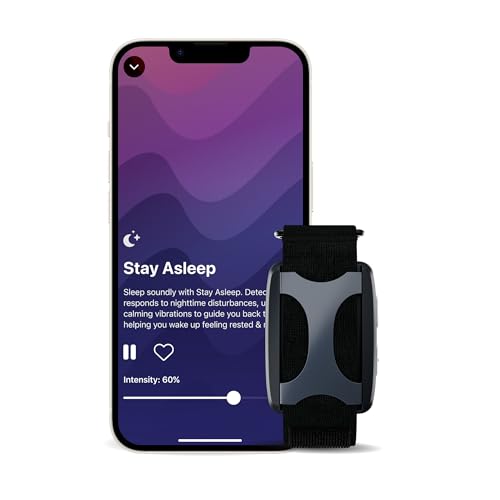
The Oura Ring and Whoop are the most accurate consumer options for sleep stages and HRV; a smartwatch (Apple Watch, Garmin) works too if you'd rather not wear a ring. Prioritize validated HRV and sleep-stage tracking over step counts, check whether it needs a subscription (Whoop does), and pick something comfortable enough to wear every night.

What Makes a Good Magnesium Supplement
Form matters more than dose: magnesium glycinate and citrate absorb well and are gentle on the stomach, while cheap magnesium oxide is poorly absorbed. A typical supplemental dose is 200–400 mg of elemental magnesium (check the label — it's usually lower than the pill weight). Take it in the evening if you're using it for sleep, and pick a third-party-tested brand.


Frequently Asked Questions
How to break the cycle of waking up at 3am?
Treat the trigger and follow stimulus control rules. Leave the bed after about 15 to 20 minutes of frustrated waking, return only when sleepy, and get up at the same time every morning.
What hormone wakes you up at 3 am?
No single hormone has been proven to cause 3am waking. Cortisol rises through the late sleep hours, and night sweats are tied to poor sleep in perimenopause, but stress, alcohol and a full bladder are just as common triggers.
How do I stop cortisol spikes at 3am?
Cortisol normally rises toward morning, so the aim is to lower stress and keep the rise from waking you fully. Keep a fixed wake time, avoid clock-checking and follow the get-back-to-sleep rules.
What is your body telling you when you wake up at 3am?
Often it is only a normal break between sleep cycles. If it happens most nights, the likely messages are a full bladder, alcohol wearing off, night sweats, stress, apnea or low mood.
Why do I wake up at 3am and can't go back to sleep?
A brief waking turns into a long one when your mind wakes up too, from stress, clock-watching or a physical trigger. Getting out of bed after about 15 to 20 minutes strengthens the link between bed and sleep.
Why do I wake up at 3am after drinking?
Alcohol helps you fall asleep but breaks up the second half of the night, according to a 2013 review. Drinks also fill your bladder, which adds a bathroom trip.
Why do I wake up at 3am to pee?
Waking to urinate is called nocturia, and evening fluids, caffeine, alcohol, diuretics, diabetes and sleep apnea can all cause it. Cut fluids in the evening and ask your doctor about diuretic timing.
Topic updates
Get the weekly recovery roundup
Sleep, HRV, fatigue, burnout, cortisol rhythm, sleep apnea, overtraining, and stress physiology.
Want your sleep handled by a physician who works from your labs? See how Opt Health does it →
Check Where You Stand
Take our free health assessment to understand your metabolic, hormonal, and recovery risk factors — and get personalized recommendations.
Take the Free Assessment →Free · Takes 5 minutes · Instant results
Related Guides
-
Waking Up Tired Every Day? Here's Why
Why 7-8 hours isn't enough when sleep quality is poor.
Affiliate disclosure: The Metabolic Journal is reader-supported. Some links above are affiliate or referral links and we may earn a commission at no extra cost to you. As an Amazon Associate we earn from qualifying purchases. Products are chosen on the merits; commissions never influence what we recommend. This is general information, not medical advice — talk to your clinician before acting.