Magnesium for Sleep: Best Type, Dose, and Timing
Medically reviewed by Medical Advisory Board Last reviewed 2026-08-26
Glycinate is the best-tolerated form for sleep. Here is the dose, the timing, and what the evidence actually supports
Magnesium glycinate is the type most often recommended for sleep because it absorbs well and has a calming effect without a laxative one. A common clinical range is about 300 to 400 mg at bedtime, taken 30 to 60 minutes before sleep. The evidence is moderate and strongest for people who are low in magnesium or have trouble falling asleep, so it helps most when a deficiency is part of the picture rather than as a cure-all.
Magnesium is one of the most popular sleep supplements, and for good reason. It plays a direct role in the pathways that calm the nervous system at night. Only about 1% of your body's magnesium is found in the bloodstream, but the mineral is needed for over 300 enzyme reactions, including GABA receptor activation, melatonin production, and muscle relaxation. When those pathways run short, sleep can suffer.
This guide answers the three questions people ask most: What type of magnesium is best for sleep? How much should you take? And when should you take it? It also offers an honest look at the evidence, which is moderate rather than dramatic. For a broader plan, see our poor sleep quality guide and the sleep and recovery hub. To compare specific forms, see magnesium glycinate vs citrate.
Partner · Opt Health
Want help fixing your sleep for real?
Opt Health treats sleep as a measurable system — cortisol rhythm, thyroid, testosterone, inflammation — and works the biology behind bad sleep with a physician, not a sleep-hygiene checklist.
See Opt Health's sleep program →Which Type of Magnesium Is Best for Sleep?
Magnesium glycinate is the type most experts recommend for sleep because it absorbs well, has a calming effect, and rarely causes loose stools. The form matters more than most people expect, because different magnesium salts absorb differently and act on the body in different ways. The table below compares the five forms you will see most often.
| Form | Absorption | Sleep evidence | Best for |
|---|---|---|---|
| Glycinate | High | Most-used for sleep; glycine itself is calming | Sleep, relaxation, sensitive stomachs |
| Threonate (L-threonate) | High; crosses into the brain | Limited human data; studied more for cognition | Cognitive focus; a pricier sleep option |
| Citrate | Moderate to high | Can help sleep but is more laxative | Constipation plus mild magnesium top-up |
| Malate | Moderate to high | Little sleep-specific data; often used for daytime energy | Muscle aches, daytime dosing |
| Oxide | Low | Poorly absorbed; mainly a laxative | Constipation; a weak choice for sleep |
For sleep specifically, glycinate is the default pick. Threonate is the interesting runner-up if brain fog or focus is also a concern, though its sleep data is thinner. Read the full breakdown in our magnesium threonate benefits guide.
How Much Magnesium Glycinate Should You Take for Sleep?
A common clinical range is about 300 to 400 mg of magnesium glycinate at bedtime, and many people start lower at 200 mg and adjust from there. These figures refer to the amount of elemental magnesium, which is the number that matters. Labels sometimes list the weight of the whole compound instead, so check the elemental magnesium per serving.
Individual needs vary a lot. Body size, diet, medications, and gut health all change how much you absorb and need. The tolerable upper limit for supplemental magnesium in adults is 350 mg per day from supplements alone, set to avoid digestive upset, though clinicians sometimes use higher short-term doses under supervision. If you take medication, have kidney disease, or are pregnant, talk to your doctor before starting. A simple stack many find helpful is magnesium glycinate paired with L-theanine before bed; see our cortisol and sleep guide for how these fit a wind-down routine.
When to Take Magnesium for Sleep
Take magnesium about 30 to 60 minutes before bed for sleep. That window gives the mineral time to be absorbed and to support the calming pathways that help you wind down. There is no strict rule, and some people take it with dinner to avoid taking pills on an empty stomach.
Consistency matters more than exact timing. Magnesium is not a fast-acting sedative that knocks you out on the first night. It works best taken nightly over one to two weeks, which lets tissue levels build if you were running low. If a form upsets your stomach, take it with food or switch to glycinate. For the full pre-sleep routine, see how to improve poor sleep quality.
What the Evidence Actually Shows
The evidence for magnesium and sleep is moderate, and it is strongest for people who are low in magnesium or have insomnia symptoms. Several small trials and reviews suggest magnesium can modestly improve how quickly people fall asleep and how well they sleep, especially older adults with insomnia. The effect sizes are usually small, and study quality is mixed.
The honest takeaway is that magnesium is not a sleeping pill. It helps most when a shortfall is part of the problem, which is common, since an estimated half or more of people fall short of ideal magnesium intake. If you sleep well and eat plenty of magnesium-rich foods, adding a supplement may do little. If you sleep poorly, feel wired at night, or have muscle cramps, it is a low-risk thing to try. Persistent insomnia deserves a look at other drivers like cortisol, sleep apnea, and thyroid; start with our cortisol and sleep guide and why you wake up tired.
Safety, Side Effects, and Interactions
Magnesium is safe for most healthy adults at typical supplement doses, and the most common side effect is loose stools or diarrhea, mainly with citrate and oxide. Glycinate is the gentlest on digestion, which is another reason it is the go-to for nightly use.
There are important exceptions. People with kidney disease can build up magnesium to dangerous levels and should only supplement under medical supervision. Magnesium can also interact with some medications, including certain antibiotics and bisphosphonates, so space doses apart and ask a pharmacist. Very high doses can cause low blood pressure, nausea, and an irregular heartbeat. When in doubt, start low and check with your doctor, especially if you take prescription drugs. To see whether low magnesium may be affecting you, read the signs of magnesium deficiency.
Magnesium vs. Melatonin for Sleep
Magnesium and melatonin address sleep through completely different biological pathways. Magnesium acts as a mineral cofactor that supports your body's natural sleep processes, including GABA receptor activation and internal melatonin production. Melatonin is a hormone the brain releases in response to darkness. It acts as a circadian-timing signal that tells the body it is night. It is not a sedative. Most melatonin supplements on store shelves are made synthetically.
The clinical evidence for melatonin centers on circadian timing instead of everyday sleep quality. Multiple controlled trials across four studies and 142 travelers on eastward flights showed melatonin may reduce jet lag symptoms better than a placebo. Evidence for chronic sleeplessness is much weaker. Clinical guidelines do not recommend melatonin for chronic insomnia. Both the 2017 American Academy of Sleep Medicine (AASM) guideline and the 2016 American College of Physicians (ACP) guideline concluded there is not enough strong evidence on its effectiveness or safety to recommend it.
Safety profiles and manufacturing consistency also separate the two. While magnesium mainly causes digestive upset when doses run too high, melatonin carries different regulatory and physiological considerations. The National Center for Complementary and Integrative Health (NCCIH) lists headache, dizziness, nausea, and daytime sleepiness as common short-term side effects in adults. The NCCIH also notes that long-term safety data is lacking. In addition, the Food and Drug Administration (FDA) regulates melatonin as a dietary supplement with less strict oversight than prescription drugs. A 2017 study found most tested melatonin products failed to match their labeled dose, and 26% contained unlisted serotonin. Melatonin may also stay active longer in older adults and can cause daytime drowsiness. The NCCIH advises against its use in people with dementia. Anyone taking blood-thinning medication or managing epilepsy needs medical supervision before taking it, and safety research on pregnancy and breastfeeding is lacking.
Your sleep challenge determines which option makes sense. If travel across time zones or shift work disrupts your schedule, melatonin is the better tool to reset your internal clock. If you experience muscle tension, nighttime restlessness, or an everyday mineral shortfall, magnesium provides the appropriate nutritional support. Some people take both together, but matching the supplement to your actual sleep driver keeps your routine straightforward.
Where Magnesium Fits in a Sleep and Recovery Plan
Magnesium works best as one layer of a good sleep routine, not the whole plan. Light exposure in the morning, a consistent bedtime, limiting caffeine and alcohol, and managing stress do more than any single supplement. Magnesium supports those habits by calming the nervous system and easing muscle tension at night.
If sleep is tied to stress, low recovery, or hormonal shifts, treat the root cause too. Explore our guides on low HRV, burnout recovery, and perimenopause heart palpitations, where low magnesium often plays a supporting role. For a personalized starting point, take our free metabolic assessment or browse our recommendations.
What to Look For in a Sleep & Recovery Tracker
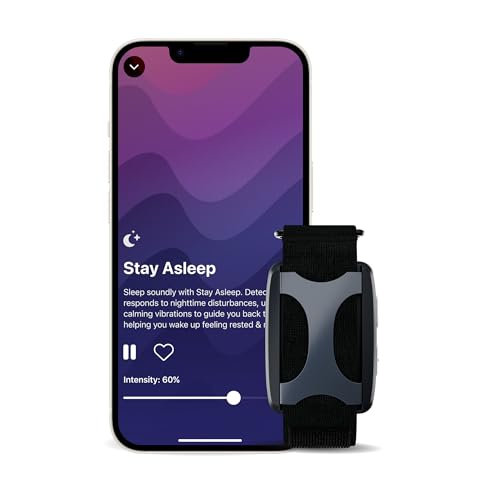
The Oura Ring and Whoop are the most accurate consumer options for sleep stages and HRV; a smartwatch (Apple Watch, Garmin) works too if you'd rather not wear a ring. Prioritize validated HRV and sleep-stage tracking over step counts, check whether it needs a subscription (Whoop does), and pick something comfortable enough to wear every night.

What Makes a Good Magnesium Supplement
Form matters more than dose: magnesium glycinate and citrate absorb well and are gentle on the stomach, while cheap magnesium oxide is poorly absorbed. A typical supplemental dose is 200–400 mg of elemental magnesium (check the label — it's usually lower than the pill weight). Take it in the evening if you're using it for sleep, and pick a third-party-tested brand.


Frequently Asked Questions
Is magnesium good for sleep?
Magnesium can help sleep, and it works best for people who are low in magnesium or have insomnia symptoms. It supports GABA activity, melatonin production, and muscle relaxation, which all aid winding down. The evidence is moderate and the effect is usually modest, so it is a helpful support rather than a sleeping pill.
Which magnesium is best for sleep, glycinate or citrate?
Magnesium glycinate is the better choice for sleep for most people because it absorbs well, has a calming effect, and rarely causes loose stools. Citrate can also help but is more laxative, which makes it a better fit if you also deal with constipation. If you only want sleep support, choose glycinate.
How long does magnesium take to work for sleep?
Some people notice a calmer, easier bedtime within a night or two, but magnesium usually works best taken nightly for one to two weeks. That lets tissue levels build if you were running low. If you see no change after a few weeks at a sensible dose, magnesium is probably not the main issue and other sleep drivers are worth checking.
How much magnesium glycinate should I take for sleep?
A common clinical range is about 300 to 400 mg of elemental magnesium glycinate at bedtime, and many people start at 200 mg and adjust. The supplemental upper limit for adults is 350 mg per day to avoid digestive upset, so higher doses should be supervised. Check with your doctor if you take medication, are pregnant, or have kidney problems.
Can I take magnesium for sleep every night?
Yes, nightly use is common and safe for most healthy adults at typical doses, and glycinate is the gentlest form for daily use. People with kidney disease should only supplement under medical supervision. If you take other medications, ask a pharmacist about timing, since magnesium can interact with some antibiotics and other drugs.
Is magnesium safe for kids' sleep, and how much should they take?
Everything above on this page is written for adults. Children need lower doses and a pediatrician's input before starting rather than an adult dose scaled down at home. The NIH Office of Dietary Supplements sets the tolerable upper intake level for supplemental magnesium at 65 mg/day for ages 1-3, 110 mg/day for ages 4-8, and 350 mg/day for ages 9 and up. Those are ceilings set to avoid digestive upset, and a pediatrician should still set the actual sleep dose. Magnesium is sometimes used off-label for sleep difficulties in children with ADHD or autism, but the evidence there is thinner than the adult insomnia research summarized above, and a pediatrician should confirm the form, dose, and duration first, especially for a child on other medications or with kidney concerns.
Does magnesium cause diarrhea or make you poop?
Yes, magnesium can cause loose stools or diarrhea, particularly with citrate and oxide forms. Magnesium glycinate is the gentlest form on digestion and rarely acts as a laxative. If a supplement causes digestive upset, switch to glycinate or take the dose with food.
Topic updates
Get the weekly recovery roundup
Sleep, HRV, fatigue, burnout, cortisol rhythm, sleep apnea, overtraining, and stress physiology.
Want your sleep handled by a physician who works from your labs? See how Opt Health does it →
Check Where You Stand
Take our free health assessment to understand your metabolic, hormonal, and recovery risk factors — and get personalized recommendations.
Take the Free Assessment →Free · Takes 5 minutes · Instant results
Related Guides
-
Poor Sleep Quality: Root Causes and Evidence-based Fixes
Root causes and evidence-based fixes beyond sleep hygiene.
-
Cortisol and Sleep: How Stress Hormones Wreck Your Rest
The cortisol-melatonin axis and 'wired but tired' patterns.
-
How Much Deep Sleep Do You Need? N3 Sleep, Trackers, and Recovery Targets
Deep sleep targets, tracker limits, and how to improve N3 sleep.
See more related guides
-
Is 6 Hours of Sleep Enough? Health Risks, Exceptions, and How to Recover
Why six hours is usually not enough sleep and what to do if it is your current reality.
-
Inspire Sleep Apnea Treatment: How It Works, Cost, and Results
STAR trial results, candidacy criteria, cost, and Medicare coverage.
-
Central Sleep Apnea: Causes, Symptoms, and Treatment Options
CNS vs airway mechanism, ASV vs CPAP, and causes including heart failure.
-
Sleep Apnea Treatment in Children: Why Pediatric OSA Is Treated Differently Than in Adults
Sleep apnea treatment in children: why pediatric OSA is treated differently than in adults.
-
Sleep Apnea VA Disability: How Claims Generally Work for Veterans
How sleep apnea VA disability claims generally work for veterans — education only, not legal advice.
Affiliate disclosure: The Metabolic Journal is reader-supported. Some links above are affiliate or referral links and we may earn a commission at no extra cost to you. As an Amazon Associate we earn from qualifying purchases. Products are chosen on the merits; commissions never influence what we recommend. This is general information, not medical advice — talk to your clinician before acting.