Is 6 Hours of Sleep Enough? Risks and Fixes
Medically reviewed by Medical Advisory Board Last reviewed 2026-05-19
When six hours is not enough, who may tolerate it, and how to recover without wrecking your metabolism
Is 6 hours of sleep enough? For most adults, no. The CDC recommends at least 7 hours of sleep, and chronic short sleep is linked with worse metabolic, cardiovascular, immune, and cognitive outcomes.
Is 6 hours of sleep enough? For most adults, it falls short of the recommended minimum. The CDC says adults should get at least 7 hours of sleep per night, and 2024 NCHS data found that 30.5% of adults averaged less than 7 hours.
Some people feel functional after six hours of sleep, but that isn't the same as being fully recovered. Sleep restriction can reduce insulin sensitivity, increase hunger signals, impair training recovery, worsen mood, and make fatigue feel normal.
Partner · Opt Health
Want help fixing your sleep for real?
Opt Health treats sleep as a measurable system — cortisol rhythm, thyroid, testosterone, inflammation — and works the biology behind bad sleep with a physician, not a sleep-hygiene checklist.
See Opt Health's sleep program →Is 6 Hours of Sleep Enough for Adults?
Six hours may happen during a hard week, a newborn phase, travel, or deadline pressure. The problem is when it becomes your baseline. Most adults need at least 7 hours, and many need 7.5-9 hours to maintain energy, appetite regulation, immune function, and exercise recovery.
| Pattern | Interpretation |
|---|---|
| 6 hours once or twice | Recoverable with sleep extension |
| 6 hours nightly with high energy | Still worth checking performance, mood, blood pressure, hunger, and recovery |
| 6 hours plus snoring or morning fatigue | Screen for sleep apnea or poor sleep quality |
| 6 hours plus weight-loss plateau | Address sleep before blaming willpower or metabolism |
Health Risks of Sleeping 6 Hours
Short sleep is associated with higher cardiometabolic risk, especially when paired with stress, low activity, alcohol, or shift work. Practical signs you are not tolerating six hours include afternoon crashes, sugar cravings, irritability, low HRV, poor workouts, rising resting heart rate, high fasting glucose, and waking unrefreshed.
If six hours is unavoidable for a short period, protect sleep quality: no alcohol near bed, caffeine cutoff by early afternoon, consistent wake time, morning light, a cool room, and a 20-minute nap when needed.
How to Move From 6 Hours to 7+ Hours
- Move bedtime earlier by 15 minutes every 3 nights.
- Set a caffeine cutoff 8-10 hours before bed.
- Stop work and screens 30-60 minutes before sleep.
- Use morning light to anchor circadian timing.
- Train earlier if evening workouts raise heart rate.
- Check for sleep apnea if you snore, wake with headaches, or need multiple alarms.
Related: deep sleep, poor sleep quality, and waking up tired.
Conclusion: Is 6 Hours of Sleep Enough?
Is 6 hours of sleep enough? Usually not as a long-term plan. Treat six hours as a temporary constraint, then use sleep timing, stress reduction, breathing evaluation, and metabolic labs to find out why you cannot get or maintain more sleep.
Take the energy assessment to see whether your fatigue pattern is sleep, hormone, or metabolic driven.
What to Look For in a Sleep & Recovery Tracker
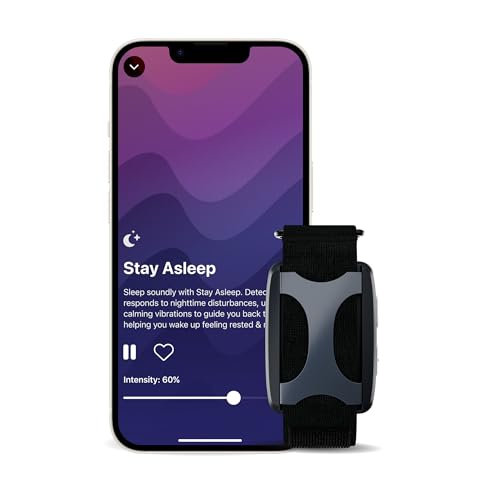
The Oura Ring and Whoop are the most accurate consumer options for sleep stages and HRV; a smartwatch (Apple Watch, Garmin) works too if you'd rather not wear a ring. Prioritize validated HRV and sleep-stage tracking over step counts, check whether it needs a subscription (Whoop does), and pick something comfortable enough to wear every night.

What Makes a Good Magnesium Supplement
Form matters more than dose: magnesium glycinate and citrate absorb well and are gentle on the stomach, while cheap magnesium oxide is poorly absorbed. A typical supplemental dose is 200–400 mg of elemental magnesium (check the label — it's usually lower than the pill weight). Take it in the evening if you're using it for sleep, and pick a third-party-tested brand.


Frequently Asked Questions
Can some people be healthy on 6 hours of sleep?
A small number of people may naturally need less sleep, but most adults do better with at least 7 hours. If you rely on caffeine, crash in the afternoon, or wake unrefreshed, six hours is probably not enough.
Is 6 hours of sleep enough if I feel fine?
Maybe occasionally. For a long-term baseline, verify with objective signs: blood pressure, fasting glucose, mood, training recovery, resting heart rate, HRV, and daytime sleepiness.
How do I recover after sleeping 6 hours?
Use morning light, hydrate, keep caffeine early, avoid a heavy alcohol night, take a short nap if needed, and go to bed earlier the next night.
Topic updates
Get the weekly recovery roundup
Sleep, HRV, fatigue, burnout, cortisol rhythm, sleep apnea, overtraining, and stress physiology.
Want your sleep handled by a physician who works from your labs? See how Opt Health does it →
Check Where You Stand
Take our free health assessment to understand your metabolic, hormonal, and recovery risk factors — and get personalized recommendations.
Take the Free Assessment →Free · Takes 5 minutes · Instant results
Related Guides
-
Poor Sleep Quality: Root Causes and Evidence-based Fixes
Root causes and evidence-based fixes beyond sleep hygiene.
-
Cortisol and Sleep: How Stress Hormones Wreck Your Rest
The cortisol-melatonin axis and 'wired but tired' patterns.
-
How Much Deep Sleep Do You Need? N3 Sleep, Trackers, and Recovery Targets
Deep sleep targets, tracker limits, and how to improve N3 sleep.
See more related guides
-
Inspire Sleep Apnea Treatment: How It Works, Cost, and Results
STAR trial results, candidacy criteria, cost, and Medicare coverage.
-
Central Sleep Apnea: Causes, Symptoms, and Treatment Options
CNS vs airway mechanism, ASV vs CPAP, and causes including heart failure.
-
Sleep Apnea Treatment in Children: Why Pediatric OSA Is Treated Differently Than in Adults
Sleep apnea treatment in children: why pediatric OSA is treated differently than in adults.
-
Sleep Apnea VA Disability: How Claims Generally Work for Veterans
How sleep apnea VA disability claims generally work for veterans — education only, not legal advice.
-
Sleep Apnea Nexus Letter: What the Medical Opinion Has to Contain
Sleep apnea nexus letter: what the medical opinion has to contain, who can write it, and the secondary-connection routes.
Affiliate disclosure: The Metabolic Journal is reader-supported. Some links above are affiliate or referral links and we may earn a commission at no extra cost to you. As an Amazon Associate we earn from qualifying purchases. Products are chosen on the merits; commissions never influence what we recommend. This is general information, not medical advice — talk to your clinician before acting.