Energy Optimization Assessment
Evaluate your energy levels across metabolic, hormonal, and recovery domains. Based on validated clinical symptom scales, this assessment identifies which systems may be contributing to fatigue, brain fog, or low performance.
What You'll Get
- Overall energy score (0-100)
- Metabolic health risk indicator
- Hormonal health risk indicator
- Recovery quality indicator
- Recommended lab panel based on your symptoms
- Personalized next steps
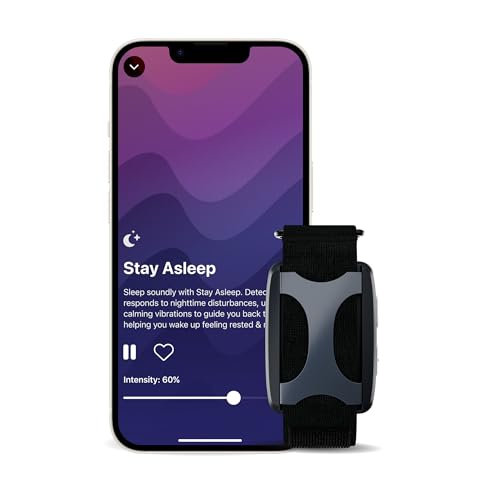
What to Look For in a Sleep & Recovery Tracker
The Oura Ring and Whoop are the most accurate consumer options for sleep stages and HRV; a smartwatch (Apple Watch, Garmin) works too if you'd rather not wear a ring. Prioritize validated HRV and sleep-stage tracking over step counts, check whether it needs a subscription (Whoop does), and pick something comfortable enough to wear every night.

What Makes a Good Magnesium Supplement
Form matters more than dose: magnesium glycinate and citrate absorb well and are gentle on the stomach, while cheap magnesium oxide is poorly absorbed. A typical supplemental dose is 200–400 mg of elemental magnesium (check the label — it's usually lower than the pill weight). Take it in the evening if you're using it for sleep, and pick a third-party-tested brand.


Topic updates
Get the weekly recovery roundup
Sleep, HRV, fatigue, burnout, cortisol rhythm, sleep apnea, overtraining, and stress physiology.
Affiliate disclosure: Some links above are affiliate or referral links and we may earn a commission at no extra cost to you. As an Amazon Associate we earn from qualifying purchases. Products are chosen on the merits; this is general information, not medical advice — talk to your clinician before acting.