Ashwagandha vs Magnesium for Sleep and Stress: Which to Try First
Medically reviewed by Medical Advisory Board Last reviewed 2026-09-27
Sleep and stress trials, doses studied and safety limits for both supplements compared side by side
Magnesium is the lower-risk first step for sleep and stress because it is an essential nutrient with a clear safety limit and few interactions. Ashwagandha has stronger trial data for lower cortisol and sleep onset, but it carries drug interactions, thyroid warnings, and a three-month safety limit. Starting with magnesium fits most people best unless stress is the clear driver and a clinician approves ashwagandha.
Magnesium is the lower-risk first step if you are choosing between ashwagandha and magnesium for sleep or stress. At The Metabolic Journal, every comparison we write starts from the study behind each claim; here that means the NIH magnesium and ashwagandha fact sheets and six trials and reviews. Magnesium is an essential nutrient that your diet has to supply. It carries an established daily intake target and modest supplemental safety limits. Ashwagandha has more clinical trial data for reducing stress and lowering cortisol, but it carries far more contraindications and drug interactions.
In our poor sleep quality guide, we explain how daily habits and nutrient status affect physical recovery. If your diet lacks magnesium, replenishing that nutrient is a sensible first intervention. If stress is what keeps you awake, ashwagandha has more trial evidence. However, no clinical trial has ever compared ashwagandha directly against magnesium. Neither supplement replaces medical care for chronic insomnia or an anxiety disorder.
Partner · Opt Health
Want help fixing your sleep for real?
Opt Health treats sleep as a measurable system — cortisol rhythm, thyroid, testosterone, inflammation — and works the biology behind bad sleep with a physician, not a sleep-hygiene checklist.
See Opt Health's sleep program →Ashwagandha or Magnesium: Which to Try First
Magnesium is the recommended initial choice for most people because it addresses potential dietary shortfalls with fewer medical risks. It has a recognized daily intake requirement. Adults have a set upper limit for supplements: 350 mg a day. Ashwagandha is an herbal extract rather than a nutritional requirement. It has more clinical data for stress and insomnia, yet it presents far more clinical warnings. If you take prescription drugs or manage a chronic condition, ashwagandha requires far more caution.
| Dimension | Magnesium | Ashwagandha |
|---|---|---|
| What it is | Essential dietary mineral and nutrient | Herbal botanical extract (Withania somnifera) |
| Best evidence | Smaller trials; low to very low quality evidence for sleep onset | More trials; a 2021 meta-analysis found a small but significant sleep benefit |
| Doses studied | 500 mg elemental in the Abbasi trial (above the 350 mg supplement limit) | 600 mg a day (300 mg twice daily) in the trials here |
| Main side effects | Diarrhea, nausea, abdominal cramping | Stomach upset, loose stools, nausea, drowsiness |
| Who should avoid | People with kidney failure or impaired kidney function | Pregnant or breastfeeding women, people with thyroid or autoimmune disease, pre-surgery patients |
| Interactions | Bisphosphonates, tetracycline and quinolone antibiotics, diuretics, PPIs | Diabetes, blood-pressure, immunosuppressant, sedative, anticonvulsant, and thyroid drugs |
Start with magnesium if you suspect your daily food intake is low. Dietary surveys indicate that many people do not consume enough magnesium. If stress is what keeps you awake at night and your medical history is clean, ashwagandha has more trial evidence for stress.
Sleep Evidence Compared
Both have only small sleep trials: ashwagandha has more of them, and magnesium's sleep evidence is rated low to very low quality. Researchers have studied ashwagandha across multiple randomized controlled trials in adults with sleep difficulties. According to the National Institutes of Health Office of Dietary Supplements ashwagandha fact sheet, a 2021 meta-analysis of five trials covering 372 adults found a small but significant improvement in sleep. That benefit was more pronounced at doses of 600 mg per day, was larger with at least eight weeks of use, and appeared stronger in individuals diagnosed with insomnia.
One trial shows the effect directly. In a study published by Langade and colleagues, adults with insomnia took 300 mg of ashwagandha root extract twice daily for ten weeks. Participants taking the extract fell asleep faster than those receiving a placebo. Their average sleep onset latency dropped to 29.00 minutes compared to 33.94 minutes in the placebo group.
Clinical evidence for magnesium and sleep rests on smaller studies with less consistent outcomes. A 2021 meta-analysis published by Mah and Pitre evaluated three clinical trials involving 151 older adults. Participants taking magnesium fell asleep 17.36 minutes sooner than those on placebo. Their total sleep time increased by 16.06 minutes, but that change was not statistically significant. The authors rated the overall quality of this evidence as low to very low.
An earlier trial evaluated higher doses of magnesium in older adults with primary insomnia. In a study conducted by Abbasi and colleagues, 46 older adults received 500 mg of elemental magnesium daily for eight weeks. Compared to placebo, the magnesium group showed significant improvements in insomnia severity scores, sleep onset latency, and sleep efficiency. Serum melatonin concentrations rose, and serum cortisol levels fell. That 500 mg daily dose sits above the 350 mg supplemental upper limit. It should not be treated as a standard home dose recommendation.
Supplemental form matters when evaluating sleep outcomes. In our magnesium for sleep guide, magnesium glycinate is identified as the best-tolerated form for evening use. Typical supplemental use ranges from 300 to 400 mg at bedtime, though many people begin at 200 mg. You can read about alternative options in our magnesium glycinate vs citrate comparison. While ashwagandha has stronger trial data for shortening sleep latency, magnesium offers a safer entry point for addressing baseline nutritional needs. For more on sleep mechanics, see our cortisol and sleep guide.
Stress, Anxiety, and Cortisol
Ashwagandha has direct clinical trial evidence for reducing serum cortisol and perceived stress, whereas magnesium has limited evidence in targeted populations. For anxiety specifically, neither has strong evidence. Ashwagandha has been tested primarily in adults experiencing psychological stress and elevated stress hormones rather than diagnosed psychiatric disorders.
The most widely cited data on ashwagandha and stress comes from a 60-day trial conducted by Chandrasekhar and colleagues. Investigators evaluated 64 stressed adults who received 300 mg of ashwagandha root extract twice daily. At the end of 60 days, serum cortisol levels in the ashwagandha group dropped by 27.9%. In contrast, the placebo group experienced a reduction of only 7.9%. If chronic tension elevates your stress markers, review our guide on how to lower cortisol.
Magnesium has far less evidence for stress reduction or cortisol regulation in healthy adults. In the trial by Abbasi and colleagues, older adults with insomnia experienced a reduction in serum cortisol while taking 500 mg of elemental magnesium. No trial on this page tested it in general adults. You should not assume magnesium lowers cortisol if you do not have insomnia or an age-related sleep disruption.
Evidence for magnesium and anxiety remains limited. A systematic review published by Boyle and colleagues looked at 18 studies examining magnesium intake. The authors concluded that the evidence suggests a possible benefit of magnesium on subjective anxiety in anxiety-vulnerable individuals. However, they explicitly noted that the quality of the available evidence is poor. The existing literature does not support using magnesium as a primary intervention for clinical anxiety.
Safety, Side Effects, and Drug Interactions
Magnesium presents a narrower range of contraindications and drug interactions than ashwagandha. Magnesium is an essential dietary mineral regulated by established intake guidelines. The National Institutes of Health Office of Dietary Supplements magnesium fact sheet sets the Recommended Dietary Allowance (RDA) for adults at 400 mg daily for men ages 19 to 30 and 420 mg daily for men ages 31 and older. For women, the RDA is 310 mg daily for ages 19 to 30 and 320 mg daily for ages 31 and older.
The Tolerable Upper Intake Level (UL) for supplemental magnesium is 350 mg per day for adults. This ceiling applies strictly to supplements and pharmacological products, not to magnesium obtained from food and water. Taking high supplemental doses often causes loose stools, nausea, and abdominal cramping. The specific chemical forms most commonly reported to cause diarrhea are magnesium carbonate, magnesium chloride, magnesium gluconate, and magnesium oxide. Toxicity risk rises with impaired kidney function or kidney failure.
Dietary surveys reveal widespread intake shortfalls across the United States. Data indicates that 48% of Americans take in less magnesium from food and beverages than the Estimated Average Requirement (EAR). This figure demonstrates low intake across the population, not clinically confirmed deficiency. There is no current data on actual US magnesium status. Check your bloodwork metrics using our magnesium levels guide.
Magnesium interacts with several common medications. You must space oral bisphosphonates at least two hours apart from magnesium. Tetracycline and quinolone antibiotics must be taken at least two hours before or four to six hours after magnesium supplements. Loop and thiazide diuretics can increase magnesium loss in urine. Long-term use of proton pump inhibitors (PPIs) can cause low magnesium levels in the blood.
Ashwagandha requires greater caution due to systemic safety concerns. The National Center for Complementary and Integrative Health (NCCIH) notes that ashwagandha may be safe when taken for up to three months. The long-term safety of the herb is unknown. Common side effects include stomach upset, loose stools, nausea, and drowsiness. Rare cases of liver injury have been reported in clinical literature. For safety details, read our ashwagandha side effects guide.
Certain groups must avoid ashwagandha entirely. The NCCIH advises against using it during pregnancy and breastfeeding. It is not recommended before scheduled surgical procedures. People with autoimmune diseases or thyroid disorders should not take it. Ashwagandha can raise thyroid hormone levels, creating complications for people with thyroid conditions. Review our ashwagandha and thyroid guide before taking it. Ashwagandha also interacts with medications for diabetes, blood pressure, immunosuppressants, sedatives, anticonvulsants, and thyroid hormone replacement. Always select products evaluated through third-party lab testing.
Taking Magnesium and Ashwagandha Together
No clinical trial has evaluated taking magnesium and ashwagandha together or compared them against each other. Neither the Office of Dietary Supplements nor the National Center for Complementary and Integrative Health lists a direct drug interaction between the two substances. However, combining them introduces overlapping digestive risks.
Both can cause gastrointestinal upset. Magnesium can trigger diarrhea, nausea, and stomach cramping. Ashwagandha commonly causes stomach irritation, nausea, and loose stools. Starting both at once makes it hard to tell which one caused a reaction.
The practical path is to start magnesium alone and see how your gut handles it before adding ashwagandha. Give your body several weeks on magnesium to assess tolerance and sleep changes. If you later choose to add ashwagandha, clear it with your clinician first. Set a stop date within three months (the studied window) and review it with your clinician.
How to Choose Between Them
Choosing between magnesium and ashwagandha depends on whether your sleep issues stem from low nutrient intake or acute daily stress. Magnesium is the safer first option for the general population. It supplies a mineral your body requires daily and carries clear safety limits.
- Choose magnesium first: If your diet is low in magnesium. It replenishes a required nutrient and carries minimal risk when kept below the 350 mg supplemental upper limit.
- Consider ashwagandha: If stress is what keeps you awake at night and your medical history is clean. It provides stronger trial evidence for lowering cortisol and speeding sleep onset in individuals with insomnia.
- Who this is not for: This comparison does not apply to individuals with chronic insomnia or diagnosed anxiety disorders requiring clinical treatment. Supplements do not replace professional sleep medicine or psychiatric care.
What would change our answer comes down to clinical screening. A lab-confirmed low magnesium status strongly favors magnesium supplementation. Conversely, diagnosed kidney disease demands extreme caution with magnesium due to impaired clearance. A thyroid condition, pregnancy, liver disease, or prescription sedative use rules out ashwagandha or counsels heavily against it. Before starting ashwagandha vs magnesium, review your current medications and health history with your doctor to determine which supplement fits your routine.
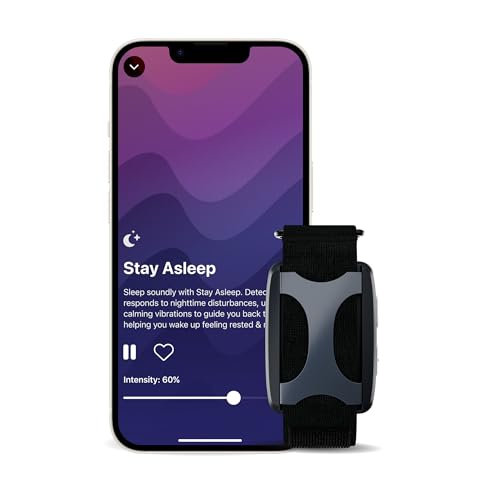
What to Look For in a Sleep & Recovery Tracker
The Oura Ring and Whoop are the most accurate consumer options for sleep stages and HRV; a smartwatch (Apple Watch, Garmin) works too if you'd rather not wear a ring. Prioritize validated HRV and sleep-stage tracking over step counts, check whether it needs a subscription (Whoop does), and pick something comfortable enough to wear every night.

What Makes a Good Magnesium Supplement
Form matters more than dose: magnesium glycinate and citrate absorb well and are gentle on the stomach, while cheap magnesium oxide is poorly absorbed. A typical supplemental dose is 200–400 mg of elemental magnesium (check the label — it's usually lower than the pill weight). Take it in the evening if you're using it for sleep, and pick a third-party-tested brand.


Frequently Asked Questions
Can you take magnesium and ashwagandha together?
Neither NIH fact sheet lists an interaction between magnesium and ashwagandha, and people do take both. However, no clinical trial has formally evaluated their combination. Both supplements can cause gastrointestinal side effects such as nausea, diarrhea, and stomach cramping. Taking both at once makes it hard to tell which one caused an upset stomach. Introduce magnesium first to assess your tolerance before adding ashwagandha.
Is there anything better than ashwagandha?
Magnesium is a better first choice for sleep if your diet is low in the mineral, as it carries an established safety profile and fewer drug interactions. Clinical trials show ashwagandha lowers stress and cortisol, but it carries thyroid warnings and liver injury risks. If you are comparing herbal adaptogens, see our ashwagandha vs Rhodiola comparison to explore alternatives with different botanical properties.
Does magnesium lower cortisol?
Magnesium lowered serum cortisol in one trial of older adults with insomnia, but researchers have not demonstrated this effect in the broader population. In that 2012 trial by Abbasi and colleagues, 46 older adults took 500 mg of elemental magnesium daily for eight weeks and experienced lower serum cortisol compared to placebo. That dose exceeds the 350 mg supplemental upper limit. Do not assume magnesium will lower cortisol if you do not have insomnia or an age-related sleep issue.
Why can't you take ashwagandha every day?
You should not take ashwagandha every day beyond three months because its long-term safety is unknown. The National Center for Complementary and Integrative Health states that ashwagandha may be safe when taken for up to three months. Beyond that window, the health effects remain unverified. Ashwagandha has also been associated with rare cases of liver injury and can raise thyroid hormone levels.
What are signs that your magnesium is low?
Symptoms alone cannot tell you if your magnesium is low, because physical symptoms overlap with many other health conditions. A blood test and a clinician confirm low magnesium status. You can review how doctors evaluate magnesium levels in our magnesium levels biomarker guide and read our overview of symptoms in our magnesium deficiency symptoms guide.
Topic updates
Get the weekly recovery roundup
Sleep, HRV, fatigue, burnout, cortisol rhythm, sleep apnea, overtraining, and stress physiology.
Want your sleep handled by a physician who works from your labs? See how Opt Health does it →
Check Where You Stand
Take our free health assessment to understand your metabolic, hormonal, and recovery risk factors — and get personalized recommendations.
Take the Free Assessment →Free · Takes 5 minutes · Instant results
Related Comparisons
-
Magnesium Glycinate vs Citrate
Magnesium glycinate vs citrate: absorption, best use cases, GI tolerance, and dosing.
-
Ashwagandha vs Melatonin for Sleep: What Each Is, the Evidence, Safety Limits, and Taking Them Together.
Ashwagandha vs melatonin for sleep: what each is, the evidence, safety limits, and taking them together.
-
Magnesium for Sleep
Magnesium for sleep: which form works, dosing, timing, and what the evidence shows.
See more related comparisons
-
Magnesium Threonate Benefits
Magnesium L-threonate benefits: the cognition claims vs the actual human evidence.
-
Magnesium for Leg Cramps
Magnesium for leg cramps: what the evidence shows, other causes, and when to see a doctor.
-
Magnesium Deficiency
Signs of magnesium deficiency, who is at risk, and why serum tests miss it.
-
Magnesium and Heart Palpitations
Magnesium and heart palpitations: what arrhythmia reviews report, the HRT evidence, and when to see a clinician.
Affiliate disclosure: The Metabolic Journal is reader-supported. Some links above are affiliate or referral links and we may earn a commission at no extra cost to you. As an Amazon Associate we earn from qualifying purchases. Products are chosen on the merits; commissions never influence what we recommend. This is general information, not medical advice — talk to your clinician before acting.