Ashwagandha vs Rhodiola: Which Fits Your Stress and Fatigue?
Medically reviewed by Medical Advisory Board Last reviewed 2026-09-27
Trial evidence, doses studied and safety limits for both herbs compared side by side
Ashwagandha has more clinical trials showing benefits for stress, insomnia, and elevated cortisol. Rhodiola research centers on daytime stress-related fatigue and burnout, though trials are smaller. Ashwagandha carries more medical contraindications, including thyroid disorders and pregnancy.
Ashwagandha fits people who feel tense and sleep poorly, while rhodiola fits people coping with stress-related fatigue. At The Metabolic Journal, every comparison we write starts from the study behind each claim; for these two herbs that means three NIH pages and a short list of small trials, none of them head to head. Both herbs are marketed as adaptogens for physical and psychological tension. Yet they have different safety profiles and target distinct symptom patterns. Neither herb replaces medical care for clinical disorders.
Choosing between ashwagandha vs rhodiola requires looking at trial quality. The National Center for Complementary and Integrative Health (NCCIH), a division of the National Institutes of Health (NIH), says some ashwagandha preparations may help insomnia and stress, while its rhodiola page says there isn't enough reliable evidence to know whether rhodiola helps any health purpose. Ashwagandha has more human trials for stress, sleep, and serum cortisol. Rhodiola trials focus on fatigue and burnout during demanding periods. If you manage an ongoing cortisol imbalance or suffer from poor sleep quality, understanding these differences helps you avoid adverse reactions.
Partner · Opt Health
Tired of being told your labs are “normal”?
Opt Health's energy workup goes past the standard panel — thyroid antibodies, free T3, ferritin, B12, testosterone, cortisol, inflammation — and a physician walks you through what's actually driving the fatigue.
See Opt Health's energy program →Ashwagandha vs Rhodiola: Which One Fits You
Ashwagandha works best for individuals with persistent evening stress and sleep disruption, whereas rhodiola fits those experiencing daytime stress-related fatigue. The choice between them depends on your specific symptoms, current prescriptions, and tolerance for potential side effects. The table below outlines how both herbs compare across clinical and regulatory benchmarks.
| Dimension | Ashwagandha | Rhodiola |
|---|---|---|
| Best evidence for | Stress, insomnia, and lowering elevated serum cortisol | Stress-related fatigue, burnout, and mental weariness |
| Studied daily doses | 120 to 1,000 mg daily across 19 trials (2026 review); greater stress benefit at 500 to 600 mg daily (2021 review) | 290 to 1,500 mg daily across 5 trials (2026 review); Olsson used 576 mg daily, Edwards 200 mg twice daily |
| Safety window | May be safe for up to 3 months | Possibly safe for up to 12 weeks |
| Common side effects | Stomach upset, loose stools, nausea, drowsiness | Dizziness, headache, insomnia, dry mouth, excess saliva |
| Rare adverse events | Rare liver injury reported in case registries | One liver-injury case listed rhodiola as a possible cause, alongside ashwagandha |
| Drug interactions | Diabetes, blood pressure, immunosuppressants, sedatives, anticonvulsants, thyroid medicines | Losartan (a blood pressure drug) |
| Who should avoid it | Pregnancy, breastfeeding, autoimmune diseases, thyroid disorders, upcoming surgery | Pregnancy, breastfeeding (little safety data available) |
Ashwagandha has a larger body of research. A 2026 systematic review found 19 ashwagandha trials and 5 rhodiola trials, lasting 3 to 16 weeks. No trial has compared the two head to head, and the evidence for both is limited. Ashwagandha also has more reasons to skip it: pregnancy, a thyroid or autoimmune condition, liver disease, and a longer list of interacting medicines.
The Stress and Cortisol Evidence
Clinical trials show that ashwagandha can lower serum cortisol, while the one rhodiola trial that measured cortisol found a change in the cortisol response to waking. Cortisol is an adrenal hormone that responds to physical and psychological challenges. You can read our review of cortisol levels and high cortisol symptoms to understand standard laboratory reference ranges.
Ashwagandha has direct trial support for reducing circulating stress hormones. In a study by Chandrasekhar and colleagues in 2012, researchers randomized 64 adults with a history of chronic stress to receive 300 mg of ashwagandha root extract twice daily or a placebo for 60 days. Serum cortisol fell by 27.9% in the ashwagandha group compared to just 7.9% in the placebo group. The NCCIH notes that while some ashwagandha preparations may help with stress, evidence regarding clinical anxiety remains unclear. See our guide on how to lower cortisol for lifestyle strategies evaluated in medical literature.
Rhodiola research approaches stress through a different lens. In 2009, Olsson and colleagues evaluated 60 adults aged 20 to 55 who suffered from stress-related fatigue. Participants took either 576 mg daily of a standardized rhodiola extract called SHR-5 or a matching placebo for 28 days. The rhodiola group showed significant improvements on a validated burnout scale and specific attention tests compared to placebo. The extract also altered the cortisol response to waking. Both groups improved on several subjective measures, a sign of placebo effect.
Fatigue, Energy and Sleep
Rhodiola trials focus primarily on mental and physical stress-related fatigue, while ashwagandha research demonstrates measurable improvements in insomnia.
Rhodiola's fatigue evidence is mixed. An Ishaque 2012 systematic review analyzed 11 trials testing rhodiola for physical and mental fatigue. Two of six trials examining physical fatigue reported positive outcomes. Three of five trials assessing mental fatigue found benefits. The review authors concluded that the available evidence is contradictory and that all included studies carried a high or unclear risk of bias. An earlier open-label study by Edwards and colleagues in 2012 gave 200 mg of rhodiola twice daily to 101 adults with life-stress symptoms for 4 weeks. Participants reported improved stress symptoms with good overall tolerability. That study lacked a control group, making it impossible to rule out the placebo effect.
Ashwagandha fits the opposite pattern. The NCCIH states that some ashwagandha preparations may help insomnia and stress. Our overview of cortisol and sleep outlines how nighttime adrenal activity disrupts deep rest. A 2026 clinical trial involving 186 adults over 60 days tested two products against placebo: a rhodiola, holy basil and schisandra blend, and, separately, an ashwagandha extract. Both active groups showed lower perceived stress and better sleep scores than the placebo group. The trial tested each formula against placebo rather than comparing them head to head. The rhodiola preparation was also a combination formula rather than a single botanical extract.
Side Effects and Who Should Avoid Each
Ashwagandha carries more drug interactions and medical contraindications than rhodiola, making rhodiola a simpler option for people not taking losartan.
The safety profile of ashwagandha requires careful screening. According to the Office of Dietary Supplements (ODS), common side effects include stomach upset, loose stools, nausea, and drowsiness. You can review detailed adverse event data in our guide to ashwagandha side effects. The NCCIH notes that ashwagandha may be safe when used for up to 3 months. NCCIH reports rare cases of liver injury. Patients must avoid ashwagandha during pregnancy and breastfeeding. It is not recommended before surgery or for anyone with autoimmune disorders. Ashwagandha can raise thyroid hormone levels, so individuals with thyroid conditions should avoid it. Read our report on ashwagandha and thyroid function for clinical details. Ashwagandha interacts with medications for diabetes, high blood pressure, immunosuppression, seizures, sedation, and thyroid replacement.
Rhodiola presents a different side effect profile. The NCCIH fact sheet on rhodiola reports that it is possibly safe for up to 12 weeks. Observed side effects include dizziness, headache, insomnia, dry mouth, or excess saliva. Insomnia is a listed side effect, so notice whether rhodiola affects your sleep. Little safety data exists regarding rhodiola use during pregnancy or breastfeeding, so pregnant individuals should avoid it. The NCCIH reports an interaction between rhodiola and losartan, so ask your prescriber before combining them. Always review your complete medication list with a pharmacist before taking either herb.
Can You Take Rhodiola and Ashwagandha Together?
No clinical trial has evaluated taking ashwagandha and rhodiola together as isolated single herbs, so combining them introduces unstudied risks. Yet there is no published evidence showing whether they act synergistically or interfere with one another.
In a 2020 case series published by Björnsson and colleagues, investigators described liver injury linked to ashwagandha. In one patient, rhodiola was identified as a possible contributing cause alongside ashwagandha. While such toxicities are rare, combining multiple botanicals makes it difficult to pinpoint which substance caused an adverse reaction. A 2026 trial tested a rhodiola, holy basil and schisandra blend and, separately, an ashwagandha extract, each against placebo. Both lowered perceived stress, but no one in the trial took the two together.
If you plan to experiment with these herbs, start one at a time so a side effect points to the herb that caused it. Take the first herb alone for several weeks while monitoring your digestion, sleep, and daytime energy. Choose products tested by third-party organizations to ensure label accuracy. See our guide on third-party lab tested supplements to learn how independent laboratories verify purity. If no adverse symptoms occur and you decide to add a second product, consult your healthcare provider first.
Which Is Better for Weight Loss?
Neither ashwagandha nor rhodiola has trial evidence of meaningful weight loss. The only weight data we found is one small 8-week ashwagandha trial in stressed adults, covered on our ashwagandha side effects page, and the change there was small. Rhodiola is promoted for energy and stress rather than weight, and none of the rhodiola trials on this page measured body weight.
If weight is your goal, neither herb is the tool. For the cortisol side of stress eating, see cortisol imbalance.
How to Choose Between Ashwagandha and Rhodiola
Choose ashwagandha if your primary struggle is evening agitation and poor sleep, but choose rhodiola if you deal with daytime stress-related fatigue.
- Best for evening tension and sleep: Ashwagandha. Trials demonstrate reductions in serum cortisol and benefits for insomnia in stressed populations. Doses between 500 and 600 mg daily showed the greatest benefit in stress reviews.
- Best for daytime stress-related fatigue: Rhodiola. Small clinical trials indicate improvements in burnout scores, mental weariness, and attention during demanding tasks.
- Who this is not for: Anyone expecting either herb to fix a diagnosed anxiety disorder, depression, or chronic insomnia without a clinician. Individuals with autoimmune conditions, thyroid disorders, or planned surgeries must avoid ashwagandha. Pregnant or breastfeeding women should avoid both botanicals. Anyone taking losartan must exercise caution with rhodiola.
Our recommendation would change if a rigorous, head-to-head randomized trial demonstrated superior efficacy of one herb over the other. It would also change for any individual who develops elevated liver enzymes, digestive intolerance, or medication interactions. Before beginning supplementation, check your current prescriptions with your doctor and set a stop date within three months (the studied window) to review your progress. If you are exploring non-herbal compounds for evening relaxation, consider reviewing our comparison of ashwagandha vs magnesium.
What to Look For in a Sleep & Recovery Tracker
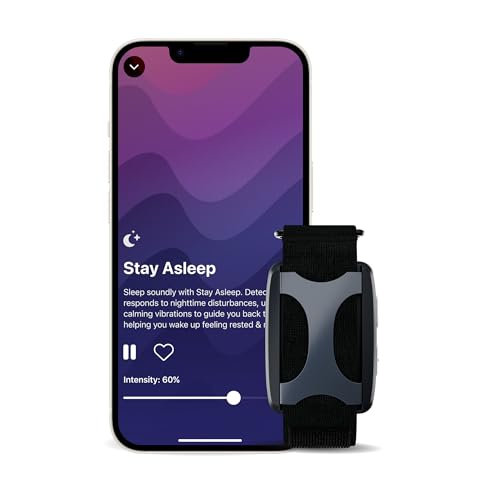
The Oura Ring and Whoop are the most accurate consumer options for sleep stages and HRV; a smartwatch (Apple Watch, Garmin) works too if you'd rather not wear a ring. Prioritize validated HRV and sleep-stage tracking over step counts, check whether it needs a subscription (Whoop does), and pick something comfortable enough to wear every night.

What Makes a Good Magnesium Supplement
Form matters more than dose: magnesium glycinate and citrate absorb well and are gentle on the stomach, while cheap magnesium oxide is poorly absorbed. A typical supplemental dose is 200–400 mg of elemental magnesium (check the label — it's usually lower than the pill weight). Take it in the evening if you're using it for sleep, and pick a third-party-tested brand.


Frequently Asked Questions
Can you take rhodiola and ashwagandha together?
No clinical trial has evaluated taking ashwagandha and rhodiola together as isolated single herbs, so combining them carries unknown risks. A 2020 medical case series noted one instance where rhodiola was listed alongside ashwagandha as a possible contributing cause of liver injury. If you choose to use both, start one at a time so a side effect points to the herb that caused it, and discuss the combination with your physician.
Does rhodiola reduce cortisol?
The evidence is thin. In one 2009 trial of 60 adults with stress-related fatigue, 576 mg a day of a rhodiola extract changed the cortisol response to waking compared with placebo. That is the only rhodiola cortisol finding on this page. Ashwagandha has more direct evidence: in a 60-day trial, serum cortisol fell 27.9% versus 7.9% on placebo.
Which is better for weight loss, rhodiola or ashwagandha?
Neither herb has clinical trial evidence demonstrating meaningful weight loss. The only recorded trial data involves a small 8-week ashwagandha study where stressed adults experienced slight weight reductions. None of the rhodiola trials on this page measured body weight. Neither botanical should be used as a weight loss supplement.
What is the downside of rhodiola?
The primary downsides of rhodiola include common side effects like dizziness, headache, insomnia, and dry mouth or excessive saliva. NCCIH reports an interaction with losartan, a blood-pressure drug. Furthermore, human research on rhodiola is limited, and one systematic review rated all of its included trials at high or unclear risk of bias.
What is the dark side of ashwagandha?
The most serious downside of ashwagandha is rare liver injury, which NCCIH notes. Common adverse effects include digestive upset, loose stools, nausea, and drowsiness. Ashwagandha can also raise thyroid hormone levels and interacts with medications for diabetes, high blood pressure, thyroid disease, and immunosuppression. It must be avoided during pregnancy and breastfeeding.
Topic updates
Get the weekly hormone optimization roundup
Testosterone, thyroid, cortisol, estrogen, menopause, perimenopause, libido, and hormone testing.
Want your energy handled by a physician who works from your labs? See how Opt Health does it →
Check Where You Stand
Take our free health assessment to understand your metabolic, hormonal, and recovery risk factors — and get personalized recommendations.
Take the Free Assessment →Free · Takes 5 minutes · Instant results
Related Comparisons
-
Ashwagandha vs Magnesium for Sleep and Stress: the Trial Evidence, Safety Limits, and Which to Try First
Ashwagandha vs magnesium for sleep and stress: the trial evidence, safety limits, and which to try first.
-
Ashwagandha vs Melatonin for Sleep: What Each Is, the Evidence, Safety Limits, and Taking Them Together.
Ashwagandha vs melatonin for sleep: what each is, the evidence, safety limits, and taking them together.
Affiliate disclosure: The Metabolic Journal is reader-supported. Some links above are affiliate or referral links and we may earn a commission at no extra cost to you. As an Amazon Associate we earn from qualifying purchases. Products are chosen on the merits; commissions never influence what we recommend. This is general information, not medical advice — talk to your clinician before acting.