Ashwagandha vs Melatonin for Sleep
Medically reviewed by Medical Advisory Board Last reviewed 2026-10-12
Melatonin may help with circadian rhythm timing like jet lag, while research shows some ashwagandha preparations may be effective for insomnia and stress.
Melatonin is a hormone that may help with timing problems like jet lag. Ashwagandha is a plant extract with some preparations that may help insomnia and stress. The National Center for Complementary and Integrative Health (NCCIH) cites no head-to-head trial comparing the two options. Both substances carry safety limits worth screening first.
To choose between ashwagandha and melatonin, consider whether your sleep difficulty involves circadian timing or insomnia and stress. Melatonin is a hormone produced by the brain in response to darkness that helps with the timing of circadian rhythms and sleep. Ashwagandha is an herbal plant extract used historically in traditional Ayurvedic medicine. Melatonin may help with specific timing disruptions such as jet lag, whereas research on ashwagandha focuses on stress and insomnia across small trials. In the guides we publish here, we discuss related options in ashwagandha vs magnesium and magnesium for sleep. We also provide background in our guides on poor sleep quality and cortisol and sleep.
Partner · Opt Health
Want help fixing your sleep for real?
Opt Health treats sleep as a measurable system — cortisol rhythm, thyroid, testosterone, inflammation — and works the biology behind bad sleep with a physician, not a sleep-hygiene checklist.
See Opt Health's sleep program →Ashwagandha vs Melatonin at a Glance
Ashwagandha and melatonin differ in their biological origin, what they are studied for, and the evidence supporting their use. Melatonin operates as a hormone that helps with circadian rhythm timing. Ashwagandha operates as a botanical extract that has been evaluated for stress and sleeplessness.
| Dimension | Ashwagandha | Melatonin |
|---|---|---|
| Substance type | Botanical extract (Withania somnifera) | Hormone (often synthetically produced) |
| Primary purpose | Promoted for stress, anxiety, sleep, and athletic performance | Helps with the timing of circadian rhythms and sleep |
| Clinical evidence for sleep | Some preparations may be effective for insomnia and stress in small studies | May reduce jet lag symptoms and help with delayed sleep-wake phase disorder |
| Chronic insomnia guidelines | Not covered on the NCCIH page | Not enough strong evidence to recommend use (AASM 2017, ACP 2016) |
| Established safety timeframe | Possibly safe short-term (up to 3 months) | Short-term use appears safe for most people |
| United States regulation | Dietary supplement | Dietary supplement |
Melatonin may help with clock-related shifts such as jet lag or delayed sleep schedules. Ashwagandha research shows some preparations may be effective for insomnia and stress, though many studies had small sample sizes and used a variety of preparations.
How Each Supplement Works in the Body
Melatonin is a hormone produced in response to darkness, whereas ashwagandha is an herbal extract containing bioactive withanolides. The brain produces melatonin naturally in response to darkness. Melatonin helps with the timing of circadian rhythms, the 24-hour internal clock, and with sleep. Light exposure at night can block natural melatonin production. Most commercial melatonin supplements contain synthetic versions of this hormone.
Ashwagandha comes from Withania somnifera, an evergreen shrub found in parts of India, Africa, and the Middle East. People sometimes refer to it as Indian ginseng. Practitioners have used ashwagandha as a medicinal plant for thousands of years within traditional Ayurvedic medicine. Commercial ashwagandha supplements typically contain extracts taken from the plant's roots, leaves, or a combination of both.
The plant contains bioactive compounds called withanolides. Researchers associate these withanolides with anti-inflammatory and antioxidant effects. The NCCIH information does not explain how ashwagandha affects sleep.
Which Is Better for Sleep
Melatonin holds clinical evidence for circadian rhythm timing, while research shows some ashwagandha preparations may be effective for insomnia and stress. The NCCIH pages cite no head-to-head trial comparing ashwagandha directly against melatonin. Because the NCCIH pages cite no head-to-head trial comparing them, neither supplement can be declared superior to the other.
Melatonin is studied for situations where sleep timing is shifted. If you cross time zones or struggle with delayed sleep timing, melatonin may help with symptoms or timing. The NCCIH notes that research shows some ashwagandha preparations may be effective for insomnia and stress. The underlying studies relied on small sample sizes and examined varied plant preparations. For additional context, read our guide to poor sleep quality.
What the Clinical Evidence Covers
Clinical research evaluates melatonin for circadian rhythm disruptions and ashwagandha for insomnia and stress. The evidence varies between the two compounds across different sleep conditions. The NCCIH reports that four studies enrolling a total of 142 travelers on eastward flights showed melatonin may be better than placebo at reducing overall jet lag symptoms. Two studies with 90 travelers on westward flights showed the same benefit, based on reviews published in 2010 and 2014.
For delayed sleep-wake phase disorder, melatonin may help individuals fall asleep earlier. People with this condition struggle to fall asleep at conventional hours and have difficulty waking in the morning. A 2018 randomized controlled trial of 307 people over four weeks found that melatonin taken one hour before a desired bedtime, paired with a fixed bedtime, enabled participants to fall asleep an average of 34 minutes earlier. A 2016 review of 52 people across two studies found participants took about 22 fewer minutes to fall asleep. In 2015, the American Academy of Sleep Medicine issued a weak recommendation for its use in this condition due to uncertainty over whether benefits outweigh harms.
For chronic insomnia, clinical guidelines do not recommend melatonin. Practice guidelines published by the American Academy of Sleep Medicine in 2017 and the American College of Physicians in 2016 concluded that there is not enough strong evidence on effectiveness or safety to recommend melatonin for chronic insomnia. The American College of Physicians strongly recommends cognitive behavioral therapy for insomnia (CBT-I) as the initial treatment. For shift workers, two 2014 reviews found studies small or inconclusive; one suggested about 24 minutes more daytime sleep, supported only by low-quality evidence.
Ashwagandha supplements are often promoted for stress and anxiety, sleep, male infertility, and athletic performance. The NCCIH states that some ashwagandha preparations may be effective for insomnia and stress. Evidence remains unclear regarding its effects on anxiety. Many ashwagandha studies had small sample sizes and used a variety of preparations.
Side Effects and Safety Profiles
Both ashwagandha and melatonin can cause drowsiness and gastrointestinal side effects, but their medical contraindications and drug interactions differ. Neither substance has established long-term safety data. The NCCIH reports that ashwagandha may be safe for short-term use up to three months. Possible effects include drowsiness, stomach upset, diarrhea, and vomiting. Rare cases link liver injury to ashwagandha supplements. People should avoid ashwagandha during pregnancy and breastfeeding. The herb is not recommended for individuals scheduled for surgery, or those diagnosed with autoimmune disorders or thyroid disorders. You can read more about these risks in our guides to ashwagandha side effects and ashwagandha and thyroid.
Ashwagandha may also interact with several medications. It may interact with medications for diabetes, high blood pressure medications, immunosuppressants, sedatives, anti-seizure medications, and thyroid hormone drugs. Because ashwagandha may raise testosterone, people with hormone-sensitive prostate cancer should avoid it.
Melatonin appears safe for most people when used in the short term. Reported mild side effects in clinical trials include headache, dizziness, nausea, and sleepiness. People with epilepsy and individuals taking blood thinners require medical supervision before using melatonin. Allergic reactions are possible, and safety research is lacking for pregnancy and breastfeeding. The 2015 American Academy of Sleep Medicine guidelines recommend against melatonin use in people with dementia. Melatonin may stay active longer in older people and cause daytime drowsiness.
Melatonin poses documented accidental ingestion hazards for children. The Centers for Disease Control and Prevention (CDC) estimated that roughly 11,000 emergency department visits occurred from 2019 to 2022 due to unsupervised melatonin ingestion by children aged five and younger. Families must store melatonin securely out of reach. Parents should consult a healthcare provider before administering melatonin to a child, though research indicates it may assist some pediatric sleep disorders.
Label Accuracy and Dietary Supplement Regulation
In the United States, ashwagandha supplements are dietary supplements not approved by the FDA before sale; manufacturers are responsible for safety and labeling.
Melatonin is regulated in the U.S. as a dietary supplement, less strictly than a drug; in several other countries it is available only with a prescription.
Studies have examined label accuracy in commercial melatonin products. A 2017 study evaluating 31 commercial melatonin supplements discovered that the majority of products contained quantities that failed to match label claims. In addition, 26 percent of the tested supplements contained serotonin. A 2023 study examining 25 over-the-counter melatonin gummy products found that 22 were inaccurately labeled. Actual melatonin concentrations ranged from 74 percent to 347 percent of the amount stated on the package.
Label accuracy data for ashwagandha is not published on the NCCIH page.
Taking Ashwagandha and Melatonin Together
The NCCIH pages cite no study evaluating the safety or effectiveness of taking ashwagandha and melatonin together.
Both substances can cause drowsiness or sleepiness. Ashwagandha may also interact with sedatives.
Anyone considering taking both supplements should consult a physician or pharmacist first. A healthcare professional can determine whether combining both compounds introduces health risks.
The Verdict
For jet lag or a delayed sleep-wake schedule, melatonin has specific clinical evidence. For poor sleep involving insomnia and stress, ashwagandha has trial support indicating some preparations may be effective, but requires a thorough safety review.
For chronic insomnia, practice guidelines from the American Academy of Sleep Medicine and the American College of Physicians find not enough strong evidence to recommend melatonin, and ACP strongly recommends cognitive behavioral therapy for insomnia (CBT-I) as the initial treatment. This comparison is not for individuals who fall into major safety contraindication groups. Do not take ashwagandha if you are pregnant, breastfeeding, scheduled for surgery, or diagnosed with thyroid disorders, autoimmune disease, or hormone-sensitive prostate cancer. Avoid melatonin if you have dementia, and do not use it without physician supervision if you have epilepsy or take blood thinners. Keep melatonin out of reach of children and talk to a healthcare provider before giving a child melatonin.
Your choice between them would change based on new medications, an underlying medical diagnosis, or the emergence of side effects.
Schedule a consultation with a licensed healthcare provider or pharmacist before starting either supplement. If sleep problems persist, speak with a doctor to rule out sleep apnea, review our comparison on sleep apnea vs insomnia, and complete our health assessment.
What to Look For in a Sleep & Recovery Tracker
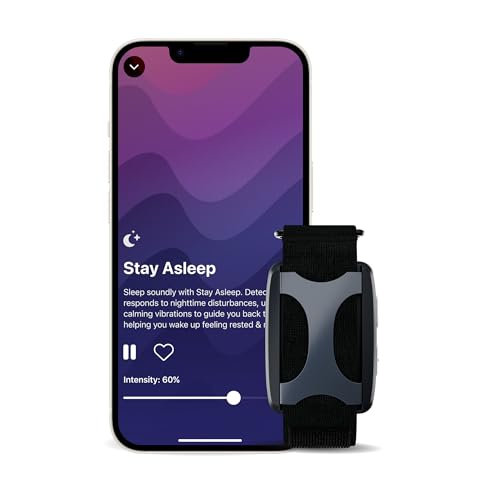
The Oura Ring and Whoop are the most accurate consumer options for sleep stages and HRV; a smartwatch (Apple Watch, Garmin) works too if you'd rather not wear a ring. Prioritize validated HRV and sleep-stage tracking over step counts, check whether it needs a subscription (Whoop does), and pick something comfortable enough to wear every night.

What Makes a Good Magnesium Supplement
Form matters more than dose: magnesium glycinate and citrate absorb well and are gentle on the stomach, while cheap magnesium oxide is poorly absorbed. A typical supplemental dose is 200–400 mg of elemental magnesium (check the label — it's usually lower than the pill weight). Take it in the evening if you're using it for sleep, and pick a third-party-tested brand.


Frequently Asked Questions
Can you take ashwagandha and melatonin together?
The NCCIH pages cite no study evaluating the safety or effectiveness of taking ashwagandha and melatonin together. Both supplements can cause drowsiness, and ashwagandha may interact with sedatives. You should consult a physician or pharmacist before combining these supplements.
Is ashwagandha or melatonin better for sleep?
Neither supplement is universally better because they address different sleep problems and the NCCIH pages cite no head-to-head trials comparing them. Melatonin has evidence for circadian clock issues, such as jet lag and delayed sleep-wake phase disorder. Research shows some ashwagandha preparations may be effective for insomnia and stress, though many studies had small sample sizes. Practice guidelines do not recommend melatonin for chronic insomnia, instead recommending CBT-I as initial treatment.
Does ashwagandha make you sleepy like melatonin?
Both supplements can cause drowsiness, but clinical research has not directly compared the strength of their sedative effects. Melatonin is a hormone produced by the brain that helps with circadian rhythm timing, and sleepiness is among its reported mild side effects. Ashwagandha is an herbal plant extract that also lists drowsiness among its potential side effects.
How long can you safely take ashwagandha or melatonin?
Both supplements lack adequate scientific data regarding long-term safety. The National Center for Complementary and Integrative Health reports that ashwagandha may be safe for short-term use up to three months. Melatonin appears safe for short-term use in most individuals, but long-term safety information remains lacking in published literature.
Is melatonin a hormone and ashwagandha an herb?
Yes, melatonin is a hormone that the brain produces naturally in response to darkness to help with the timing of 24-hour circadian rhythms and sleep. Commercial melatonin supplements are most often manufactured synthetically. Ashwagandha is an herbal plant extract derived from Withania somnifera, an evergreen shrub found in parts of India, Africa, and the Middle East.
Who should avoid ashwagandha or melatonin?
Ashwagandha should be avoided by pregnant or breastfeeding individuals, people scheduled for surgery, and those with autoimmune disorders, thyroid conditions, or hormone-sensitive prostate cancer. Melatonin should be avoided by people with dementia, and requires medical supervision for individuals with epilepsy or those taking blood thinners. Unsupervised children should never have access to melatonin.
Topic updates
Get the weekly recovery roundup
Sleep, HRV, fatigue, burnout, cortisol rhythm, sleep apnea, overtraining, and stress physiology.
Want your sleep handled by a physician who works from your labs? See how Opt Health does it →
Check Where You Stand
Take our free health assessment to understand your metabolic, hormonal, and recovery risk factors — and get personalized recommendations.
Take the Free Assessment →Free · Takes 5 minutes · Instant results
Related Comparisons
-
Ashwagandha vs Magnesium for Sleep and Stress: the Trial Evidence, Safety Limits, and Which to Try First
Ashwagandha vs magnesium for sleep and stress: the trial evidence, safety limits, and which to try first.
Affiliate disclosure: The Metabolic Journal is reader-supported. Some links above are affiliate or referral links and we may earn a commission at no extra cost to you. As an Amazon Associate we earn from qualifying purchases. Products are chosen on the merits; commissions never influence what we recommend. This is general information, not medical advice — talk to your clinician before acting.