Does EMF Affect Sleep? What the Sleep-Lab Studies Report
Medically reviewed by Medical Advisory Board Last reviewed 2026-09-30
Four sleep-lab studies report EEG power changes, and a 2024 pilot of 12 adults reported reduced sleep quality.
A WHO-commissioned review of 41 experimental studies found no or small non-significant effects of exposure on symptoms, including sleep disturbance. The Sleep Foundation, NHLBI and AASM pages describe screen light, stimulating content and phone notifications as things to avoid before bed.
Sleep-lab studies of pulsed radio-frequency exposure near the head report small changes in sleep EEG measurements but not worse sleep, apart from one 12-person pilot.
At The Metabolic Journal, in the guides we publish here, each claim is tied to the study or agency page it comes from.
Partner · Opt Health
Want help fixing your sleep for real?
Opt Health treats sleep as a measurable system — cortisol rhythm, thyroid, testosterone, inflammation — and works the biology behind bad sleep with a physician, not a sleep-hygiene checklist.
See Opt Health's sleep program →A WHO-commissioned review of human experimental studies found 'no or small non-significant effects of exposure on symptoms'. For sleeping disturbances, the standardized mean difference was -0.01 with head exposure and 0.00 with whole-body exposure. Volunteers could not perceive exposure status better than chance.
Does EMF Affect Sleep? What Sleep Studies Report
Sleep-lab studies of pulsed radio-frequency exposure near the head report small changes in sleep electroencephalogram (EEG) measurements but not worse sleep, apart from one 12-person pilot. A WHO-commissioned review by Bosch-Capblanch and colleagues in 2024 evaluated 41 human experimental studies with 2,874 participants. Its authors concluded that acute radio-frequency electromagnetic fields below regulatory limits do not cause symptoms.
The standardized mean difference for sleeping disturbances was -0.01 with head exposure and 0.00 with whole-body exposure. The 95% confidence interval was -0.22 to 0.20 for head exposure. The authors note that experimental conditions differ from real life. Volunteers were mostly young and healthy. Only acute exposure was studied.
A systematic review of human observational studies by Roosli and colleagues, partly funded by WHO's radiation programme, evaluated 13 papers and 486,558 participants. All were in Europe. Five papers addressed sleep disturbances. The authors concluded there is no indication that radio-frequency fields below guideline values cause symptoms. However, the authors say inherent limitations of the research result in substantial uncertainty.
What the Sleep-Lab Studies Measured
Each of the four abstracts below reports EEG measurements after exposure to a pulsed radio-frequency field. The abstracts report changes in EEG spectral power and, in two studies, waking after sleep onset or REM sleep latency. None reports worse sleep. The EEG changes are not described here as harmful, beneficial or of known health significance.
In 1999, Borbely and colleagues tested a 900 MHz pulsed field at a maximum specific absorption rate (SAR) of 1 W/kg. Waking after sleep onset fell from 18 to 12 minutes. Non-REM EEG power rose in that trial. The authors concluded pulsed high-frequency fields may promote sleep and modify the sleep EEG.
In 2002, Huber and colleagues reported that pulse-modulated exposure enhanced EEG power in the alpha frequency range prior to sleep onset. It also enhanced power in the spindle frequency range during stage 2 sleep. Exposure without pulse modulation did not enhance power in the waking or sleep EEG.
In 2005, Loughran and colleagues evaluated 50 participants. Exposure was followed by a decrease in REM sleep latency. EEG spectral power increased in the 11.5 to 12.25 Hz range during initial sleep.
In 2007, Regel and colleagues tested 15 participants at an SAR of 0.2 or 5 W/kg versus sham. Sleep architecture was not affected by exposure. The authors recorded a dose-dependent increase of power in the spindle frequency range in non-REM sleep.
| Study | Participants | Exposure Details | Reported Findings |
|---|---|---|---|
| Borbely et al. (1999) | Not stated | 900 MHz pulsed field, maximum SAR 1 W/kg | Waking after sleep onset fell from 18 to 12 minutes. Non-REM EEG power rose. The authors concluded exposure may promote sleep and modify sleep EEG. |
| Huber et al. (2002) | Not stated | Pulse-modulated exposure versus unmodulated exposure | Pulse modulation enhanced alpha power prior to sleep onset and spindle power in stage 2 sleep. Exposure without pulse modulation did not enhance power in the waking or sleep EEG. |
| Loughran et al. (2005) | 50 participants | Radio-frequency exposure | Decrease in REM sleep latency. Increased EEG spectral power in the 11.5 to 12.25 Hz range during initial sleep. |
| Regel et al. (2007) | 15 participants | SAR 0.2 or 5 W/kg versus sham | Sleep architecture was not affected by EMF exposure. Dose-dependent increase of power in spindle range during non-REM sleep. |
The Study That Found Worse Sleep
Among the studies cited here, only one small pilot trial reported worse sleep. In 2024, Bijlsma and colleagues published a trial in Frontiers in Public Health. The trial evaluated 12 healthy adults exposed to a 2.45 GHz field for 7 nights versus sham.
Sleep quality was reduced (p < 0.05) on the PIRS-20 questionnaire during exposure. The authors say further large-scale real-world investigations with specified dosimetry are required to confirm the findings.
A 2021 review by Selmaoui and Touitou in Bioelectromagnetics evaluated mobile phone radiation, melatonin and cortisol secretion. The authors describe the literature as 'conflicting, showing effects, no effects, or inconclusive data'.
What Does Disrupt Sleep: Screens, Light and Alerts
According to the Sleep Foundation, blue light from screens can suppress melatonin production. Stimulating content such as social media, games, or work emails may make it more difficult to relax before bed.
The National Heart, Lung, and Blood Institute (NHLBI) advises avoiding intense exercise and bright artificial light. The light from a TV or computer screen may signal the brain that it is time to be awake. In February 2026, the American Academy of Sleep Medicine (AASM) recommended that adults avoid blue light from handheld electronics 30 to 60 minutes before bedtime. The AASM also recommends turning off notifications if a phone is in the room.
A 2020 randomized trial by He and colleagues in PLOS ONE evaluated 38 participants. Participants stopped phone use for 30 minutes before bed for 4 weeks. The trial reported reduced sleep latency and increased sleep duration. It also reported improved sleep quality and reduced pre-sleep arousal.
Every sleep-lab study in the table above reports an EEG measurement. The trial that showed a measurable sleep gain tested stopping phone use for 30 minutes before bed and did not test radio-frequency exposure.
Does Airplane Mode Help You Sleep?
No study reviewed here tested Airplane Mode against sleep quality. Apple Support says Airplane Mode turns off cellular and Wi-Fi. On iPhone and iPad, this turns off all radios except for Bluetooth.
Apple Watch has an Airplane Mode button in Control Center.
Sleep Apnea and EMF
None of the reviews cited here tested EMF against sleep apnea. The National Health Service (NHS) lists daytime tiredness, difficulty concentrating, mood swings and a headache on waking among the signs of sleep apnoea. According to MedlinePlus, confirming obstructive sleep apnea requires a sleep study.
The sleep apnea home test guide and the sleep apnea symptoms page cover those topics.
A Practical Bedroom Checklist
The steps below restate what the cited sources say:
- Silence notifications: The AASM recommends turning off notifications if a phone is in the room.
- Avoid screens before bedtime: Avoid blue light from handheld electronics 30 to 60 minutes before bedtime (AASM). The NHLBI also recommends avoiding bright artificial light from a TV or computer screen.
- Device distance: The Food and Drug Administration (FDA) says the closer a device is to you, the more energy you absorb, and also says there is no established health benefit from reducing an individual's RF exposure from cell phones.
- Airplane Mode: Apple Support says Airplane Mode turns off cellular and Wi-Fi, and on iPhone and iPad it turns off all radios except Bluetooth. No study reviewed here tested Airplane Mode against sleep quality.
- Wi-Fi equipment: The UK Health Security Agency (UKHSA) sees no need for extra action on Wi-Fi exposure.
For shielding products, see the guide on whether EMF blockers work.
What Would Change This Answer
A large real-world study with measured exposure and objective sleep outcomes would change this answer, whichever direction it pointed. The authors of the 2024 pilot study specifically called for large-scale real-world investigations with specified dosimetry to confirm their findings. The authors of the WHO-commissioned review note that they studied only acute exposure and mostly young, healthy volunteers.
Bosch-Capblanch and colleagues also noted that experimental conditions differ from real life. If you wake up tired, the NHS lists daytime tiredness among the signs of sleep apnoea, and MedlinePlus says confirming obstructive sleep apnea requires a sleep study. See the sleep score tool, the poor sleep quality guide or the sleep and recovery hub for more on your own sleep.
What to Look For in a Sleep & Recovery Tracker
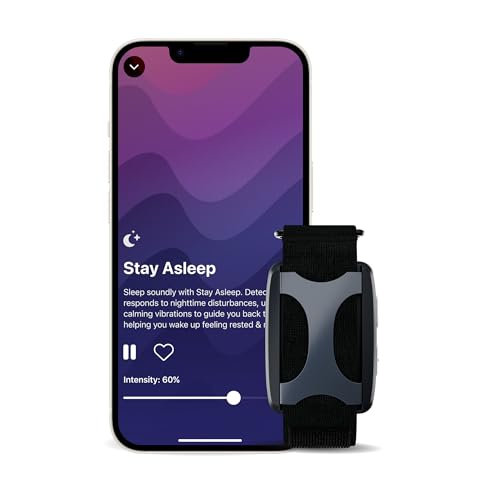
The Oura Ring and Whoop are the most accurate consumer options for sleep stages and HRV; a smartwatch (Apple Watch, Garmin) works too if you'd rather not wear a ring. Prioritize validated HRV and sleep-stage tracking over step counts, check whether it needs a subscription (Whoop does), and pick something comfortable enough to wear every night.

What Makes a Good Magnesium Supplement
Form matters more than dose: magnesium glycinate and citrate absorb well and are gentle on the stomach, while cheap magnesium oxide is poorly absorbed. A typical supplemental dose is 200–400 mg of elemental magnesium (check the label — it's usually lower than the pill weight). Take it in the evening if you're using it for sleep, and pick a third-party-tested brand.


Frequently Asked Questions
Can EMF disrupt sleep?
Sleep-lab studies of pulsed radio-frequency exposure near the head report small changes in sleep EEG measurements but not worse sleep, apart from one 12-person pilot that reported reduced sleep quality and needs confirming. A WHO-commissioned review of 41 human experimental studies found no or small non-significant effects of exposure on symptoms, including sleep disturbance. A review of observational studies found no indication that exposure below guideline values causes symptoms and reported substantial uncertainty.
Does using electronics before bed affect sleep?
It can. The Sleep Foundation says blue light from screens can suppress melatonin production and stimulating content may make it more difficult to relax before bed. NHLBI says bright artificial light may signal the brain that it is time to be awake. A 2020 randomized trial of 38 participants who stopped phone use for 30 minutes before bed for 4 weeks reported reduced sleep latency, increased sleep duration, improved sleep quality and reduced pre-sleep arousal. That trial did not test radio-frequency exposure.
Does airplane mode help you sleep?
No study reviewed here tested Airplane Mode against sleep quality. Apple Support says Airplane Mode turns off cellular and Wi-Fi. On iPhone and iPad it turns off all radios except Bluetooth.
Can EMF cause sleep apnea?
None of the reviews cited here tested EMF against sleep apnea, so that question stays unanswered here. The NHS lists daytime tiredness, difficulty concentrating, mood swings and a headache on waking among the signs of sleep apnoea. MedlinePlus says confirming obstructive sleep apnea requires a sleep study.
Should I sleep with my phone in the room?
The AASM recommends turning off notifications if a phone is in the room. The FDA says the closer a device is to you, the more energy you absorb. It also says there is no established health benefit from reducing an individual's RF exposure from cell phones.
Does EMF affect melatonin?
A 2021 review by Selmaoui and Touitou of mobile phone radiation and melatonin and cortisol secretion describes the literature as 'conflicting, showing effects, no effects, or inconclusive data'. Separately, the Sleep Foundation says blue light from screens can suppress melatonin production.
Topic updates
Get the weekly recovery roundup
Sleep, HRV, fatigue, burnout, cortisol rhythm, sleep apnea, overtraining, and stress physiology.
Want your sleep handled by a physician who works from your labs? See how Opt Health does it →
Check Where You Stand
Take our free health assessment to understand your metabolic, hormonal, and recovery risk factors — and get personalized recommendations.
Take the Free Assessment →Free · Takes 5 minutes · Instant results
Related Guides
-
Triglyceride Levels Chart: Normal, Borderline, High and Very High, What Causes High Triglycerides and How to Lower Them
Triglyceride levels chart: normal, borderline, high and very high, what causes high triglycerides and how to lower them.
-
Triglycerides vs Cholesterol: What Each Is, How They Differ on a Lipid Panel, and Why One Can Be High While the Other Looks Normal
Triglycerides vs cholesterol: what each is, how they differ on a lipid panel, and why one can be high while the other looks normal.
-
Intermittent Fasting: What the Trials Show, Common Schedules, and Who Should Not Fast
Intermittent fasting: what the trials show, common schedules, and who should not fast.
See more related guides
-
Intermittent Fasting for Women: What the Evidence Covers, Periods, Midlife, and a Cautious Way to Start
Intermittent fasting for women: what the evidence covers, periods, midlife, and a cautious way to start.
-
How to Lower LDL Cholesterol: the Diet Levers and Their Measured LDL Effects, Retest Timing, and When Statins or Ezetimibe Come In
How to lower LDL cholesterol: the diet levers and their measured LDL effects, retest timing, and when statins or ezetimibe come in.
-
Atorvastatin vs Rosuvastatin: LDL Lowering by Dose, LODESTAR Outcomes, Side Effects, Kidney Dosing and Interactions
Atorvastatin vs rosuvastatin: LDL lowering by dose, LODESTAR outcomes, side effects, kidney dosing and interactions.
-
How to Lower Blood Pressure: the Measured mmHg Drops From DASH, Sodium, Weight, Exercise and Alcohol, and When a Reading Is an Emergency
How to lower blood pressure: the measured mmHg drops from DASH, sodium, weight, exercise and alcohol, and when a reading is an emergency.
-
What Is Insulin Resistance? Causes, Symptoms & How to Reverse It
What insulin resistance is, how to test for it, and how to reverse it.
Affiliate disclosure: The Metabolic Journal is reader-supported. Some links above are affiliate or referral links and we may earn a commission at no extra cost to you. As an Amazon Associate we earn from qualifying purchases. Products are chosen on the merits; commissions never influence what we recommend. This is general information, not medical advice — talk to your clinician before acting.