Burnout Recovery: How Long It Takes & How to Heal
Medically reviewed by Medical Advisory Board Last reviewed 2026-05-13
How long burnout recovery takes, the stages involved, and how to heal the hormonal and immune damage it causes
Burnout is a state of chronic physical and emotional exhaustion recognized by the WHO (ICD-11). Beyond psychological distress, burnout causes measurable HPA axis dysfunction, immune suppression, inflammatory changes, and structural brain changes that require targeted recovery.
The WHO classified burnout in ICD-11 as an occupational phenomenon resulting from chronic workplace stress that has not been successfully managed. But research reveals burnout is far more than a mental health issue — it causes measurable physiological damage that persists even after the stressor is removed.
A 2021 systematic review in Psychoneuroendocrinology found that burnout is associated with flattened cortisol diurnal slopes, elevated inflammatory markers (CRP, IL-6), reduced HRV, impaired immune function, and, in neuroimaging studies, reduced gray matter volume in the prefrontal cortex and amygdala. These changes help explain why you can't simply "think your way out" of burnout.
Partner · Opt Health
Tired of being told your labs are “normal”?
Opt Health's energy workup goes past the standard panel — thyroid antibodies, free T3, ferritin, B12, testosterone, cortisol, inflammation — and a physician walks you through what's actually driving the fatigue.
See Opt Health's energy program →Recovery means addressing the physiological damage as well as the psychological and occupational factors. Most people underestimate how long this takes, research suggests that full physiological recovery from severe burnout takes 6 to 24 months.
The Physiology of Burnout
HPA axis dysfunction: Initially, burnout elevates cortisol (hypervigilant phase). Prolonged stress eventually leads to HPA axis blunting — low morning cortisol, flat diurnal curve, and impaired stress response. A 2016 Biological Psychology study found that 42% of burnout patients had significantly flattened cortisol slopes.
Immune suppression: Burnout is associated with reduced NK cell activity, impaired T-cell function, and increased susceptibility to infections. Burned-out individuals report 2–3x more sick days.
Inflammation: Elevated hs-CRP, IL-6, and TNF-α are consistently found in burnout. Chronic low-grade inflammation contributes to fatigue, brain fog, and pain.
Autonomic dysregulation: Reduced HRV, elevated resting heart rate, and impaired parasympathetic recovery are hallmarks of burnout physiology.
The Burnout Recovery Protocol
Phase 1 (Weeks 1–4) — Stabilize: Reduce all non-essential demands. Sleep 8–9 hours. Gentle movement only (walking, yoga). Test cortisol (4-point salivary), HRV baseline, thyroid panel, inflammatory markers, ferritin, and vitamin D.
Phase 2 (Weeks 5–12) — Rebuild: Address lab findings. Restore cortisol rhythm with targeted supplements (ashwagandha, phosphatidylserine, adaptogens). Gradually reintroduce Zone 2 exercise. Begin HRV-guided training (never exceed capacity). Prioritize social connection — isolation worsens burnout biology.
Phase 3 (Months 3–6+) — Restore: Reintroduce higher-intensity exercise as HRV improves. Build stress resilience through breathwork (resonance frequency breathing), cold exposure, and progressive challenge. Retest labs at 12 weeks and 6 months.
How Long Does Burnout Recovery Actually Take?
Burnout recovery usually takes anywhere from a few weeks to more than a year, depending on severity.
Mild burnout — caught early, with rest and reduced demands — often eases within a few weeks. Moderate burnout typically needs several months of structural change, like a lighter workload or added support. Severe burnout, especially with measurable HPA axis dysfunction, commonly takes a year or longer to fully resolve.
Recovery stages: Recovery tends to follow a rough sequence: recognizing the burnout and its causes, calming an overactivated stress response, processing built-up stress and emotion, and gradually rebuilding energy, boundaries, and routines. These stages rarely move in a straight line. Many people cycle back through earlier stages after a setback.
Relapse risk: Returning to the same workload, role, or environment that caused the burnout raises the risk of relapse significantly. Recovery built around rest alone, without changing the underlying job demands or support structure, tends to be temporary. Lasting recovery usually requires a real change in the stressor, not just time off.
Burnout Recovery Plan
A burnout recovery plan works best as a phased checklist followed in order.
Phase 1 — Stop the bleeding (Weeks 1–4):
- Reduce non-essential commitments wherever possible
- Protect 8–9 hours for sleep
- Add short daily movement, like walking
- If still employed, talk to a manager, HR, or doctor about workload
Phase 2 — Rebuild (Weeks 5–12):
- Set clear boundaries around work hours and availability
- Reintroduce structure: consistent wake times, meals, and breaks
- Address the root cause directly — a role change, reduced hours, or a plan to leave
- Add professional support if you haven't already
Phase 3 — Sustain (Month 3+):
- Reassess workload and boundaries every few months
- Build in recurring recovery time, not just a one-time reset
- Watch for early warning signs of relapse, like returning chronic exhaustion
Recovering while still employed means the plan has to work around ongoing demands. Smaller boundary changes, strategic use of time off, and involving HR or a manager early tend to matter most. Recovering after leaving a role removes the immediate stressor, which can speed up the early stages. It also adds its own pressures, like financial stress or loss of identity, that a recovery plan should account for.
Tools & Resources
A few resource types can support a burnout recovery plan without adding extra pressure.
- A burnout recovery workbook with guided exercises for identifying stressors and building a plan
- A habit or sleep-tracking app to monitor rest, activity, and mood over time
- A structured stress-management or CBT-based self-help book
- A guided breathing or meditation app for calming an overactivated stress response
- A journal for tracking energy, mood, and early warning signs of relapse
These tools work best alongside professional support, not instead of it, especially for moderate to severe burnout.
How to Find Burnout Recovery Support
Three types of professionals typically support burnout recovery, each with a different role.
A doctor (primary care or endocrinologist) can order lab work to check for HPA axis dysfunction, thyroid issues, or other physical contributors, and rule out conditions that mimic burnout. A therapist — ideally licensed in your state and experienced with workplace stress or occupational burnout — treats the emotional and psychological side, including anxiety or depression that often overlaps with burnout. A coach focuses on practical changes like boundaries, career decisions, and habit-building, but does not treat clinical mental health conditions.
Vetting credentials: For therapists, check for a state license (LCSW, LMFT, LPC, or psychologist) through your state's licensing board. For coaches, look for a certification from a recognized coaching body, since coaching itself isn't a licensed profession. For doctors, confirm board certification through your state medical board.
Finding support near you: Start with your insurance provider's online directory to find in-network therapists or doctors by location. If you're employed, check whether your employer offers an Employee Assistance Program (EAP) — these often include free short-term counseling and referrals. Online therapist directories let you filter by location, specialty, and insurance. If cost is a barrier, community mental health centers and sliding-scale clinics are worth searching for in your area.
Diet, Sleep & Lifestyle Support
Diet, sleep, and daily habits play a supporting role in burnout recovery, alongside professional care.
Sleep is often the most disrupted piece — and the most important one to address first. For a deeper look at rebuilding sleep after burnout or chronic stress, see our guide to sleep recovery.
On the diet side, consistent meal timing and adequate protein support stable energy and blood sugar, which can ease the fatigue and brain fog common in burnout. Reducing alcohol and late-day caffeine also supports the nervous system reset recovery depends on. These changes work best as small, sustainable adjustments rather than a strict overhaul during an already depleted state.
What to Look For in a Sleep & Recovery Tracker
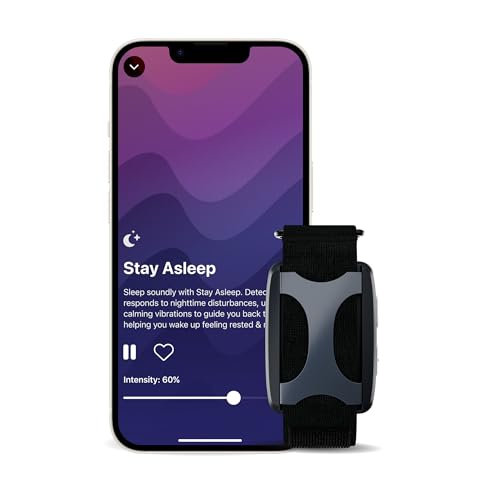
The Oura Ring and Whoop are the most accurate consumer options for sleep stages and HRV; a smartwatch (Apple Watch, Garmin) works too if you'd rather not wear a ring. Prioritize validated HRV and sleep-stage tracking over step counts, check whether it needs a subscription (Whoop does), and pick something comfortable enough to wear every night.

What Makes a Good Magnesium Supplement
Form matters more than dose: magnesium glycinate and citrate absorb well and are gentle on the stomach, while cheap magnesium oxide is poorly absorbed. A typical supplemental dose is 200–400 mg of elemental magnesium (check the label — it's usually lower than the pill weight). Take it in the evening if you're using it for sleep, and pick a third-party-tested brand.


Frequently Asked Questions
How long does burnout recovery take?
Research suggests 6–24 months for full physiological recovery from severe burnout. HPA axis normalization typically takes 3–6 months with active intervention. HRV and inflammatory markers often improve within 8–12 weeks. The timeline depends on burnout severity and how quickly you reduce the stressor load.
Can you see burnout on blood tests?
Yes. Common lab findings in burnout include: flattened cortisol diurnal curve (salivary test), elevated hs-CRP (>1.0 mg/L), low DHEA-S, reduced HRV, low ferritin, low vitamin D, and elevated fasting insulin (stress drives insulin resistance). No single test diagnoses burnout, but the pattern is distinctive.
Is burnout the same as depression?
Burnout and depression overlap significantly but are distinct. Burnout is contextual — tied to chronic occupational or life stress — and involves a characteristic cortisol pattern (flat curve) that differs from depression (which more often shows elevated cortisol). Burnout can lead to clinical depression if untreated. Treatment approaches differ: burnout recovery centers on stress reduction and physiological restoration.
Is burnout recovery really possible?
Yes. Most people who reduce the underlying stressor and get consistent support see their symptoms decline over time. Recovery is less about willpower and more about removing or reducing whatever is driving the chronic stress response. Mild and moderate burnout often resolve within weeks to months; severe cases, especially with measurable HPA axis dysfunction, can take a year or longer. Full recovery is most likely when the root cause — workload, role, or environment — actually changes, not just when symptoms are managed.
Is it normal to sleep a lot during burnout recovery?
Yes. Increased sleep need — sometimes 9-10+ hours a night, plus daytime fatigue or naps — is common in the early weeks of burnout recovery. It reflects a nervous system and HPA axis that have been running in a depleted, dysregulated state and are now catching up on accumulated sleep debt and inflammation. This tends to ease as cortisol rhythm and inflammatory markers normalize over the following weeks to months. Persistent excessive sleepiness beyond the first few weeks, or sleep that doesn't feel restorative, is worth mentioning to a doctor to rule out thyroid dysfunction, anemia, sleep apnea, or depression.
Can you take time off work or medical leave for burnout recovery?
Often, yes. In the US, burnout itself isn't a standalone diagnosis under FMLA, but a doctor can certify related conditions — such as an adjustment disorder, anxiety, depression, or a documented stress-related medical condition — that qualify for FMLA-protected unpaid leave (12 weeks/year at eligible employers) or short-term disability if you have that coverage. Start with your primary care doctor or therapist, who can document functional impairment and complete the certification paperwork; HR or your benefits department can confirm what your specific plan covers. An Employee Assistance Program (EAP), where available, can also help navigate the leave request process.
Related Reading
Topic updates
Get the weekly recovery roundup
Sleep, HRV, fatigue, burnout, cortisol rhythm, sleep apnea, overtraining, and stress physiology.
Want your energy handled by a physician who works from your labs? See how Opt Health does it →
Check Where You Stand
Take our free health assessment to understand your metabolic, hormonal, and recovery risk factors — and get personalized recommendations.
Take the Free Assessment →Free · Takes 5 minutes · Instant results
Affiliate disclosure: The Metabolic Journal is reader-supported. Some links above are affiliate or referral links and we may earn a commission at no extra cost to you. As an Amazon Associate we earn from qualifying purchases. Products are chosen on the merits; commissions never influence what we recommend. This is general information, not medical advice — talk to your clinician before acting.