Burnout Symptoms: Physical, Mental & Emotional Signs
Medically reviewed by Medical Advisory Board Last reviewed 2026-07-15
Learn the physical, mental, and emotional signs of burnout, how they differ by person, and how burnout compares to ADHD, depression, and everyday stress.
Burnout produces a distinct mix of physical symptoms (headaches, dizziness, heart palpitations, nausea), neurological symptoms (brain fog, poor concentration), and emotional symptoms (cynicism, detachment, exhaustion). This guide covers the full symptom picture, how it can look different across people, and how to tell burnout apart from ADHD, depression, and ordinary stress.
This article is for informational purposes only and is not medical advice. If you're experiencing severe or persistent symptoms, talk to a doctor or mental health professional for an evaluation.
Burnout affects the body as much as the mind. Many people expect it to feel like tiredness or a bad mood, but it can also cause dizziness, heart palpitations, nausea, and blurred vision. The World Health Organization (WHO) classifies burnout in the ICD-11 as an occupational phenomenon rather than a medical diagnosis. That is part of why its symptoms are so often overlooked or attributed to something else. This page explains the physical, neurological, and emotional symptoms of burnout, how they can vary from person to person, and how to distinguish burnout from ADHD, depression, and everyday stress. For a full recovery plan, see our burnout recovery guide.
Partner · Opt Health
Tired of being told your labs are “normal”?
Opt Health's energy workup goes past the standard panel — thyroid antibodies, free T3, ferritin, B12, testosterone, cortisol, inflammation — and a physician walks you through what's actually driving the fatigue.
See Opt Health's energy program →Physical Symptoms of Burnout
Burnout causes real physical symptoms, not just fatigue. Chronic stress keeps the body's stress-response system activated for too long. That shows up as headaches, dizziness, and a racing heart.
Common physical symptoms include:
- Headaches — often tension-type, worse by the end of the workday
- Dizziness or vertigo — lightheadedness or a spinning sensation, sometimes on standing up
- Heart palpitations — a pounding, fluttering, or skipping feeling in the chest
- Nausea and stomach upset — including loss of appetite or digestive discomfort
- Vision changes — blurry vision or eye strain, especially with screen-heavy work
- Changes in libido — a drop in sexual desire tied to exhaustion and stress
- Frequent illness — catching colds more often as chronic stress wears down immune function
None of these symptoms are exclusive to burnout. Get new or severe chest pain, palpitations, or dizziness checked by a doctor first. That rules out a cardiac or neurological cause before you assume it's stress.
Neurological and Mental Symptoms of Burnout
Burnout impairs thinking, not just energy. People describe it as a mental fog that makes ordinary tasks feel harder than they should.
Common cognitive symptoms include:
- Brain fog — trouble concentrating, following conversations, or reading
- Forgetfulness — misplacing items or losing track of tasks mid-way through
- Decision fatigue — even small choices feel exhausting or get avoided
- Slower processing — needing more time to absorb or respond to information
These effects line up with what prolonged stress does to attention and working memory. Mayo Clinic notes that job burnout can affect focus and leave people feeling drained rather than just tired. See Mayo Clinic's full symptom list for more detail.
Emotional and Behavioral Symptoms
Burnout has a distinct emotional signature: exhaustion, cynicism, and a drop in your sense of effectiveness. These are the same three dimensions measured by the Maslach Burnout Inventory. It is the most widely used research tool for assessing burnout.
Common emotional and behavioral signs include:
- Emotional exhaustion — feeling drained before the day even starts
- Cynicism or detachment — a growing distance from work, colleagues, or people you used to care about
- Reduced sense of accomplishment — doubting your own competence, even in areas where you used to feel confident
- Irritability — a shorter fuse with coworkers, friends, or family
- Withdrawal — pulling back from social plans or activities you used to enjoy
How Burnout Symptoms Can Differ by Person
Burnout looks somewhat different depending on your role and life stage. The underlying pattern — exhaustion, cynicism, and reduced effectiveness — stays the same. But which symptoms stand out, and how people describe them, can vary.
Healthcare workers and other high-contact professions often report more cynicism and detachment. Distancing yourself can become a coping mechanism against constant emotional demands. Students, including college and graduate students, more often describe burnout as academic exhaustion, procrastination, and doubt about their own ability. That pattern is common enough that researchers built a separate student version of the Maslach Burnout Inventory. Teens can show burnout differently — as irritability, school avoidance, or falling grades — rather than the workplace language adults use.
Men and women may notice different symptoms first, or feel differently about reporting them. But the underlying three-dimension pattern applies across groups. Tracking your own baseline is more useful than relying on general demographic assumptions. Notice what changed, when it started, and which symptoms above match your experience.
Burnout vs. ADHD, Depression, and Stress: What's Different
Burnout, ADHD, depression, and everyday stress can look similar on the surface. They differ in cause, scope, and how they respond to rest. Telling them apart matters, because the right next step is different for each.
Burnout is tied to a specific role or context, such as a job, caregiving, or school. It tends to ease, at least partly, when that demand is reduced. Depression is a clinical mood disorder that follows a person across every part of life, not just one role. It does not reliably improve with rest alone. ADHD is a neurodevelopmental condition present since childhood. ADHD-related exhaustion comes from the effort of managing focus and task demands. People with ADHD often still want to engage in things, even when they can't follow through. Everyday stress is a short-term response to pressure that resolves once the pressure lifts. Burnout is what happens when that stress goes unmanaged for too long.
| Condition | Scope | Responds to rest? | Core feature |
|---|---|---|---|
| Burnout | Tied to a specific role (work, school, caregiving) | Improves somewhat when the demand is reduced | Exhaustion + cynicism + reduced efficacy |
| Depression | Affects all areas of life | Does not reliably improve with rest alone | Persistent low mood, loss of interest |
| ADHD | Lifelong, present since childhood | Fatigue eases with lighter task load, but focus difficulty remains | Difficulty regulating attention, not motivation |
| Everyday stress | Tied to a specific trigger or deadline | Resolves once the stressor passes | Short-term pressure response |
These conditions also overlap, and can occur together. Unmanaged burnout can contribute to clinical depression. ADHD can make someone more prone to burnout in the first place. A doctor or mental health professional can sort out which factors are driving your symptoms, and whether more than one is involved.
Quick Self-Check: Common Signs of Burnout
This checklist is a general awareness tool, not a diagnostic test. The Maslach Burnout Inventory, linked above, is the standard validated instrument if you want a research-grade measure. It's typically given through a workplace, school, or researcher, not as a self-service online quiz.
Ask yourself whether these have been true most days for several weeks or more:
- You feel emotionally drained before the day starts
- You've become more cynical or checked-out about work, school, or a caregiving role
- You doubt your own competence more than you used to
- You've noticed new physical symptoms — headaches, dizziness, palpitations, or stomach upset — without another clear cause
- Concentration and memory feel noticeably worse
- Rest and days off don't fully recharge you anymore
Several of these sounding familiar is a reasonable signal to talk to a doctor. This is especially true if the physical symptoms are new. A clinician can rule out other causes before you attribute them to burnout.
When to See a Doctor
New or severe physical symptoms deserve a medical check before you assume they're just burnout. Chest pain, fainting, severe headaches, and persistent palpitations should be evaluated promptly. These can also signal unrelated cardiac, neurological, or thyroid conditions.
It's also worth seeing a doctor or therapist if low mood or hopelessness spreads beyond one role into every part of life. That broader pattern points more toward depression than burnout. It responds best to proper evaluation and treatment, not just a break from work. For a structured plan once burnout is the likely cause, see the burnout recovery guide.
What to Look For in a Sleep & Recovery Tracker
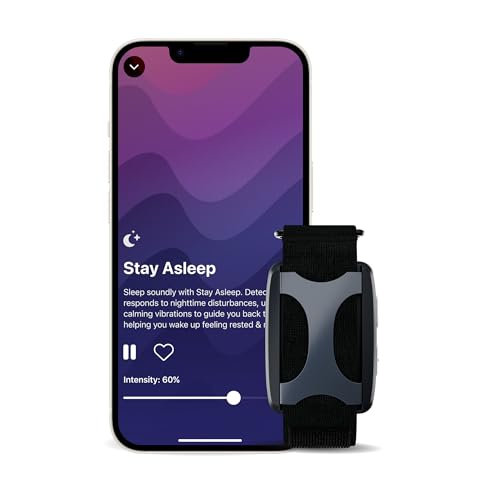
The Oura Ring and Whoop are the most accurate consumer options for sleep stages and HRV; a smartwatch (Apple Watch, Garmin) works too if you'd rather not wear a ring. Prioritize validated HRV and sleep-stage tracking over step counts, check whether it needs a subscription (Whoop does), and pick something comfortable enough to wear every night.

What Makes a Good Magnesium Supplement
Form matters more than dose: magnesium glycinate and citrate absorb well and are gentle on the stomach, while cheap magnesium oxide is poorly absorbed. A typical supplemental dose is 200–400 mg of elemental magnesium (check the label — it's usually lower than the pill weight). Take it in the evening if you're using it for sleep, and pick a third-party-tested brand.


Frequently Asked Questions
What are the first signs of burnout?
Early signs usually include persistent fatigue that doesn't improve with a normal night's sleep. Growing irritability and a creeping dread about work or responsibilities often follow. Headaches and trouble concentrating tend to show up around the same time. Catching these early signs before cynicism and detachment set in makes recovery easier.
Can burnout cause dizziness or heart palpitations?
Yes. Dizziness and heart palpitations are commonly reported physical symptoms of burnout, linked to prolonged stress on the nervous and cardiovascular systems. Both symptoms have many other possible causes too, including heart and inner-ear conditions. Get new or severe episodes checked by a doctor rather than assuming they're stress-related.
How do you know if it's burnout or depression?
Burnout tends to be tied to a specific role, like a job, school, or caregiving. It eases somewhat when that pressure is reduced. Depression is a clinical mood disorder that colors every area of life. It doesn't reliably improve with rest alone. The two overlap, and unmanaged burnout can lead to depression. A doctor or mental health professional is the best way to sort out which one is driving your symptoms.
Is burnout the same as ADHD burnout?
No. General burnout results from chronic stress in a specific role and can affect anyone. ADHD-related exhaustion comes from the ongoing effort of managing focus, organization, and task-switching. It occurs against the backdrop of a lifelong neurodevelopmental condition. People with ADHD can also experience regular burnout on top of that baseline, which makes the two hard to tell apart without an evaluation.
Do burnout symptoms differ between men and women?
The core pattern of burnout — exhaustion, cynicism, and reduced sense of effectiveness — applies across genders. What can differ is which symptoms people notice first, or feel comfortable reporting. The specific pressures behind it, whether work, caregiving, or academic, can also vary. Tracking your own symptom pattern is more useful than relying on general demographic assumptions.
What is the Maslach Burnout Inventory?
The Maslach Burnout Inventory is the most widely used research and clinical tool for measuring burnout. It assesses three dimensions: emotional exhaustion, cynicism (or depersonalization), and reduced professional efficacy. It's typically given in workplace, academic, or research settings, not as a self-service online quiz.
Topic updates
Get the weekly recovery roundup
Sleep, HRV, fatigue, burnout, cortisol rhythm, sleep apnea, overtraining, and stress physiology.
Want your energy handled by a physician who works from your labs? See how Opt Health does it →
Check Where You Stand
Take our free health assessment to understand your metabolic, hormonal, and recovery risk factors — and get personalized recommendations.
Take the Free Assessment →Free · Takes 5 minutes · Instant results
Related Reading
-
What Is Insulin Resistance? Causes, Symptoms & How to Reverse It
What insulin resistance is, how to test for it, and how to reverse it.
-
Hyperinsulinemia
Chronically high insulin: symptoms, causes, how it differs from insulin resistance, and how to reverse it.
-
Metabolic Syndrome — Diagnosis, Risks, and Treatment
The five diagnostic criteria and what they mean for your health.
See more related reading
-
Metabolic Syndrome vs Insulin Resistance — How the Two Terms Differ
Metabolic syndrome vs insulin resistance: the mechanism-vs-diagnosis distinction, and where PCOS overlaps.
-
Insulin Resistance Symptoms: 12 Warning Signs
12 clinical warning signs, from acanthosis nigricans to post-meal fatigue.
-
Blood Sugar Crash: Why It Happens and How to Stop It
Reactive hypoglycemia: causes, symptoms, and how to stabilize glucose.
-
Glucose Spikes After Eating: Causes and What to Do
Why blood sugar spikes after eating and what to do about it.
-
Fatigue After Eating: Why Food Makes You Tired
Post-meal fatigue explained — insulin, glucose, and the gut-brain axis.
Affiliate disclosure: The Metabolic Journal is reader-supported. Some links above are affiliate or referral links and we may earn a commission at no extra cost to you. As an Amazon Associate we earn from qualifying purchases. Products are chosen on the merits; commissions never influence what we recommend. This is general information, not medical advice — talk to your clinician before acting.