Are Burnout Recovery Retreats Worth It?
Medically reviewed by Medical Advisory Board Last reviewed 2026-07-15
What retreats include, what the research actually shows, and cheaper alternatives if travel isn't realistic
Burnout retreats combine downtime, therapy or coaching, nature exposure, and a digital detox, but evidence on retreats specifically is thin. Studies on brief workshops show gains often fade within months, while structured, sustained recovery approaches hold up longer. Cost varies widely, and cheaper everyday alternatives can deliver similar benefits.
This article is for informational purposes only and is not medical or mental health advice. If you're in crisis or having thoughts of self-harm, contact a crisis line or emergency services in your area.
Burnout recovery retreats promise a reset: time away from work, guided support, and room to breathe. They're appealing, and often expensive. This guide examines what retreats actually offer, what the research says about whether they work, and how much they cost. For the physiological side of burnout and a full evidence-based recovery plan you can start today, see our burnout recovery guide. It covers the everyday strategies this page presents as the realistic alternative to travel.
Partner · Opt Health
Tired of being told your labs are “normal”?
Opt Health's energy workup goes past the standard panel — thyroid antibodies, free T3, ferritin, B12, testosterone, cortisol, inflammation — and a physician walks you through what's actually driving the fatigue.
See Opt Health's energy program →What a Burnout Retreat Typically Includes
Most burnout retreats combine four elements: structured downtime, therapy or coaching sessions, time in nature, and a break from screens. The mix and quality vary a lot between programs, so it helps to know what each piece is meant to do.
Structured downtime removes scheduling pressure and protects sleep, often with no set agenda for parts of the day. Therapy or coaching sessions may be one-on-one or group-based, led by a therapist, psychologist, or certified coach depending on the program. Nature exposure usually means guided walks or quiet outdoor time, sometimes framed as forest bathing. Digital detox limits or removes phone and email access for part or all of the stay.
None of these elements is unique to a retreat. Each one can be practiced locally, which matters when you weigh the cost of travel against what you're actually getting.
What the Research Says About Retreats for Burnout
The evidence on retreat-style interventions specifically is thin, and no large controlled trial has tested a full week-long or international retreat against a comparison group. Most of what exists comes from small pilot studies of brief, single-day programs, not the resort-style retreats marketed online.
One example is the BREATHE program, a one-day retreat for mental health workers published in Psychiatric Services. Eighty-four staff attended, and seventy-four completed a six-week follow-up. The group showed a large drop in emotional exhaustion and a moderate drop in depersonalization, but the study had no control group, so it can't rule out other explanations for the improvement.
A more tightly controlled study tested a single three-hour guided forest-bathing session with physicians and other healthcare workers, published in a randomized controlled trial. Participants said they felt calmer afterward, but burnout scores did not improve more than the control group. The authors concluded that a single short session is unlikely to reverse a chronic condition like burnout.
A 2025 systematic review in Cureus looked at fourteen workplace burnout interventions. Brief workshops showed benefits that faded within three to six months once the workshop ended. Longer, participatory programs that paired individual skills with changes to workload or schedule kept reducing burnout for a year or more. The pattern suggests duration and follow-through matter more than the setting.
What Burnout Retreats Cost
Retreat pricing varies enormously by length, location, and staffing, and no single figure applies across the industry. A local day retreat costs far less than a week-long international program with flights, licensed therapists, and private accommodation.
| Format | Typical Length | General Cost Level |
|---|---|---|
| Local day retreat | A few hours to one day | Lowest — usually no travel or lodging cost |
| Weekend retreat | 2–3 days | Moderate — includes lodging and meals |
| Week-long domestic retreat | 5–7 days | Higher — full board plus staff-to-guest ratio |
| International retreat | 1–2 weeks | Highest — adds flights and often premium pricing |
Because pricing changes constantly and varies by provider, ask any program directly what's included — meals, therapy sessions, transport, and follow-up support — before comparing cost across options. Most health insurance does not cover retreat stays, though individual therapy sessions within a program sometimes qualify for reimbursement.
What to Look for Before Booking a Retreat
A credible burnout retreat discloses who is running it and what happens after you leave. Vague marketing about "transformation" without naming staff credentials is a warning sign.
Check whether therapy or coaching sessions are led by licensed clinicians or certified coaches, not just wellness hosts. Ask if there's an aftercare or integration plan — a written follow-up structure for the weeks after you return, since a short stay rarely fixes months of accumulated stress on its own. Confirm there's a plan for handling a mental health crisis on-site, and read the cancellation policy before paying.
Keep expectations realistic. A retreat can interrupt chronic stress and create space to think, but the research above suggests the gains fade without follow-through once you're back in your normal routine and workload.
Cheaper Alternatives to a Travel-Based Retreat
A retreat is not the only way to interrupt chronic stress, and it isn't the best-studied one either. Research on psychological detachment from work — mentally switching off, not just physically leaving — links it to measurably lower exhaustion months later, and that detachment doesn't require travel.
Practical, lower-cost options include negotiating a few days of protected leave with your employer, scheduling local therapy or coaching sessions, taking regular walks in a park or green space, and setting firm boundaries around email and messaging outside work hours. A longer structured leave or sabbatical, even without travel, has more evidence behind it than a short vacation.
For the fuller picture — what burnout does to your body, realistic recovery timelines, and a step-by-step plan — our burnout recovery guide covers the everyday approach this page treats as the practical alternative to a retreat.
What to Look For in a Sleep & Recovery Tracker
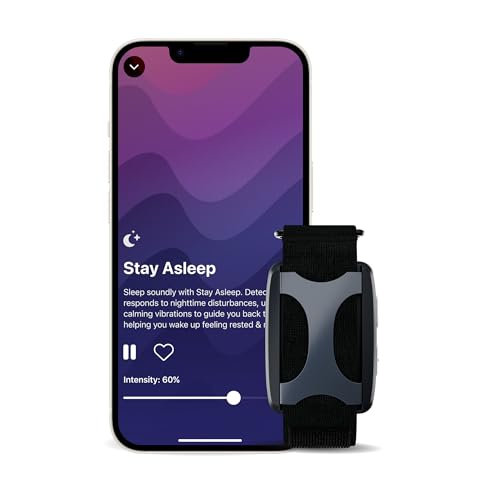
The Oura Ring and Whoop are the most accurate consumer options for sleep stages and HRV; a smartwatch (Apple Watch, Garmin) works too if you'd rather not wear a ring. Prioritize validated HRV and sleep-stage tracking over step counts, check whether it needs a subscription (Whoop does), and pick something comfortable enough to wear every night.

What Makes a Good Magnesium Supplement
Form matters more than dose: magnesium glycinate and citrate absorb well and are gentle on the stomach, while cheap magnesium oxide is poorly absorbed. A typical supplemental dose is 200–400 mg of elemental magnesium (check the label — it's usually lower than the pill weight). Take it in the evening if you're using it for sleep, and pick a third-party-tested brand.


Frequently Asked Questions
Are burnout recovery retreats worth it?
It depends on what you compare them to. Small studies on brief retreat-style programs show short-term improvement in exhaustion, but benefits often fade within months without follow-up. No large trial has tested a full week-long retreat against a control group, so the evidence is more limited than marketing suggests. A structured, sustained recovery plan — with or without travel — has stronger research support.
What happens at a typical burnout recovery retreat?
Most programs combine structured downtime, individual or group therapy or coaching sessions, guided time in nature, and a digital detox with limited phone or email access. The exact mix and the credentials of the staff running it vary widely between providers, so it's worth confirming both before booking.
How much does a burnout retreat cost?
Cost varies enormously by length and location. A local day retreat costs far less than a week-long international program with flights, lodging, and licensed staff. Pricing changes often and differs by provider, so ask directly what's included — meals, sessions, transport, and aftercare — before comparing options.
Can you recover from burnout without going on a retreat?
Yes. Research on psychological detachment from work — mentally disengaging, not just physically leaving — links it to lower exhaustion months later, without requiring travel. Local therapy, protected time off negotiated with an employer, regular time in nature, and firm work-hour boundaries address the same mechanisms a retreat targets, usually at lower cost.
How long should a burnout retreat be to make a difference?
Research suggests duration and follow-through matter more than any specific number of days. A single short session, such as a three-hour guided nature walk studied in a controlled trial, did not measurably reduce burnout scores. Longer, structured programs that include follow-up support show more durable results than one-off events.
Topic updates
Get the weekly recovery roundup
Sleep, HRV, fatigue, burnout, cortisol rhythm, sleep apnea, overtraining, and stress physiology.
Want your energy handled by a physician who works from your labs? See how Opt Health does it →
Check Where You Stand
Take our free health assessment to understand your metabolic, hormonal, and recovery risk factors — and get personalized recommendations.
Take the Free Assessment →Free · Takes 5 minutes · Instant results
Related Guides
-
Burnout Recovery: Signs, Stages, and How to Bounce Back
Burnout signs, stages, and evidence-based recovery strategies.
-
Sleep & Recovery Guide
The sleep and recovery program — fatigue, HRV, and stress-recovery curriculum.
Affiliate disclosure: The Metabolic Journal is reader-supported. Some links above are affiliate or referral links and we may earn a commission at no extra cost to you. As an Amazon Associate we earn from qualifying purchases. Products are chosen on the merits; commissions never influence what we recommend. This is general information, not medical advice — talk to your clinician before acting.