Autistic & ADHD Burnout Recovery: A Neurodivergent Guide
Medically reviewed by Medical Advisory Board Last reviewed 2026-07-15
Why autistic and ADHD burnout differ from occupational burnout, and what a neurodivergent-affirming recovery approach looks like
Autistic and ADHD burnout are distinct from occupational burnout. They come from chronic masking, sensory overload, and executive-function depletion rather than workload alone. Recovery centers on reducing masking, accommodating sensory needs, and structured downtime rather than the standard advice for workplace burnout.
This article is for informational purposes only and is not medical advice. If you suspect burnout in yourself or a child, talk to a clinician familiar with neurodivergent presentations before making major changes.
Autistic burnout and ADHD burnout are real, researched phenomena, and they're not the same as occupational burnout. They have different causes and respond to different recovery strategies. For the workplace-stress version of burnout, see our burnout recovery guide. This page is its neurodivergent-specific companion.
Partner · Opt Health
Tired of being told your labs are “normal”?
Opt Health's energy workup goes past the standard panel — thyroid antibodies, free T3, ferritin, B12, testosterone, cortisol, inflammation — and a physician walks you through what's actually driving the fatigue.
See Opt Health's energy program →What Makes Autistic and ADHD Burnout Different
Autistic burnout is a distinct syndrome, not a milder version of workplace burnout. Researcher Dora Raymaker and colleagues formally defined it in a 2020 study published in Autism in Adulthood, describing it as chronic exhaustion, loss of previously held skills, and reduced tolerance to sensory input, arising from chronic life stress and a mismatch between what a person is expected to do and the support they actually have.
A major driver is masking — suppressing or hiding autistic traits to appear neurotypical. Psychologist and author Devon Price describes masking as a constant, effortful performance that drains energy long before a person consciously feels tired. Autism researchers have studied this same behavior as "camouflaging," made up of masking traits, compensating for social difficulty, and assimilating into neurotypical spaces — a framework detailed in a systematic review of camouflaging research. Held up for years, this constant self-monitoring is exhausting in a way ordinary tiredness isn't.
Sensory overload adds another layer most workplace-burnout advice never addresses. Bright lights, background noise, crowded rooms, and unpredictable schedules cost real cognitive energy for many autistic and ADHD people, even on an easy day. For ADHD specifically, burnout often follows depleted executive function — the mental system that manages planning, task-switching, and impulse control. When it runs dry, tasks that used to be manageable suddenly feel impossible.
Signs of Autistic and ADHD Burnout
Chronic exhaustion that rest doesn't fix is the hallmark sign. Unlike ordinary tiredness, this fatigue persists after a full night's sleep or a weekend off.
Skill regression often follows. Someone may lose verbal fluency, struggle with self-care tasks they normally handle easily, or find routine decisions suddenly overwhelming.
Increased sensory sensitivity is common too. Sounds, lights, or textures that were tolerable before start to feel unbearable, and meltdowns or shutdowns become more frequent and harder to prevent.
ADHD burnout adds its own pattern. Coping strategies that used to work suddenly stop, task paralysis and time blindness worsen, and starting even small tasks feels disproportionately hard. Many people with both diagnoses (sometimes called AuDHD) describe a confusing push-pull between ADHD-driven urgency and an autistic need to withdraw and rest.
How Recovery Differs From Standard Burnout Advice
Standard burnout advice — take a vacation, delegate tasks, set firmer work boundaries — misses the core drivers of neurodivergent burnout. Recovery here needs a different starting point.
Reducing masking is often the first priority. That means spending time in spaces and relationships where stimming, blunt communication, or unconventional routines don't need to be hidden or explained.
Sensory accommodation matters just as much. Lowering environmental demands — noise-canceling headphones, dimmer lighting, fewer unplanned changes to a day's schedule — reduces the constant background cost that sensory processing otherwise takes.
Structured downtime, not unstructured rest, tends to help more. Time built around special interests, predictable routines, and self-directed activity restores energy in a way generic relaxation advice often doesn't. Pushing back into busy, neurotypical-paced environments too soon — even well-meaning social plans or structured 'self-care' activities — can extend recovery rather than shorten it. Recovery timelines for neurodivergent burnout are also frequently longer than for occupational burnout, and rushing the process tends to backfire.
Autistic Burnout in Children
Autistic burnout can look like a behavior problem in children when it is actually exhaustion. Increased meltdowns, slipping schoolwork, or new sensory sensitivities are frequently early signs, not defiance.
Skill loss is a particularly important marker to watch for. A child who was toilet-trained, verbal, or managing self-care independently may suddenly lose ground in one or more of these areas during a burnout period, according to research summarized in a peer-reviewed clinical review on autistic burnout in children. School avoidance, physical complaints like headaches or stomachaches, and withdrawal from usual interests can also appear.
This section is informational only. Diagnosing burnout versus depression, anxiety, or a different underlying issue in a child requires a clinician experienced in neurodivergent presentations — a developmental pediatrician or autism specialist is the right first call, not general advice on the internet.
Finding the Right Kind of Support
A neurodivergent-affirming clinician makes a meaningful difference in recovery. Look for a therapist or occupational therapist with specific experience in autism, ADHD, or sensory processing, rather than general stress-management training alone.
OCD burnout deserves a separate note. OCD can co-occur with autism or ADHD, and the exhaustion of managing intrusive thoughts and compulsions can feel similar to neurodivergent burnout on the surface. But it typically responds best to OCD-specific treatment, such as exposure and response prevention (ERP) with a clinician trained in that method, rather than the masking- and sensory-focused approach described above. If OCD symptoms are the main driver of your exhaustion, an OCD specialist is the more direct path.
Recovery is rarely instant. Building a support plan around your specific profile — autistic, ADHD, AuDHD, or OCD-related — tends to work better than a one-size-fits-all burnout protocol borrowed from workplace-stress advice.
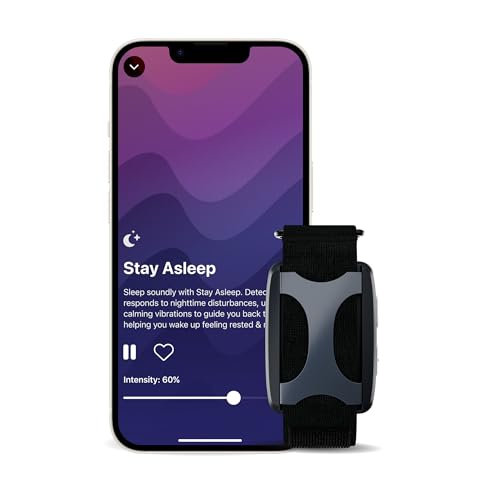
What to Look For in a Sleep & Recovery Tracker
The Oura Ring and Whoop are the most accurate consumer options for sleep stages and HRV; a smartwatch (Apple Watch, Garmin) works too if you'd rather not wear a ring. Prioritize validated HRV and sleep-stage tracking over step counts, check whether it needs a subscription (Whoop does), and pick something comfortable enough to wear every night.

What Makes a Good Magnesium Supplement
Form matters more than dose: magnesium glycinate and citrate absorb well and are gentle on the stomach, while cheap magnesium oxide is poorly absorbed. A typical supplemental dose is 200–400 mg of elemental magnesium (check the label — it's usually lower than the pill weight). Take it in the evening if you're using it for sleep, and pick a third-party-tested brand.


Frequently Asked Questions
How is autistic burnout different from regular burnout?
Occupational burnout, as classified by the World Health Organization in ICD-11, comes from chronic, unmanaged workplace stress. Autistic burnout comes from chronic masking, sensory overload, and a mismatch between demands and support, as defined in Dora Raymaker's 2020 research. It can happen without a stressful job at all, and it often includes skill loss and heightened sensory sensitivity that standard burnout doesn't.
What does ADHD burnout recovery look like?
ADHD burnout recovery starts with lowering demands enough for executive function to rebuild, rather than pushing through with more willpower or productivity systems. Structured, predictable routines, reduced decision load, and time for special interests tend to help more than generic rest advice. Recovery is often slower than expected, and coping strategies that worked before burnout may need to be rebuilt from scratch.
What are the signs of autistic burnout in children?
Common signs include more frequent or intense meltdowns and shutdowns, loss of previously mastered skills like speech or toileting, new or heightened sensory sensitivities, school avoidance, and physical complaints such as headaches or stomachaches. Because these can look like behavioral issues or depression, a developmental pediatrician or autism specialist should evaluate a child showing these signs rather than relying on general information alone.
Is autistic burnout recovery different from OCD burnout recovery?
Yes. Autistic and ADHD burnout recovery focuses on reducing masking and sensory load. OCD-related exhaustion usually responds better to OCD-specific treatment, particularly exposure and response prevention (ERP) with a trained clinician. OCD can co-occur with autism or ADHD, so a clinician who understands both can help sort out which approach fits your specific situation.
How long does neurodivergent burnout recovery take?
There is no fixed timeline, and recovery is frequently reported to take longer than occupational burnout recovery — weeks for milder episodes, months or longer for severe or repeated burnout. Pushing back into demanding, neurotypical-paced environments before you're ready tends to extend recovery rather than shorten it, so pacing matters more than speed.
Topic updates
Get the weekly recovery roundup
Sleep, HRV, fatigue, burnout, cortisol rhythm, sleep apnea, overtraining, and stress physiology.
Want your energy handled by a physician who works from your labs? See how Opt Health does it →
Check Where You Stand
Take our free health assessment to understand your metabolic, hormonal, and recovery risk factors — and get personalized recommendations.
Take the Free Assessment →Free · Takes 5 minutes · Instant results
Related Guides
-
What Is Insulin Resistance? Causes, Symptoms & How to Reverse It
What insulin resistance is, how to test for it, and how to reverse it.
-
Hyperinsulinemia
Chronically high insulin: symptoms, causes, how it differs from insulin resistance, and how to reverse it.
-
Metabolic Syndrome — Diagnosis, Risks, and Treatment
The five diagnostic criteria and what they mean for your health.
See more related guides
-
Metabolic Syndrome vs Insulin Resistance — How the Two Terms Differ
Metabolic syndrome vs insulin resistance: the mechanism-vs-diagnosis distinction, and where PCOS overlaps.
-
Insulin Resistance Symptoms: 12 Warning Signs
12 clinical warning signs, from acanthosis nigricans to post-meal fatigue.
-
Blood Sugar Crash: Why It Happens and How to Stop It
Reactive hypoglycemia: causes, symptoms, and how to stabilize glucose.
-
Glucose Spikes After Eating: Causes and What to Do
Why blood sugar spikes after eating and what to do about it.
-
Fatigue After Eating: Why Food Makes You Tired
Post-meal fatigue explained — insulin, glucose, and the gut-brain axis.
Affiliate disclosure: The Metabolic Journal is reader-supported. Some links above are affiliate or referral links and we may earn a commission at no extra cost to you. As an Amazon Associate we earn from qualifying purchases. Products are chosen on the merits; commissions never influence what we recommend. This is general information, not medical advice — talk to your clinician before acting.