Insulin Resistance vs Insulin Sensitivity vs Diabetes
Medically reviewed by Medical Advisory Board Last reviewed 2026-07-01
How insulin resistance, insulin sensitivity, insulin deficiency, prediabetes, Type 2 diabetes, and metabolic syndrome relate to and differ from each other.
Insulin resistance, sensitivity, deficiency, prediabetes, Type 2 diabetes, and metabolic syndrome are related but distinct. Here is how each is defined.
This article is for informational purposes only and is not medical advice. Consult a physician for medical guidance.
Insulin resistance and insulin sensitivity describe the two ends of the same spectrum — how effectively your cells respond to insulin — while insulin deficiency, prediabetes, Type 2 diabetes, and metabolic syndrome are related but distinct clinical states that can overlap with insulin resistance without being identical to it. These six terms get used interchangeably in casual conversation, which causes real confusion when someone is trying to understand their own labs or a diagnosis.
Partner · Opt Health
Want insulin resistance treated, not just named?
Opt Health tests fasting insulin and HOMA-IR — the markers most panels skip — and treats the resistance itself with a physician-built plan rather than waiting for glucose to drift into the diabetic range.
Read Opt Health on insulin resistance →This page compares all six terms side by side in a single differential-style view, showing where each sits mechanistically, how each is diagnosed, and how they relate to one another. For a deeper dive into any single term, see our insulin resistance overview, metabolic syndrome overview, and guide to insulin resistance testing.
All Six Terms Compared at a Glance
| Term | Core mechanism | Typical diagnostic markers | Reversible? |
|---|---|---|---|
| Insulin sensitivity | Cells respond efficiently to insulin; low insulin needed to manage glucose | Low fasting insulin, HOMA-IR generally below ~1.0 | N/A — this is the healthy baseline state |
| Insulin resistance | Cells respond poorly to insulin; pancreas compensates with more insulin | Elevated fasting insulin, HOMA-IR generally 2.0+, often normal glucose | Often, with sustained lifestyle change |
| Insulin deficiency (Type 1 diabetes) | Autoimmune destruction of pancreatic beta cells; little or no insulin produced | Positive autoantibodies (GAD65, IA-2, others), low/absent C-peptide, high glucose | No — requires lifelong insulin therapy |
| Prediabetes | Insulin resistance has progressed enough that glucose control starts to slip | A1C 5.7–6.4%, fasting glucose 100–125 mg/dL | Often, with sustained lifestyle change |
| Type 2 diabetes | Longstanding insulin resistance plus declining beta-cell output | A1C 6.5%+, fasting glucose 126 mg/dL+ | Sometimes put into remission; rarely fully "cured" |
| Metabolic syndrome | A cluster of insulin-resistance-linked cardiovascular risk factors | 3+ of: high waist circumference, high triglycerides, low HDL, high blood pressure, high fasting glucose | Often, with sustained lifestyle change |
Diagnostic thresholds above are commonly cited general benchmarks (consistent with ADA and NCEP/ATP III-style criteria); exact cutoffs can vary slightly by professional body and lab.
Insulin Resistance vs Insulin Sensitivity: Two Ends of One Spectrum
Insulin sensitivity and insulin resistance are not two different conditions — they are opposite descriptions of the same underlying trait: how much insulin your body needs to move glucose out of the bloodstream and into cells. A highly insulin-sensitive person needs relatively little insulin to keep blood sugar in range. As cells become resistant to insulin's signal — often driven by excess visceral fat, chronic inflammation, physical inactivity, or genetic predisposition — the pancreas compensates by secreting more insulin to achieve the same glucose-lowering effect. This is why fasting insulin can rise years before fasting glucose does, and why fasting insulin and HOMA-IR are more sensitive early markers than glucose alone. See our visceral fat guide for more on one of the strongest drivers of this shift.
Insulin Resistance vs Insulin Deficiency (Type 1 Diabetes)
This is the most important distinction to get right, because the two conditions are mechanistically almost opposite and are treated very differently. Insulin resistance is a problem of insulin action — the pancreas may be producing normal or even elevated insulin, but cells don't respond to it efficiently. Type 1 diabetes is a problem of insulin production — the immune system destroys the pancreas's insulin-producing beta cells, so little or no insulin is made at all, regardless of how sensitive the body's cells would otherwise be.
Clinically, this is why Type 1 diabetes is diagnosed with autoantibody testing and C-peptide (a marker of the body's own insulin production) rather than HOMA-IR, and why it requires lifelong exogenous insulin from diagnosis onward — insulin-sensitizing lifestyle changes alone cannot substitute for insulin the body isn't making. Some people with longstanding Type 1 diabetes can also develop insulin resistance on top of their insulin deficiency (sometimes called "double diabetes"), but the two remain distinct mechanisms layered together rather than the same condition.
Insulin Resistance vs Prediabetes vs Type 2 Diabetes: A Progression, Not Separate Diseases
These three are best understood as points along a single continuum rather than separate conditions. Insulin resistance typically comes first and can exist for years — sometimes over a decade — with completely normal blood glucose, because a healthy pancreas compensates by producing extra insulin. Prediabetes marks the point where that compensation starts to fail and glucose begins drifting upward (A1C 5.7–6.4%). Type 2 diabetes is diagnosed once glucose crosses a higher threshold (A1C 6.5% or above), reflecting a combination of longstanding insulin resistance and a meaningful decline in the pancreas's remaining insulin-producing capacity.
Because this is a progression, the earlier the intervention, the more reversible the state tends to be — insulin resistance and prediabetes are often improved or normalized with sustained diet, exercise, weight, and sleep changes, while Type 2 diabetes can sometimes be put into remission but usually requires more sustained and sometimes medical intervention. For a detailed breakdown of the prediabetes-specific criteria and next steps, see our insulin resistance vs prediabetes guide.
Insulin Resistance vs Metabolic Syndrome
Metabolic syndrome is not a single measurement but a cluster diagnosis: a person is generally considered to have it when they meet at least three of five criteria — elevated waist circumference, elevated triglycerides, low HDL cholesterol, elevated blood pressure, and elevated fasting glucose. Insulin resistance is widely considered the common thread that ties these five criteria together, but you can technically have insulin resistance without yet meeting the full metabolic syndrome definition, and rarely, someone can meet metabolic syndrome criteria for other reasons without significant insulin resistance being the driver.
In practice, the two are closely linked and often discussed together, since treating the shared underlying driver — commonly excess visceral fat and sedentary behavior — tends to improve all five metabolic syndrome components together. See our full metabolic syndrome overview for the complete diagnostic criteria and associated risks.
Why the Distinction Matters for Testing and Treatment
Getting these terms right changes what gets tested and how a result should be acted on. If autoantibody or C-peptide testing suggests insulin deficiency, the path is insulin therapy, not a diet-first approach. If fasting insulin and HOMA-IR suggest insulin resistance with normal glucose, the opportunity is early intervention — diet, exercise, sleep, and sometimes medication — before progression to prediabetes or Type 2 diabetes. If glucose has already crossed into the prediabetes or diabetes range, monitoring and treatment intensify accordingly. Our insulin resistance testing guide walks through which labs distinguish these states in practice.
Moving From Insulin Resistance Toward Insulin Sensitivity: Where to Go Next
Because insulin sensitivity and insulin resistance are opposite ends of one spectrum rather than separate conditions, "improving insulin sensitivity" and "reversing insulin resistance" describe the same goal from two directions — the interventions are identical. This page focuses on telling the six terms apart; for the action plan itself, our how to reverse insulin resistance guide lays out the full evidence-based approach, and exercise for insulin resistance and the insulin resistance diet guide break down two of its biggest levers in more depth. If you want to see where your own fasting labs land before starting, our insulin resistance (HOMA-IR) calculator estimates your score from a standard fasting glucose and insulin result.
How to test metabolic markers at home
You don't need a lab appointment to check your own metabolic markers — a few at-home kits mail you a collection kit and return physician-reviewed results online within days:
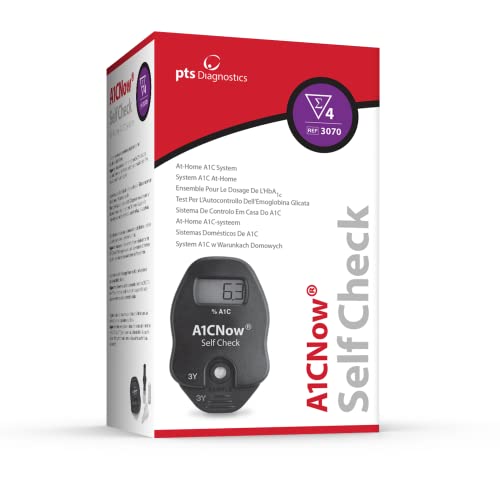
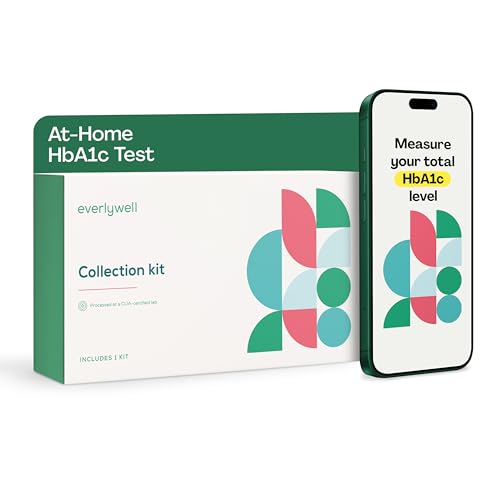
Prefer to order direct? The Everlywell HbA1c Test uses a CLIA-certified lab, physician-reviewed results, and prepaid return shipping.
What to Look For in a Continuous Glucose Monitor (CGM)
Over-the-counter CGMs like Dexcom Stelo and Abbott Lingo now sell without a prescription. Check the wear time (14–15 days per sensor), whether it reads to your phone or needs a separate device, and the monthly cost. For seeing how your own body responds to meals, a month or two is usually enough — you don't need to wear one forever.


What Makes a Good Fiber Supplement
For blood-sugar and cholesterol support you want SOLUBLE fiber — psyllium husk is the best studied. Start with one teaspoon and build up with plenty of water to avoid bloating, and take it 10–15 minutes before carb-heavy meals. Choose an unsweetened, additive-free powder or capsule.


Frequently Asked Questions
Is insulin resistance the same as prediabetes?
No, though they are closely related and often occur together. Insulin resistance describes reduced cellular response to insulin and can exist for years with completely normal blood glucose. Prediabetes is a specific diagnosis (A1C 5.7–6.4% or fasting glucose 100–125 mg/dL) that marks the point where insulin resistance has progressed enough to start raising glucose levels. Most people with prediabetes have underlying insulin resistance, but not everyone with insulin resistance has yet progressed to prediabetes.
Can you have insulin resistance and Type 1 diabetes at the same time?
Yes. This is sometimes called "double diabetes." A person with Type 1 diabetes has an autoimmune insulin deficiency from birth or early onset, but can separately develop insulin resistance over time — often related to weight gain, inactivity, or the insulin therapy itself — layering a resistance problem on top of the original deficiency.
Which is worse: insulin resistance or metabolic syndrome?
They are not directly comparable in that way, since metabolic syndrome is essentially a cluster of conditions that insulin resistance is thought to drive. Metabolic syndrome, by definition, includes measurable cardiovascular risk factors like high blood pressure and abnormal cholesterol, so a metabolic syndrome diagnosis generally reflects a more advanced or broader risk picture than insulin resistance alone, though the two overlap heavily and share the same underlying drivers.
How do doctors tell insulin resistance apart from Type 1 diabetes?
The key tests are autoantibodies (such as GAD65 and IA-2) and C-peptide, which reflects how much insulin the pancreas is still producing. Type 1 diabetes typically shows positive autoantibodies and low or absent C-peptide with high glucose, while insulin resistance typically shows negative autoantibodies, normal or high C-peptide and fasting insulin, and often still-normal glucose. HOMA-IR is used for insulin resistance, not for diagnosing Type 1 diabetes.
Can insulin resistance be reversed once it becomes Type 2 diabetes?
Type 2 diabetes can sometimes be put into remission — meaning A1C returns to a non-diabetic range without medication — particularly with significant weight loss achieved early after diagnosis, but this is not guaranteed and depends on how long diabetes has been present and how much beta-cell function remains. Earlier-stage insulin resistance and prediabetes are generally more reliably reversible with sustained lifestyle change. See our guide to reversing insulin resistance for the evidence-based approach.
Is insulin resistance the same as insulin sensitivity, or the opposite?
They're the opposite ends of the same spectrum, not the same thing and not two different conditions. Insulin sensitivity describes cells responding efficiently to insulin, so the body needs relatively little of it to manage blood sugar. Insulin resistance describes the reverse — cells responding poorly, so the pancreas has to secrete more insulin to get the same effect. Being "more insulin sensitive" and "less insulin resistant" describe the same underlying shift, just from opposite directions, which is why the interventions that improve one automatically improve the other.
Topic updates
Get the weekly metabolic health roundup
Insulin resistance, blood sugar, visceral fat, GLP-1 plateaus, metabolic syndrome, and weight-loss physiology.
Want insulin resistance handled by a physician who works from your labs? See how Opt Health does it →
Check Where You Stand
Take our free health assessment to understand your metabolic, hormonal, and recovery risk factors — and get personalized recommendations.
Take the Free Assessment →Free · Takes 5 minutes · Instant results
Related Comparisons
-
What Is Insulin Resistance? Causes, Symptoms & How to Reverse It
What insulin resistance is, how to test for it, and how to reverse it.
-
Metabolic Syndrome vs Insulin Resistance — How the Two Terms Differ
Metabolic syndrome vs insulin resistance: the mechanism-vs-diagnosis distinction, and where PCOS overlaps.
-
Insulin Resistance Symptoms: 12 Warning Signs
12 clinical warning signs, from acanthosis nigricans to post-meal fatigue.
See more related comparisons
-
How to Reverse Insulin Resistance Naturally
Evidence-based dietary and lifestyle interventions (3-16 week timeline).
-
How to Test for Insulin Resistance: Labs That Matter
Fasting insulin, HOMA-IR, and triglyceride-to-HDL ratio explained.
-
Insulin Resistance Diet: What to Eat, Foods to Avoid, and a 7-Day Meal Plan
What to eat, foods to avoid, and a 7-day meal plan for insulin resistance.
-
Insulin Resistance Supplements: Evidence-based Rankings for Berberine, Magnesium, and Inositol
Evidence-based rankings: berberine, magnesium, inositol, ALA, and chromium.
-
Insulin Resistance vs Prediabetes: Key Differences and the Progression Timeline
Continuum diagram, diagnostic thresholds, and the reversal window.
Affiliate disclosure: The Metabolic Journal is reader-supported. Some links above are affiliate or referral links and we may earn a commission at no extra cost to you. As an Amazon Associate we earn from qualifying purchases. Products are chosen on the merits; commissions never influence what we recommend. This is general information, not medical advice — talk to your clinician before acting.