Fatigue Before Period: Why You're So Tired & What Helps
Medically reviewed by Medical Advisory Board Last reviewed 2026-05-13
Hormonal causes of premenstrual fatigue and how to tell when it’s a problem
Feeling exhausted in the week before your period is one of the most common PMS symptoms — and one with clear hormonal explanations. Progesterone’s sedative effect, a drop in estrogen and serotonin, blood sugar instability, and poor sleep all converge in the luteal phase to drain your energy. Here’s what’s happening and what actually helps.
Fatigue before your period, the bone-deep tiredness that sets in during the days before menstruation, is not in your head, and it is not a character flaw. It is a physiological consequence of the hormonal shifts that define the second half of your menstrual cycle, known as the luteal phase. During the roughly 14 days between ovulation and your period, progesterone rises, estrogen fluctuates and then drops, serotonin dips, body temperature elevates, and insulin sensitivity changes. For the majority of women, the result is a predictable period of low energy that peaks five to seven days before bleeding begins.
Studies estimate that 80 to 90% of women experience at least one PMS symptom during a given cycle, and fatigue is among the most commonly reported. For most, the tiredness is manageable, a normal biological rhythm. For others, it becomes debilitating exhaustion that disrupts work, relationships, and daily function. Understanding which category you fall into, and why, is the first step toward doing something about it.
Partner · Opt Health
Want a clinician who takes perimenopause seriously?
Opt Health's women's program runs full hormone and thyroid panels and treats the symptoms most primary-care visits wave off — sleep, mood, energy, cycle changes, libido — with physicians trained in hormone medicine.
See Opt Health's women's program →This page explains the five main hormonal and physiological drivers of pre-period fatigue, how to tell normal luteal fatigue apart from PMDD or perimenopause, and which evidence-backed dietary, lifestyle, and medical strategies provide genuine relief. If your fatigue is getting worse from one cycle to the next or is severe enough to disrupt your life, a targeted hormone panel can identify the specific mechanisms behind your symptoms.
The Hormonal Causes of Fatigue Before Your Period
Luteal phase fatigue does not have a single cause — it is the product of several overlapping hormonal and metabolic changes that occur simultaneously in the two weeks after ovulation.
1. Progesterone’s Sedative Effect
After ovulation, progesterone rises sharply to prepare the uterine lining for potential implantation. Progesterone is metabolized into allopregnanolone, a potent neurosteroid that acts on GABA-A receptors in the brain — the same receptors targeted by benzodiazepines and sedative-hypnotics. This interaction is sedating by design: it promotes calm and rest to support early pregnancy.
Research confirms allopregnanolone levels track progesterone, rising from roughly 0.2–0.5 nmol/L in the follicular phase to up to 4 nmol/L at the peak of the luteal phase. The result is a measurable increase in drowsiness and fatigue. As progesterone drops sharply in the days before your period, the withdrawal of this GABA modulation can paradoxically worsen sleep quality — leaving you tired from poor rest even as the sedation lifts.
2. Estrogen and Serotonin Drop
Estrogen is a key driver of serotonin production and receptor sensitivity. As estrogen dips in the late luteal phase, serotonin levels fall with it. Serotonin regulates mood, sleep timing, and energy — and its decline is directly linked to the fatigue, mood changes, and sleep disruption that characterize PMS. SSRIs (selective serotonin reuptake inhibitors) are among the most clinically validated treatments for PMDD, providing direct evidence for the serotonin hypothesis.
Falling estrogen also triggers a cascade through the hypothalamus: reduced norepinephrine, acetylcholine, and dopamine — each of which contributes to motivation, alertness, and energy. For women sensitive to these hormonal shifts, the late-luteal window can feel like a neurochemical low.
3. Blood Sugar Instability
The luteal phase is associated with a mild, physiological increase in insulin resistance. This means your cells are temporarily less efficient at pulling glucose from the bloodstream for energy — the same mechanism that drives fatigue in full insulin resistance, but on a cyclical, smaller scale. Blood sugar swings become more pronounced, and carbohydrate cravings increase as the body compensates. Eating refined carbs in response to these cravings can create a cycle of spikes and crashes that amplifies fatigue. See our guide on hormonal imbalance for how this intersects with broader metabolic dysfunction.
4. Sleep Disruption From Temperature and Mood Changes
Progesterone raises basal body temperature by 0.3–0.5°C after ovulation. While this temperature shift is the basis of fertility tracking, it also impairs sleep: the body normally needs to cool down to initiate and maintain deep sleep. Studies show women in the luteal phase have reduced slow-wave (restorative) sleep and more frequent nighttime awakenings. If you also experience night sweats or breast tenderness that disrupts positioning, sleep fragmentation compounds. The result is fatigue that does not resolve with what appears on paper to be adequate rest.
5. Iron Loss From Heavy Periods
This mechanism applies particularly during and just after menstruation, but it compounds the pre-period fatigue picture for women with heavy flow. Losing more than roughly 80 mL of blood per cycle can drain iron stores faster than diet replaces them. Iron deficiency — even without frank anemia — impairs oxygen delivery to tissues and reduces mitochondrial energy production, causing persistent fatigue, headaches, and reduced exercise tolerance. A ferritin level below 50 ng/mL can produce significant fatigue even when hemoglobin is technically normal. Heavy periods affect nearly one-third of pre-menopausal women and are the leading cause of iron deficiency anemia in this group. Check your iron biomarkers if your fatigue persists beyond the premenstrual window.
How Long Does Pre-Period Fatigue Last?
Pre-period fatigue typically begins 5–10 days before menstruation, coinciding with peak progesterone levels and the subsequent hormonal decline. Fatigue tends to be most intense in the 5–7 days immediately before bleeding starts — sometimes called the late luteal phase.
Once menstruation begins and hormone levels reset, most women notice a significant improvement in energy within the first 1–3 days of their period. For some, energy does not fully recover until the follicular phase is underway and estrogen begins to rise again — typically by days 5–7 of the new cycle.
If your fatigue lasts more than 10–14 days per cycle, or if it does not resolve with the onset of menstruation, this pattern suggests a cause beyond the normal luteal phase shift — such as iron deficiency, thyroid dysfunction, PMDD, or the hormonal irregularity of perimenopause. Review our persistent fatigue guide or chronic fatigue resource if fatigue extends well beyond the premenstrual window.
Normal PMS Fatigue vs. PMDD vs. Perimenopause
Not all pre-period fatigue is the same. Understanding which pattern you fit into determines both the urgency of evaluation and the most effective interventions.
| Feature | Normal PMS Fatigue | PMDD | Perimenopause Fatigue |
|---|---|---|---|
| Severity | Mild to moderate; manageable | Severe; often debilitating | Variable; often described as bone-deep |
| Timing | 5–10 days before period; resolves at onset | Week before period; resolves 2–3 days after onset | Not cycle-restricted; occurs unpredictably |
| Effect on function | Noticeable but does not stop daily life | Significantly disrupts work, relationships, and routine | Can persist throughout cycle; unpredictable |
| Mood component | Mild irritability, low mood | Intense mood swings, depression, anxiety, hopelessness | Mood changes plus hot flashes, irregular periods |
| Hormone levels | Normal cycling hormones | Normal hormone levels; heightened brain sensitivity | Declining or irregular estrogen and progesterone |
| Treatment | Lifestyle; targeted supplements | SSRIs, hormonal contraception, CBT; medical management | HRT, thyroid evaluation, iron, sleep optimization |
PMDD: When Pre-Period Fatigue Is a Disorder
Premenstrual dysphoric disorder (PMDD) is a clinically recognized condition affecting an estimated 3–8% of women. DSM-5 criteria require at least 5 symptoms (including at least one mood symptom) in the week before menstruation, resolving within days of onset, that cause marked functional impairment in two or more consecutive cycles. Extreme fatigue is a recognized PMDD symptom alongside severe mood symptoms.
The mechanism in PMDD is not abnormal hormone levels — it is abnormal brain sensitivity to normal hormonal fluctuations. Research shows women with PMDD have dysregulated GABA-A receptor sensitivity to allopregnanolone, which means the same luteal-phase neurosteroid changes that cause mild sedation in most women trigger significant mood and energy dysregulation in susceptible individuals.
If you suspect PMDD, track your symptoms against your cycle for at least two months before a medical appointment. Apps that map symptoms to cycle days can make the pattern visible and provide objective data for your doctor.
Perimenopause: When PMS Symptoms Shift and Intensify
Many women in their late 30s and 40s notice their pre-period fatigue becoming more severe, more unpredictable, or no longer restricted to the luteal phase. This is a hallmark of the perimenopause transition, during which ovarian hormone production becomes irregular. Progesterone often drops first, disrupting sleep; estrogen fluctuates unpredictably rather than following a clean cycle; and the thyroid and adrenal systems are affected by these shifts. The result is fatigue that does not follow the tidy pattern of classic PMS. See our full resource on perimenopause fatigue for a detailed breakdown.
How to Manage Fatigue Before Your Period
The right interventions depend on the severity of your fatigue and its specific drivers. Start with the lifestyle strategies that address the most common mechanisms, then layer in targeted approaches based on your pattern.
Stabilize Blood Sugar Through the Luteal Phase
Since luteal-phase insulin resistance makes glucose regulation less stable, dietary strategy is the highest-leverage daily intervention. Eat regular meals every 4–5 hours anchored in protein, healthy fats, and fiber. Minimize refined carbohydrates and added sugars during the 10 days before your period — this is when carb cravings peak and blood sugar is most reactive. Complex carbohydrates such as oats, sweet potatoes, and legumes provide slower glucose release. A handful of nuts or seeds between meals prevents the energy crashes that amplify fatigue. Magnesium-rich foods including leafy greens, pumpkin seeds, and dark chocolate support both glucose metabolism and sleep quality.
Prioritize Sleep Architecture, Not Just Duration
Because progesterone raises body temperature and disrupts deep sleep, optimizing the sleep environment matters more in the luteal phase than at other times of the month. Keep your bedroom at 65–68°F, use moisture-wicking bedding, and maintain a consistent sleep and wake time including weekends. Magnesium glycinate (300–400 mg at bedtime) modestly supports sleep quality. Avoid caffeine after noon in the pre-period week, as caffeine half-life is prolonged by elevated progesterone. Cortisol dysregulation can compound this pattern; our cortisol reduction guide covers the sleep-cortisol loop in detail.
Move Gently — But Consistently
High-intensity exercise in the late luteal phase can worsen fatigue for some women by elevating cortisol when the hormonal environment is already stressed. Low-to-moderate intensity movement — 20–30 minute walks, yoga, swimming — is consistently effective: it releases endorphins, improves insulin sensitivity, and supports serotonin without taxing the adrenal system. The goal is not performance; it is circulation, mood support, and energy regulation.
Support Iron Levels If You Have Heavy Periods
If your fatigue worsens during or after your period rather than only before it, iron depletion is a primary suspect. Request a ferritin level (not just a CBC) — a ferritin below 30–50 ng/mL warrants supplementation even with normal hemoglobin. Ferrous bisglycinate (25–50 mg every other day with vitamin C) is well-tolerated and reduces the GI side effects of standard iron supplements. Heavy periods affecting quality of life also warrant gynecological evaluation for underlying causes such as fibroids or adenomyosis. See our full guide on iron biomarkers.
Targeted Supplements With Evidence
- Magnesium glycinate (300–400 mg/day): Reduces PMS symptom severity including fatigue in several RCTs. Also supports sleep and glucose regulation.
- Vitamin B6 (50–100 mg/day in the luteal phase): Supports serotonin synthesis; evidence for reducing mood-related PMS symptoms with secondary benefit on energy.
- Calcium carbonate (1,200 mg/day): One of the best-studied PMS supplements; a large RCT showed significant reduction in overall PMS symptoms including fatigue.
- Chasteberry (Vitex agnus-castus): Modestly reduces PMS symptom scores in several European RCTs including fatigue; effects are mild and take 2–3 cycles to emerge.
When to See a Doctor
Seek medical evaluation if fatigue is severe enough to miss work or disrupt daily function for multiple days per cycle; if symptoms are worsening cycle to cycle; if you suspect PMDD; if fatigue extends well beyond the premenstrual window; or if you have heavy periods with fatigue that may indicate iron deficiency. A hormone panel covering estradiol, progesterone, FSH, thyroid markers, ferritin, and vitamin D provides the diagnostic foundation for a targeted treatment plan.
Pre-Period Fatigue vs. Pregnancy Fatigue: Key Differences
Because both progesterone and early pregnancy cause fatigue, the premenstrual week can be difficult to distinguish from early pregnancy — particularly since both occur before a missed period. The key differences:
| Feature | Pre-Period Fatigue | Early Pregnancy Fatigue |
|---|---|---|
| Intensity | Moderate; manageable with rest | Often described as extreme, bone-deep exhaustion |
| Timeline | Resolves within 1–3 days of period onset | Persists and often worsens through the first trimester |
| Other symptoms | Bloating, cramps, mood swings, breast tenderness | Nausea, heightened smell sensitivity, breast tenderness, no period |
| Resolution | Period arrives; energy rebounds | Does not resolve with onset of period (no period occurs) |
The only definitive way to distinguish the two is a home pregnancy test taken on or after the day of a missed period. Both conditions involve elevated progesterone — which is why fatigue is a shared symptom — but in pregnancy, hCG maintains progesterone production and fatigue persists. In a normal cycle, progesterone falls, menstruation begins, and energy recovers.
What to Look For in a Sleep & Recovery Tracker
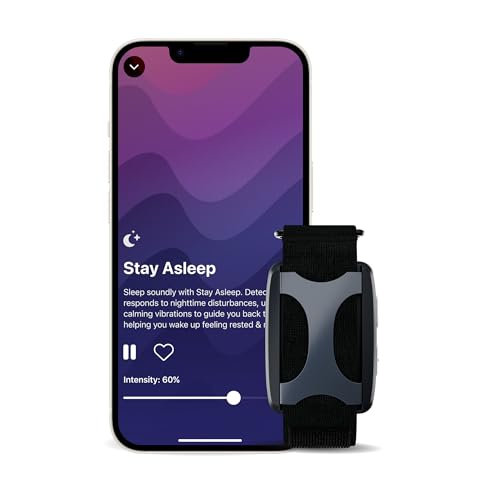
The Oura Ring and Whoop are the most accurate consumer options for sleep stages and HRV; a smartwatch (Apple Watch, Garmin) works too if you'd rather not wear a ring. Prioritize validated HRV and sleep-stage tracking over step counts, check whether it needs a subscription (Whoop does), and pick something comfortable enough to wear every night.

What Makes a Good Magnesium Supplement
Form matters more than dose: magnesium glycinate and citrate absorb well and are gentle on the stomach, while cheap magnesium oxide is poorly absorbed. A typical supplemental dose is 200–400 mg of elemental magnesium (check the label — it's usually lower than the pill weight). Take it in the evening if you're using it for sleep, and pick a third-party-tested brand.


Frequently Asked Questions
Why am I so tired before my period?
Pre-period fatigue is driven by several hormonal changes in the luteal phase: progesterone peaks and is metabolized into allopregnanolone, a sedating neurosteroid that acts on GABA receptors in the brain. Simultaneously, estrogen drops and pulls serotonin down with it — reducing energy and mood. Basal body temperature rises, disrupting deep sleep. Blood sugar regulation becomes less stable. All of these changes converge in the 5–10 days before your period to produce measurable fatigue. It is a physiological response to hormonal shifts, not a sign of illness.
Is extreme fatigue before your period normal?
Moderate fatigue before your period is normal and affects the majority of women. Extreme fatigue — severe enough to miss work, stay in bed, or significantly disrupt daily function — is not something to dismiss as normal PMS. It may indicate PMDD, iron deficiency from heavy periods, underlying thyroid dysfunction, or the beginning of perimenopause. If fatigue is debilitating or worsening each cycle, a hormone panel and iron assessment are warranted.
How long does fatigue before your period last?
For most women, pre-period fatigue starts 5–10 days before menstruation begins and peaks in the final 5–7 days of the luteal phase. Once your period starts, energy typically begins to recover within 1–3 days as hormone levels reset. If fatigue lasts more than 10–14 days of your cycle, or fails to resolve once menstruation begins, the cause likely goes beyond normal luteal phase hormonal shifts — consider iron deficiency, thyroid issues, or perimenopause.
What is the difference between PMS fatigue and PMDD fatigue?
PMS fatigue is mild to moderate — noticeable but manageable, and it does not prevent you from living your daily life. PMDD fatigue is severe and often debilitating, typically accompanied by intense mood symptoms including depression, hopelessness, anxiety, and rage. By DSM-5 criteria, PMDD requires 5 or more symptoms causing significant functional impairment in at least two consecutive cycles. The key difference is not in hormone levels (both groups have normal cycling hormones) but in how sensitively the brain responds to normal hormonal fluctuations — particularly the allopregnanolone-GABA pathway.
How is period fatigue different from pregnancy fatigue?
Both feel similar because both are driven by elevated progesterone. The key differences: pre-period fatigue is moderate and resolves within days of your period starting; pregnancy fatigue is often more extreme, persists through the first trimester, and accompanies other early pregnancy signs like nausea, heightened smell, and a missed period. If you are not sure, take a home pregnancy test on or after the day of your expected period. A positive test with ongoing fatigue confirms pregnancy; a negative test with fatigue that resolves when bleeding starts confirms the luteal phase pattern.
Topic updates
Get the weekly hormone optimization roundup
Testosterone, thyroid, cortisol, estrogen, menopause, perimenopause, libido, and hormone testing.
Want your hormones handled by a physician who works from your labs? See how Opt Health does it →
Check Where You Stand
Take our free health assessment to understand your metabolic, hormonal, and recovery risk factors — and get personalized recommendations.
Take the Free Assessment →Free · Takes 5 minutes · Instant results
Related Reading
-
Fatigue After Eating: Why Food Makes You Tired
Post-meal fatigue explained — insulin, glucose, and the gut-brain axis.
-
Fatigue After Eating Normal Blood Sugar
Tired after eating with normal blood sugar: the vagal, reactive-hypoglycemia, and meal-composition mechanisms.
-
Ozempic Fatigue
Ozempic and GLP-1 fatigue: the caloric-deficit, micronutrient, and sleep mechanisms, and when it resolves.
Affiliate disclosure: The Metabolic Journal is reader-supported. Some links above are affiliate or referral links and we may earn a commission at no extra cost to you. As an Amazon Associate we earn from qualifying purchases. Products are chosen on the merits; commissions never influence what we recommend. This is general information, not medical advice — talk to your clinician before acting.