Why Am I Tired All the Time? 10 Medical Causes of Constant Fatigue
Medically reviewed by Medical Advisory Board Last reviewed 2026-05-13
From iron deficiency to sleep apnea — the treatable reasons you're always exhausted
Constant fatigue is one of the most common reasons people visit a doctor, affecting an estimated 20% of adults. In most cases, the cause is identifiable and treatable through targeted lab testing — not just 'get more sleep.'
"Why am I so tired?" is the #1 health-related Google search in the US. If you feel fatigued all the time despite getting adequate sleep, something physiological is draining your energy, and standard bloodwork often misses it.
Most doctors order a CBC and basic metabolic panel. These tests catch anemia and kidney/liver issues, but they miss the 10 most common treatable causes of fatigue: subclinical thyroid dysfunction, low ferritin (without anemia), insulin resistance, cortisol dysregulation, vitamin D deficiency, sleep-disordered breathing, hormonal imbalance, magnesium deficiency, chronic inflammation, and B12 deficiency.
Partner · Opt Health
Tired of being told your labs are “normal”?
Opt Health's energy workup goes past the standard panel — thyroid antibodies, free T3, ferritin, B12, testosterone, cortisol, inflammation — and a physician walks you through what's actually driving the fatigue.
See Opt Health's energy program →10 Treatable Causes of Constant Fatigue
- Low ferritin (without anemia) — Ferritin below 50 ng/mL impairs energy even when hemoglobin is normal. Affects 30% of premenopausal women. Standard labs only flag ferritin below 12.
- Subclinical hypothyroidism — TSH between 2.5–4.5 mIU/L with low-normal free T3 causes fatigue, weight gain, and brain fog — but is often dismissed as 'normal.'
- Insulin resistance — Impaired cellular glucose uptake starves cells of energy despite adequate food intake. Fasting insulin (not glucose) catches it early.
- Vitamin D deficiency — Levels below 30 ng/mL affect an estimated 42% of US adults. Optimal for energy: 50–80 ng/mL.
- Sleep apnea — 80% of moderate-to-severe cases are undiagnosed. Fragments sleep architecture and reduces restorative sleep stages.
- Cortisol dysregulation — Flat cortisol curve from chronic stress impairs the natural morning energy surge.
- Low testosterone — Affects 20–40% of men over 45 and women in perimenopause. Directly impacts energy, mood, and motivation.
- Magnesium deficiency — Required for 300+ enzymatic reactions including ATP production. An estimated 50% of Americans are deficient.
- Chronic inflammation — Elevated hs-CRP (>1.0 mg/L) from diet, obesity, infection, or autoimmunity directly causes fatigue.
- B12 deficiency — Common in vegetarians, those over 50 (reduced absorption), and metformin users. Optimal >500 pg/mL, not just >200.
The Fatigue Workup: Tests to Request
| Test | What It Reveals | Optimal Range |
|---|---|---|
| Ferritin | Iron stores | 50–150 ng/mL |
| TSH + Free T3 + Free T4 | Thyroid function | TSH 0.5–2.0 mIU/L |
| Fasting insulin | Metabolic function | <7 μIU/mL |
| Vitamin D (25-OH) | Vitamin D status | 50–80 ng/mL |
| AM cortisol | Adrenal function | 10–18 μg/dL (8 AM) |
| Total + Free testosterone | Hormonal status | Age/sex appropriate |
| RBC Magnesium | Intracellular Mg | 5.0–6.5 mg/dL |
| hs-CRP | Inflammation | <1.0 mg/L |
| B12 | Neurological health | >500 pg/mL |
| CBC | Anemia, infection | Standard ranges |
Fatigue During Pregnancy and Postpartum
Fatigue in the first trimester is different from the causes above — it's driven mainly by a sharp rise in progesterone, which has a sedating effect on the brain, combined with the extra metabolic work of building a placenta and expanding blood volume. This early fatigue typically peaks around weeks 6–12 and eases somewhat in the second trimester, though it often returns in the third from disrupted sleep and physical discomfort.
Pregnancy also unmasks iron deficiency faster than almost any other life stage, since iron needs roughly double to support the growing blood supply — see our iron and ferritin guide for the pregnancy-specific ferritin thresholds your provider is likely screening for at each trimester. Postpartum, a different set of drivers takes over: blood loss at delivery can deplete iron stores further, sleep is fragmented by newborn care rather than a sleep disorder, and postpartum thyroiditis — a temporary thyroid inflammation affecting an estimated 5–8% of women in the year after birth — can cause a hyperthyroid phase followed by a hypothyroid phase, either of which can look like unrelenting exhaustion.
Fatigue that feels different from ordinary tiredness — combined with persistent low mood, anxiety, or difficulty bonding with your baby — should also prompt a postpartum depression screening; this is common, treatable, and distinct from the physical causes above. If you're in the hormonal transition of perimenopause rather than pregnancy or postpartum, our perimenopause fatigue guide covers that pattern specifically.
What to Look For in a Sleep & Recovery Tracker
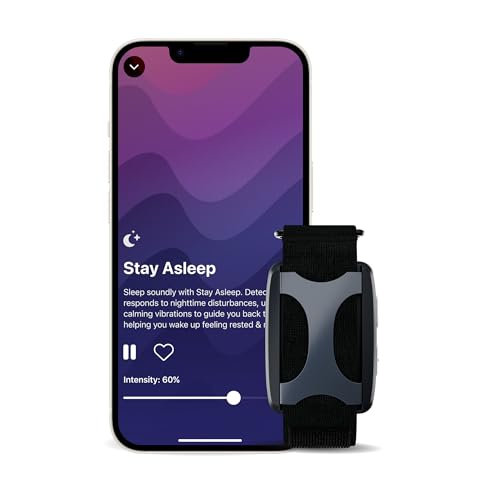
The Oura Ring and Whoop are the most accurate consumer options for sleep stages and HRV; a smartwatch (Apple Watch, Garmin) works too if you'd rather not wear a ring. Prioritize validated HRV and sleep-stage tracking over step counts, check whether it needs a subscription (Whoop does), and pick something comfortable enough to wear every night.

What Makes a Good Magnesium Supplement
Form matters more than dose: magnesium glycinate and citrate absorb well and are gentle on the stomach, while cheap magnesium oxide is poorly absorbed. A typical supplemental dose is 200–400 mg of elemental magnesium (check the label — it's usually lower than the pill weight). Take it in the evening if you're using it for sleep, and pick a third-party-tested brand.


Frequently Asked Questions
Why am I always tired no matter how much I sleep?
The most common causes are: undiagnosed sleep apnea (80% of cases are undiagnosed), low ferritin without anemia (ferritin below 50 ng/mL), subclinical thyroid dysfunction (TSH above 2.5 with low free T3), and insulin resistance. Standard bloodwork typically misses all four. Request a comprehensive panel including ferritin, thyroid panel with free T3, fasting insulin, and consider a sleep study.
What deficiency causes extreme fatigue?
The most common deficiencies causing fatigue are: iron/ferritin (especially in women), vitamin D, vitamin B12, and magnesium. Low ferritin is the single most common nutrient deficiency linked to fatigue — and standard labs often report it as 'normal' at levels that are functionally insufficient for energy production.
When should I see a doctor about fatigue?
See a doctor if fatigue persists for more than 4 weeks despite adequate sleep and basic lifestyle optimization, or immediately if accompanied by unexplained weight loss, persistent fever, severe headaches, chest pain, or new neurological symptoms. Fatigue lasting more than 6 months warrants a comprehensive workup.
Is being tired all the time a sign of depression?
Yes — fatigue is one of the most common physical symptoms of depression, not just a mood symptom. A multi-site study published in the New England Journal of Medicine found that feeling tired or fatigued nearly every day was among the most frequently reported symptoms across depressed patients worldwide, alongside sleep disturbance. What separates depression-related fatigue from the physiological causes above is the pattern: it usually comes bundled with a persistently low or flat mood, loss of interest in things you used to enjoy, appetite or weight changes, and difficulty concentrating that goes beyond ordinary brain fog. If your fatigue comes with several of these, a depression screening is worth doing alongside — not instead of — the lab workup above, since the two are not mutually exclusive and often occur together.
Can ADHD cause constant fatigue?
Yes, though usually indirectly rather than as a core symptom of ADHD itself. Adults with ADHD have a much higher rate of insomnia and other sleep disorders than the general population — one study in Frontiers in Psychiatry found insomnia disorder in over 44% of adult ADHD patients — and poor sleep is a major driver of daytime fatigue. ADHD itself also demands more sustained mental effort to filter distractions and stay organized, which some people experience as a distinct mental exhaustion by the end of the day, separate from physical tiredness. Because ADHD, depression, and disrupted sleep frequently overlap and compound each other, a fatigue workup in someone with ADHD symptoms should still start with the physiological causes above rather than assuming ADHD explains it.
What if I'm only tired after eating, not all day?
That's a more specific pattern with its own likely cause — usually a post-meal blood sugar swing rather than one of the all-day causes above. See our dedicated guide on fatigue after eating for the mechanism and what to do about it.
Is constant fatigue the same as chronic fatigue syndrome?
Not usually. Most constant fatigue has an identifiable, treatable cause from the list above, while chronic fatigue syndrome (ME/CFS) is a distinct diagnosis defined by profound fatigue lasting more than six months that isn't explained by another condition, along with post-exertional malaise and other specific criteria. See our chronic fatigue overview and our comparison of chronic fatigue syndrome vs. fibromyalgia vs. narcolepsy if your fatigue has lasted six months or longer despite a normal workup.
Topic updates
Get the weekly recovery roundup
Sleep, HRV, fatigue, burnout, cortisol rhythm, sleep apnea, overtraining, and stress physiology.
Want your energy handled by a physician who works from your labs? See how Opt Health does it →
Check Where You Stand
Take our free health assessment to understand your metabolic, hormonal, and recovery risk factors — and get personalized recommendations.
Take the Free Assessment →Free · Takes 5 minutes · Instant results
Related Reading
-
Waking Up Tired Every Day? Here's Why
Why 7-8 hours isn't enough when sleep quality is poor.
Affiliate disclosure: The Metabolic Journal is reader-supported. Some links above are affiliate or referral links and we may earn a commission at no extra cost to you. As an Amazon Associate we earn from qualifying purchases. Products are chosen on the merits; commissions never influence what we recommend. This is general information, not medical advice — talk to your clinician before acting.