Blue Light and Sleep Trials Show Screens Alter Melatonin
Medically reviewed by Dr. Michael Teplitsky, MD Last reviewed 2026-10-06
Screen displays shift nighttime hormone markers while clinical reviews find filtering lenses inconclusive
Evening light from digital displays suppresses melatonin and delays circadian timing in controlled laboratory experiments. A systematic review of randomized trials found uncertain evidence on whether blue-light filtering spectacle lenses improve sleep scores. No source on this page tested night mode for sleep.
In lab studies, evening light from light-emitting screens suppresses melatonin, delays the circadian clock and lengthens the time to fall asleep. Whether blue-light-filtering glasses improve sleep is unknown: the 2023 Cochrane review rated that evidence very low certainty, with three of six trials improved and three not. No source on this page tested night mode. At The Metabolic Journal, we examine clinical trials and systematic reviews to separate measurable biological findings from commercial wellness claims.
A representative survey of 1,508 American adults found that 90% used electronics at least a few nights per week within one hour of bedtime. In an American Academy of Sleep Medicine survey, 38% of adults reported that bedtime doomscrolling on mobile devices worsens their sleep quality.
Want help fixing your sleep for real?
Opt Health treats sleep as a measurable system — cortisol rhythm, thyroid, testosterone, inflammation — and works the biology behind bad sleep with a physician, not a sleep-hygiene checklist.
See Opt Health's sleep program →Does Blue Light Affect Sleep?
Blue light hinders sleep and suppresses melatonin release in controlled laboratory studies. According to the Sleep Foundation, blue light suppresses the body's release of melatonin, a hormone that makes us feel drowsy. The organization states that exposure to blue light in the hours leading up to bedtime can hinder sleep. It reports that blue light has the largest impact on circadian rhythms compared with other visible light. The Sleep Foundation also notes that blue light stimulates parts of the brain that make us feel alert, elevating our body temperature and heart rate.
These biological responses were identified in controlled laboratory experiments. None of the sources on this page tested whether cutting blue light at home lengthens sleep over weeks.
What the Melatonin and Circadian Studies Found
Evening blue light suppresses melatonin and delays circadian timing in laboratory experiments. In an experiment reported by Harvard Health, blue light suppressed melatonin for about twice as long as green light. That experiment shifted circadian rhythms by twice as much, showing a shift of 3 hours compared to 1.5 hours.
In the Proceedings of the National Academy of Sciences, Chang and colleagues compared reading an electronic book on a light-emitting device with reading a printed book before bedtime. Participants reading the light-emitting eBook took longer to fall asleep. They experienced reduced evening sleepiness and reduced melatonin secretion. They also showed later timing of their circadian clock and reduced next-morning alertness. The authors concluded that evening exposure to the light-emitting eBook phase-delays the circadian clock and acutely suppresses melatonin. The authors attributed these biological changes to the short-wavelength-enriched light of these devices.
The circadian rhythm and hormones guide covers the body clock and hormones.
How Long Before Bed to Stop Using Screens
Sleep organizations provide different guidance on when to turn off electronic devices before sleep. The Sleep Foundation advises setting an alarm reminding you to turn off electronics two to three hours before bedtime. Harvard Health also recommends avoiding bright screens beginning two to three hours before bed. Harvard Health advises getting exposure to plenty of bright light during the day and using dim red lights for night lights.
The American Academy of Sleep Medicine recommends a shorter window. The organization recommends that adults get at least seven hours of sleep per night and avoid blue light from handheld electronics 30 to 60 minutes before bedtime. In an American Academy of Sleep Medicine survey, 38% of adults stated that doomscrolling on mobile devices before bed worsens their sleep quality. That figure reached 46% among adults aged 18 to 24.
Published recommendations vary between 30 minutes and three hours before sleep. No source on this page tested which cutoff window works better. The EMF and sleep guide covers its own section on screens and light and the phone-stopping trial. The cortisol and sleep guide covers how cortisol relates to sleep.
Does Night Mode Help You Sleep?
No study on this page tested whether night mode settings alter melatonin levels or sleep outcomes. The Sleep Foundation advises users to consider the night mode feature found on some devices to reduce blue light. That advice represents the only mention of night mode among the sources evaluated here.
Do Blue Light Glasses Help You Sleep?
Clinical trials show uncertain evidence regarding whether blue-light filtering glasses improve sleep quality. A systematic review by Singh and colleagues in the Cochrane Database of Systematic Reviews evaluated 17 randomized controlled trials. Trial sample sizes ranged from 5 to 156 participants, with follow-up periods from less than one day to five weeks. None of the included trials had a low risk of bias across all seven domains assessed. The authors did not run meta-analyses due to a lack of quantitative data, differing populations, and differing follow-up.
For sleep outcomes, the Cochrane review evaluated six trials involving 148 participants. The authors stated that they do not know if blue-light filtering spectacle lenses are equivalent or superior to non-filtering lenses regarding sleep quality. They graded that evidence as very low certainty. Three trials reported a significant improvement in sleep scores with filtering lenses, while three reported no significant difference. The authors classified potential effects on sleep quality as indeterminate. No trial evaluated serum melatonin levels.
The Cochrane review assessed additional visual endpoints and adverse events. The authors concluded that filtering lenses may not attenuate eye strain symptoms from computer use over short-term follow-up. They found probably little or no effect on best-corrected visual acuity. Across nine trials with 333 participants, reported adverse events were infrequent but included headaches, lower mood, increased depressive symptoms, and discomfort wearing the glasses. The authors called for future high-quality randomized trials in sleep.
A review by Vagge and colleagues in Seminars in Ophthalmology concluded that consistent evidence is lacking for large-scale introduction of blue-blocking lenses in clinical practice. The authors noted that clinical efficacy claims often rely on theoretical reasoning or laboratory or animal experiments.
The Sleep Foundation notes that amber or blue light blocking glasses can reduce the melatonin-suppressing effects of bright light. Harvard Health suggests that night-shift workers or heavy evening device users consider wearing blue-blocking glasses or installing an app that filters blue and green wavelengths.
What the Evidence Does Not Show
Published findings on blue light and sleep reflect specific laboratory conditions and short-term trial settings. None of the sources on this page tested whether cutting blue light at home lengthens sleep over weeks. None of the sources tested whether eliminating evening screens improves daytime functioning. The biological shifts in melatonin and circadian timing were recorded in controlled sleep laboratories.
Several common interventions lack direct clinical testing in the literature reviewed. No trial on this page compared a 30-minute screen cutoff against a two-hour cutoff to determine which window works better. Trials evaluating blue-light filtering glasses did not measure biological markers such as serum melatonin.
The poor sleep quality guide covers poor sleep quality. The magnesium for sleep guide covers magnesium and sleep.
What to Look For in a Sleep & Recovery Tracker
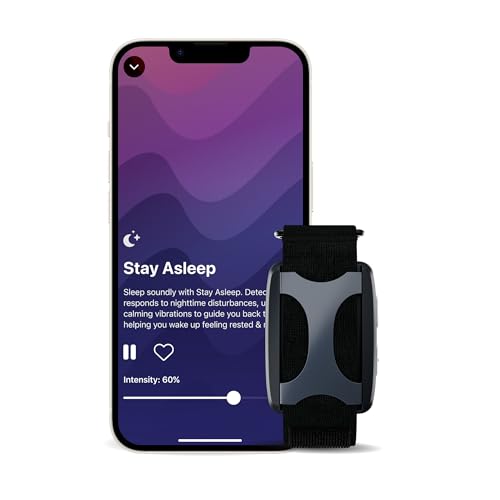
The Oura Ring and Whoop are the most accurate consumer options for sleep stages and HRV; a smartwatch (Apple Watch, Garmin) works too if you'd rather not wear a ring. Prioritize validated HRV and sleep-stage tracking over step counts, check whether it needs a subscription (Whoop does), and pick something comfortable enough to wear every night.

What Makes a Good Magnesium Supplement
Form matters more than dose: magnesium glycinate and citrate absorb well and are gentle on the stomach, while cheap magnesium oxide is poorly absorbed. A typical supplemental dose is 200–400 mg of elemental magnesium (check the label — it's usually lower than the pill weight). Take it in the evening if you're using it for sleep, and pick a third-party-tested brand.


Frequently Asked Questions
Does blue light affect sleep?
In laboratory experiments, evening blue light suppresses melatonin release, delays circadian clock timing, and increases the time required to fall asleep. Harvard Health reported that blue light suppressed melatonin for about twice as long as green light. However, none of the sources on this page tested whether eliminating evening blue light at home lengthens sleep duration over weeks.
How does blue light affect sleep?
Blue light affects sleep by suppressing melatonin secretion, phase-delaying the circadian clock, and stimulating brain regions that promote alertness. The Sleep Foundation reports that blue light elevates body temperature and heart rate. In a study by Chang and colleagues, participants reading an electronic book experienced reduced melatonin, delayed circadian timing, and lower next-morning alertness compared to reading a printed book.
Do blue light glasses help you sleep?
Evidence on whether blue-light filtering glasses improve sleep quality remains uncertain. A 2023 Cochrane systematic review of randomized trials found very low-certainty evidence regarding sleep quality, with three trials reporting improved sleep scores and three reporting no significant difference. The Cochrane authors classified the potential effect as indeterminate, and none of the evaluated trials measured serum melatonin levels.
Does night mode help you sleep?
No study on this page tested whether device night mode features improve sleep quality, reduce sleep latency, or alter melatonin production. The Sleep Foundation suggests considering night mode settings to reduce blue light exposure, but clinical trials comparing night mode against standard screen displays are absent from the literature evaluated here.
How long before bed should you stop looking at screens?
Guidance on screen cutoffs varies between 30 minutes and three hours depending on the sleep organization. The American Academy of Sleep Medicine recommends avoiding blue light from handheld electronics 30 to 60 minutes before bedtime. In contrast, the Sleep Foundation and Harvard Health advise turning off bright screens two to three hours before bed. No source on this page tested which cutoff window works better.
Topic updates
Get the weekly recovery roundup
Sleep, HRV, fatigue, burnout, cortisol rhythm, sleep apnea, overtraining, and stress physiology.
Want your sleep handled by a physician who works from your labs? See how Opt Health does it →
Check Where You Stand
Take our free health assessment to understand your metabolic, hormonal, and recovery risk factors — and get personalized recommendations.
Take the Free Assessment →Free · Takes 5 minutes · Instant results
Related Guides
-
Poor Sleep Quality: Root Causes and Evidence-based Fixes
Root causes and evidence-based fixes beyond sleep hygiene.
-
Cortisol and Sleep: How Stress Hormones Wreck Your Rest
The cortisol-melatonin axis and 'wired but tired' patterns.
-
How Much Deep Sleep Do You Need? N3 Sleep, Trackers, and Recovery Targets
Deep sleep targets, tracker limits, and how to improve N3 sleep.
See more related guides
-
Is 6 Hours of Sleep Enough? Health Risks, Exceptions, and How to Recover
Why six hours is usually not enough sleep and what to do if it is your current reality.
-
Inspire Sleep Apnea Treatment: How It Works, Cost, and Results
STAR trial results, candidacy criteria, cost, and Medicare coverage.
-
Central Sleep Apnea: Causes, Symptoms, and Treatment Options
CNS vs airway mechanism, ASV vs CPAP, and causes including heart failure.
-
Sleep Apnea Treatment in Children: Why Pediatric OSA Is Treated Differently Than in Adults
Sleep apnea treatment in children: why pediatric OSA is treated differently than in adults.
-
Sleep Apnea VA Disability: How Claims Generally Work for Veterans
How sleep apnea VA disability claims generally work for veterans — education only, not legal advice.
Affiliate disclosure: The Metabolic Journal is reader-supported. Some links above are affiliate or referral links and we may earn a commission at no extra cost to you. As an Amazon Associate we earn from qualifying purchases. Products are chosen on the merits; commissions never influence what we recommend. This is general information, not medical advice — talk to your clinician before acting.