Metformin Alternatives: 6 Options Compared (Rx & Natural)
Medically reviewed by Medical Advisory Board Last reviewed 2026-08-30
What to consider instead of metformin if you can't tolerate it or want a different approach
For people who can't tolerate metformin's GI side effects or want a different approach, alternatives range from other prescription drugs (GLP-1 agonists, SGLT2 inhibitors, pioglitazone) to supplements with real evidence (berberine, inositol) and lifestyle-first insulin-resistance care. Each has a different evidence base, cost, and best-fit use case.
This article is for informational purposes only and is not medical advice. Never stop or switch a diabetes medication without your prescriber's guidance.
Metformin is the first-line drug for type 2 diabetes. It's also widely used off-label for prediabetes, insulin resistance, and PCOS. However, some people can't tolerate its gastrointestinal side effects, nausea, diarrhea, and cramping, have kidney-function limits, or want a different mechanism. This roundup ranks realistic prescription and non-prescription alternatives to metformin and links to our deeper guides. For a root-cause approach, see our insulin resistance guide.
Partner · Opt Health
Want a clinician to work up your metabolic numbers?
Opt Health runs fasting insulin, A1C, a full lipid panel and 50+ other markers, then builds a treatment plan — GLP-1s included where they're appropriate — with a physician who reviews the data with you directly.
See Opt Health's metabolic program →Metformin Alternatives Ranked
The best metformin alternative depends on your goal — better glucose control, weight loss, PCOS support, or simply avoiding GI side effects. The table compares each option across type, evidence, and cost.| Option | Type | Evidence | Monthly Cost |
|---|---|---|---|
| GLP-1 agonists (semaglutide, tirzepatide) | Prescription | Strong for glucose + weight loss | $1,000+ list; less with insurance |
| SGLT2 inhibitors (empagliflozin, dapagliflozin) | Prescription | Strong; added heart/kidney benefit | $500-$600 list; less with insurance |
| Pioglitazone | Prescription | Improves insulin sensitivity; watch weight/edema | $10-$40 generic |
| Berberine | OTC supplement | Modest; direction similar to metformin, smaller trials | $15-$40 |
| Inositol (myo/D-chiro) | OTC supplement | Good evidence in PCOS insulin resistance | $15-$35 |
| Lifestyle-first program | No drug | Strong; foundational under any of the above | Low |
Does Metformin Cause Weight Loss Without Diabetes, or With PCOS?
Metformin does not require a diabetes diagnosis to work. Doctors prescribe it off-label for prediabetes, insulin resistance, and PCOS, because its glucose- and insulin-lowering action does not depend on blood sugar already being in the diabetic range. The modest weight effect described in the FAQ below tracks with how much insulin resistance is present. Someone with clear insulin resistance or PCOS-driven hyperinsulinemia has more elevated insulin for the drug to bring down, so they are more likely to notice an effect than someone with normal insulin sensitivity. In PCOS specifically, doctors more often prescribe metformin for cycle regularity and fertility support than for weight loss on its own. See our insulin resistance guide for how that hyperinsulinemia mechanism works, and our Ozempic vs metformin comparison for how the two options differ when weight loss itself is the primary goal.
Best Prescription Alternative: GLP-1 or SGLT2
Among prescription options, GLP-1 agonists (semaglutide, tirzepatide) and SGLT2 inhibitors are the strongest metformin alternatives when a doctor wants more than metformin can deliver. GLP-1 drugs add substantial weight loss; SGLT2 inhibitors add heart- and kidney-protection benefits. Both cost far more than generic metformin. Compare the leading GLP-1 options in our tirzepatide vs semaglutide breakdown. For weight loss specifically (rather than blood sugar), phentermine-topiramate (Qsymia) is another older, non-GLP-1 prescription option worth knowing about.
Best Non-Prescription Alternative: Berberine or Inositol
Berberine is the most-discussed over-the-counter metformin alternative. It improves insulin sensitivity through partly overlapping pathways, but its trials are smaller and its effect is more modest than metformin's. Inositol (myo- and D-chiro-inositol) has particularly good evidence for insulin resistance in PCOS. See our berberine vs metformin comparison for how the two stack up. Neither supplement is a substitute for a prescribed drug in diagnosed diabetes without a doctor's input.
The Foundation Under Every Alternative: Lifestyle
No metformin alternative works in isolation. Diet, physical activity, sleep, and weight management improve insulin sensitivity directly and make every drug or supplement work better. For many people with mild insulin resistance, a structured lifestyle program is a realistic starting point before or alongside medication. Our insulin resistance meal plan is a practical place to begin.
The Bottom Line on Metformin Alternatives
There's no single best metformin alternative — it depends on whether the barrier is GI tolerance, kidney function, a desire for weight loss, or PCOS. GLP-1 and SGLT2 drugs are the stronger prescription paths; berberine and inositol are the realistic non-prescription options; and lifestyle change is foundational under all of them. Take the free assessment to identify which metabolic factors matter most for your situation before choosing a direction with your doctor.
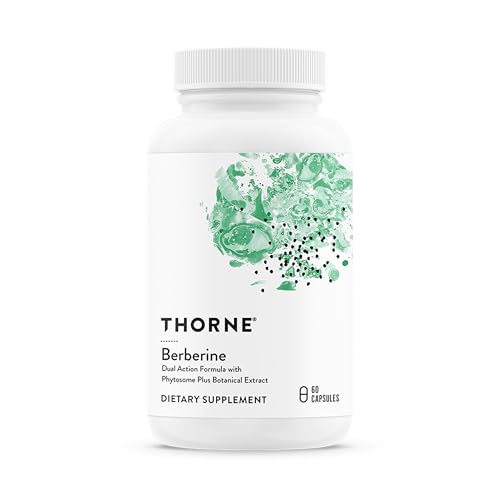
What Makes a Good Berberine Supplement
Berberine is studied for blood-sugar and lipid support, usually at 500 mg two to three times a day with meals (it clears quickly, so doses are split). It can interact with medications — especially diabetes drugs — so clear it with your doctor first. Look for standardized berberine HCl, third-party tested; dihydroberberine is a newer, better-absorbed form.

Frequently Asked Questions
What can I take instead of metformin?
Prescription alternatives include GLP-1 agonists (semaglutide, tirzepatide), SGLT2 inhibitors (empagliflozin, dapagliflozin), and pioglitazone. Non-prescription options with real evidence include berberine and inositol. Lifestyle change (diet, activity, weight loss) improves insulin sensitivity under all of them. The right substitute depends on your diagnosis and goals — decide with your prescriber.
Is berberine a good alternative to metformin?
Berberine is a reasonable non-prescription option for mild insulin resistance. It improves insulin sensitivity through partly overlapping pathways, but its trials are smaller and its effect is more modest than metformin's. It is not a like-for-like replacement for a prescribed drug in diagnosed diabetes. Discuss it with your doctor before substituting.
Why would someone stop taking metformin?
The most common reason is gastrointestinal side effects — nausea, diarrhea, and cramping — especially on immediate-release metformin. Others include reduced kidney function (which can limit metformin), B12 deficiency over long-term use, or a doctor switching to a drug with added weight-loss or heart-protection benefits. Extended-release metformin often reduces GI side effects before switching is needed.
Is there a natural alternative to metformin for insulin resistance?
Berberine and inositol are the two supplements with the most evidence for insulin resistance, and inositol has especially good data in PCOS. Neither matches metformin's evidence base, but combined with a structured lifestyle program they are a realistic non-prescription starting point for mild insulin resistance. Confirm with your doctor if you have diagnosed diabetes.
Does metformin cause weight loss on its own?
Metformin is roughly weight-neutral to mildly weight-reducing on its own — trials show a small average weight loss, not the substantial loss seen with GLP-1 drugs. See our Ozempic vs metformin and berberine vs metformin comparisons for how that modest effect stacks up against other options. It's often used as a foundation alongside diet and activity changes rather than relied on alone for meaningful weight loss.
Topic updates
Get the weekly metabolic health roundup
Insulin resistance, blood sugar, visceral fat, GLP-1 plateaus, metabolic syndrome, and weight-loss physiology.
Want your metabolic health handled by a physician who works from your labs? See how Opt Health does it →
Check Where You Stand
Take our free health assessment to understand your metabolic, hormonal, and recovery risk factors — and get personalized recommendations.
Take the Free Assessment →Free · Takes 5 minutes · Instant results
Related Comparisons
-
Berberine vs Metformin: Which Lowers Blood Sugar Better?
Berberine vs metformin: mechanism, evidence, side effects, and which lowers blood sugar better.
-
Ozempic vs Metformin: Weight Loss and Blood Sugar Compared
Ozempic vs metformin: weight loss, blood sugar, cost, and when to use each (or both).
-
Ozempic Alternatives: 7 Options Compared (Prescription, Compounded & Natural)
Ozempic alternatives ranked: other GLP-1 drugs, compounded options, metformin, berberine, and lifestyle-first care.
See more related comparisons
-
Zepbound Alternatives: 6 Options Compared for Weight Management
Zepbound alternatives ranked: Wegovy, Mounjaro, off-label Ozempic, compounded GLP-1, metformin.
-
Wegovy Alternatives: 6 Options Compared for Weight Management
Wegovy alternatives ranked: Zepbound, off-label Ozempic, compounded semaglutide, metformin, lifestyle.
-
Mounjaro Alternatives: 6 Options Compared for 2026
Mounjaro alternatives ranked: Zepbound, Ozempic/Ozempic tablets, compounded tirzepatide, metformin, lifestyle.
-
Rybelsus Alternatives: What Replaced Rybelsus and 5 Other Options Compared
Rybelsus alternatives ranked: Ozempic tablets, the Wegovy pill, injectable semaglutide, tirzepatide, metformin.
-
Can You Take Metformin and Zepbound Together? What the Overlap Means for Side Effects
Metformin and Zepbound together: why prescribers combine them, the overlapping GI side effects, and what changes when you do.
Affiliate disclosure: The Metabolic Journal is reader-supported. Some links above are affiliate or referral links and we may earn a commission at no extra cost to you. As an Amazon Associate we earn from qualifying purchases. Products are chosen on the merits; commissions never influence what we recommend. This is general information, not medical advice — talk to your clinician before acting.