Resting Heart Rate by Age: Normal RHR Chart & Ranges
Medically reviewed by Medical Advisory Board Last reviewed 2026-08-08
What a healthy resting pulse looks like at every age, and what your number says about your heart.
Resting heart rate by age sits at 60 to 100 beats per minute for most adults, per the American Heart Association. A lower number often signals better fitness, while a high resting rate may flag higher cardiovascular risk.
Your resting heart rate is the number of times your heart beats per minute while you're at rest. It offers one of the simplest windows into your heart and metabolic health, and you can measure it at home in under a minute.
For most adults, the American Heart Association defines a normal resting heart rate as 60 to 100 beats per minute (bpm). However, the right number varies with age, fitness, and overall health. For highly trained athletes, it may be as low as 40 bpm.
Partner · Opt Health
Want to know what your markers actually mean?
Opt Health publishes a guide to the 55+ biomarkers they test and what each one tells you — the same panel they run before building a treatment plan.
Read Opt Health's biomarker guide →This guide outlines resting heart rate norms by age and fitness level and explains what a high or low number can mean. Use it to better understand your reading, not to diagnose yourself.
Normal Resting Heart Rate by Age Chart
A normal resting heart rate falls between 60 and 100 beats per minute for teens and adults, according to the American Heart Association. Younger children and babies run faster because their hearts are smaller. The chart below shows typical resting ranges by age group.
| Age Group | Normal Resting Heart Rate (bpm) |
|---|---|
| Newborn (0-1 month) | 100-160 |
| Infant (1-12 months) | 90-150 |
| Child (1-10 years) | 70-120 |
| Teen (11-17 years) | 60-100 |
| Adult (18-64 years) | 60-100 |
| Older adult (65+) | 60-100 |
Mayo Clinic notes that healthy adults of all ages share the same 60 to 100 bpm range. What changes with age is the chance that medicine or illness affects your reading. A steady number over time matters more than any single check. Pregnancy is one of those exceptions — resting heart rate normally rises during pregnancy as part of the body's autonomic adaptation, so a rate at the higher end of (or slightly above) the usual 60-100 range can be a normal pregnancy change rather than a concern; see our heart rate variability guide for more on how pregnancy shifts these numbers.
Resting Heart Rate by Fitness Level (Adults)
Fitter adults usually have a lower resting heart rate because their hearts pump more blood per beat. The chart below groups adult resting rates from athlete to poor. It offers a rough guide, not a medical grade.
| Fitness Level | Resting Heart Rate (bpm) |
|---|---|
| Athlete | <50 |
| Excellent | 50-59 |
| Good | 60-69 |
| Average | 70-79 |
| Below average | 80-89 |
| Poor | >90 |
Mayo Clinic explains that a lower resting heart rate often means a stronger, more efficient heart. Regular aerobic exercise can lower your number over weeks to months. Track changes alongside your overall metabolic health for the full picture.
What a High Resting Heart Rate Means
A consistently high resting heart rate can signal stress, poor fitness, dehydration, or higher cardiovascular risk. The American Heart Association suggests talking to a doctor if your resting rate is regularly above 100 bpm. This is called tachycardia.
Large studies link higher resting heart rates to greater risk. A 2017 systematic review and dose-response meta-analysis of prospective cohort studies, published in Nutrition, Metabolism & Cardiovascular Diseases, found that each 10 bpm increase in resting heart rate was tied to a higher relative risk of death from any cause, with people at the higher end of the range (including resting rates above roughly 80 bpm) showing greater cardiovascular mortality risk than those with lower resting rates. That's a population-level statistical association from pooled research, not a personal prediction — an individual reading above 80 bpm doesn't mean a specific health event is imminent.
- Poor sleep or sleep apnea
- High stress or anxiety
- Dehydration, caffeine, or some medicines
- Low fitness or chronic illness
A single high reading is often temporary rather than a true baseline shift. Caffeine, alcohol, dehydration, a recent meal, or moving around right before you measure can all push one reading above your usual number. Before assuming your resting heart rate has genuinely changed, retake it under calm, rested conditions on a few separate mornings and see if the pattern holds. A rate that's only elevated after coffee or a stressful day is different from one that stays high across repeated, controlled measurements.
Tachycardia specifically means the rate itself is fast — it doesn't necessarily mean the rhythm is irregular. A separate concern is arrhythmia: when the heart's rhythm is uneven or erratic rather than simply quick, which can happen at a normal, high, or even low rate. If your pulse feels like it's skipping, fluttering, or beating unevenly rather than just running fast, that's a different symptom from a steady-but-elevated resting heart rate, and it's worth describing specifically to a doctor since it points toward a rhythm problem rather than straightforward tachycardia. Confirming an actual arrhythmia requires an ECG (electrocardiogram), which records the heart's electrical activity directly — a manual pulse count or a wearable's optical sensor can suggest an irregular rhythm and prompt you to get checked, but neither can diagnose the specific type of arrhythmia on its own.
Certain medications can also raise resting heart rate independent of stress or fitness. Stimulant medications (including some ADHD treatments), decongestants, asthma inhalers, and thyroid hormone replacement are common examples of drugs prescribed for unrelated reasons that can push heart rate higher as a known side effect. If you take one of these and notice a persistently higher resting heart rate, mention it to whoever prescribed the medication rather than assuming it reflects declining fitness or a new, unrelated problem.
A high reading is a signal, not a diagnosis. Poor sleep is a common driver, so review your sleep and recovery habits. Ongoing fatigue with a high pulse may also tie into chronic fatigue. Wearables and fitness trackers also estimate resting heart rate — for how accurate wrist-based sensors are compared to a chest strap, and whether resting heart rate or heart rate variability is the better number to track day to day, see our heart rate variability guide. If your own resting number has been consistently elevated rather than just a one-off high reading, our guide to high resting heart rate covers the specific causes and the red-flag symptoms that mean it's time to see a doctor.
What a Low Resting Heart Rate Means
A low resting heart rate is often healthy, especially in fit and active people. Trained athletes may rest at 40 to 60 bpm because their hearts are strong and efficient. This is sometimes called athlete bradycardia and is usually safe.
A slow rate becomes a concern only when symptoms appear. The American Heart Association lists warning signs to watch for. See a doctor if a low pulse comes with these symptoms.
- Dizziness or lightheadedness
- Fatigue or weakness
- Shortness of breath
- Fainting or near-fainting
If you are not a trained athlete and your rate is often below 60 bpm, ask a clinician. A low number paired with strong recovery metrics is usually a good sign. Certain medications can also lower resting heart rate independent of fitness — beta blockers are the most common example, since they are prescribed specifically to slow the heart rate for blood pressure or heart-rhythm conditions. If you take a heart-rate-lowering medication, a low reading may reflect the drug rather than fitness, and that is worth mentioning to whoever prescribed it rather than assuming it is purely a fitness sign. Pair it with your heart rate variability for deeper insight.
How to Measure and Improve Your Resting Heart Rate
Measure your resting heart rate first thing in the morning, before getting up. Find your pulse at your wrist or neck, count beats for 60 seconds, or count for 15 seconds and multiply by four. The CDC and Mayo Clinic recommend checking when you are calm and rested.
Wearables and fitness trackers also estimate resting heart rate overnight. Consistency matters most, so measure the same way each time. A single high or low reading rarely means much on its own. For how accurate different wrist-based and ring wearables actually are at estimating resting heart rate, see our guide to wearables for metabolic health; if you're weighing whether a subscription-based tracker is worth the ongoing cost just for this one number, our Whoop cost breakdown covers what you actually pay over time.
- Do regular aerobic exercise like walking, cycling, or swimming
- Prioritize 7 to 9 hours of quality sleep
- Manage stress and limit excess caffeine and alcohol
- Stay hydrated and maintain a healthy weight
Small, steady habits can lower your resting heart rate over time. Want to see how your sleep and recovery affect your numbers? Check your sleep score or take our full health assessment to get personalized next steps.
Resting Heart Rate vs. Sleeping Heart Rate: Are They the Same?
Resting heart rate and sleeping heart rate are closely related but are not automatically the same number. Resting heart rate, as covered above, is traditionally measured while you are calmly awake and not exercising — for example, sitting or lying still first thing in the morning before getting up. Sleeping heart rate, which many wearables report as its own metric, is your heart rate averaged (or at its lowest point) during actual sleep.
Because heart rate naturally dips further during deeper sleep stages than it does while you're simply resting but awake, a wearable's overnight sleeping heart rate reading often comes in a little lower than a manually counted morning pulse taken right after waking — without either measurement being wrong. They're capturing two related but distinct states, not the exact same thing measured twice.
For day-to-day tracking, either number works as long as you stay consistent: compare a wearable's sleeping heart rate to your own sleeping heart rate trend over time, and a manually measured morning resting heart rate to your own morning trend, rather than mixing the two together or comparing an overnight sleeping-heart-rate reading directly against the general 60-100 bpm resting range covered above.
Resting Heart Rate vs. Target and Max Heart Rate for Exercise
Resting heart rate and target/max heart rate measure two unrelated things and are not used to calculate one another. Resting heart rate, as covered throughout this guide, is how fast your heart beats while you are calmly at rest. Target and max heart rate describe the opposite end of the scale: how hard your heart works during exercise, used to set training-intensity zones.
Max heart rate is commonly estimated with the formula 220 minus your age, though this is a population average with a wide individual margin of error, not a precise number for any one person. Target heart rate zones are then calculated as a percentage of that estimated max — for example, a moderate-intensity zone is often set at roughly 50-70% of max heart rate, and a vigorous zone at roughly 70-85%. Neither calculation uses your resting heart rate as an input.
A low resting heart rate does not, by itself, mean your target zones should be higher or lower — the two numbers come from different formulas measuring different things. Some more advanced training methods, like the Karvonen formula, do factor resting heart rate in alongside max heart rate to calculate a heart rate reserve for zone training, but that is a specific, optional method some athletes use, not something a low or high resting heart rate changes on its own. If you're setting up exercise zones, your max/target heart rate calculation and your resting heart rate trend are two separate numbers worth tracking side by side rather than substituting one for the other.
Resting Heart Rate During Pregnancy: How Much Does It Rise?
Resting heart rate rises gradually and predictably throughout a normal pregnancy as blood volume and cardiac output increase to support the growing fetus. By around 8 weeks, resting pulse is typically already about 10 beats per minute above a woman's pre-pregnancy baseline, according to UT Southwestern Medical Center's maternal cardiology program, with further increases around 12-16 weeks and again around 32-36 weeks — on average moving from about 79 bpm at 10 weeks to nearly 87 bpm by 40 weeks.
A continuous heart-rate-monitoring study in JMIR mHealth and uHealth (Sarhaddi et al., 2022) that tracked pregnant participants with wearable sensors found resting heart rate climbing through the second trimester, peaking around week 34, then easing back somewhat as term approached — a reminder that the exact trajectory can vary by measurement method and by person. Because of this normal rise, a resting heart rate at the higher end of (or slightly above) the general 60-100 bpm range covered above is expected during pregnancy and is not, by itself, a reason for concern. The same reasoning from the 'What a High Resting Heart Rate Means' section above still applies: a single elevated number matters less than whether it comes with symptoms like chest pain, severe shortness of breath, or fainting, which warrant prompt medical evaluation regardless of pregnancy status. Resting heart rate typically eases back toward pre-pregnancy levels in the weeks after delivery.
What to Look For in a Sleep & Recovery Tracker
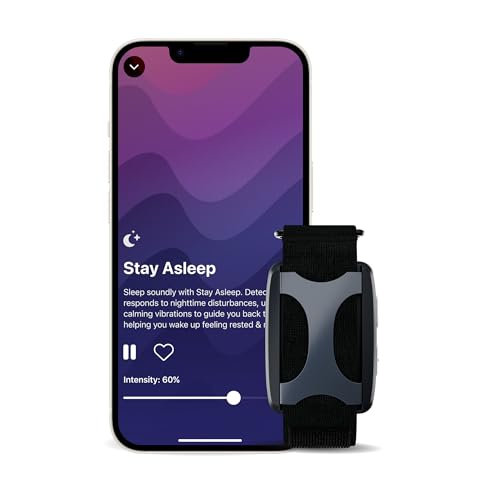
The Oura Ring and Whoop are the most accurate consumer options for sleep stages and HRV; a smartwatch (Apple Watch, Garmin) works too if you'd rather not wear a ring. Prioritize validated HRV and sleep-stage tracking over step counts, check whether it needs a subscription (Whoop does), and pick something comfortable enough to wear every night.

Frequently Asked Questions
What is a good resting heart rate by age?
A good resting heart rate is 60 to 100 beats per minute for teens and adults of all ages, per the American Heart Association. Children and babies run faster, often 70 to 160 bpm depending on age. For adults, a lower rate within the normal range usually points to better fitness.
What is a healthy resting heart rate for my age?
A healthy resting heart rate for most teens and adults is 60 to 100 bpm, regardless of being young or older. Fit adults often rest in the 50s or low 60s. Mayo Clinic notes the normal range does not change much with age, though health conditions and medicines can shift your reading.
Is a resting heart rate of 50 too low?
A resting heart rate of 50 is often normal and healthy for fit or athletic people. Trained athletes commonly rest between 40 and 60 bpm without any problem. It only becomes a concern if you also feel dizzy, faint, weak, or short of breath, in which case you should see a doctor.
When should I worry about my resting heart rate?
You should talk to a doctor if your resting heart rate is regularly above 100 bpm or below 60 bpm when you are not an athlete. The American Heart Association also flags warning signs like dizziness, fainting, fatigue, or shortness of breath. A single odd reading is rarely a problem, but a steady trend deserves attention.
Does a lower resting heart rate mean better health?
A lower resting heart rate often means a stronger, more efficient heart, according to Mayo Clinic. Within the normal range, fitter people tend to have lower numbers. Research links higher resting rates to greater cardiovascular and all-cause mortality risk, so a lower rate is generally a positive sign unless symptoms appear.
What is a normal resting heart rate for women compared to men?
Women tend to run a few beats per minute faster than men at rest, though both sexes share the same 60-100 bpm normal range published by the American Heart Association. The difference is generally attributed to women having a smaller average heart size and lower blood volume, so the heart needs to beat more often to move the same amount of blood. Hormonal shifts across the menstrual cycle and pregnancy can also nudge a woman's resting rate up temporarily. Neither sex has a separate clinical cutoff — a resting heart rate outside 60-100 bpm is evaluated the same way regardless of sex, using the fitness and symptom context covered above.
Is resting heart rate the same as your pulse?
Yes. Pulse and heart rate refer to the same underlying measurement — how many times your heart beats per minute. The American Heart Association describes heart rate as commonly called your pulse. "Resting heart rate" simply means your pulse counted while you are calmly at rest rather than during exercise or activity, so a resting heart rate reading and a resting pulse reading are the same number, measured the same way.
Is resting heart rate related to blood pressure?
They're related in that both reflect how your cardiovascular system is working, but they are not the same measurement, and one does not reliably predict the other. Heart rate counts how many times your heart beats per minute; blood pressure measures the force of blood against your artery walls, reported as two numbers (systolic over diastolic). You can have a normal resting heart rate with high blood pressure, or an elevated resting heart rate with normal blood pressure — each has its own reference range, and neither substitutes for the other. Both tend to rise together during exercise or acute stress, but at rest they don't move in lockstep. If you're tracking both, treat them as two separate numbers that each tell part of the story rather than one combined score.
What resting heart rate level counts as a medical emergency, and can a high RHR be a warning sign of a heart attack?
Call 911 or seek immediate emergency care for a very fast or irregular resting heart rate that comes with chest pain, severe shortness of breath, fainting, or a sensation of crushing chest pressure — that combination can signal a heart attack or another acute cardiac event, and it is not something to wait out or self-monitor at home. A high resting heart rate by itself, with no other symptoms, is not typically an emergency; it's the combination with these warning signs that changes the urgency, the same way a blood pressure reading above 180/120 mmHg becomes an emergency specifically when paired with chest pain, shortness of breath, or stroke symptoms. If you're ever unsure whether what you're feeling qualifies, treat it as an emergency and get evaluated rather than guessing.
Does resting heart rate change during your menstrual cycle, especially before your period?
Yes, a small, temporary rise is normal. Resting heart rate tends to run a little higher during the luteal phase (roughly the two weeks after ovulation and before your period) than during the follicular phase before ovulation. This tracks the rise and fall of progesterone, which has a mild thermogenic and sympathetic-nervous-system-activating effect: it's the same hormonal shift behind the basal-body-temperature bump that fertility-tracking methods rely on. A study measuring heart rate variability across the cycle found this luteal-phase progesterone rise was specifically associated with reduced heart rate variability, a related autonomic-nervous-system shift consistent with a modestly elevated resting rate (Schmalenberger et al., Journal of Clinical Medicine, 2020). The change is usually only a few beats per minute and eases as progesterone drops just before your period, so it isn't something to worry about on its own. A resting heart rate that stays elevated even in the follicular phase, or one paired with other symptoms, is worth mentioning to a doctor rather than assuming the cycle explains it.
Does it matter if I measure my resting heart rate sitting, lying down, or standing?
Position makes a small difference, so consistency matters more than which position you pick. According to the American Heart Association, heart rate is usually similar whether you're calmly sitting or lying down, and it may rise a little for a moment right when you first stand up, then settle back down within a few minutes. The standard advice above — checking first thing in the morning before getting up, lying or sitting quietly — works because it's the most reproducible position, not because lying down is inherently more "correct" than sitting. What actually skews a reading is switching positions between checks: if you measure lying down one day and standing at your desk the next, part of the difference you see is positional, not a real change in your resting rate. Pick one position and stick with it for trend-tracking.
Do GLP-1 medications like Ozempic, Wegovy, Mounjaro, or Zepbound raise resting heart rate?
Yes, modestly. A 2026 systematic review and meta-analysis in the European Journal of Medical Research, pooling 12 randomized controlled trials in 15,313 people without diabetes, found that GLP-1 receptor agonists significantly raised heart rate compared with placebo — semaglutide (the active ingredient in Ozempic and Wegovy) by a mean of 3.35 beats per minute, and tirzepatide (the active ingredient in Mounjaro and Zepbound) by a mean of 2.05 beats per minute. Both are modest, class-wide effects seen across the trial data, not a sign that something is uniquely wrong with you. If your resting heart rate has crept up by a few beats per minute since starting one of these medications, that's consistent with what the research shows; a larger jump, or one that comes with palpitations or chest discomfort, is still worth a call to whoever prescribed it.
Does resting heart rate go up when you're sick?
Yes, resting heart rate typically rises when you are sick, as an active immune response and a higher metabolic rate both push your pulse up. A 2019 study of 4,493 hospitalized patients in Acute Medicine Journal found a modest rise of 6.4 to 7.2 beats per minute for every 1°C increase in body temperature. That equates to roughly 3.6 to 4 beats per minute per 1°F in that group. Retake your pulse on a calm, rested day after recovering to confirm your baseline (a very fast rate with emergency symptoms is covered elsewhere on this page).
Can hypothyroidism cause a low resting heart rate?
Yes, an underactive thyroid slows the body's processes generally and can lower your resting heart rate. According to the Cleveland Clinic, a slow heartbeat, or bradycardia, is an established sign of hypothyroidism because thyroid hormone directly helps regulate your heart rate. A persistently low reading with no athletic-fitness explanation is worth mentioning to a doctor, who can check your thyroid function.
Topic updates
Get the weekly lab marker roundup
Blood test interpretation, optimal ranges, fasting insulin, A1C, thyroid panels, testosterone, cortisol, and nutrient markers.
Want biomarkers handled by a physician who works from your labs? See how Opt Health does it →
Check Where You Stand
Take our free health assessment to understand your metabolic, hormonal, and recovery risk factors — and get personalized recommendations.
Take the Free Assessment →Free · Takes 5 minutes · Instant results
Related Reading
← Back to Testing & Biomarkers
-
What Is HRV and Why Does It Matter for Recovery?
HRV as a recovery and autonomic health marker.
Affiliate disclosure: The Metabolic Journal is reader-supported. Some links above are affiliate or referral links and we may earn a commission at no extra cost to you. As an Amazon Associate we earn from qualifying purchases. Products are chosen on the merits; commissions never influence what we recommend. This is general information, not medical advice — talk to your clinician before acting.