TyG Index Calculator
The TyG index is calculated as ln(fasting triglycerides × fasting glucose ÷ 2) using mg/dL units. Enter your fasting numbers to run the calculation and compare your values against standard laboratory ranges.
How the TyG Index Is Calculated
The triglyceride-glucose (TyG) index is calculated with the mathematical formula ln(fasting triglycerides × fasting glucose ÷ 2), where both values use milligrams per deciliter (mg/dL). Both biomarkers must come from the same fasting blood draw. If results use millimoles per liter (mmol/L), triglycerides are multiplied by 88.57 and glucose is multiplied by 18 before calculating the logarithm.
For example, triglycerides of 150 mg/dL and glucose of 100 mg/dL yield ln(150 × 100 ÷ 2) = ln(7,500) = 8.92. Starting in SI units, triglycerides of 1.2 mmol/L (106 mg/dL) and glucose of 5.0 mmol/L (90 mg/dL) yield ln(106 × 90 ÷ 2) = 8.47.
This TyG index calculator runs directly in your browser without storing data unless you use the optional email field. The TyG index calculator is free and shows the arithmetic. It also maps each input into reference categories from MedlinePlus and the Centers for Disease Control and Prevention (CDC) without diagnosing insulin resistance.
Where the TyG Index Came From
Researchers proposed the TyG index as a surrogate marker for insulin resistance because fasting insulin tests are expensive and not available in most laboratories in the cities of undeveloped countries. In 2008, Simental-Mendía and colleagues evaluated 748 apparently healthy subjects aged 18 to 65 with a mean age of 41.4 years in Mexico. In that cohort, 241 participants (32.2%) had insulin resistance identified by the homeostasis model assessment of insulin resistance (HOMA-IR).
The authors reported an optimal TyG cutoff of Ln 4.65, with 84.0% sensitivity and 45.0% specificity. They concluded TyG could serve as a surrogate to identify insulin resistance in apparently healthy subjects.
In 2010, Guerrero-Romero and colleagues compared the TyG index with the euglycemic-hyperinsulinemic clamp in 99 adults in Guadalajara, Mexico. The group included 11 nonobese healthy subjects, 34 obese individuals with normal glucose tolerance, 22 participants with prediabetes, and 32 with diabetes. TyG correlated with glucose metabolism rates at −0.681, and a cutoff of 4.68 showed 96.5% sensitivity, 85.0% specificity, and an area under the curve of 0.858.
HOMA-IR, the comparison measure, needs fasting insulin. In 1985, Matthews and colleagues established HOMA-IR, which correlated with the euglycemic clamp at Rs = 0.88 with a 31% coefficient of variation. The insulin resistance calculator evaluates HOMA-IR and the triglyceride to high-density lipoprotein (HDL) cholesterol ratio, while the HOMA-IR formula guide shows each step of that calculation.
Why This Calculator Gives No High or Low Label
This calculator provides no high or low label for your TyG score because clinical researchers have not established an agreed cutoff. The cutoffs reported in early literature do not fit the direct arithmetic of the formula. In the 2008 and 2010 studies, authors reported threshold cutoffs of 4.65 and 4.68.
Fasting values of 150 mg/dL for triglycerides and 100 mg/dL for glucose yield ln(15,000 ÷ 2) = 8.92. Because ordinary fasting values produce numbers far above 4.68, those published cutoffs cannot be applied to this formula.
Instead, the calculator places each raw blood measurement into established clinical reference ranges. According to MedlinePlus, healthy adult triglycerides sit below 150 mg/dL, borderline high is 150 to 199 mg/dL, high is 200 to 499 mg/dL, and very high is 500 mg/dL or higher. MedlinePlus notes that patients may need to fast for 9 to 12 hours before testing, though fasting is not always necessary and healthcare providers specify instructions.
Fasting glucose is evaluated using reference criteria from the CDC. The CDC defines normal fasting blood sugar after an overnight fast as 99 mg/dL or below, prediabetes as 100 to 125 mg/dL, and diabetes as 126 mg/dL or higher. The triglycerides guide and the fasting glucose guide cover each input on its own.
The insulin resistance testing resource covers insulin resistance tests, costs and coverage.
What You'll Get
- Triglyceride-glucose (TyG) index with the working shown
- Where each input falls in its MedlinePlus / CDC range
- Why no single TyG cutoff applies
How to test metabolic markers at home
You don't need a lab appointment to check your own metabolic markers — a few at-home kits mail you a collection kit and return physician-reviewed results online within days:
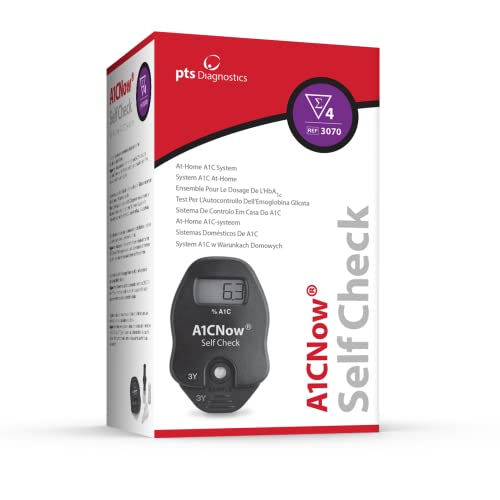
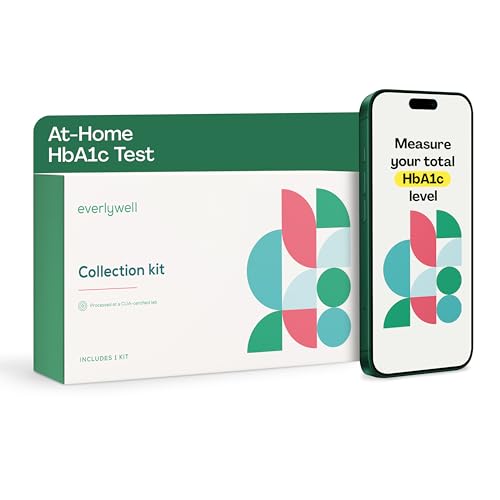
Prefer to order direct? The Everlywell HbA1c Test uses a CLIA-certified lab, physician-reviewed results, and prepaid return shipping.
What to Look For in a Continuous Glucose Monitor (CGM)
Over-the-counter CGMs like Dexcom Stelo and Abbott Lingo now sell without a prescription. Check the wear time (14–15 days per sensor), whether it reads to your phone or needs a separate device, and the monthly cost. For seeing how your own body responds to meals, a month or two is usually enough — you don't need to wear one forever.


Frequently Asked Questions
How is the TyG index calculated?
The TyG index is calculated using the formula ln(fasting triglycerides × fasting glucose ÷ 2) with both biomarkers measured in mg/dL. If results are in mmol/L, triglycerides are multiplied by 88.57 and glucose is multiplied by 18 before calculating the natural logarithm.
What is a good TyG index?
No single agreed cutoff or normal range exists for the TyG index. Historical papers reported cutoffs of 4.65 and 4.68, but ordinary fasting blood values generate numbers far above those cutoffs using the published formula.
Do I need to fast for a TyG index?
Yes, the TyG index formula requires fasting triglycerides and fasting glucose from the same blood draw. MedlinePlus notes that patients may need to fast 9 to 12 hours before a triglycerides test, though fasting is not always required and healthcare providers specify instructions.
Can I use mmol/L results?
Yes, the calculator accepts millimoles per liter (mmol/L) and automatically converts them to milligrams per deciliter. Triglyceride values are multiplied by 88.57 and glucose values are multiplied by 18 before running the calculation.
How is the TyG index different from HOMA-IR?
The TyG index uses fasting triglycerides and fasting glucose, while HOMA-IR needs fasting insulin. Its 2008 authors proposed the TyG index because the insulin test is expensive and is not available in most laboratories in the cities of undeveloped countries. In 1985 research, HOMA-IR correlated with the euglycemic clamp at Rs = 0.88 with a 31% coefficient of variation.
Does a TyG index diagnose insulin resistance?
No, the TyG index calculator does not diagnose insulin resistance. The 2008 and 2010 studies evaluated whether the index is a surrogate for insulin resistance. The calculation runs in your browser and displays reference ranges without storing your data.
Topic updates
Get the weekly metabolic health roundup
Insulin resistance, blood sugar, visceral fat, GLP-1 plateaus, metabolic syndrome, and weight-loss physiology.
Affiliate disclosure: Some links above are affiliate or referral links and we may earn a commission at no extra cost to you. As an Amazon Associate we earn from qualifying purchases. This is general information and is not medical advice. Talk to your clinician before acting.