LDL Calculator
LDL is estimated as total cholesterol minus HDL minus triglycerides divided by 5 using mg/dL units. Enter your lipid panel numbers to calculate LDL and non-HDL cholesterol.
How LDL Is Calculated
LDL cholesterol is calculated with the mathematical formula total cholesterol − HDL cholesterol − (triglycerides ÷ 5), where all values use milligrams per deciliter (mg/dL). In 1972, Friedewald, Levy, and Fredrickson published this equation to estimate low-density lipoprotein cholesterol without using a preparative ultracentrifuge. According to MedlinePlus, an LDL value labelled calculated on a lab report represents an estimate derived from total cholesterol, high-density lipoprotein (HDL), and triglycerides. MedlinePlus notes that laboratories can also measure LDL directly from a blood sample.
For example, total cholesterol of 210 mg/dL, HDL of 50 mg/dL, and triglycerides of 150 mg/dL yields 210 − 50 − (150 ÷ 5) = 210 − 50 − 30 = 130 mg/dL. In the same example, non-HDL cholesterol equals total cholesterol minus HDL, which is 210 − 50 = 160 mg/dL. When triglycerides equal or exceed 400 mg/dL, the LDL calculator displays your non-HDL cholesterol along with a note that a directly measured LDL test is required. If your lab report lists numbers in millimoles per liter (mmol/L), the LDL calculator converts them before running the arithmetic. Total cholesterol, HDL, LDL, and non-HDL in mmol/L are multiplied by 38.67 to obtain mg/dL. Triglycerides in mmol/L are multiplied by 88.57 to obtain mg/dL. When you enter SI units, the calculator shows LDL and non-HDL cholesterol in both mg/dL and mmol/L.
Reading Your LDL and Non-HDL Results
The NHLBI ATP III guidelines sort a calculated LDL into five categories.
| LDL Cholesterol Level (mg/dL) | ATP III Classification |
|---|---|
| Less than 100 | Optimal |
| 100 to 129 | Near optimal/above optimal |
| 130 to 159 | Borderline high |
| 160 to 189 | High |
| 190 or higher | Very high |
The NHLBI ATP III guidelines state that individuals should obtain a complete lipoprotein profile after a 9- to 12-hour fast. In the worked example with total cholesterol of 210 mg/dL, HDL of 50 mg/dL, and triglycerides of 150 mg/dL, the calculated LDL of 130 mg/dL falls into the borderline high tier of the ATP III classification.
The calculator also reports non-HDL cholesterol. According to MedlinePlus, healthy non-HDL cholesterol for adults is less than 130 mg/dL. MedlinePlus states that total cholesterol below 200 mg/dL is healthy for adults, while an HDL level of 60 mg/dL or higher is best. An HDL level below 40 mg/dL in men or below 50 mg/dL in women is considered low by MedlinePlus standards. Non-HDL cholesterol equals total cholesterol minus HDL cholesterol.
What the Calculator Does Not Tell You
The LDL calculator does not diagnose medical conditions and does not estimate heart risk. The LDL calculator also does not state individual treatment targets, does not evaluate prescription medications, and does not provide dietary or supplement advice. The calculation runs entirely inside your web browser. The calculator is free to use.
A calculated LDL is an indirect estimate based on total cholesterol, HDL, and triglycerides. The calculator does not use the Friedewald method to calculate LDL when triglycerides equal or exceed 400 mg/dL (4.5 mmol/L). In those situations, a directly measured LDL is needed. The lipid panel guide details what a lipid panel measures and whether to fast. The cholesterol levels guide lists cholesterol ranges by age in mg/dL and mmol/L. The TyG index calculator covers the triglyceride-glucose index from the same fasting draw.
What You'll Get
- LDL cholesterol by the Friedewald equation, with the working shown
- NHLBI ATP III LDL category
- Non-HDL cholesterol
How to test metabolic markers at home
You don't need a lab appointment to check your own metabolic markers — a few at-home kits mail you a collection kit and return physician-reviewed results online within days:
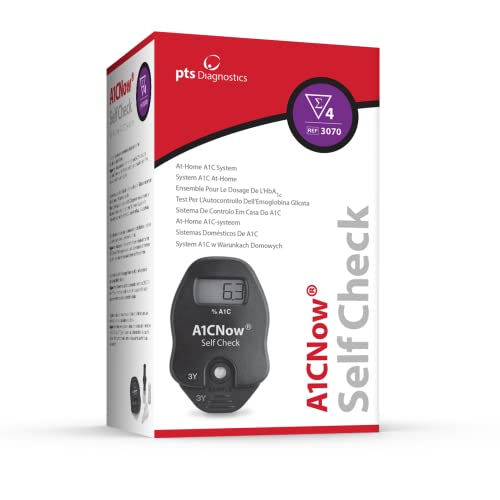
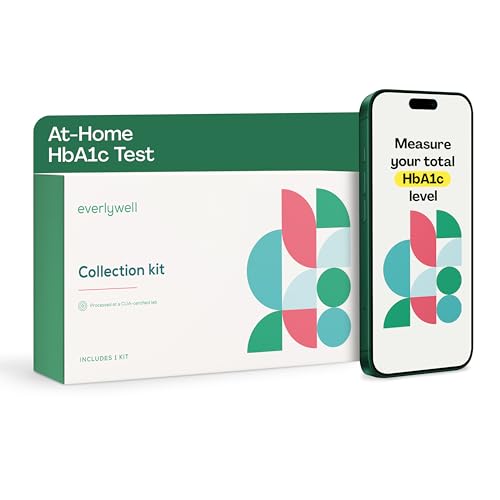
Prefer to order direct? The Everlywell HbA1c Test uses a CLIA-certified lab, physician-reviewed results, and prepaid return shipping.
Frequently Asked Questions
What is the LDL calculated value on my lab report?
The LDL calculated value is an estimate of low-density lipoprotein cholesterol derived from your total cholesterol, HDL cholesterol, and triglyceride measurements. MedlinePlus explains that a lab result marked calculated is an estimate based on total cholesterol, HDL, and triglycerides, and LDL can also be measured directly from the blood sample.
When can LDL not be calculated?
LDL cannot be calculated using the Friedewald equation when triglycerides are 400 mg/dL or higher, which equals 4.5 mmol/L. When triglycerides equal or exceed 400 mg/dL, a directly measured LDL is needed.
What is a good LDL level?
According to the NHLBI ATP III guidelines, an LDL level below 100 mg/dL is classified as optimal for adults. Levels from 100 to 129 mg/dL are near optimal or above optimal, 130 to 159 mg/dL is borderline high, 160 to 189 mg/dL is high, and 190 mg/dL or higher is very high. MedlinePlus lists an LDL level below 100 mg/dL as healthy for adults aged 20 and older.
What is non-HDL cholesterol?
Non-HDL cholesterol equals total cholesterol minus HDL cholesterol. MedlinePlus states that a healthy non-HDL cholesterol level for adults is less than 130 mg/dL.
Do I need to fast for an LDL calculation?
The NHLBI ATP III guidelines state that individuals should obtain a complete lipoprotein profile after fasting for 9 to 12 hours.
Topic updates
Get the weekly metabolic health roundup
Insulin resistance, blood sugar, visceral fat, GLP-1 plateaus, metabolic syndrome, and weight-loss physiology.
Affiliate disclosure: Some links above are affiliate or referral links and we may earn a commission at no extra cost to you. As an Amazon Associate we earn from qualifying purchases. This is general information and is not medical advice. Talk to your clinician before acting.