Blood Sugar Converter
Convert mmol/L to mg/dL by multiplying by 18, or divide mg/dL by 18 to get mmol/L. If the reading was fasting, the converter also shows where the value falls in the CDC fasting ranges.
How the Conversion Works
Blood glucose is reported in two units. Laboratories in the United States report blood glucose in milligrams per deciliter (mg/dL). Laboratories in the United Kingdom, Canada, Australia, and much of Europe use millimoles per liter (mmol/L), which is the International System of Units (SI) standard for blood glucose concentration.
This blood sugar converter uses a conversion factor of 18 to switch between the two systems. To convert from millimoles per liter to milligrams per deciliter, multiply the value by 18. To complete the mg/dL to mmol/L conversion, divide the milligram figure by 18. This same factor of 18 appears on the American Diabetes Association estimated average glucose table, which sets 126 mg/dL equal to 7.0 mmol/L. This site also applies this factor across the TyG index calculator, A1C, and insulin resistance calculators.
The blood sugar converter displays milligrams per deciliter rounded to the nearest whole integer and millimoles per liter rounded to one decimal place. The converter prints the direct arithmetic alongside the result. For instance, a reading of 5.8 mmol/L multiplied by 18 produces 104.4, which appears on screen as 104 mg/dL. In the opposite direction, a reading of 126 mg/dL divided by 18 yields 7.0 mmol/L. A reading of 110 mg/dL divided by 18 equals 6.1 mmol/L, while 100 mg/dL divided by 18 equals 5.6 mmol/L.
| mg/dL | mmol/L |
|---|---|
| 70 | 3.9 |
| 100 | 5.6 |
| 110 | 6.1 |
| 126 | 7.0 |
| 180 | 10.0 |
These values reflect mg/dL readings divided by 18 with mmol/L rounded to one decimal place.
Reading a Converted Fasting Value
Criteria published by the Centers for Disease Control and Prevention (CDC) set the fasting reference ranges. In standard United States units, the CDC defines a fasting blood sugar measurement of 99 mg/dL or below as normal. Fasting readings between 100 and 125 mg/dL indicate prediabetes. Fasting values of 126 mg/dL or above indicate diabetes.
When converted using the factor of 18 and rounded to one decimal place, these ranges map directly into millimoles per liter. Normal fasting blood sugar equals 5.5 mmol/L or below. Prediabetes spans from 5.6 to 6.9 mmol/L. Diabetes begins at 7.0 mmol/L or above.
| Category | Fasting Blood Sugar (mg/dL) | Fasting Blood Sugar (mmol/L) |
|---|---|---|
| Normal | 99 or below | 5.5 or below |
| Prediabetes | 100 to 125 | 5.6 to 6.9 |
| Diabetes | 126 or above | 7.0 or above |
These ranges apply exclusively to fasting measurements. For this reason, the blood sugar converter categorizes your result only when you check the box indicating the value was drawn while fasting. If that box remains unchecked, the blood sugar converter carries out the conversion without assigning a category. According to the CDC, an actual diagnosis of prediabetes or diabetes requires formal blood testing evaluated by a qualified healthcare provider. A single home meter reading does not diagnose either condition.
What the Converter Does Not Do
The blood sugar converter does not process hemoglobin A1C results. The A1C test reports a percentage. It does not report a glucose concentration. To convert an A1C percentage into estimated average glucose, use the dedicated A1C calculator, which applies the ADAG formula.
The blood sugar converter does not define post-meal glucose targets, pregnancy ranges, pediatric goals, or management targets for individuals already diagnosed with diabetes. It provides no dietary suggestions, medication adjustments, or supplement protocols. The fasting glucose guide explains what a fasting glucose result means, while the prediabetes symptoms resource covers prediabetes warning signs and who should be tested.
This blood sugar converter is free and operates locally within your web browser.
What You'll Get
- The reading in the other unit with the working shown
- Where a fasting reading falls in the CDC fasting ranges
How to test metabolic markers at home
You don't need a lab appointment to check your own metabolic markers — a few at-home kits mail you a collection kit and return physician-reviewed results online within days:
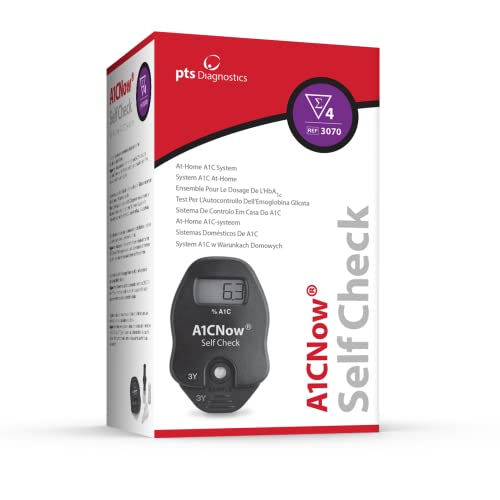
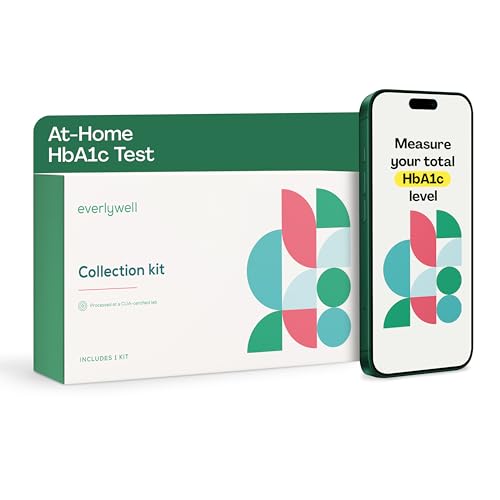
Prefer to order direct? The Everlywell HbA1c Test uses a CLIA-certified lab, physician-reviewed results, and prepaid return shipping.
What to Look For in a Continuous Glucose Monitor (CGM)
Over-the-counter CGMs like Dexcom Stelo and Abbott Lingo now sell without a prescription. Check the wear time (14–15 days per sensor), whether it reads to your phone or needs a separate device, and the monthly cost. For seeing how your own body responds to meals, a month or two is usually enough — you don't need to wear one forever.


Frequently Asked Questions
How do I convert mmol/L to mg/dL?
Multiply the mmol/L reading by 18 to calculate mg/dL. For example, a value of 5.8 mmol/L multiplied by 18 equals 104.4, which rounds to 104 mg/dL.
What is the SI unit for glucose?
The International System of Units (SI) measurement for blood glucose concentration is millimoles per liter (mmol/L). This unit is used in the United Kingdom, Canada, Australia, and much of Europe.
How much is 110 blood sugar in mmol/L?
A blood sugar reading of 110 mg/dL equals 6.1 mmol/L. Divide 110 by 18 to perform the calculation.
Is 7.0 mmol/L high for a fasting reading?
Yes, 7.0 mmol/L sits at the clinical threshold for diabetes on a fasting test. According to CDC reference ranges, normal fasting glucose is 5.5 mmol/L or below, prediabetes spans 5.6 to 6.9 mmol/L, and diabetes begins at 7.0 mmol/L or above. A formal diagnosis requires clinical laboratory evaluation by a healthcare provider. A single home meter reading does not diagnose either.
Can I convert my A1C with the blood sugar converter?
No, the blood sugar converter only converts glucose concentrations between mg/dL and mmol/L. The A1C test reports a percentage. It does not report a glucose concentration. The A1C calculator on this site turns an A1C into an estimated average glucose with the ADAG formula.
Topic updates
Get the weekly metabolic health roundup
Insulin resistance, blood sugar, visceral fat, GLP-1 plateaus, metabolic syndrome, and weight-loss physiology.
Affiliate disclosure: Some links above are affiliate or referral links and we may earn a commission at no extra cost to you. As an Amazon Associate we earn from qualifying purchases. This is general information and is not medical advice. Talk to your clinician before acting.