Blood Pressure Calculator
Blood pressure is normal when systolic is under 120 mm Hg and diastolic is under 80 mm Hg. This blood pressure calculator averages your readings and shows your NHLBI adult category.
How the Blood Pressure Categories Work
This blood pressure calculator averages up to three readings and identifies your adult category under published standards from the National Heart, Lung, and Blood Institute (NHLBI). This blood pressure calculator works out the systolic and diastolic averages separately, rounds each to a whole number, and displays the working. If diastolic is not lower than systolic, the blood pressure calculator asks you to check whether the two are swapped. For example, readings of 132/84, 128/82, and 130/80 mm Hg average to 130/82 mm Hg ((132 + 128 + 130) ÷ 3 = 130; (84 + 82 + 80) ÷ 3 = 82). That result represents High Blood Pressure Stage 1.
| Category | Systolic (mm Hg) | and/or | Diastolic (mm Hg) |
|---|---|---|---|
| Normal | Less than 120 | and | Less than 80 |
| Elevated | 120 to 129 | and | Less than 80 |
| High Blood Pressure Stage 1 | 130 to 139 | or | 80 to 89 |
| High Blood Pressure Stage 2 | 140 or higher | or | 90 or higher |
| Hypertensive Crisis | Higher than 180 | or | Higher than 120 |
The higher category always decides your result. Because Stage 1 and Stage 2 require either number, mismatched tiers trigger the higher classification. For example, a reading of 118/84 mm Hg is Stage 1 even though the systolic is under 120 mm Hg. The diastolic 84 mm Hg falls in the 80 to 89 mm Hg band. For most adults, the NHLBI defines healthy blood pressure as under 120/80 mm Hg. High blood pressure begins with consistent systolic values of 130 mm Hg or higher, or diastolic values of 80 mm Hg or higher.
Getting a Reading You Can Trust
A reading records systolic over diastolic in mm Hg. Systolic measures pressure as the heart pumps, while diastolic measures pressure between beats as the heart fills. Blood pressure changes throughout the day based on activities. The NHLBI diagnosis guide lists preparation steps before testing:
- Do not exercise, drink coffee, or smoke for 30 minutes before the test.
- Empty your bladder first.
- Sit in a chair and relax for at least 5 minutes with feet flat on the floor.
- Do not talk while resting or during the measurement.
- Rest your bare arm on a table so it is supported at heart level.
A reading can be inaccurate if you are excited or nervous, or if your cuff is too small or too large. In addition, white coat hypertension means readings higher in a provider's office than at home or in a pharmacy. Masked high blood pressure means readings lower at the office. Providers may compare office and home readings to detect either. When testing outside a clinic, use an approved home blood pressure device.
What a Category Can and Cannot Tell You
A blood pressure category describes your current numbers, but a diagnosis requires clinical confirmation. The NHLBI states that diagnosing high blood pressure requires two or more readings taken at separate medical appointments. This calculator runs in your browser, stores nothing unless you use the optional email field, and applies uniform NHLBI adult tiers without age adjustments.
If any single reading exceeds 180 mm Hg systolic or 120 mm Hg diastolic, the blood pressure calculator displays a warning. The warning quotes NHLBI: readings above 180/120 mm Hg are dangerously high and require immediate medical attention. For the Hypertensive Crisis stage, the NHLBI instructs you to contact your provider immediately.
About half of American adults have high blood pressure, and about 1 in 3 U.S. adults with high blood pressure are not aware they have it. Symptoms usually do not appear until high blood pressure causes serious medical problems. The NHLBI recommends an annual check and home monitoring. The blood pressure guide reviews typical readings. The resource on lowering blood pressure covers guideline-based ways to lower blood pressure. In addition, the metabolic score calculator tracks blood pressure as one of five risk markers.
What You'll Get
- Average of the readings with the working shown
- NHLBI adult blood pressure category
- A warning for any reading above 180/120
What to Look For in a Blood Pressure Monitor
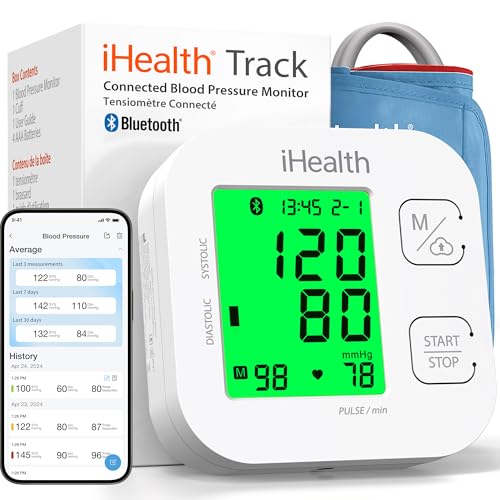
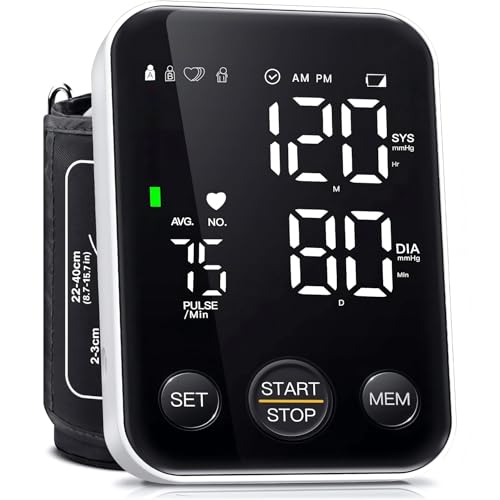
An upper-arm cuff is more accurate than a wrist model. Pick a clinically validated device with a cuff sized to your arm, and take readings seated after five minutes of rest. Models that store readings or sync to an app make it easy to share trends with your doctor.
Frequently Asked Questions
Is 140 over 70 ok blood pressure?
A reading of 140/70 mm Hg is High Blood Pressure Stage 2. The NHLBI assigns any systolic value of 140 mm Hg or higher to Stage 2, even with diastolic pressure under 80 mm Hg. A diagnosis requires two or more readings at separate medical visits.
How do I calculate my average blood pressure?
Add your systolic numbers and divide by the count, then repeat for diastolic numbers. For example, entries of 132/84, 128/82, and 130/80 mm Hg average to 130/82 mm Hg. Round each result to a whole number.
What is a normal blood pressure for adults?
Normal adult blood pressure is less than 120 mm Hg systolic and less than 80 mm Hg diastolic. The NHLBI considers blood pressure high when systolic consistently reaches 130 mm Hg or diastolic reaches 80 mm Hg.
Which number matters more, systolic or diastolic?
Either number can assign your category. When readings fall into different tiers, the higher tier decides your result. For example, 118/84 mm Hg is Stage 1 because the 84 mm Hg diastolic reading falls in the 80 to 89 mm Hg band.
What throws off a blood pressure reading?
Exercise, drinking coffee, or smoking within 30 minutes of a check can distort results. Talking, a full bladder, anxiety, or an incorrect cuff size also skew numbers. White coat hypertension means readings higher at the office, while masked high blood pressure means readings lower at the office.
When is a blood pressure reading an emergency?
A reading higher than 180 mm Hg systolic or higher than 120 mm Hg diastolic is a hypertensive crisis. The NHLBI states readings above 180/120 mm Hg are dangerously high, require immediate medical attention, and warrant contacting your provider immediately.
Topic updates
Get the weekly metabolic health roundup
Insulin resistance, blood sugar, visceral fat, GLP-1 plateaus, metabolic syndrome, and weight-loss physiology.
Affiliate disclosure: Some links above are affiliate or referral links and we may earn a commission at no extra cost to you. As an Amazon Associate we earn from qualifying purchases. This is general information and is not medical advice. Talk to your clinician before acting.