Fibromyalgia and Sleep: Mechanisms, Pain Cycles, and Care
Medically reviewed by Dr. Michael Teplitsky, MD Last reviewed 2026-09-24
How central sensitization and non-restorative rest interact, and evidence-based steps to improve sleep quality
Non-restorative sleep and fibromyalgia share a bidirectional relationship where sleep disruption intensifies pain sensitivity. Learn the sleep mechanisms and clinically supported strategies that help.
Fibromyalgia disrupts sleep architecture through non-restorative stages and frequent awakenings, while the resulting sleep deficit directly amplifies daytime pain sensitivity. At The Metabolic Journal, we examine clinical evidence to help readers understand chronic symptom patterns and target the physiological drivers behind them. Because pain fragments rest and fragmented rest lowers pain thresholds, managing fibromyalgia and sleep requires addressing the sleep problem as an independent clinical target rather than a secondary byproduct of pain.
The American College of Rheumatology (ACR) includes sleep disturbance and fatigue alongside widespread pain indices in its diagnostic criteria for fibromyalgia. Waking unrefreshed despite a full night in bed is one of the most consistently reported complaints among people with this condition. This poor recovery often occurs alongside cognitive challenges like trouble concentrating and short-term memory lapses, commonly described as fibro fog.
Want help fixing your sleep for real?
Opt Health treats sleep as a measurable system — cortisol rhythm, thyroid, testosterone, inflammation — and works the biology behind bad sleep with a physician, not a sleep-hygiene checklist.
See Opt Health's sleep program →Addressing sleep quality requires understanding how neurochemical signaling, nocturnal brain waves, and nervous system arousal interact. Targeted behavioral changes, consistent sleep hygiene, and specialized clinical protocols provide measurable paths toward restorative rest without relying solely on temporary symptom relief.
The Bidirectional Cycle of Fibromyalgia and Sleep
The relationship between fibromyalgia and sleep is bidirectional, meaning poor nighttime sleep intensifies next-day pain sensitivity while chronic physical pain repeatedly fragments sleep architecture. Clinical researchers recognize that this reciprocal feedback loop prevents natural physical recovery and drives symptom persistence across both domains.
Central sensitization serves as the primary neurological driver of fibromyalgia. In individuals with central sensitization, the central nervous system amplifies sensory inputs, converting mild sensations into uncomfortable signals and making painful sensations feel more intense. When deep sleep is truncated or interrupted, the body loses access to endogenous pain-filtering mechanisms. Descending inhibitory pathways that normally travel down the spinal cord to suppress pain signals become less effective during periods of sleep loss. As a result, the nervous system remains in a sensitized, hyper-reactive state throughout the following day.
At the same time, persistent musculoskeletal discomfort and stiffness directly disrupt the physical process of resting. Micro-arousals occur throughout the night, causing brief shifts toward lighter sleep stages or full awakenings that reset the sleep cycle before restorative tissue maintenance can take place. Patients frequently shift positions in bed to relieve pressure points, which further fragments nocturnal rest.
This dynamic creates a compounding daily burden. A night marked by frequent awakenings leads to heightened widespread tenderness the following afternoon, which then makes falling asleep and staying asleep even more challenging the next evening. Breaking this cycle requires treatments that target sleep quality directly rather than assuming sleep will normalize once daytime pain improves.
Nervous system hyperarousal also involves endocrine signaling pathways. Disrupted stress response systems, particularly the hypothalamic-pituitary-adrenal (HPA) axis, frequently correlate with elevated nighttime alertness in chronic pain conditions. You can read more about balancing overnight stress responses in our guide on how to lower cortisol, which covers strategies for reducing physiological arousal before bedtime.
Non-Restorative Sleep and Alpha-Wave Intrusion Research
Non-restorative sleep in fibromyalgia is characterized in research literature by alpha-wave intrusion, an abnormal electroencephalogram (EEG) pattern where wakeful brain rhythms disrupt deep slow-wave sleep. Patients describe this state as spending eight hours in bed only to wake up feeling exhausted, physically drained, and unrested.
Under healthy conditions, sleep progresses through distinct stages governed by specific brain-wave frequencies. Stage three non-rapid eye movement sleep, also known as slow-wave or delta sleep, features low-frequency, high-amplitude delta waves. This deep stage allows the body to release growth hormone, repair muscle tissue, clear cellular waste from the brain, and reset autonomic nervous system balance. Delta sleep provides the physical sensation of recovery that allows individuals to wake feeling refreshed.
In fibromyalgia sleep research, investigators have documented fast alpha rhythms, which normally occur when an individual is awake and resting with their eyes closed, intruding into deep delta-wave sleep. This rhythm collision is commonly described in clinical literature as alpha-delta sleep. Because the brain remains subjected to wake-like frequencies during its deepest stages, the physiological processes responsible for restorative repair are continually interrupted.
Alpha-wave intrusion is not a universal diagnostic marker for every individual with fibromyalgia, as it also appears in other chronic pain syndromes and can be induced in healthy individuals through auditory disturbances during sleep studies. However, the pattern provides a clear biological explanation for why standard sleep duration does not equal restorative rest in fibromyalgia. The brain remains partially vigilant throughout the night, monitoring the internal and external environment rather than entering deep cellular recovery.
Fibromyalgia and Sleep Deprivation Effects on Next-Day Pain
Fibromyalgia and sleep deprivation combine to produce marked hypersensitivity, known clinically as hyperalgesia, by destabilizing endogenous pain control mechanisms. When sleep is interrupted or restricted, pain thresholds drop dramatically across both tender points and general body tissues.
This bidirectional relationship is well documented clinically: sleep loss lowers pain thresholds, and pain in turn keeps sleep fragmented, so neither side of the cycle resolves on its own. When individuals who already live with fibromyalgia experience sleep loss, the effect is magnified. Sleep loss compromises the availability of neurotransmitters that regulate pain and mood, including serotonin and norepinephrine. Without adequate replenishment during slow-wave rest, these neurochemical messengers fail to inhibit nociceptive signaling at the spinal level.
Sleep deprivation also exacerbates cognitive difficulties associated with fibromyalgia. When deep sleep is compromised, the prefrontal cortex experiences functional deficits that impair working memory, processing speed, and sustained attention. Patients describe this cognitive blunting as fibro fog, which makes routine tasks, conversation, and workplace duties feel overwhelming. The American College of Rheumatology lists cognitive difficulty, including trouble concentrating and word-finding lapses, as a core feature of fibromyalgia rather than a separate issue layered on top of it, as detailed in our guide to symptoms and causes of brain fog.
Furthermore, sleep deprivation impairs emotional regulation and increases vulnerability to stress, which can trigger additional musculoskeletal tension. Preventing acute sleep deficits and managing chronic sleep fragmentation are therefore foundational elements of maintaining baseline physical stability.
Sleep-Focused Interventions for Fibromyalgia Insomnia
Managing fibromyalgia insomnia requires structured behavioral therapies, gentle physical conditioning, and careful environmental controls tailored to chronic pain constraints. Because medication alone rarely restores natural sleep architecture, behavioral and lifestyle interventions serve as the primary foundation for long-term improvement.
Cognitive behavioral therapy for insomnia (CBT-I) is widely recognized as a first-line treatment for chronic sleeplessness across chronic pain conditions, including fibromyalgia. CBT-I targets the conditioned arousal that develops when a person spends hours awake in bed experiencing discomfort. Through techniques such as stimulus control and sleep consolidation, CBT-I helps retrain the brain to associate the bed with sleep rather than frustration and physical distress. Cognitive restructuring within CBT-I also addresses catastrophic thinking regarding sleep loss, reducing the autonomic anxiety that often keeps patients awake.
Sleep hygiene practices provide a foundation of environmental support. Maintaining a consistent wake-up time seven days a week helps reinforce circadian rhythms. Patients benefit from keeping the bedroom cool, dark, and quiet, and from using supportive mattresses and body pillows that reduce pressure on sensitive tender points. Limiting blue light from electronic screens for two hours before bed helps prompt the body's natural melatonin production. If persistent nighttime waking coincides with daytime fatigue and mood fluctuations, evaluating your biological stress markers through blood cortisol levels testing can help clarify whether hypothalamic-pituitary-adrenal axis dysregulation is contributing to sleep maintenance problems.
Gentle, graded exercise is commonly recommended by clinicians to support physical conditioning and deepen sleep over time. Low-impact aerobic movement such as walking, warm-water pool therapy, and gentle stretching helps decrease central nervous system sensitivity. Programs should start at very low intensities and advance gradually to prevent post-exertional pain flares.
Prescription medications also exist to assist with sleep maintenance and pain management. Clinicians select specific pharmaceutical options based on each patient's comprehensive clinical picture, balancing pain severity, sleep disruption, and co-occurring mood symptoms. Patients interested in discussing medical management options can schedule an appointment with a qualified clinician through our clinical consultation network.
Who this is not for: This behavioral and lifestyle framework is not designed for individuals whose sleep problems stem primarily from untreated obstructive sleep apnea, periodic limb movement disorder, or severe neurological conditions. Individuals who experience loud snoring, observed pauses in breathing during sleep, or uncontrollable limb sensations require formal diagnostic polysomnography at an accredited sleep center rather than behavioral insomnia strategies alone.
What would change our answer: If future clinical trials identify validated biological subtypes of central sensitization with specific targeted pharmacotherapies that reliably restore slow-wave delta sleep architecture, our clinical guidance would prioritize those targeted pharmaceutical agents over general multi-component behavioral protocols.
Diagnostic Boundaries Between Fibromyalgia and Chronic Fatigue Syndrome
Distinguishing fibromyalgia from myalgic encephalomyelitis / chronic fatigue syndrome (ME/CFS) centers on whether the dominant clinical complaint is widespread musculoskeletal pain or post-exertional malaise. Both conditions share substantial clinical overlap, including persistent non-restorative sleep, cognitive dysfunction, and generalized fatigue, making a careful differential diagnosis important for proper management.
The defining feature of ME/CFS is post-exertional malaise, a worsening of symptoms following minimal physical, cognitive, or orthostatic exertion that typically appears 12 to 48 hours after activity and can persist for days or weeks. In contrast, while individuals with fibromyalgia often feel sore after intense exercise, carefully paced and graded gentle movement is generally tolerable and helps reduce pain over time. If your symptoms involve severe crashes following light exertion, review our detailed guide on myalgic encephalomyelitis / chronic fatigue syndrome management. For a structured side-by-side comparison of overlapping fatigue conditions, refer to our analysis on comparing chronic fatigue, fibromyalgia, and narcolepsy.
To take direct control of your recovery, establish a consistent daily wake time, record your sleep quality alongside your daytime pain scores in a symptom journal, and review these findings with your medical provider to create a comprehensive management plan for fibromyalgia and sleep.
This guide provides general educational information and does not constitute medical advice. Always consult a licensed healthcare professional for evaluation, diagnosis, and treatment of chronic medical conditions.
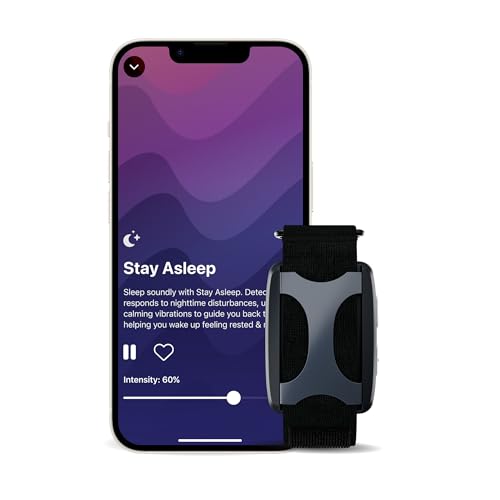
What to Look For in a Sleep & Recovery Tracker
The Oura Ring and Whoop are the most accurate consumer options for sleep stages and HRV; a smartwatch (Apple Watch, Garmin) works too if you'd rather not wear a ring. Prioritize validated HRV and sleep-stage tracking over step counts, check whether it needs a subscription (Whoop does), and pick something comfortable enough to wear every night.

What Makes a Good Magnesium Supplement
Form matters more than dose: magnesium glycinate and citrate absorb well and are gentle on the stomach, while cheap magnesium oxide is poorly absorbed. A typical supplemental dose is 200–400 mg of elemental magnesium (check the label — it's usually lower than the pill weight). Take it in the evening if you're using it for sleep, and pick a third-party-tested brand.


Frequently Asked Questions
Is it normal to sleep all day with fibromyalgia?
Sleeping for extended periods or feeling the urge to stay in bed all day is a frequent experience in fibromyalgia due to persistent non-restorative sleep and systemic fatigue. Even after spending ten to twelve hours in bed, the deficiency of restorative slow-wave sleep leaves the body unrefreshed. However, prolonged daytime sleep can disrupt circadian rhythms and worsen nighttime insomnia. Clinicians recommend aiming for a consistent sleep-wake schedule and consulting a healthcare provider to evaluate potential co-occurring conditions like sleep apnea or chronic fatigue syndrome.
What can I do to relieve fibromyalgia pain?
Relieving fibromyalgia pain around bedtime involves gentle physical strategies that calm nervous system sensitivity. Taking a warm bath or shower before bed relaxes tense muscles and helps prompt the natural drop in core body temperature necessary for sleep onset. Gentle stretching, progressive muscle relaxation, and cognitive behavioral techniques help reduce central nervous system arousal. For targeted medical pain relief, consult your physician to explore prescription treatments selected for your specific symptom profile.
What triggers fibromyalgia flare-ups?
Fibromyalgia flare-ups are commonly triggered by acute sleep disruption, sustained emotional or physical stress, weather changes, acute infections, and physical overexertion. Because poor sleep destabilizes central pain-filtering pathways, a single night of fragmented rest can prompt an increase in next-day pain sensitivity. Tracking individual patterns in a daily health log helps patients identify early warning signs and adjust daily pacing before a flare-up intensifies.
How can I tell if my sleep problems are from fibromyalgia or a primary sleep disorder?
While fibromyalgia causes non-restorative sleep and frequent awakenings, primary sleep disorders like obstructive sleep apnea and restless legs syndrome produce distinct symptoms. Warning signs of sleep apnea include loud snoring, gasping or choking episodes during sleep, morning headaches, and waking with a dry mouth. Restless legs syndrome causes uncomfortable crawling or tingling sensations in the legs accompanied by an urge to move them, especially in the evening. If you experience these symptoms, request an overnight sleep study from your doctor to evaluate whether a primary sleep disorder requires targeted medical therapy.
Topic updates
Get the weekly hormone optimization roundup
Testosterone, thyroid, cortisol, estrogen, menopause, perimenopause, libido, and hormone testing.
Want your sleep handled by a physician who works from your labs? See how Opt Health does it →
Check Where You Stand
Take our free health assessment to understand your metabolic, hormonal, and recovery risk factors — and get personalized recommendations.
Take the Free Assessment →Free · Takes 5 minutes · Instant results
Related Guides
← Back to Hormone Optimization
-
Cortisol Test: Sample Types, Preparation and What Results Can Tell You
Cortisol test: blood, saliva and urine sample types, timing, preparation, and what a result can and cannot tell you.
-
Adrenal Fatigue Symptoms: What the Endocrine Society Says
Adrenal fatigue symptoms: what the Endocrine Society says is attributed to it, why it is not a recognized diagnosis, and what to consider instead.
-
Low Progesterone: the Cycle Signs, Causes, How It Is Tested, and the Limits of a Single Blood Level
Low progesterone: the cycle signs, causes, how it is tested, and the limits of a single blood level.
See more related guides
-
How to Increase Progesterone: Restoring Ovulation, What Studies Found for Foods, Vitex and Creams, and When It Is Prescribed
How to increase progesterone: restoring ovulation, what studies found for foods, vitex and creams, and when it is prescribed.
-
Cortisol Belly: What the Research Links Between Cortisol and Belly Fat, Cushing's Signs, and What Reduces Visceral Fat
Cortisol belly: what the research links between cortisol and belly fat, Cushing's signs, and what reduces visceral fat.
-
Hot Flashes After Eating: How Timing Separates Food Triggers, Menopause, Low Blood Sugar and Dumping Syndrome
Hot flashes after eating: how timing separates food triggers, menopause, low blood sugar and dumping syndrome.
-
Menopause, Fatigue, Weight Gain, and Metabolic Health
Menopause symptoms, body composition, testing, and treatment paths.
-
Perimenopause Symptoms, Fatigue, and Early Hormone Changes
Early-transition fatigue, weight gain, sleep disruption, and symptom triage.
Affiliate disclosure: The Metabolic Journal is reader-supported. Some links above are affiliate or referral links and we may earn a commission at no extra cost to you. As an Amazon Associate we earn from qualifying purchases. Products are chosen on the merits; commissions never influence what we recommend. This is general information, not medical advice — talk to your clinician before acting.